The Dolejsi Analysis By Miroslav Dolejsi Part II of IV
Autor: Petr Cibulka <Petr.Cibulka@PravyBlok.cz>, Téma: NECENZUROVANÉ NOVINY 03/2005, Vydáno dne: 02. 07. 2005A Little
Bombshell
How
secret communist structures organized the collapse of communism in
Czechoslovakia and influenced Western governments to accept the collapse as
spontaneous and genuine.
Click to read:
Translator's Biography of Miroslav
Dolejsi
Click to
read: Part I of Dolejsi
Analysis
|
Things fall apart, the center cannot hold |
Let no man deceive you with vain words |
The Dolejsi Analysis (1991)
|
Místo předmluvy před každým našim článkem STÁLÁ AKTUALIZOVANÁ VÝZVA k plné občanské mobilizaci a nejvyšší politické bdělosti CO DĚLAT, TADY A TEĎ - ve
které je zkoncentrováno to nejpodstatnější z tisíců článků našich
informačních stránek WWW.CIBULKA.NET - psaných od roku 1987 až do
dnešního dne a hodiny - a jenž je svojí mnohovrstevností a systémovým
charakterem, včetně množství dalších internetových odkazů, tisícinásobně
důležitější, než každý náš jednotlivý článek - pokud se děsivá a nesmírně rychle se naplňující JASNOVIDNÁ prorocká vize George Orwella, známá jako "1984" - když veškeré další informace životně důležitého významu k ní jsou k disposici zde http://www.cibulka.net/petr/view.php?cisloclanku=2011070079 = pohlcení
INFILTROVANÉ a rozvrácené Evropy Ruϟϟkem a následná permanentní
genocida, vedená hlavním městem Impéria Zla Moskvou vůči všem jinak
smýšlejícím občanům zotročené Evropy, ale i válka všech proti všem - nemají stát nevratnou skutečností! Už dnes vidíme všude kolem sebe i sami na sobě vítězství jejich ultra satanské Velké Kriminální Světové Revoluce (V-K-S-R)!!! Důvody jsou velice dobře a velice dlouho známé! 2 x viz:

které mají VŠECHNY národy právě k disposici,
najdeme vždycky a neomylně v jejich čele...!!! 4 x viz:
* https://www.youtube.com/channel/UCKg2SOtcL-fj79WtM84ckQA/VIDEOS
* http://www.youtube.com/user/PravyBlok/VIDEOS
JE DESTRUKCE STÁTŮ,
NÁRODŮ, JEJICH ELIT
A LIDSKÝCH RODIN,
(KROMĚ RUSKA A ČÍNY!)
I OBČANSKÉ SVOBODY
NADNÁRODNÍMI -
NADSTÁTNÍMI SILAMI
NEO-MARX-SATANISMU
= ULTRAKRIMINÁLNÍ
ZCELA ODLIDŠTĚNÉ
ANTI - CIVILIZACE! Viz:
NA VĚČNÉ ČASY PLATÍ:
VLÁDA MATERIALISMU
= VŽDYCKY ZLOŘÁD!!!
VLÁDA DUCHOVNOSTI
= VŽDYCKY ŘÁD...!!!!!!!
Marx-satanský Kreml a jeho první biologické laboratoře na světě
pro umělé pěstování materialistického satanského NADčlověka
- jako umělého předčipového "člověka - vládce světa zítřka"!!!
a další podobné ultrakriminální struktury všem vítězně oznamují:
BUDOUCNOSTÍ ČLOVĚKA MUSÍ BÝT ČIPOVÝ ANTIČLOVĚK!!!
http://www.cibulka.net/petr/view.php?cisloclanku=2006092201
DNEŠNÍ MODERNÍ DIGITÁLNÍ APOKALYPSA HRŮZOVLÁDY "DOBRA"
OTROKÁŘSTVÍ VYŠŠÍHO ŘÁDU V NAPROSTÉ TICHOSTI NASTUPUJE
Česká republika jako totalitní stát: VELKÝ BRATR TĚ NEUSTÁLE POZORNĚ SLEDUJE!
Je George Orwell se svým proslulým románem 1984 paranoik nebo geniální vizionář?
Blíží se doba, kdy vypnutí vlastního mobilu bude závažným trestným činem...!!!
ČIPOVÁ TOTALITA, TADY A TEĎ: Máte chytrý mobil? Operátoři KGB/GRU
pečlivě monitorují každý váš pohyb a veškerou vaši komunikaci...!!!
Fízlování mobilů i internetu prošlo hlasy Zelených = KGB/GRU!!!
s mobilním telefonem, ale prozatím to ještě oficiálně nesmí dělat!
Orwellův "Velký bratr" sídlí v Praze a velice dobře se mu zde daří...!!!
a informační SYSTÉM, ve kterém nás "demokraticky" totálně/totalitně uvěznili!
Přísně tajná akce RUSKO-českého komunistického Gestapa StB=KGB/GRU "Ortel":
Jak nenápadně likvidovat politické oponenty: chemikálie, jedy + pokusy na vězních...!!!
PRŮMYSLOVOU REVOLUCÍ V PSYCHOTRONICKÉ VÁLCE
KE SKRYTÉMU OTROKÁŘSTVÍ MNOHEM VYŠŠÍHO ŘÁDU:
TAJNÉ ZBRANĚ KGB / GRU NA OVLÁDÁNÍ LIDSKÉ MYSLI:
SVĚTOVÁ VÁLKA PROTI NÁM UŽ VELMI DÁVNO ZAČALA!
CÍLEM
TOHOTO PLÁNU SKRYTÉ GENOCIDY JE POSTUPNÁ DEZINTEGRACE POLITICKÝCH A
SOCIÁLNÍCH INSTITUCÍ, KULTURY, JAZYKA, NÁRODNÍHO CÍTĚNÍ, NÁBOŽENSTVÍ A
EKONOMICKÉHO ŽIVOTA NÁRODNÍCH SKUPIN A DESTRUKCE OSOBNÍ BEZPEČNOSTI,
SVOBODY, ZDRAVÍ, DŮSTOJNOSTI A ROVNĚŽ ŽIVOTŮ JEDINCŮ, PATŘÍCÍCH K TĚMTO
SKUPINÁM. GENOCIDA JE VEDENÁ PROTI NÁRODNÍ SKUPINĚ JAKO TAKOVÉ A AKCE,
KTERÉ MÁ ZA NÁSLEDEK, SMĚŘUJÍ PROTI INDIVIDUU, ALE NE KVŮLI JEHO
INDIVIDUÁLNÍM DOBRÝM NEBO ZLÝM VLASTNOSTEM, ALE PROTO, ŽE JE
PŘÍSLUŠNÍKEM NÁRODNÍ NEBO SPOLEČENSKÉ SKUPINY, URČENÉ K LIKVIDACI. Technologie současnosti nabízí vrahům ideální prostředky k odložení zábran a ke zmírnění „tvrdé reality“ vraždění.
Kdo nevěří, důkazy
o skryté genocidě NEkriminálního Lidstva, vedené proti nám Moskvou
rukama jejich západních marx-satanských užitečných idiotů v žoldu ultra
satanských ruϟϟkých KGB/GRU, jsou k disposici zde:
http://www.cibulka.net/petr/view.php?cisloclanku=2008092701
(Prosíme o další INTENZIVNÍ šíření, za což předem děkujeme!!!)
A) http://www.cibulka.net/petr/view.php?cisloclanku=2005091401
B) http://www.cibulka.net/petr/view.php?cisloclanku=2012010036
C) http://www.cibulka.net/petr/view.php?cisloclanku=2006012101
MOTTO: Otrok může ztratit jen své okovy...!!!
Římský otrok kontra dnešní občan-daňový poplatník v zastupitelské demokracii?
To přece nelze ekonomicky vůbec, ale opravdu vůbec ani v nejmenším srovnávat!
Zatím co římský otrok pracoval na svého pána, od rána do večera a dostal za to
pouze dostatek jídla, oděv a střechu nad hlavou, aby dlouho vydržel,
dnes svobodný občan v zastupitelské demokracii pracuje sám na sebe,
od rána do večera a koupí si za to dostatek jídla, oděv a střechu nad hlavou, aby
vydržel pracovat na svého dnešního pána - skrytě totalitní otrokářský stát,
ještě mnohem déle, svobodně a mnohem levněji, než před 2000 lety římský otrok!
Kdo nevěří, důkazy jsou k disposici zde:
A) http://www.cibulka.net/petr/view.php?cisloclanku=2011100063
B) http://www.cibulka.net/petr/view.php?cisloclanku=2011041902
AUTENTICKÝ RUϟϟKÝ
TOP DOKUMENT: PSYCHOTRONICKÝ TEROR
SATANSKÝCH RUϟϟKÝCH KGB/GRU PROTI NÁM A "NAŠE" = JEJICH TELEVIZE:
OTEC RUϟϟKÝCH PSYCHOTRONICKÝCH ZBRANÍ AKADEMIK SMIRNOV VYSVĚTLUJE,
PROČ
V NAŠÍ DNEŠNÍ "MODERNÍ" DOBĚ ULTRA - SATANSKÉ RUϟϟKÉ KGB/GRU
NEMOHOU NIKDY A NIKDE - S VÝJIMKOU TOTALITNÍ KOMUNISTICKÉ
ČÍNY
- PROHRÁT ŽÁDNÉ TZV. "POCTIVÉ DEMOKRATICKÉ VOLBY"...!!! Viz:

K TOMU HLAVNÍ
PŘEDSTAVITEL DEMOKRATICKÉ OPOZICE GARRI KASPAROV:
KRIMINÁLNÍ STÁTY
SATANSKÝCH RUϟϟKÝCH KGB / GRU
NIKDE NA TOMTO SVĚTĚ ŽÁDNÉ VOLBY ZMĚNIT NIKDY NEMOHOU,
ALE JEDINĚ A POUZE OBČANSKÁ VÁLKA ZA NEZFALŠOVANOU SVOBODU!
NEJEDNALO SE, NEJEDNÁ SE A NEBUDE SE NIKDY A NIKDE JEDNAT O VOLBY,
ALE O SPECIÁLNÍ OPERACI ULTRA-SATANSKÝCH RUϟϟKÝCH KGB / GRU
STANDARDNĚ PROVEDENOU POD KRYCÍM NÁZVEM "VOLBY"...!!! Viz:

AUTENTICKÝ
UKRAJINSKÝ DOKUMENT:
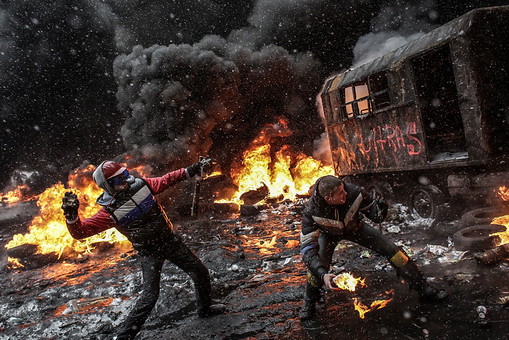
KYJEVSKÝ STATISÍCOVÝ MAJDAN, KTERÝ DOKÁZAL SE ZCELA HOLÝMA RUKAMA
A
ZA OBROVSKÝCH LIDSKÝCH OBĚTÍ SVRHNOUT VLÁDNOUCÍ VLASTIZRÁDNÉ ZLOČINCE
PUTINOVA RUϟϟKÉHO
KGB/GRU, PODPOROVANÉ PO ZUBY VYZBROJENÝMI HRDLŘEZY,
A NESČETNÍ HRDINOVÉ MAJDANU,
KTEŘÍ NÁM K NAŠÍ NEJVYŠŠÍ LIDSKÉ ŠKODĚ
ZATÍM BOHUŽEL ZOUFALE SCHÁZÍ, KDYŽ ANI MY BEZ PODOBNÝCH HRDINŮ
NEBUDEME BOHUŽEL NIKDY V ŽIVOTĚ SKUTEČNĚ SVOBODNÍ...!!!
TA VŮBEC NEJNALÉHAVĚJŠÍ OTÁZKA DNEŠKA PROTO ZNÍ:
MÁ ČESKÝ NÁROD ALESPOŇ TĚCH "50 SPRAVEDLIVÝCH",
BEZ KTERÝCH KAŽDÝ NÁROD NEODVRATNĚ ZAHYNE???
***
Hовости из Киева


BEZ PLNĚ SVOBODNÝCH A PLNĚ MYŠLENKOVĚ PLURALITNÍCH
ČISTĚ ČESKÝCH MASMÉDIÍ V ČISTÝCH ČESKÝCH RUKOU (!!!!!)
NEBUDE V ČECHÁCH NÁRODNÍ ANI INDIVIDUÁLNÍ SVOBODY...!!!
- VE KTERÉM JAKO ZCELA BEZPRÁVNÍ OTROCI ŽIVOŘÍME -
A JEJICH BEZTRESTNÉ PROTIČESKÉ GENOCIDNÍ ZLOČINY!
ZÁSADNÍ ANALÝZA I ŘEŠENÍ: OBČANSKÁ NEPOSLUŠNOST,
jako jediný známý lék na neléčitelnou chronickou mnoha bilionovou vládní kriminalitu
ve státní správě RUSKO-českého kriminálního státu KGB/GRU, České republiky, s.r.o.!
Věznice v Arizoně - vzor hodný následování pro nás, jako to zdaleka nejlepší řešení,
co udělat s "našimi" vládnoucími RUϟϟKO-českými kriminálními "elitami" KGB/GRU!
za nezfalšovanou svobodu:
TAM KDE VLÁDNE BEZPRÁVÍ,
JE ODPOR POVINNOSTÍ...!!!
ale za svobodu je třeba bojovat!!!
Otroci tělem a duší nehledají svobodu,
ale hledají spravedlivějšího pána...!!!
Dnes tedy v tzv. "demokratických" volbách,
které nejsou volbami, ale pouze hlasováním,
protože volby probíhají jinde, jindy a jinak!
To nejstrašnější je dnes šastný otrok,
svými otrokáři nezlomně přesvědčený,
že svobodnější být už ani nemůže...!!!
Celý náš problém spočívá v tom,
že naději na své osvobození
z dnešního zotročení hledáme v druhých,
ale nikdy ne sami v sobě...!!!
Dokud plně nenasadíme do boje za svobodu sami sebe,
dokud nedáme v boji za svobodu v sázku svůj vlastní život,
budeme na svoji skutečnou svobodu čekat vždycky marně...!!!
ZAPOMÍNÁME, ŽE V BOJI MEZI DOBREM A ZLEM, PRAVDOU A LŽÍ,
NELZE BÝT NEUTRÁLNÍ A PŘESTO ZŮSTAT SLUŠNÝ...!!! 5 x viz:

Petr Cibulka: SPASÍ NÁS JEN ŠVÝCARSKÝ MODEL
PŘÍMÉ DEMOKRACIE A ODVOLATELNOSTI POLITIKŮ
PŘÍMO SAMOTNÝMI OBČANY - DAŇOVÝMI POPLATNÍKY!!!

https://www.youtube.com/watch?v=h_GOSkutJiA
RUϟϟOVÉ JSOU HLUBOCE PŘESVĚDČENI,
ŽE NEJVYŠŠÍ JEDNOTKOU ZBABĚLOSTI
JE JEDEN OBČAN NAŠÍ ČESKÉ REPUBLIKY
A TUTO JEDNOTKU LZE UŽ POUZE DĚLIT...
PROTO SE CHOVAJÍ JAK DOMA VE STEPI!!!
***
Televizní dokument: "Naše" Karlovy Vary KGB/GRU dnes = ruϟϟká kriminální okupace!
Ruϟϟové se dnes v našich Karlových Varech chovají jak ve vojensky obsazené zemi
a dělají si
zde zcela beztrestně naprosto co chtějí, jako někde doma na Sibiři...!!!
VIDEO: RUϟϟKÁ STÁTNÍ KRIMINÁLNÍ MAFIE KGB/GRU A NAŠE = JEJICH IVANOVO VARY!
RUϟϟKÝ STÁTNÍ ORGANIZOVANÝ ZLOČIN KGB/GRU OVLÁDÁ VE SPOLUPRÁCI SE SVÝM
RUSKO-ČESKÝM STÁTNÍM ORGANIZOVANÝM ZLOČINEM UŽITEČNÝCH IDIOTŮ KGB/GRU
5.KOLONY MOSKVY CELÉ ZÁPADNÍ RUSKO NAŠEHO=JEJICH KARLOVARSKÉHO
KRAJE!
na oslavu ruϟϟkých okupantů, jako krajně agresivní protičeskou provokaci
a my k tomu mlčíme, tak jako jsme mlčeli vždycky, i když bychom naopak
k tak extrémní ruϟϟké protičeské provokaci mlčet rozhodně neměli...!!!
10 lipca 2013 r. grupa patriotów - bez zgody ambasady Roϟϟji - spróbowa³a
w³asnymi si³ami usun¹æ pomnik NKWD w Katowicach!!!
AUTENTICKÝ
UKRAJINSKÝ VIDEO DOKUMENT TÉ NEJVYŠŠÍ DŮLEŽITOSTI:
KYJEVSKÝ STATISÍCOVÝ MAJDAN, KTERÝ DOKÁZAL SE ZCELA HOLÝMA RUKAMA
A
ZA OBROVSKÝCH LIDSKÝCH OBĚTÍ SVRHNOUT VLÁDNOUCÍ VLASTIZRÁDNÉ ZLOČINCE
PUTINOVA RUϟϟKÉHO
KGB/GRU, PODPOROVANÉ PO ZUBY VYZBROJENÝMI HRDLŘEZY,
A NESČETNÍ HRDINOVÉ MAJDANU,
KTEŘÍ NÁM K NAŠÍ NEJVYŠŠÍ LIDSKÉ ŠKODĚ
ZATÍM BOHUŽEL ZOUFALE SCHÁZÍ, KDYŽ ANI MY BEZ PODOBNÝCH HRDINŮ
NEBUDEME BOHUŽEL NIKDY V ŽIVOTĚ SKUTEČNĚ SVOBODNÍ...!!!
TA VŮBEC NEJNALÉHAVĚJŠÍ OTÁZKA DNEŠKA PROTO ZNÍ:
MÁ ČESKÝ NÁROD ALESPOŇ TĚCH "50 SPRAVEDLIVÝCH"?
***Z JEJICH OMYLU JE MUSÍME PROBUDIT,
PROTOŽE RUϟϟKOU PLÍŽIVOU OKUPACI
- PODPOROVANOU JEJICH 5. KOLONOU
KGB/GRU UŽITEČNÝCH IDIOTŮ MOSKVY -
ŽÁDNÝM JINÝM ZPŮSOBEM NEZASTAVÍME!
Musíme udělat vše možné i nemožné pro to,
aby se vlastizrádná špionáž pro Ruϟϟko
stala tou nejrizikovější činností na světě,
vhodnou jen pro pevně rozhodnuté sebevrahy!
Je to naštěstí velice snadné, rychlé a levné!!! Viz:
A) http://www.cibulka.net/petr/view.php?cisloclanku=2007120601
B) http://www.cibulka.net/petr/view.php?cisloclanku=2006091703
Pod vedením ruϟϟkých fízlů
se Ruϟϟku neubráníme! Viz:
http://www.cibulka.net/petr/view.php?cisloclanku=2014010034
http://www.cibulka.net/petr/view.php?cisloclanku=2007122402
http://www.cibulka.net/petr/view.php?cisloclanku=2014050117
http://www.cibulka.net/petr/view.php?cisloclanku=2014050146
http://www.cibulka.net/petr/view.php?cisloclanku=2009111706
A JEHO KLEPTOKRACII
HTTP://WWW.CIBULKA.NET/PETR/VIEW.PHP?CISLOCLANKU=2014050168
+ UŽITEČNÉ IDIOTY
5. KOLONY MOSKVY
V ŽOLDU KGB/GRU,
OVLÁDAJÍCÍ ZÁPAD
A JEN MÁLO KDY
SE SPLETEME!!! 5 x viz:
1) Všechny národy světa si jsou zcela rovny,
pouze jeden mezi nimi si je rovnější...!!!
2) Všechny státy světa si jsou zcela rovny,
pouze jeden mezi nimi si je rovnější...!!!
3) Všichni lidé světa si jsou zcela rovni,
pouze satanská Rasa Lidí Zla si je rovnější!!!
Pro všechny nevěřící důkazy jsou k disposici zde:
http://www.cibulka.net/petr/view.php?cisloclanku=2014110028
Spisovatel Jakub Deml nám o dnešním Ruϟϟku říká:
Nanejvýš doporučená literatura: Dr. Antoni Ferdynand Ossendowski: ZEMÍ LIDÍ, ZVÍŘAT A BOHŮ: V ZEMI SATANOVĚ, díl 1. a 2., viz:
A) http://www.antikvariat-5d.cz/searchSimpleResult.aspx?q=ossendowski&cmid=1&B) http://muj-antikvariat.cz/hledani?q=Ossendowski&search_sub=Hledat
"Proč mají Ruϟϟové sklony k nesmyslným expanzím?" zeptal jsem se jednou Lery Novodvorské a ona mi dala tuto odpověï. „Protože v krvi každého Ruϟϟa je část mongolské krve. To je rovněž i důvod, proč nejsou schopni pracovat rukama. Pro barbara nemá smysl každodenně rozvíjet svůj um v jakékoliv činnosti. Pro štěstí Ruϟϟka je tedy třeba zabírat stále nové země. Proč? Já nevím." Z internetové diskuse pod článkem, v němž poslanec ruϟϟké dumy Michail Děgarjev navrhuje zahájit vojenské operace proti Evropě a obsadit ji, když Evropa v rukou 5. kolony užitečných idiotů Moskvy v žoldu KGB/GRU předstírá, že se jí to netýká... Pro všechny nevěřící nepoučitelné notorické obdivovatele Ruϟϟka důkazy jsou k disposici zde: http://www.cibulka.net/petr/view.php?cisloclanku=2014070091.
V červenci 2005, v interview pro polský deník Rzeczpospolita, uprchlík z ruϟϟké FSB/KGB Alexander Litviněnko sdělil, že zástupce velitele al-Káidy, Ajman al--Zawahiri, (dnes už nejvyšší velitel al-Káidy!) je „starý agent FSB". Autor politických statí a bývalý důstojník KGB Konstantin Preobraženskij vyjádření Litviněnka potvrdil a uvedl: „[Litviněnko] byl zodpovědný za zajištění utajení příjezdu al-Zawahiriho do Ruϟϟka. Al-Zawahiriho školili instruktoři FSB v Dagestánu, severní Kavkaz, v období 1996–1997.” Preobraženskij dále uvádí: „Litviněnko v tu dobu šéfoval pododdělení pro mezinárodně hledané teroristy při Prvním oddělení operativně-vyšetřovacího ředitelství protiteroristické sekce FSB. Dostal rozkaz ujmout se delikátního úkolu a zajistit, aby ruϟϟká policie al-Zawahiriho nevědomky neprozradila. Přestože FSB dostala al-Zawahiriho do Ruϟϟka na falešný pas, mohlo se stát, že policie se o jeho příjezdu dozví a nahlásí jej Moskvě k ověření. Takový proces by al-Zawahiriho mohl odhalit jako agenta FSB.”
Ve svém červencovém interview v roce 2005 Litviněnko deníku Rzeczpospolita podrobně popsal roli Ruϟϟka coby původce současného terorismu. Uvedl: „Znám pouze jednu organizaci, která z terorismu učinila hlavní nástroj k řešení politických problémů. Jsou to ruϟϟké zvláštní služby. KGB už hodně let praktikuje terorismus a masový terorismus. Na zvláštním oddělení KGB trénovali teroristy prakticky ze všech zemí světa. Tyto kurzy zpravidla trvaly půl roku. Speciálně vycvičení a připravení agenti KGB organizovali vraždy a exploze včetně výbuchů tankerů, únosy civilních letadel a útoky na diplomatické, státní a obchodní organizace po celém světě.” Litviněnko dodal, že agenti ruϟϟkých KGB/FSB jsou „ti nejkrvavější teroristé na světě”... Uvedl pak jména, jako například Iljič Ramirez Sanchez (Carlos nebo Šakal — pozn. překl.), Jásir Arafat, Saddám Husajn a mnoho dalších.
Podle svědectví Litviněnka „všechny tyhle osoby a hnutí fungovaly pod svými vlastními slogany; nicméně, nikdo z nich v podstatě neskrýval svůj „intimní“ ... vztah s Kremlem a Ljubljankou. Položme si jednoduchou otázku. Školily a financovaly by ruϟϟké zvláštní služby lidi a skupiny, které by nebyli pod dohledem Ljubljanky a nesloužili by zájmům Kremlu? Odpověï je jasná. Nikoliv. Každý teroristický čin, uskutečněný těmito lidmi, byl proveden jako zvláštní úkol, a to pod přísnou kontrolou KGB a SSSR.”
Na otázku, zda tento terorismus pokračuje i za postsovětského vedení, Litviněnko varoval, že „centrum globálního terorismu není v Iráku, Iránu, Afghánistánu nebo v Čečenské republice. Teroristická infekce se do celého světa šíří z paláce Ljubljanka a z vládního Kremlu. A DOKUD NEBUDOU RUϟϟKÉ ZVLÁŠTNÍ SLUŽBY POSTAVENY MIMO ZÁKON, ROZPRÁŠENY A ZAVRŽENY, TAK SE TERORISMUS NIKDY NEZASTAVÍ.” Zhruba 16 měsíců po svém veřejném prohlášení o propojení KGB a al-Káidy byl Litviněnko, už jako britský občan, otráven v baru londýnského hotelu dvěma ruϟϟkými důstojníky KGB přímo z ochranky Kremlu, kteří mu do čaje přimíchali radioaktivní polonium 210. Zemřel v listopadu 2006, když Británie se neodvážila vraždu svého občana vyšetřit... Vrah Alexandera Litviněnka, důstojník KGB Andrej Lugovoj, byl za tento odporný barbarský zločin vyznamenán osobně ruϟϟkým presidentem Putinem nejvyšším státním vyznamenáním "nového demokratického Ruϟϟka" starého KGB a stal se z něho poslanec ruϟϟkého parlamentu s doživotní imunitou!!! Všichni západní politici a novináři k tomu poslušně, disciplinovaně a zbaběle mlčí, aby se naskenované agenturní svazky o jejich vlastizradě pro KGB/GRU "náhodou" neobjevily na Internetu... Rozluštění tohoto standardního vražedného příběhu "nového demokratického Ruϟϟka" starého KGB a jeho nesčetných vysoce postavených západních užitečných idiotů v politice a masmédiích v rolích jeho slepě oddaných a dobře z Moskvy či Bruselu řízených ochránců - postupujících už po generace proti nám pod heslem naše Satanské Impérium Zla Ruϟϟko si démonizovat nenecháme - pak najdeme zde:
A) http://www.cibulka.net/petr/view.php?cisloclanku=2011100022
B) http://www.cibulka.net/petr/view.php?cisloclanku=2010041903
Bývalý
zástupce
ředitele rumunských zpravodajských služeb generál Jon Mihaj Pacepa
vydal svědectví
o angažovanosti Ruϟϟka v mezinárodním terorismu v srpnu 2006, aniž na
to kdokoliv ze zodpovědných politiků a novinářů Západu dodnes sebeméně
reagoval, anebo alespoň přestal opakovat od počátku až do konce
absolutně lživé a pro nás sebevražedné kremelské zaklínadlo, že "Ruϟϟko je největší spojenec Západu v boji proti světovému terorismu", když každý kdo chce vědět dobře ví, že RUϟϟKO JE JAKO SPOJENEC MNOHONÁSOBNĚ NEBEZPEČNĚJŠÍ NEŽ JAKO ÚHLAVNÍ NEPŘÍTEL!!! Generál Pacepa: „Dnešní
mezinárodní terorismus se zrodil v Ljubljance, na ústředí KGB... Byl
jsem svědkem jeho zrodu ve svém jiném životě, kdy jsem byl komunistickým
generálem.” Viz:
http://www.cibulka.net/petr/view.php?cisloclanku=2011080038
Při
aplikaci ruϟϟkého Strategického plánu na rozvrácení a ovládnutí Západu hrají drogy a terorismus obzvláš důležitou roli. Ruϟϟký historik Vladimír Bukovský přesvědčivým způsobem prokázal, že za současným světovým terorismem stojí Ruϟϟko,
když na položenou otázku odpověděl následujícími slovy a doplnil
je
stovkami nevyvratitelných unikátních důkazů přímo z presidentského
archivu Kremlu, ke kterým mu umožnil přístup v polovině 90. let Jelcin, o
které nikdo z politiků a novinářů
Západu dodnes neprojevil sebemenší zájem: „Zcela
určitě. Můžu vám ukázat stovky dokumentů, které to dokazují. Jak
zásobovali, cvičili, zřizovali a — řídi snad každou teroristickou
organizaci na světě. Tyto dokumenty mám.“
Viz následující naskenované originální dokumenty v ruštině a v
anglickém překladu, které jsou pro všechny zájemce k disposici už
desítky let zcela zdarma na Internetu na:
http://psi.ece.jhu.edu/~kaplan/IRUSS/BUK/GBARC/pdfs/sovter75/sovter75-e.html
NEKOMPLETNÍ ČTYŘDÍLNÝ ČESKÝ TERORISTICKÝ SERIÁL
KTERÝ POLITICI A NOVINÁŘI DESETILETÍ ZATAJUJÍ!!!
DOKUMENTY ZVEŘEJNĚNÉ ŘÍMSKOU PROKURATUROU: PRAHA A CELOSVĚTOVÝ TERORISMUS KREMLU! Zápis svědeckých výpovědí k únosu a zavraždění předsedy italské vlády Alda Mora!!!
http://www.cibulka.net/petr/view.php?cisloclanku=2011042006
Zápis
z Policejního úřadu v Římě z 1.6.1998 Římské prokuratuře – zpráva o
svědecké výpovědi novináře Biloslava z časopisu Panorama!!!
http://www.cibulka.net/petr/view.php?cisloclanku=2011042005
Zpráva
italské tajné služby SISDE, s označením TAJNÉ, z 21.7.1998, o naprosté
neochotě vlády "nového demokratického Československa" pomoci
demokratickému Západu v jeho boji proti celosvětovému komunistickému
terorismu, řízeného Moskvou!!!
http://www.cibulka.net/petr/view.php?cisloclanku=2011042004
http://www.cibulka.net/petr/view.php?cisloclanku=2011042003
Ruϟϟký básník Peter Pomerancev: Ve svém životě vidím souboj mezi absolutním Zlem a zlem. Takže jsem na straně zla. Ukrajina je nyní v přední linii boje s diktaturou, Zlem, agresí a tmářstvím. V této situaci se chtě nechtě přikláním na stranu Ukrajiny. V Ruϟϟku vykreslují vůdce revoluce za svobodu jako fašisty. Je to jediná šance, jak Ruϟϟy přesvědčit, že jsou nyní na straně dobra – že odporují fašistům. Je to svého druhu dobrovolné delirium, přicházející z Moskvy. Potřebují nepřítele. Potřebují alibi pro okupaci a zasahování. Lidé propagandě věří, protože chtějí věřit. Pokud uvěříte nenáročné vládní propagandě, znamená to, že nemusíte chodit na náročné protivládní demonstrace. Lidé proto přesvědčují sami sebe, protože mají strach protestovat... Ruϟϟko je dodnes mentálně na začátku 19. století, kdy se svářila dvě křídla filozofů a myslitelů – zapadnici a ruϟϟofilové. Později už Ruϟϟko nevyprodukovalo žádné skutečné filozofy v západním slova smyslu. Dodnes jeho učenci diskutují stále stejný problém, jakoby nedošlo k žádnému intelektuálnímu nebo politickému pohybu. Stále se hádají, jestli jsou Evropané, nebo ne. Pokud jde o dominantní charakteristiku ruϟϟké kultury, obávám se, že destruktivní živel převažuje nad konstruktivním. RUϟϟOVÉ JSOU SVĚTOVÍ MISTŘI V SEBEDESTRUKCI A LIKVIDACI OSTATNÍCH. SEBEVRAŽEDNÝ, DESTRUKTIVNÍ PRVEK JE V RUϟϟKÉ KULTUŘE A MENTALITĚ PŘEVLÁDAJÍCÍ. (Ruϟϟko je dnes na 1. místě na světě v počtu sebevražd mladých lidí, rovněž tak v alkoholismu a konzumaci drog a v počtu vražd na 100.000 obyvatel Ruϟϟko předstihlo USA, dokonce 5x a Evropu 15x-20x...!!! V míře civilizovanosti je tomu - i přes nesouhlasné propagandistické vytí všech západních politiků a novinářů v žoldu KGB/GRU - přesně naopak... Máme se tedy od Ruϟϟka na co těšit...!!!) KAŽDÝ RUϟϟKÝ REŽIM JE JAKO RAKOVINA. Komunismus v Ruϟϟku skončil, ale ruϟϟký stát stejně vypadá jako napadený rakovinou. A přirozeností rakoviny je šířit se, jinak zemře. Obávám se, že tohle je jádrem, klíčovým rysem civilizace, která se nazývá ruϟϟká. Vždy je třeba k vítězství nad rakovinou mobilizovat všechny síly, které jsou k disposici a věřit, že to bude stačit. Prvním cílem všech opatření by měla být záchrana našeho, západního světa. Měli bychom myslet na sebe, abychom dokázali uchovat si své morální a emoční zdraví. Zavést politickou a vojenskou karanténu, aby rakovina neměla šanci rozšířit se po Evropě. Viz: http://www.cibulka.net/petr/view.php?cisloclanku=2014080028
A) http://www.cibulka.net/petr/view.php?cisloclanku=2010042007
B) http://www.cibulka.net/petr/view.php?cisloclanku=2010011301
http://www.cibulka.net/petr/view.php?cisloclanku=2014110028
Podívejme se, jak to všechno začíná i jak to pak vždycky končí...!!! Viz:
PERMANENTNÍ
CELOSVĚTOVÁ
RUϟϟKÁ VÁLKA,
KTERÁ NIKDY
NEKONČÍ!!! Viz:
AϟϟYMETRICKÉ
PERMANENTNÍ SKRYTÉ
VÁLKY NA ROZVRÁCENÍ
A OVLÁDNUTÍ SVĚTA:
NEJLEPŠÍ VÁLKA JE TA
O NÍŽ NAPADENÝ NEVÍ
PROTOŽE SE AGRESI
NEMŮŽE BRÁNIT...!!!

ABYCHOM SE UBRÁNILI
PAK MUSÍME VĚDĚT:
RUϟϟKO
=
NELIDSKÁ
ASIATSKÁ
STEPNÍ(!!!)
VÁLEČNÁ
LSTIVOST,
NA NÍŽ
NEMÁME!

http://uloz.to/hledej?q=Soviet+Story
https://www.youtube.com/results?search_query=Soviet+Story
UNIKÁTNÍ RUϟϟKO - POLSKÝ DOKUMENT BEZ CENZURY:
ORWELLOVO MONGOLSKÉ RUϟϟKO VČERA, DNES, ZÍTRA:
POCHOD DŽINGISCHÁNOVÝCH "OSVOBODITELŮ"...!!! Viz:


a&hs=ol5&rls=org.mozilla:cs-CZ:official&tbm=isch&tbo=u
&source=univ&sa=X&ei=L4cMVevBMY3tav7ugIgH
&ved=0CJEBEIke&biw=1278&bih=905

&rls=org.mozilla:cs-CZ:official&tbm=isch&tbo=u&source=univ
&sa=X&ei=mI4yVZ7sOcrjywOj0YCYDA&ved=0CEMQsAQ&biw=1278&bih=880
a&hs=ol5&rls=org.mozilla:cs-CZ:official&tbm=isch&tbo=u
&source=univ&sa=X&ei=L4cMVevBMY3tav7ugIgH
&ved=0CJEBEIke&biw=1278&bih=905

MAĎARSKO 1956:
BOJ PROTI RUϟϟKÉ VOJENSKÉ OKUPACI A NELIDSKÉ TOTALITĚ:
DOKUMENT NA OSLAVU HRDINSTVÍ BOJOVNÍKŮ ZA SVOBODU!!!
NA RUKOU POLITIKŮ A NOVINÁŘŮ ZÁPADU LPÍ KREV VŠECH
BOJOVNÍKŮ ZA SVOBODU PROTI MARX-SATANSKÉ TOTALITĚ
V RUϟϟKU, EVROPĚ, AMERICE A NA CELÉM SVĚTĚ...!!! Viz:

https://www.google.cz/search?q=BERL%C3%8DN+1953&client=firefox-a&hs=Los
&rls=org.mozilla:cs-CZ:official&tbm=isch&tbo=u&source=univ
&sa=X&ei=mI4yVZ7sOcrjywOj0YCYDA&ved=0CEMQsAQ&biw=1278
&bih=880#rls=org.mozilla:cs-CZ:official&tbm=isch&q=BUDAPEST+1956


ČESKÝ DOKUMENT "ČEČENSKÁ VÁLKA":
BEZTRESTNÁ NACISTICKÁ RUϟϟKÁ
GENOCIDA CIVILISTŮ NA KAVKAZE
PŘED PUTINOVOU "ZIMNÍ" SUB - TROPICKOU OLYMPIÁDOU V SOČI:
RUϟϟKÝ SCÉNÁŘ PRO
UKRAJINU A EVROPU
JAKO HITLEROVSKÉ KONEČNÉ ŘEŠENÍ!!! Viz:

http://www.cibulka.net/petr/view.php?cisloclanku=2014110028
UKRAJINA 2014/16:
SATANSKÁ RUϟϟKÁ VÁLEČNÁ AGRESE = HISTORIE RUϟϟKÉ
ROZVRATNÉ INFILTRACE A VLASTIZRADY 5. KOLONY KGB/GRU!

https://www.google.cz/search?q=UKRAJINSK%C3%81+V%C3%81LKA+2014&client=firefox
-a&hs=PFi&rls=org.mozilla:cs-CZ:official&tbm=isch&tbo=u&source=univ&
sa=X&ei=i_83VabZJsmvsQGWrIG4DA&ved=0CFMQsAQ&biw=1278&bih=905


AKVÁRIUM: SLOUŽIL JSEM V RUϟϟKÉM GRU!
Polský film podle slavné knihy dezertéra
ruϟϟké špionáže GRU a SPECNAZ Viktora Suvorova!

ZATÍM GRU NEVYMAZANÝ FILM AKWARIUM
JE KE STAŽENÍ A ŠÍŘENÍ K DISPOSICI ZDE:
https://www.youtube.com
/results?search_query=AKWARIUM+GRU
PUTIN BEZ CENZURY = ADOLF HITLER 1933 - 39...!!!
Bez Fikcji. Ustrój Putina - Scenariusz Bez Alternatywy


RUϟϟKO, TĚŽCE NEMOCNÁ ZEMĚ,
TĚŽCE NEMOCNÝCH LIDÍ...!!! Viz:
http://www.cibulka.net/petr/view.php?cisloclanku=2015050012
RUϟϟKO BEZ CENZURY: Шокирующие факты о Роϟϟии!!!
(V Ruϟϟku - i na Západě - zakázaný video dokument...!!!)
O Prusku se v 18. století říkalo, že to není stát, který má armádu, ale armáda, která má vlastní stát. Podobně se o dnešním Ruϟϟku dá říct, že to není stát, který má zvláštní služby, ale jsou to zvláštní služby, které mají vlastní stát. O totéž s úspěchem usilují promoskevské tajné služby v "bývalých" satelitech Kremlu, ale i všude jinde...
Grzegorz Górny,šéfredaktor polského časopisu Fronda
1. http://www.cibulka.net/petr/view.php?cisloclanku=2005112601
2. http://www.cibulka.net/petr/view.php?cisloclanku=2011010301


Co se vlastně změnilo od stalinských dob?
Tehdy
tajnou politickou policii řídil Stalin,
dnes by tajná politická policie řídila jeho.
Náš západní neo-marxistický svět ale dělá,
že to nevidí. Satanské Zlo (si) nás přitahuje!
1. http://www.cibulka.net/petr/view.php?cisloclanku=2007051901
2. http://www.cibulka.net/petr/view.php?cisloclanku=2013060012
3. http://www.cibulka.net/petr/view.php?cisloclanku=2010041001
4. http://www.cibulka.net/petr/view.php?cisloclanku=2010063002
POSLECHNĚME SI, ČEHO SE DNES VLÁDNOUCÍ KRIMINÁLNÍ A VLASTIZRÁDNÁ
RUϟϟKO - EURO - AMERICKÁ FÍZLOKRACIE KGB / GRU ZE VŠEHO NEJVÍC BOJÍ:
1. http://www.cibulka.net/petr/view.php?cisloclanku=2013110011
2. http://www.cibulka.net/petr/view.php?cisloclanku=2013120009
PETR CIBULKA V RADIOŽURNÁLU A ČESKÉ TELEVIZI:
/UCKg2SOtcL-fj79WtM84ckQA/videos
https://www.youtube.com/watch?v=7LoaQ2YABvs (2015)
https://www.youtube.com/watch?v=wuqfniG8UkQ&list=UUv4yIkbll8R_IswNc25GrOQ (2014)
https://www.youtube.com/watch?v=B6rRuDd5ZvU&
list=UUv4yIkbll8R_IswNc25GrOQ (2014)
https://www.youtube.com/watch?v=E5k7ABsdsbU&list=UUv4yIkbll8R_IswNc25GrOQ (2014)
https://www.youtube.com/watch?v=TOdhz_o7xOA&
list=UUv4yIkbll8R_IswNc25GrOQ (2013)
https://www.youtube.com/watch?v=_xPTh-
HpAvg&list=UUv4yIkbll8R_IswNc25GrOQ (2012)
https://www.youtube.com/watch?v=k_EJMQEKFYY&
list=UUv4yIkbll8R_IswNc25GrOQ&noredirect=1 (2012)
https://www.youtube.com/watch?v=G1HE_YO6N_Q&list=UUv4yIkbll8R_IswNc25GrOQ (2011)
https://www.youtube.com/watch?v=j3VMDUR3cEI (2011)
https://www.youtube.com/watch?v=DOcbueU1e4g&
list=UUuSTKhBBcFpC6VRJQ7VWt_A (2010)
https://www.youtube.com/watch?v=4fU7cakP2QE&list=UUv4yIkbll8R_IswNc25GrOQ (2010)
https://www.youtube.com/watch?v=ibPxuVmam_c (2010)
https://www.youtube.com/watch?v=p9jBGyK3Sh4&
list=UUv4yIkbll8R_IswNc25GrOQ (2009)
https://www.youtube.com/watch?v=q4c7RMbWFF0 (2009)
https://www.youtube.com/watch?v=u3M7-xAiV6s&
list=UUv4yIkbll8R_IswNc25GrOQ (2009)
https://www.youtube.com/watch?v=D7lYqXvIYL4&
list=UUuSTKhBBcFpC6VRJQ7VWt_A (2009)
list=UUv4yIkbll8R_IswNc25GrOQ (2009)
https://www.youtube.com/watch?v=7VxbDYGan60&
list=UUv4yIkbll8R_IswNc25GrOQ (2008)
https://www.youtube.com/watch?v=SKGYftMA234&list=UUv4yIkbll8R_IswNc25GrOQ (2008)
https://www.youtube.com/watch?v=ga2eazZfz5Q&
list=UUuSTKhBBcFpC6VRJQ7VWt_A (2007)
list=UUv4yIkbll8R_IswNc25GrOQ (2007)
https://www.youtube.com/watch?v=hHX_xqrhEhc&
list=UUuSTKhBBcFpC6VRJQ7VWt_A (2007)
https://www.youtube.com/watch?v=XtgafHjHvsM&
list=UUuSTKhBBcFpC6VRJQ7VWt_A (2006)
https://www.youtube.com/watch?v=xwj3JxHrAmQ (2004)
https://www.youtube.com/watch?v=AOCgpDnu2cU (2002)https://www.youtube.com/watch?v=8nMMA6WyNSU (2000)
https://www.youtube.com/watch?v=DDJmCKcbz0o&
list=UUuSTKhBBcFpC6VRJQ7VWt_A (1999)
Posluchači živého vysílání Českého rozhlasu, jehož záznam následuje, byli šokováni neuvěřitelnými manipulacemi se zvukem, kdy Petra Cibulku, na rozdíl od reprezentantů ruϟϟko-české kriminální fízlokracie KGB a GRU, nebylo ve vysílání téměř slyšet, zatím co redaktorku a pověřenou politickou cenzorku - podle všech dostupných informací, s pravděpodobností hraničící s jistotou, ruϟϟkou agentku KGB, GRU a jimi řízené a námi placené BIS - která ve studiu slyšet téměř nebyla, zvukaři Čro učinili daleko nejhlasitější, aby zakryla silou svého uměle zesíleného hlasu všechno, co podle názoru vládnoucí ruϟϟko-české zločinecké a vlastizrádné fízlokracie KGB/GRU čeští občané nesmí slyšet...!!! Aktuální internetová verze záznamu je však už úplně jiná...
Jedná se o těchto OSM NEJDŮLEŽITĚJŠÍCH BODŮ, promítnutých do volebního programu politické strany Volte Pravý Blok www.cibulka.net - když Marxovi vítězní satanisté, viz http://www.cibulka.net/petr/view.php?cisloclanku=2008092003 plus http://www.cibulka.net/petr/view.php?cisloclanku=2013040019, vytvořili nad celou lidskou společností neprodyšný umrtvující příklop skrytě totalitních politicko-masmediálních lží, manipulací a nekonečné kriminality, jenž musíme prorazit - které pro zlomení veškeré kriminální moci nad námi a pro záchranu demokracie a svobody českého národa i celé Evropy je nutno co nejdříve vybojovat a zavést do praxe:
Úvodní motto:
“Kapitalismus vytvořil proletariát, ale nikoliv tím,že učinil někoho chudším, než byl, nýbrž tím,
že umožnil přežít mnoha lidem, kteří by jinak nepřežili.”
Friedrich August von Hayek, nositel Nobelovy ceny za ekonomii,
autor slavné protimarxistické knihy CESTA DO OTROCTVÍ - viz:
http://www.kosmas.cz/knihy/122287/CESTA-DO-OTROCTVI/
1) Program úplné a ruϟϟkými fízly KGB a GRU nezfalšované
švýcarské PŘÍMÉ demokracie a americké odvolatelnosti politiků a z
našich kapes placených úředníků PŘÍMO občany! (Nikdy nezapomeňme na
vysoce úspěšné dezinformační potěmkinovské projekty a na jeden z jejich nejdůležitějších termínů FALEŠNÁ OPOZICE v provedení ruϟϟkého KGB nebo
GRU, jako jsou "strana přímé demokracie Věci veřejné" Víta Bárty, "Úsvit
přímé demokracie" dalšího ruϟϟkého fízla Okamury a na mnohé další
falešné představitele "přímé demokracie" v ruϟϟkém provedení a režiii,
které KGB a GRU vyzdvihnou ve svých RUϟϟKO-českých masmédiích před
každými volbami vždy pouze proto, aby tímto svým tradičním neuvěřitelně
primitivním a laciným způsobem velice úspěšně zmátli české voliče a
odvedli je od podpory jediné ryze české a ryze evropské - pro asiatskou
RUϟϟKO-českou fízlokracii KGB/GRU svým protikriminálním a protitotalitním
programem skutečně nebezpečné - autentické politické strany nezfalšované a úplné švýcarské přímé demokracie a americké odvolatelnosti politiků a úředníků přímo občany, Volte Pravý Blok www.cibulka.net!) TŘI NEJDŮLEŽITĚJŠÍ VĚCI,
které si musíme proti dokonale odlidštěné RUϟϟKO-české a RUϟϟKO-evropské
fízlokracii KGB/GRU dokázat vybojovat, pokud nechceme zůstat na věčné
časy a nikdy jinak pouze jejich ožebračenými bezprávnými otroky, které
naši otrokáři ihned po použití jako přítěž s ledovým klidem odloží:
A) http://www.cibulka.net/petr/view.php?cisloclanku=2005072501
B) http://www.cibulka.net/petr/view.php?cisloclanku=2010013005
C) http://www.cibulka.net/petr/view.php?cisloclanku=2004040701
2) Vzdělávací program postupné ale úplné psychotronizace občanské společnosti "vševědoucí občan"
- tedy program překonání naší dosavadní psychotronické negramotnosti
zvládnutím základní práce se siderickým informačním kyvadlem, což je
otázkou pěti minut, když nejjednodušší kurz práce se siderickým
informačním kyvadlem - a tím nejrychlejší cesta k dosažení relativní
občanské vševědoucnosti, které se vládnoucí RUϟϟKO-česká vlastizrádná
kriminální spodina KGB/GRU dnes tak bojí - je jako psychotronické
minimum k disposici zde, A, pro pokročilejší zde, B a pro vysoce pokročilé zde, C a zde, D:
A) http://www.cibulka.net/petr/view.php?cisloclanku=2007120601
B) http://www.cibulka.net/petr/view.php?cisloclanku=2013120009
C) http://www.cibulka.net/petr/view.php?cisloclanku=2013120018
D) http://www.cibulka.net/petr/view.php?cisloclanku=2013120017
3) Zákon o povinném majetkovém přiznání od roku 1990, provedeném na základě všech oficiálně podaných daňových přiznání, a to ve třech krocích:
a) Pro majetky nad 1 miliardu Kč.
b) Pro majetky nad 100 milionů Kč.
c) Pro majetky nad 10 milionů Kč.
Kdo naprosto
hodnověrným a ověřitelným způsobem neprokáže, že svůj majetek získal
poctivě, tomu bude majetek zkonfiskován a on bude potrestán vysokým
trestem odnětí svobody. Tento zákon vyčistí českou společnost do značné
míry od vládnoucích RUϟϟKO-českých kriminálních "elit", téměř bez výjimky
vše v žoldu satanských ruských KGB/GRU! Zbytek dokončí zákon o národní a státní spolehlivosti - provedený na základě prosazení rozhodujícího zákona "vševědoucí občan", viz bod číslo 2
- který se bude vztahovat na všechny české občany a cizince, kteří se
nachází na území České republiky, anebo by chtěli na její území
vstoupit. Viz:
http://www.cibulka.net/petr/view.php?cisloclanku=2009111706
4) Zákon o uvalení celoevropského embarga na dovoz veškerého zboží a potravin z ultra totalitní komunistické Číny, která za nečinného přihlížení západních marx-satanských normotvorných politických a masmediálních pseudo elit vyvraždila 100 milionů svých vlastních občanů, čímž překonala i marx-satanské socialistické Rusko - takže marxista a socialista Adolf Hitler je ve srovnání s tradičně hluboce antisemitským Ruskem a zejména s dnešní marx-satanskou komunistickou Čínou naprostý lidumil - a zotročila a ožebračila ty ostatní, takže produkci dnešní nelidsky totalitní otrokářské Číny nemůže žádná civilizovaná demokratická země vůbec konkurovat! Dnešní neomezený dovoz z komunistické Číny tak likviduje nejenom naši Evropu, ale celý židokřesanský Západ, nacházející se dnes rovněž pod nadvládou kriminálních neo-marxistických satanských elit!
5) Zákon o uvalení celoevropského embarga na dovoz veškeré energie ze skrytě totalitního kágébáckého Ruϟϟka
- kterou Evropa díky marx-satanskému Bruselu a Berlínu nakupuje od Ruϟϟka
4x dráž než jsou světové ceny a tímto způsobem, na náš úkor, pomáhají
bruselští marxisté udržovat ruϟϟký teroristický režim u moci - a
orientace Evropy na domácí těžbu břidličných plynů, které máme k
disposici v dostatečném množství a jsou několikanásobně levnější než
současný dovoz z Ruϟϟka, který Evropu a její průmysl zbavuje
konkurenceschopnosti a tím ji spolu s dovozem zboží a potravin z
marxistické Číny skrytě a plíživě likviduje. Viz:
A) http://www.cibulka.net/petr/view.php?cisloclanku=2013090006
B) http://www.cibulka.net/petr/view.php?cisloclanku=2011050516
6) Zákon o národní a státní spolehlivosti,
přijatý proti stále se stupňujícím snahám agresivního putinovského
kágébáckého Ruϟϟka a jeho vnitroevropské vysoce postavené politické a
masmediální protievropské agentury o rozbití Evropy a její rozložení až
na prvočinitele, protože pro skrytě totalitní Ruϟϟko je pohlcení celé
Evropy obtížnější, než její pohlcení po částech. Viz:
http://www.cibulka.net/petr/view.php?cisloclanku=2009111706
7) PROSAZENÍ KVALITATIVNÍ DEMOKRACIE VÁŽENÉHO VOLEBNÍHO HLASU: NESMÍME
UŽ NIKDY PŘIPUSTIT, ABY HLAS NEJVĚTŠÍHO HLUPÁKA NAŠÍ PLANETY MĚL
STEJNOU VÁHU, JAKO HLAS NEJVĚTŠÍHO MUDRCE, PROTOŽE PODLE TOHO NÁŠ SVĚT
TAKY DNES VYPADÁ A NELZE V NĚM SLUŠNĚ ŽÍT! Kdo nevěří, důkazy jsou k disposici zde: MODERNÍ APOKALYPSA HRŮZOVLÁDY "DOBRA": OTROKÁŘSTVÍ VYŠŠÍHO ŘÁDU NASTUPUJE...!!! Parametry demokracie
váženého volebního hlasu, důvodovou zprávu a dosavadní
zkušenosti
lidstva při řešení tohoto problému jsou v nejdokonalejší a nejúplnější
podobě shrnuté v prastarém Manuově zákoníku, který vychází z nejvyšších
duchovních a mravních principů Lidstva a tyto principy nejúčinějším
způsobem brání, viz http://www.kosmas.cz/knihy/171317/MANUUV-ZAKONIK/. Právě díky
Manuově zákoníku indická vysoce duchovní a mravní civilizace trvá už cca 10.000 let! Na rozdíl od trvání
naší současné, bezhodnotové a bezzásadové kriminální neo-marxistické pseudodemokratické anticivilizace, jejímž jediným společným jmenovatelem je vždycky to nejnižší a nikdy to nejvyšší,
která ve své dnešní podobě jeden člověk = jeden hlas, když věda už dávno prokázala, že třetinu každého národa tvoří nepoučitelní hlupáci a druhá třetina na tom není o mnoho lépe, zřejmě nepřetrvá,
zcela po zásluze, ani 21. století, tedy celkem zhruba 150-200 let. Jediný - i když zcela zásadní - rozdíl mezi Manuovým zákoníkem veliké minulosti
Lidstva a Manuovým zákoníkem veliké i když pro nás zatím vzdálené
budoucnosti Lidstva, kterou si však napřed musíme v boji proti
vládnoucím kriminálním elitám Marxova satanismu vybojovat a zasloužit,
spočívá v následujícím: budoucí Manuův zákoník už nebude stát a padat s
pevnými a neměnnými pokrevními rodovými principy, tedy s VNĚJŠÍMI
principy, které
bylo třeba bezpodmínečně dodržovat, ctít a hájit, ale bude stát a padat s
pevnými duchovními a mravními principy, tedy s VNITŘNÍMI principy
každého jednotlivého člověka, které je a bude nejvyšší a bezpodmínečnou
lidskou povinností pěstovat, ctít a hájit, jenž si však musíme napřed
osvojit. Na těchto VNITŘNÍCH duchovních a mravních principech každého
jednotlivého člověka, na vzájemně protikladných principech Dobra a Zla,
vedoucích k rozštěpení Lidstva na Rasu Lidí Dobra a Rasu Lidí Zla, se
bude utvářet celá lidská společnost, a to už ne jako dosavadní
společenství, stojící na pokrevních a národních vazbách, ale jako
HODNOTOVÉ SPOLEČENSTVÍ těch, kteří k sobě VNITŘNĚ patří. Nejvěrnější předobraz duchovního a mravního HODNOTOVÉHO společenství
naší vzdálené budoucnosti pak najdeme v obrazech naší vzdálené
duchovní a mravní minulosti, ke které se Lidstvo začíná v procesu
vnitřního štěpení a protichůdné hodnotové krystalizace navracet. 3 x
viz:
http://www.cibulka.net/petr/view.php?cisloclanku=2005022704
http://www.cibulka.net/petr/view.php?cisloclanku=2005022501
http://www.kosmas.cz/knihy/171317/MANUUV-ZAKONIK/
UNIKÁTNÍ VĚDECKÁ PŘEDNÁŠKA NEJVYŠŠÍHO CIVILIZAČNÍHO VÝZNAMU "BŮH DOKAZATELNĚ EXISTUJE!" Viz:

Těchto osm bodů
považuje vládnoucí RUϟϟKO-česká zločinecká a vlastizrádná
politicko-masmediální fízlokracie KGB/GRU za natolik nebezpečné pro
uchování své kriminální moci nad námi, že se čeští občané nesmí o jejich
existenci vůbec dozvědět - natož aby o těchto osmi bodech bylo možné v
dnešních RUϟϟKO-českých masmédiích KGB/GRU vést jakoukoliv diskusi - jak
potvrzují nahrávky politických diskusí v jejich "veřejnoprávním" Českém
rozhlase a televizi...!!! Viz:

***
GEOPOLITICKÁ
BUDOUCNOST EVROPY:
UŽ JEN 2 ALTERNATIVY,
KDYŽ EVROPA UPADLA:
GEORGE ORWELL - 1984:
http://www.cibulka.net/petr/view.php?cisloclanku=2011070079
http://uloz.to/hledej?q=ORWELL+1984
http://uloz.to/hledej?q=Soviet+Story
The
Soviet Story - 30 Languages - 2 Disc Set:
http://www.amazon.com/gp/product/0615354963
protože kdo se nepoučí ze své minulosti,
je nucen si ji ve vlastním zájmu zopakovat!


https://www.youtube.com/watch?v=F6gpIDiQgew
Společné globálni totální vítězství
všech soudruhů satanisty Karla Marxe!
KAREL MARX - nejvyšší velekněz Satana na Zemi,
jeho předchůdci, následovníci a dnešní socialističtí
i nesocialističtí slepě oddaní pokračovatelé!!!
Proto si dnes můžeme "demokraticky" volit
už jenom mezi satanismem nejrůznějších
měkčích a nejrůznějších tvrdších forem, když
marxismus je extrémní forma satanismu! Viz:
Nejpravdivější
kniha o dnešním
"novém demokratickém olympijském
Ruϟϟku" starého KGB, tzv. "Svaté až Přesvaté Ruϟϟi", nejosvědčenějšího satanisty a marx-leninského soudruha Adolfa Putina: "RUSKÝ
DENÍK"
- kniha, jenž svou pravdivostí a úplností předstihla všechno, co bylo o Ruϟϟku
dodnes napsáno - známé statečné ruϟϟké novinářky
a spisovatelky Anny Politkovské,
za odměnu
zavražděné v Moskvě na Putinovy
narozeniny v roce 2006 (opravdu
milý a typicky ruϟϟký dárek k narozeninám, jenž každého opravdového
satanistu nejvíc potěší...), což je
tradiční ruϟϟká odměna pro všechny,
kteří o Satanské Říši Zla Ruϟϟku a
jeho vladařích říkaji pravdu...!!!
Viz:
https://docs.google.com/leaf?id=0B6r7haHaJ1aiNjdhNzE2MjYtOGI2OC00ODA2LWFmNjMtMTQyMGU5NmI0ZTg4&hl=en
http://www.cibulka.net/petr/view.php?cisloclanku=2014110028


https://www.youtube.com
/watch?v=9V4BXVcc2oA
A) http://www.cibulka.net/petr/view.php?cisloclanku=2010042007
B) http://www.cibulka.net/petr/view.php?cisloclanku=2010011301
C) http://www.cibulka.net/petr/view.php?cisloclanku=2013080013
D) http://www.uloz.to/xcNjmmY/JOSE-ORTEGA-y-GASSET-VZPOURA-DAVU-zip
E) http://www.kosmas.cz/knihy/122287/CESTA-DO-OTROCTVI/
AKTUÁLNĚ:
Ruϟϟko je připraveno na válku,
náš Západ na kapitulaci...!!! Viz:


ÚSPĚŠNÁ OBRANA EXISTUJE! Viz:


o ruϟϟkých informačních
válkách, o informačním
terorismu a podvratné
dezinformační strategii
Ruϟϟka v naší psychosféře
Pomerantsev načrtává charakteristické parametry války v "psychoprostoru", jak tomu ruští "političtí technologové" říkají. Patří k nim ve stručnosti:
Velkovýroba působivých "příběhů" nezamýšlených jako věrohodná verze událostí, ale čistě jako "aktivní opatření" za účelem likvidace racionální rozpravy a odvedení pozornosti světové nebo domácí veřejnosti od ruϟϟkých zločinů či jejich skutečných záměrů a cílů. Kdo si nedá pozor, rychle zjistí, že by nedělal nic jiného než vyvracel desítky či stovky naprosto nesmyslných ruϟϟkých dezinformací, které je ovšem možné vyvrátit, nicméně tím se právě dosahuje zamýšleného účelu. Světový informační prostor je přesycen nejfantastičtějšími ruϟϟkými výmysly typu "MH17 sestřelil ukrajinský bitevník (mj. zcela neschopný vodorovného dopředného letu na dané letové hladině 10-11.000 metrů). Přitom bezmyšlenkovitý rutinní způsob, jakým jsou západní novináři naučeni dnes pracovat, je vede k tomu, že i sebenesmyslnější ruϟϟkou historku automaticky zahrnou do zpráv jako "alternativní" názor. Formalizované a rutinní pojetí potřeby (čí potřeba to asi tak je?) dosažení tzv. "informační a myšlenkové vyváženosti publicistiky", prosazované na Západě ruϟϟkými agenty, nás vede nakonec přímo do pekla. V hypotetické výměně názorů mezi Bohem a Satanem dá dnešní dobře vycvičený západní novinář prostor oběma stranám a výsledek pak shrne s tím, že oba mají svou pravdu a skutečnou pravdu je tedy nutno hledat někde uprostřed... Tímto bezduchým přístupem je zničena samotná idea pravdy a jejího dokazování - a vše se jeví jako úplně stejně (ne)věrohodné.
Pomerantsev odkazuje na ruϟϟký manuál pro operace psychologické války ZDE v némž se uvádí, že "informační zbraň" působí jako "neviditelné záření", jež obchází "biologické" reakce a nespouští obvyklé sebeobranné mechanismy. Lidé si často vůbec neuvědomují, že se "na nich" takto pracuje, uvádí manuál. Přitom samotná informační válka v současném ruϟϟkém (a starém Džingischánově) pojetí už není žádným pomocným nástrojem vojenských operací, ale naopak "směrem hlavního úderu". Případné vojenské operace jsou zpravidla jen velmi pozdním plodem takového úsilí.
Hlavním taktickým pojmem ruϟϟké informační války je "reflexivní kontrola" vykonávaná v rámci pojetí "algebry vědomí". Reflexivní kontrola představuje podsunutí speciálně připravené informace protivníkovi, o němž je známo, že na ni bude mít sklon reagovat předem vypočítaným a žádaným způsobem. To předpokládá znát dobře protivníka a být schopen ho vyprovokovat k jednání pro mě výhodnému. Třeba takovému, při němž plýtvá nepříliš hojným kapitálem loajality občanů na úsilí, jež představuje v důsledku jen ohromné maření prostředků a energie a případně ještě vyvolává vnitrospolečenské konflikty.
Ruϟϟké pojetí "pravdy" je založeno na distorzi postmoderního relativismu, rezignuje na "objektivní" novinařinu a ověřování "příběhů" jejich konfrontací s existujícími fakty. Místo toho razí tezi, podle níž "všechny příběhy jsou pravdivé" a nelze mezi nimi rozhodnout na základě nestranného dokazování. Nejde o to přinášet věrohodné zprávy, ale provádět "lingvistické sabotáže infrastruktury rozumu", na jejichž konci stojí naprostá nerozhodnost a neschopnost říci, jak se věci vlastně mají.
Pomerantsevem citovaný ruϟϟký manuál pro informační válku zmiňuje dva hlavní přístupy. První ještě uznává, že existuje primárnost objektů v reálném světě. Ruϟϟký "strategičtější" přístup však "dává přednost informacím před objekty". Vnutit nepříteli vlastní vidění světa a hodnocení událostí, vedoucí k jeho postupnému vnitřnímu rozkladu, demoralizaci a ke konečné porážce, je zde důležitější než to, že jsou absolutně nepravdivé.
Během války v "psychosféře" není příliš důležité, kdo má čistě vojensky navrch, protože i tak lze válku prohrát. Možná by na to měli myslet také vojenští plánovači, kteří nepotřebují vymýšlet megalomanská opatření nad rámec promyšlené koncepce obrany Pobaltí.
Podle ruϟϟké encyklopedie Informačně-psychologické válečné operace není informační válka o přesvědčování, ale daleko více o "ovlivňování sociálních vztahů" a o "kontrole nad zdroji strategických rezerv".
Podivný jazyk této encyklopedie však dává smysl. Od ukončení studené války se Ruϟϟko zoufale snaží vyrovnat se schopnostem USA a jejich spojenců. V roce 1999 přiznal maršál Igor Sergejev, tehdejší ministr obrany, že Ruϟϟko nedokáže Západu konkurovat čistě vojensky. Namísto toho, argumentoval, Ruϟϟko se musí zaměřit na hledání podvratných "revolučních cest" a "asymetrických směrů". Během minulého desetileté začali ruští vojenští a výzvědní teoretikové rozpracovávat hlubší teorie o nehmotné válce.
Bylo to součástí ruϟϟké vize vítězné války proti Západu, která se neodehrává na fyzickém bojišti, ale v tom, čemu ruští teoretici říkají "psychosféra". Tyto budoucí války se nebudou vést na bojištích, ale především v lidských myslích.
Kreml v posledních letech začal dávat obrovský důraz na "psychosféru" jako bojiště vítězné války. Informační operace už nebyly jen pomocné, staly se samy cílem a účelem. Jak píše zmíněná ruϟϟká válečná encyklopedie: "Informační válka ... v mnoha případech nahrazuje tradiční válku."
Už v roce 2013 tvrdil šéf generálního štábu armádních jednotek Ruϟϟké federace Valerij Gerasimov, že Ruϟϟko je nyní schopné porazit nepřátele prostřednictvím "kombinace politických, hospodářských, informačních, technologických a ekologických kampaní".
TOMU ODOLÁ POUZE
NAŠE EUROAMERIKA
- Spojené státy Euroamerické,
kde společným hlavním městem
bude jako přirozený střed Londýn
kontra jejich Říše Zla:
MONGOLSKO-RUϟϟKÁ
TYRANIE - EUROASIE!
A) http://www.cibulka.net/petr/view.php?cisloclanku=2007051901
B) http://www.cibulka.net/petr/view.php?cisloclanku=2011100021
DEMOKRATICKÁ CIVILIZACE
PLNÉ INDIVIDUÁLNÍ LIDSKÉ
SVOBODY A ZODPOVĚDNOSTI,
JENŽ SI MUSÍME VYBOJOVAT, viz:
A) http://www.cibulka.net/petr/view.php?cisloclanku=2005072501
B) http://www.cibulka.net/petr/view.php?cisloclanku=2010013005
C) http://www.cibulka.net/petr/view.php?cisloclanku=2004040701
kontra jejich tradiční mongolská
OTROKÁŘSKÁ ANTICIVILIZACE
V NÍŽ NEVYBOJUJEME VŮBEC NIC!!!
http://www.cibulka.net/petr/view.php?cisloclanku=2014030017
Proto Euroasii NE!!!
a Euroamerice ANO!!!
AKTUÁLNĚ: JSME SVĚDKY NOVÉ VÁLKY RUϟϟKA PROTI ZÁPADU - JENŽ PRÁVĚ TEĎ PŘED NAŠIMA MASMEDIÁLNĚ DOKONALE OSLEPENÝMA OČIMA GRADUJE - KTEROU NÁŠ ZÁPAD - STOPROCENTNĚ INFILTROVANÝ VE SVÝCH NEJVYŠŠÍCH POZICÍCH SATANSKÝMI MONGOLSKO / RUϟϟKÝMI TAJNÝMI SLUŽBAMI KGB / GRU - NA VŠECH VNĚJŠÍCH I VNITŘNÍCH FRONTÁCH PROHRÁVÁ...!!! Viz:


PŘÍSNĚ
TAJNÉ: Jak Moskva připravuje další světovou válku:
Studie sovětských a
ruϟϟkých teroristických jednotek GRU zvláštního určení SPECNAZ!!!
JAK
ZÁPAD PROHRÁL III. SVĚTOVOU VÁLKU, ZVANOU "STUDENÁ"
A JAK NAD NÍM
NELIDSKY TOTALITNÍ STEPNÍ BARBARSTVÍ
DŽINGISCHÁNOVA ASIATSKÉHO RUϟϟKA OPĚT ZVÍTĚZILO...!!!
JEFF NYQUIST: SVĚT PŘED lV. SVĚTOVOU VÁLKOU!
KDO STOJÍ ZA "ISLÁMSKÝM" NUKLEÁRNÍM TEROREM
PROTI NAŠEMU SVĚTU, ZVANÉM SVOBODNÝ!!!
Zveřejněný
Mitrochinův archiv KGB nevyvratitelným způsobem prokázal:
PROJEKT PROTIEVROPSKÉ "EVROPSKÉ UNIE"
ZALOŽILI A VYBUDOVALI
AGENTI MOSKVY A JEJICH ZÁPADOEVROPŠTÍ NEO MARX - SATANISTÉ!!!
Jsme svědky nové války Ruϟϟka proti Západu a Západ Ruϟϟku podléhá, říká expert
ČTYŘI
FÁZE POHLCENÍ NAŠÍ ZATÍM SVOBODNÉ A STÁLE JEŠTĚ RELATIVNĚ DEMOKRATICKÉ
EVROPY SATANSKOU ŘÍŠÍ ZLA, SKRYTĚ TOTALITNÍM RUϟϟKEM!!!
EVROPSKOU
CIVILIZACI LIKVIDUJE RUϟϟKÁ INFILTRACE V NEJVYŠŠÍCH POZICÍCH, DOVOZ
ZE
ZLOČINECKÉ ČÍNY A PROTIEVROPSKÁ STRATEGIE KREMLU ZELENÁ ENERGETIKA...!!!
DŮLEŽITÉ!!!
SVĚT: Tony Blair: BOJ O CIVILIZACI ZNAMENÁ PŘEKONAT DNEŠNÍ (POST)
HITLEROVSKÉ ZÁPADNÍ
MNICHOVANSTVÍ, POSTAVIT SE ZLU V TVÁŘÍ V TVÁŘ A PORAZIT HO!
SOVĚTSKÝ
BRUSEL JAKO HLAVNÍ GLOBALISTICKÉ CENTRUM KOMINTERNY
A JEJÍHO POST / PRE
TOTALITNÍHO NEO - MARX - LENINSKÉHO SATANISMU
VE SKRYTÉM A PLÍŽIVÉM PROVEDENÍ RUϟϟKÝCH KGB/GRU...!!!
EUROZÓNA
JE ZÁSADNĚ CHYBNÁ OD SAMÉHO ZAČÁTKU, překvapil architekt společné měny!
PŘITOM POUZE STAČILO
PŘÍSNĚ ZAKÁZAT DEFICITNÍ STÁTNÍ ROZPOČTY A ŽÍTÍ NA DLUH,
COŽ DOBŘE VÍ KAŽDÁ HOSPODYNĚ, ALE VLÁDNOUCÍ RUϟϟKÁ 5. KOLONA TO V EU NEVÍ!
PLYNOVOD
NABUCCO - ENERGETICKO-POLITICKÁ PROTIVÁHA SATANSKÉ ŘÍŠE ZLA
RUϟϟKA,
aneb CO VŠE JE EU OCHOTNA UDĚLAT, ABY NEPOŠKODILA MOC SATANSKÉHO
KGB!!!
JAK DNES VYPADÁ RUϟϟKÁ
INFILTRACE EVROPSKÉ UNIE V TĚCH NEJVYŠŠÍCH POZICÍCH:
Francouzský president Sarkozy ocenil u ruϟϟkého
presidenta a dnešního předsedy ruϟϟké vlády
Medveděva jeho oddanost
lidským právům! BLAHOSLAVENÝM A SVATÝM HO PROHLÁSÍ PŘÍŠTĚ!
Marx-leninský
Brusel pod vedením agentů ruϟϟkých KGB-GRU chce odzbrojit všechny občany
EU!
Vládnoucí Marxovi satanisté, užiteční idioti Kremlu, mají strach ze svobodných lidí!!!
NA
ROZDÍL OD KGB/GRU, VŠECH JEJICH POLITIKŮ A NOVINÁŘŮ TVRDÍME DÁVNO DOKÁZANÉ:
NÁŠ BEZPEČNÝ ŽIVOT A SVOBODA=NAŠE ZBRANĚ V NAŠICH RUKOU! ŠVÝCARSKO=NÁŠ
VZOR!
AKTUÁLNĚ:
L. Gordon Crovitz, Wall Street Journal:
PRYČ S OSTUDNOU RUϟϟKOU
PODVRATNOU AGENTUROU OSN
A JEHO ZLOČINECKÝM UNESCO, ŘÍZENÝM RUϟϟKÝMI
KGB/GRU!
JAKO BY TY PŘEDCHOZÍ SVĚTOVÉ VÁLKY SVĚTU PRO VÝSTRAHU NESTAČILY...!!!
prvního úderu! Odvetný atomový protiúder by tedy směřoval přímo na nás...!!!
- rozmisuje výkonné stíhačky Su-27 čtvrt hodiny letu od hranic ČR...!!!
V SOUČINNOSTI S TOTALITNÍM RUϟϟKEM A BĚLORUϟϟKEM DO EVROPY,
ABY NÁM ZDE ZAVEDLI SVŮJ NEO - MARX - LENINSKÝ SATANSKÝ ZLOŘÁD...!!!
už uzavřeli vojenskou alianci, jenž chce vyhnat demokratické USA z Tichomoří!!!
Naše Evropa pak připadne "novému demokratickému Ruϟϟku" starého KGB...!!!
RUϟϟKEM INFILTROVANÉ NATO A EU OPĚT ZBABĚLE MLČÍ!!!
SATANSKÉ RUϟϟKO OPAKUJE HITLERŮV SCÉNÁŘ ODTRŽENÍ SUDET...!!!
Dostala za to nejvyšší bezpečnostní a teritoriální záruky od světových velmocí!
I OD SATANSKÉHO IMPÉRIA ZLA RUϟϟKA...!!!
pro Kreml vraždění, aby tam Ruϟϟko mohlo vojensky zasáhnout, tvrdí Putinův poradce...!!!
Ne! Ruϟϟké teroristické jednotky GRU SPECNAZ mají na Ukrajině zvraždit 100-200 Rusů...!!!
Ukrajinu, Gruzii i Finsko a z kremelské hry není vyřazena ani bývalá ruská Aljaška...!!!
kteří měsíce pronikají z Ruϟϟka přes stále otevřené státní hranice rozvracet Ukrajinu...!!!
Ruští separatisté na Ukrajině naprosto beztrestně terorizují proevropské Rusy a Ukrajince,
"ukrajinská" armáda a policie v žoldu satanských ruϟϟkých KGB/GRU putinovský teror kryjí
a Ruϟϟkem infiltrovaný Západ pod vedením ruϟϟké 5. kolony v žoldu KGB/GRU zbaběle mlčí...!!!
Na Ukrajině už ruští separatisté ve službách satanských ruϟϟkých KGB/GRU vyhlásili nezávislost!
mezi moskevskou centrálou ruϟϟké vojenské špionáže GRU
a manželkou Gubareva, teroristického vůdce RUϟϟKO-ukrajinských separatistů!!! Viz:
http://novosti.dn.ua/details/222846
SKRYTÁ DIVERZNÍ VÁLKA SATANSKÝCH RUϟϟKÝCH TAJNÝCH SLUŽEB
A RUϟϟKÝCH TERORISTICKÝCH A ŠPIONÁŽNÍCH JEDNOTEK GRU SPECNAZ
ROZKLÁDÁ UKRAJINU NA PRVOČINITELE! TOTÉŽ ČEKÁ NÁS I EVROPU!!!
je stále okouzlena nejvyšším Zlem: ZLEM RUϟϟKÉHO MARX - LENINSKÉHO SATANISMU...!!!
a agenta rudého Gestapa StB=KGB/GRU Babiše navrhla zrušení lustračního zákona!!!
Od vydávání ruských uprchlíků totalitnímu olympijskému "novému demokratickému Ruϟϟku"
starého ultra satanského KGB k příjezdu ruϟϟkých tanků do Prahy je pouze jeden krok...!!!
NEVNÍMEJME RUϟϟKO NEGATIVNĚ, DO DVACETI LET VSTOUPÍ DO EU, aneb, jako vždy,
ORWELL MÁ SVÝM JASNOVIDNÝM PROROCKÝM VAROVÁNÍM 1984 OPĚT NAPROSTOU PRAVDU!!!
který mu neklade žádný odpor! Ruϟϟkojazyčné gangy si rozdělily vliv v ČR, varuje BIS!!!
Ruϟϟké tajné služby vedly v ČR rukama promoskevských mírových aktivistů ruϟϟkých KGB/GRU
a nanejvýš užitečných idiotů Kremlu velice úspěšnou a krajně vlastizrádnou kampaň
proti našemu spojeneckému americkému vysloveně OBRANNÉMU radaru...!!!
když 21.000 vlastníků světových firem kryje pouze 28 kádrů ruϟϟkých KGB/GRU...!!!
Trestní oznámení na ČNB za zločinné spolčení a uměle vyvolanou inflaci...!!!
je jen začátek konce civilizace Západu, zrazeného Ruϟϟku vlastními politiky
ruϟϟké 5. kolony užitečných idiotů Kremlu v žoldu satanských ruϟϟkých KGB/GRU!!!!
Otázka: Je na fotografiích českých vládních ministrů někdo, kdo NE fízluje pro Ruϟϟko???
***
NÁŠ PŘEVRÁCENÝ SVĚT,
KDE KRIMINALITA ZVÍTĚZILA
A VLÁDNE HIERARCHIE ZLA
= KRIMINÁLNÍ CIVILIZACE -
TEDY OPAK LIDSKÉ CIVILIZACE:
A) http://www.kosmas.cz/knihy/171317/MANUUV-ZAKONIK/
B) http://www.cibulka.net/petr/view.php?cisloclanku=2005022501
kontra NE-lidská anticivilizace:
A) http://www.cibulka.net/petr/view.php?cisloclanku=2008092003
B) http://www.cibulka.net/petr/view.php?cisloclanku=2011070097
C) http://www.cibulka.net/petr/view.php?cisloclanku=2013040019
D) http://www.cibulka.net/petr/view.php?cisloclanku=2011010301
E) http://www.cibulka.net/petr/view.php?cisloclanku=2005103101
- VE KTERÉ DNES - VEDENI
MANAŽERY ZLA - ŽIVOŘÍME
A) http://www.cibulka.net/petr/view.php?cisloclanku=2011100063
B) http://www.cibulka.net/petr/view.php?cisloclanku=2011041902
A JAK TOHLE VŠE ZMĚNIT!!!
Nebo nám snad po roce 1945
vládnou "manažeři Dobra"???
http://www.cibulka.net/petr/view.php?cisloclanku=2008112401
Na zlikvidování vlastního národa
http://www.cibulka.net/petr/view.php?cisloclanku=2005091401
- za vlastizrádný jidášský žold -
http://www.cibulka.net/petr/view.php?cisloclanku=2012010036
lze vydělat obrovské majetky,
http://www.cibulka.net/petr/view.php?cisloclanku=2005101101
o které je po použití zas připraví!
http://www.cibulka.net/petr/view.php?cisloclanku=2007070701
TŘINÁCT NEJLEPŠÍCH ANALÝZ:
Nejdůležitejší české, polské,
slovenské, francouzské,
německé, pobaltské, italské
ruské a americké analýzy,
KTERÉ PŘED NÁMI ZATAJILI:
A) http://www.cibulka.net/petr/view.php?cisloclanku=2010061216
B) http://www.cibulka.net/petr/view.php?cisloclanku=2007070701
C) http://www.cibulka.net/petr/view.php?cisloclanku=2008092003
D) http://www.cibulka.net/petr/view.php?cisloclanku=2005112601
E) http://www.cibulka.net/petr/view.php?cisloclanku=2008112401
F) http://www.cibulka.net/petr/view.php?cisloclanku=2011010301
G) http://www.cibulka.net/petr/view.php?cisloclanku=2002021802
H) http://www.cibulka.net/petr/view.php?cisloclanku=2011080038
I) http://www.cibulka.net/petr/view.php?cisloclanku=2008092401
J) http://www.cibulka.net/petr/view.php?cisloclanku=2005103101
K) http://www.cibulka.net/petr/view.php?cisloclanku=2005090501
L) http://www.cibulka.net/petr/view.php?cisloclanku=2008092701
M) http://www.cibulka.net/petr/view.php?cisloclanku=2007060603
POLITICI Z VLASTIZRADY ŽIJÍ,
NOVINÁŘI VLASTIZRADU KRYJÍ!

Na fotografii je významný agent ruϟϟkého KGB, dědičný vlastizrádce, po desetiletí úhlavní zemský škůdce + nejoblíbenější politik, (NEvlastizrádce a pětinásobný politický vězeň ruϟϟké okupace Petr Cibulka je po desetiletí masmediálně nejméně oblíbený občan!) vůdce ODS - ministr financí - předseda vlády - předseda parlamentu - president - velitel armády Václav Klaus se svým dlouholetým ruϟϟkým řídícim důstojníkem KGB Alexandrem Rebjonkem (druhý zleva). Fotografie - zveřejněná pouze 1x - je z 18.04.2003...
A) http://www.cibulka.net/petr/view.php?cisloclanku=2005052102
B) http://www.cibulka.net/petr/view.php?cisloclanku=2005051101
C) http://www.cibulka.net/petr/view.php?cisloclanku=2013030017
D) http://www.cibulka.net/petr/view.php?cisloclanku=2013010023
http://hedvicek.blog.cz/0810/prolhany-cesky-prezident
Motto:
"... právě jsem Vás sledoval v televizi. Problém je,
že dneska sice všichni běžně přijímají věci,
které jste jim říkal v letech 1991-1992,
ale tehdy Vás za to kamenovali jako extrémistu.
Věci, které říkáte dneska, znějí lidem opět extrémně,
a je otázka, až se sami postupně propracují
za deset let k podobnému pohledu,
jestli už nebude celkově příliš pozdě..."
- Viz:
A) https://www.youtube.com/watch?v=vu97q2VSoYM
B) http://www.youtube.com/watch?v=enwR4JYJ6BA
PhDr. Antonín Kostlán, CSc, vědecký pracovník Ústavu pro soudobé dějiny Akademie věd ČR. Kdo nevěří, důkazy jsou k disposici zde:
KRIMINÁLNÍ STÁT
VLASTIZRÁDNÉ RUϟϟKO - ČESKÉ
FÍZLOKRACIE KGB / GRU - viz:
http://www.cibulka.net/petr/view.php?cisloclanku=2013030017

https://www.youtube.com/watch?v=JraskcJkUrI
VE KTERÉM JAKO JEJICH
BEZPRÁVNÍ OTROCI ŽIJEME
http://www.cibulka.net/petr/view.php?cisloclanku=2005091401
A JEJICH VŽDY BEZTRESTNÉ
http://www.cibulka.net/petr/view.php?cisloclanku=2013020001
PROTISTÁTNÍ A PROTIČESKÉ
GENOCIDNÍ ZLOČINY - KTERÉ
Z VLASTNÍCH KAPES PLATÍME!!!
http://www.cibulka.net/petr/view.php?cisloclanku=2007060603
STÁT=NÁŠ DAŇOVÝ EXEKUTOR!
http://www.cibulka.net/petr/view.php?cisloclanku=2005050502
Ruϟϟkočeští vlastizrádci KGB/GRU
navlečení do talárů předstírají, že
v ČEZku máme nezávislou justici
chránící lidi před kriminalitou...!!!
http://www.cibulka.net/petr/view.php?cisloclanku=2011110001
Ruϟϟkočeští vlastizrádci KGB/GRU
navlečení do uniforem předstírají
že ČEZko má nejpoctivější policii
chránící lidi před kriminalitou...!!!
http://www.cibulka.net/petr/view.php?cisloclanku=2005022001
Ruϟϟkočeští vlastizrádci KGB/GRU
navlečení do fraků předstírají, že
v ČEZku máme poctivou politiku,
jako starostlivou péči o veřejnost
http://www.cibulka.net/petr/index.php?akce=statistika
Ruϟϟkočeští vlastizrádci KGB/GRU
rozmístění ve všech redakcích
předstírají, že v ČEZku máme
svobodná a demokratická média
a po desítky let nás přesvědčují,
že tohle všechno je v demokracii
na celém světě zcela normální!!!
http://www.cibulka.net/petr/view.php?cisloclanku=2002021802
VŠECHNY LIDI BEZTRESTNĚ
TOTÁLNĚ OKRÁST = OŽEBRAČIT
A JEŠTĚ JE ZADLUŽIT ZNAMENÁ
NEOMEZENĚ VŠEM VLÁDNOUT,
PROTOŽE RUKA ZLODĚJE,
KTERÁ Z NAKRADENÉHO
http://www.cibulka.net/petr/view.php?cisloclanku=2005050502
DÁ OKRADENÝM ALMUŽNU
JE VŽDY VÝŠ, NEŽ TY RUCE,
KTERÉ ALMUŽNU BEROU!!!
http://www.cibulka.net/petr/view.php?cisloclanku=2011010301
VEŠKERÉ DŮKAZY JSOU ZDE:
http://www.cibulka.net/petr/view.php?cisloclanku=2011013007
NA ROZDÍL OD VŠECH POLITIKŮ
A JEJICH NOVINÁŘŮ TVRDÍME
A JSME SCHOPNI TO DOKÁZAT:
NÁŠ BEZPEČNÝ ŽIVOT
A NAŠE VLASTNÍ SVOBODA
= NAŠE VLASTNÍ ZBRANĚ
V NAŠICH VLASTNÍCH RUKOU!!!
STÁT NEZOTROČÍ NÁROD
PO ZUBY OZBROJENÝ!!! Viz:
http://www.cibulka.net/petr/view.php?cisloclanku=2004040701
Základní motto, které vše vysvětluje:
Pokud všechny české a slovenské tajné služby od roku 1918 až do roku 1939 a od roku 1945 až do dnešního dne a hodiny NEDOKÁZALY POSTAVIT PŘED SOUD ANI JEDNOHO AGENTA MOSKVY, pak to může znamenat pouze dvě věci:
1) Žádní ruští agenti u nás nejsou a nikdy nebyli...
2) Na všech významnějších místech našeho státu byli a jsou POUZE RUŠTÍ AGENTI!!! Viz:
A) http://www.cibulka.net/petr/view.php?cisloclanku=2006111202
B) http://www.cibulka.net/petr/view.php?cisloclanku=2011013004
C) http://www.cibulka.net/petr/view.php?cisloclanku=2007122702
D) http://www.cibulka.net/petr/view.php?cisloclanku=2005081901
E) http://www.cibulka.net/petr/view.php?cisloclanku=2005041601
F) http://www.cibulka.net/petr/view.php?cisloclanku=2010092503
G) http://www.cibulka.net/petr/view.php?cisloclanku=2009110801
Buï platí jedno, anebo platí to druhé! Třetí možnost neexistuje!!! Zvažme sami - na základě svých vlastních znalostí uplynulých 42 let otevřené RUϟϟKO-česko-slovenské nelidsky teroristické a vlastizrádné zotročující komunistické totalitní diktatury a 22 let přímé ruϟϟké vojenské okupace, ale i následujících desetiletí nekonečně kriminálního, vždy beztrestného a pro český národ a pro jeho stát likvidačního (post) komunismu, skryté totality, hlubokého civilizačního rozvratu, stále silnější ruϟϟké infiltrace a naší přímé masové ruϟϟkojazyčné kolonizace, která se přímo před našima očima velice rychle stupňuje, když ničemu z toho tento "náš" stát neklade sebemenší odpor, aby chránil český národ, jeho stát a české národní zájmy, včetně práva na národní přežití - která z těchto dvou možností je ta pravděpodobnější...
Naprosto stejná situace je i ve všech ostatních státech Evropské unie, kde tajné služby všech států Evropské unie dohromady se v boji proti 300
leté skryté a plíživé, ale o to masivnější, rozvratné a stále se
stupňující satanské ruϟϟké vojenské ofenzivě, vedené už stovky let proti celému
Západu nepřekonatelnou asiatskou strategií lstí a klamu - když veškeré detailní informace o skryté válce Ruϟϟka proti Západu jsou pro každého k disposici zde, http://www.cibulka.net/petr/view.php?cisloclanku=2005112601
- mohou pochlubit podobným ne-li stejným výsledkem, jako "naše" čtyři
RUϟϟKO-české tajné služby, které si ze svých kapes - nepřátelskýma
rukama
pod pečlivým dohledem všech "našich" ruϟϟko-českých represivních orgánů
dnešní kriminální státní moci nejméně na 100 let dokonale vyrabovaných -
všichni velice tvrdě v řádu miliard platíme, aby nás před těmito a
podobnými hrozbami důsledně chránily...!!! Nic z toho není náhoda,
protože dnes už jsou pozice vysoce postavených pozičních a vlivových
agentů - užitečných idiotů - nelidsky barbarské totalitní Moskvy (když
většinou Ruϟϟů je stalinismus dodnes považován za ztracený Ráj) v našem
západním svobodném demokratickém světě - DÍKY RYCHLÉMU VÝVOJI A ROZŠÍŘENÍ PSYCHOTRONIKY = PO SNADNÉM A RYCHLÉM PŘEKONÁNÍ NAŠÍ VLASTNÍ PSYCHOTRONICKÉ NEGRAMOTNOSTI - více než dobře viditelné! Posuïte sami:
http://www.cibulka.net/petr/view.php?cisloclanku=2010011301
Na tuto životně důležitou základní otázku,
jestli může být pravdivější první varianta, že žádní ruští agenti u nás
a v Evropě nejsou a nikdy nebyli, anebo druhá varianta, že v celém
vedení našeho státu i celé Evropské unie byli a jsou pouze ruští agenti,
tedy na otázku, která nejzásadnějším způsobem ovlivňuje naši existenci, protože V
ŽÁDNÉM PŘÍPADĚ NENÍ JEDNO, STOJÍ-LI V ČELE NAŠEHO NÁRODA A JEHO STÁTU
TI NEJLEPŠÍ Z NEJLEPŠÍCH, ANEBO V NAŠEM ČELE STOJÍ TI NEJHORŠÍ Z
NEJHORŠÍCH, si však dnes už můžeme - pokud jsme
před nositeli Zla z vlastního rozhodnutí ještě nekapitulovali a nestali
se dobrovolně jejich tažným dobytkem - velice snadno a rychle odpovědět MY SAMI! Viz:
A) http://www.cibulka.net/petr/view.php?cisloclanku=2007120601
B) http://www.cibulka.net/petr/view.php?cisloclanku=2009032201
C) http://www.cibulka.net/petr/view.php?cisloclanku=2009091601
D) http://www.cibulka.net/petr/view.php?cisloclanku=2006091703
E) http://www.cibulka.net/petr/view.php?cisloclanku=2007122402
F) http://www.cibulka.net/petr/view.php?cisloclanku=2006101101
NAŠE
TŘI ZÁKONY, KTERÉ SNADNO A RYCHLE ZMĚNÍ "NÁŠ" DNEŠNÍ RUϟϟKO-ČESKÝ
GUBERNIÁLNÍ KRIMINÁLNÍ STÁT SATANSKÉ FÍZLOKRACIE RUϟϟKÝCH KGB/GRU - VE KTERÉM JE UŽ OD
ROKU 1945 ZLO ODMĚŇOVÁNO A DOBRO TRESTÁNO - V JEHO PRAVÝ OPAK!!!
A) http://www.cibulka.net/petr/view.php?cisloclanku=2009111706
B) http://www.cibulka.net/petr/view.php?cisloclanku=2009112201
C) http://www.cibulka.net/petr/view.php?cisloclanku=2009121101
PROČ VŠICHNI
"NAŠI" POLITICI SATANSKÝCH RUϟϟKÝCH KGB/GRU A JEJICH NOVINÁŘI TAK ZUŘIVĚ
ODMÍTAJÍ POUŽÍVÁNÍ INFORMAČNÍHO SIDERICKÉHO KYVADLA? PROTOŽE KAŽDÝ ZLOČINEC SE BOJÍ VŠEVĚDOUCÍHO POLICEJNÍHO VYŠETŘOVATELE, STÁTNÍHO ZÁSTUPCE, SOUDCE A VĚZEŇSKÉHO PERSONÁLU!!!
V OKUPACI LZE POKRAČOVAT
I BEZ UNIFORMOVANÉ ARMÁDY!
DŘÍV RUϟϟKÉ TANKY,
DNES RUϟϟKÉ BANKY
A) http://www.cibulka.net/petr/view.php?cisloclanku=2011010301
+ 178.000 FÍZLŮ KGB / GRU
NA KLÍČOVÝCH POZICÍCH,
UŽITEČNÝCH SUPER-IDIOTŮ,
KTERÉ PO POUŽITÍ ODLOŽÍ!
B) http://www.cibulka.net/petr/view.php?cisloclanku=2012010036
Budeme se opět MUSET bratřit
se svými ruϟϟkými okupanty
a uctívat užitečné idioty KGB???
C) http://www.cibulka.net/petr/view.php?cisloclanku=2006121401
D) http://www.cibulka.net/petr/view.php?cisloclanku=2008112401
Motto:
Zavšivení celé "moderní civilizace"
satanským marxismem-leninismem
nikdy nepřemůže mravně čistotného,
ale vždy pouze mravně nečistého!!!
RUϟϟKO = satanská
Říše Zla!!! Viz:
Юрий Нестеренко:
Россия - это зло
в его чистом,
беспримесном виде!
Jurij Nestěrenko: Ruϟϟko, to je Zlo v té nejčistší krystalické podobě!
A) http://www.cibulka.net/petr/view.php?cisloclanku=2013010026
B) http://www.cibulka.net/petr/view.php?cisloclanku=2010093002
C) http://www.cibulka.net/petr/view.php?cisloclanku=2007051901
D) http://www.cibulka.net/petr/view.php?cisloclanku=2014110028
E) http://www.cibulka.net/petr/view.php?cisloclanku=2015040040
http://uloz.to/hledej?q=Soviet+Story
https://www.youtube.com/results?search_query=Soviet+Story
AUTENTICKÝ UNIKÁTNÍ RUϟϟKÝ TOP DOKUMENT AGENTURNÍCH OPERACÍ KGB:
SATANSKÝ RUϟϟKÝ KGB A SVĚTOVÁ KRIMINÁLNÍ MAFIE, TADY A TEĎ!!!
RODNÍ ULTRA - SATANŠTÍ BRATŘI VE SPOLEČNÉ PERMANENTNÍ VÁLCE
PROTI VEŠKERÉ NAŠÍ LIDSKÉ CIVILIZACI...!!! Viz:
Секретные технологии КГБ в налаживании нужных связей

Česko-ruϟϟký televizní dokument, dnes už Českou televizí zakázaný:
Vysoké hry ruϟϟké satanské mafie KGB/GRU 3: RUDÁ STŘECHA KREMLU
- nejdůležitější a nejaktuálnější díl, který se týká přímo nás, tady a teï!


RUϟϟKÝ REVANŠISMUS = JE HANBA BÝT RUϟϟEM!!!
- AUTENTICKÝ RUϟϟKÝ DOKUMENT Z DNEŠNÍHO RUϟϟKA!


AUTENTICKÝ RUϟϟKÝ
TOP DOKUMENT: PSYCHOTRONICKÝ TEROR
SATANSKÝCH RUϟϟKÝCH KGB/GRU PROTI NÁM A "NAŠE" = JEJICH TELEVIZE:
OTEC RUϟϟKÝCH PSYCHOTRONICKÝCH ZBRANÍ AKADEMIK SMIRNOV VYSVĚTLUJE,
PROČ
V NAŠÍ DNEŠNÍ "MODERNÍ" DOBĚ ULTRA - SATANSKÉ RUϟϟKÉ KGB/GRU
NEMOHOU NIKDY A NIKDE - S VÝJIMKOU TOTALITNÍ KOMUNISTICKÉ
ČÍNY
- PROHRÁT ŽÁDNÉ TZV. "POCTIVÉ DEMOKRATICKÉ VOLBY"...!!! Viz:
K TOMU HLAVNÍ
PŘEDSTAVITEL DEMOKRATICKÉ OPOZICE GARRI KASPAROV:
KRIMINÁLNÍ STÁTY
SATANSKÝCH RUϟϟKÝCH KGB / GRU
NIKDE NA TOMTO SVĚTĚ ŽÁDNÉ VOLBY ZMĚNIT NIKDY NEMOHOU,
ALE JEDINĚ A POUZE OBČANSKÁ VÁLKA ZA NEZFALŠOVANOU SVOBODU!
NEJEDNALO SE, NEJEDNÁ SE A NEBUDE SE NIKDY A NIKDE JEDNAT O VOLBY,
ALE O SPECIÁLNÍ OPERACI ULTRA-SATANSKÝCH RUϟϟKÝCH KGB / GRU
STANDARDNĚ PROVEDENOU POD KRYCÍM NÁZVEM "VOLBY"...!!! Viz:
AUTENTICKÝ
UKRAJINSKÝ DOKUMENT:
KYJEVSKÝ STATISÍCOVÝ MAJDAN, KTERÝ DOKÁZAL SE ZCELA HOLÝMA RUKAMA
A
ZA OBROVSKÝCH LIDSKÝCH OBĚTÍ SVRHNOUT VLÁDNOUCÍ VLASTIZRÁDNÉ ZLOČINCE
PUTINOVA RUϟϟKÉHO
KGB/GRU, PODPOROVANÉ PO ZUBY VYZBROJENÝMI HRDLŘEZY,
A NESČETNÍ HRDINOVÉ MAJDANU,
KTEŘÍ NÁM K NAŠÍ NEJVYŠŠÍ LIDSKÉ ŠKODĚ
ZATÍM BOHUŽEL ZOUFALE SCHÁZÍ, KDYŽ ANI MY BEZ PODOBNÝCH HRDINŮ
NEBUDEME BOHUŽEL NIKDY V ŽIVOTĚ SKUTEČNĚ SVOBODNÍ...!!!
TA VŮBEC NEJNALÉHAVĚJŠÍ OTÁZKA DNEŠKA PROTO ZNÍ:
MÁ ČESKÝ NÁROD ALESPOŇ TĚCH "50 SPRAVEDLIVÝCH",
BEZ KTERÝCH KAŽDÝ NÁROD NEODVRATNĚ ZAHYNE???
***
Hовости из Киева
https://www.youtube.com/channel/UC36ttB463khKzs7LEe21wOw
/videos?view=0&flow=grid&
view_as=subscriber&sort=da
Motto:
"Jdi nejtěžší cestou!"
ODKRIMINALIZOVÁNÍ
České republiky, s.r.o. vyžaduje
střetnout se s těmito fakty
a dokázat je překonat:
PROTIKRIMINÁLNÍ
=
PROTIRUϟϟKÝ
ČEKISTA = VŽDYCKY VRAH!!!
RUϟϟKO=LEŽ!!!
A) http://www.cibulka.net/petr/view.php?cisloclanku=2007051901
B) http://www.cibulka.net/petr/view.php?cisloclanku=2015040040
C) http://www.cibulka.net/petr/view.php?cisloclanku=2007060603
Motto: Satanská Říše Zla Ruϟϟko, včera, dnes, zítra, pozítří:
Po ukončení Krymské války r. 1856 Ludvík Mieroslawski napsal tato prorocká slova, která bychom si měli dnes vytesat hluboko do svých duší a nikdy na ně nezapomenout:
„Čemu by se měla připsat ona téměř absolutní
bezmoc veškerých materiálních výdajů Francie a Anglie proti státu
ekonomicky a technicky třikrát slabšímu, než je každá z těchto dvou zemí, když ne tomu přímočarému
rozvracení, té neviditelné malárii, prostřednictvím které prosakují
ruϟϟké imperiální doktríny do všech společenských vrstev Západu, až se
nakonec dostanou do nejhlubších základů západní civilizace. Tyto
doktríny mohou být pro Západ pouze ničivé a právě proto jsou tak hrozné. Ruϟϟká idea - což je v podstatě mongolský cesarát - je tedy naše porážka cestou popření všech zákonů lidskosti. Tato strategie je příliš chytrá na to, aby vystupovala otevřeně. Stačí jí vkládání vlastní temné nenávisti a odporu do srdcí národů, po kterých již v duchu vztahuje ruku. Kolik zlých instinktů, kolik temné závisti, kolik duchovního úpadku a zejména kolik slabostí nevědomky upadlo do žoldu tohoto ïábelského pokušitele, který druhou rukou rozsévá pomluvy proti všemu, co mu stojí v cestě.“
Nevyvratitelné důkazy jsou k disposici zde:
A) http://www.cibulka.net/petr/view.php?cisloclanku=2005112601
B) http://www.cibulka.net/petr/view.php?cisloclanku=2002021802
C) http://www.cibulka.net/petr/view.php?cisloclanku=2011100007
D) http://www.cibulka.net/petr/view.php?cisloclanku=2007012301
E) http://www.cibulka.net/petr/view.php?cisloclanku=2008012401
V praxi to dnes vypadá takto:
NA ZÁPADĚ ŽÁDNÁ KRIZE NENÍ!!! To co kolem sebe vidíme svýma masmediálně zaslepenýma očima není krize, TO JE TOTÁLNÍ VÁLKA!!! NAŠE
VLASTNÍ ZÁPADNÍ EUROATLANTICKÁ DEMOKRATICKÁ CIVILIZACE, CIVILIZACE
INDIVIDUÁLNÍ LIDSKÉ SVOBODY A INDIVIDUÁLNÍ LIDSKÉ ZODPOVĚDNOSTI, JE
DNES VE SKRYTÉ VÁLCE SE DVĚMA MONGOLSKÝMI OTROKÁŘSKÝMI SUPERVELMOCEMI -
RUϟϟKEM A ČÍNOU (když západní civilizace svým vztahem k člověku - ne
jako k živé výrobní síle, k pouhému inventárnímu číslu jako za ruϟϟké
totality - ale k člověku jako suverénní svobodné a zodpovědné duchovní a
mravní lidské bytosti, Ruϟϟko a Čínu ŘÁDOVĚ převyšuje) A
SOUČASNĚ JSME VE SKRYTÉ OBČANSKÉ VÁLCE S JEJICH POZIČNÍ A VLIVOVOU
AGENTUROU, INFILTROVANOU DO VEDENÍ NAŠEHO ZÁPADNÍHO SVĚTA!!! SVOBODNÁ
ZÁPADNÍ CIVILIZACE JE DNES V CELOPLANETÁRNÍ VÁLCE NA ŽIVOT A NA SMRT S
NELIDSKY TOTALITNÍ KOMUNISTICKOU ČÍNOU A SKRYTĚ TOTALITNÍM RUϟϟKEM A
JEJICH DROGOVÝMI BILIONY DOLARŮ Z CELOSVĚTOVÝCH OBCHODŮ S DROGAMI =
1. FÁZE VÁLKY:
http://www.cibulka.net/petr/view.php?cisloclanku=2011010301
2. FÁZE VÁLKY:
http://www.cibulka.net/petr/view.php?cisloclanku=2005112601
- A TUTO VELKOU VÁLKU ZÁPADNÍ CIVILIZACE INDIVIDUÁLNÍ LIDSKÉ
SVOBODY A ZODPOVĚDNOSTI A DOKONALE ODLIDŠTĚNÉ MONGOLSKÉ TOTALITNÍ
ANTICIVILIZACE JINAK DVOU ÚHLAVNÍCH NEPŘÁTEL, RUϟϟKA A ČÍNY, SKRYTĚ
SOUPEŘÍCÍCH O SIBIŘ, ALE DNEŠNÍCH VELICE DOČASNÝCH A VZÁJEMNĚ
PROFITUJÍCÍCH ÚČELOVÝCH SPOJENCŮ - SPOJENCŮ Z DONUCENÍ, PROTOŽE
MONGOLSKÉ RUϟϟKO SAMO BEZ ČÍNY NEDOKÁŽE ZNIČIT A ZOTROČIT ZÁPAD KVŮLI SVÉ
VLASTNÍ PRACOVNÍ A TVŮRČÍ NEMOHOUCNOSTI A MONGOLSKÁ ČÍNA SAMA BEZ RUϟϟKA
A JEHO EVROPSKÝCH SÍTÍ VYSOCE POSTAVENÝCH AGENTŮ NEDOKÁŽE ZNIČIT A
ZOTROČIT ZÁPAD KVŮLI SVÉ GEOGRAFICKÉ VZDÁLENOSTI - VÁLKY VEDENÉ O DALŠÍ
POSÍLENÍ ČI ÚPLNÉ ZNIČENÍ INDIVIDUÁLNÍ LIDSKÉ SVOBODY, PŘÍMÉ OBČANSKÉ
ZODPOVĚDNOSTI A DEMOKRACIE - NA VŠECH VNĚJŠÍCH I VNITŘNÍCH FRONTÁCH TÉTO
VÁLKY PROHRÁVÁME!!!
MUSÍME SI VŠAK BÝT VĚDOMI TOHO, ŽE MONGOLSKÁ RASA, JAKO POSLEDNÍ RASA, OVLÁDAJÍCÍ V NAŠEM PŘEDCHOZÍM VÝVOJOVÉM CYKLU ATLANTIDU - viz http://www.cibulka.net/petr/view.php?cisloclanku=2005050501 - JE
RASOU MINULOSTI, KTERÁ MÁ SVŮJ VRCHOL DÁVNO ZA SEBOU, JEJÍ ÉRA V NAŠEM
NOVÉM VÝVOJOVÉM CYKLU UŽ POUZE DOZNÍVÁ A TATO RASA POMALU TUHNE, ANIŽ JE
SCHOPNA PŘINÉST NĚCO OPRAVDU NOVÉHO, ZATÍM CO NAŠE INDOEVROPSKÁ RASA JE
RASOU BUDOUCNOSTI, KTERÁ MÁ - PO SVÉM HLUBOKÉM MRAVNÍM OBROZENÍ A
VNITŘNÍM PRODUCHOVNĚNÍ - viz http://www.cibulka.net/petr/view.php?cisloclanku=2005073102 A
PO ZÁSADNÍM PŘEKONÁNÍ MATERIALISMU - SVŮJ SKUTEČNÝ VRCHOL PŘED SEBOU!!!
NAVÍC, NA ROZDÍL OD RUϟϟKA, SE ŽIDO-KŘESANSKÁ EVROPA DOKÁZALA SVOJÍ
TEHDEJŠÍ CHUDOBOU A SVÝM TVRDÝM BY NEÚSPĚŠNÝM ODPOREM MONGOLŮM UBRÁNIT,
ZATÍM CO RUϟϟKO A JEHO NÁRODY MONGOLŮM PODLEHLI, STALI SE NA OSM
GENERACÍ SOUČÁSTÍ MONGOLSKÉ ŘÍŠE A ZCELA S NÍ SPLYNULI... DOKUD SE
DNEŠNÍ RUϟϟOVÉ NEDOKÁŽÍ ZBAVIT MONGOLSTVÍ V SOBĚ, NEMAJÍ, KROMĚ JAZYKOVÉ
PŘÍBUZNOSTI, S INDOEVROPSKÝMI SLOVANY, "ZNALCI SVATÉHO SLOVA", TEDY
VĚČNÉ KOSMICKÉ PRAMOUDROSTI DODNES ŽIVÉ VÉDSKÉ TRADICE - viz například http://www.kosmas.cz/knihy/171317/manuuv-zakonik/
- VŮBEC NIC SPOLEČNÉHO A ZŮSTANOU SVÝM DUCHOVNÍM A MRAVNÍM BARBARSTVÍM
PRO CELÝ SVOBODNÝ A CIVILIZOVANÝ SVĚT TOU NEJVYŠŠÍ HROZBOU!!! BŮH
JE PŮVODCEM VŠEHO DUCHOVNĚ A MRAVNĚ ČISTÉHO A CENTREM VŠEHO, JENŽ DÁVÁ
SVOBODU VŠEM - KAŽDÝ SOUDÍ, TRESTÁ A ODMĚŇUJE SÁM SEBE KARMICKÝM ZÁKONEM
SVÝCH ČINŮ A ZÁKONEM REINKARNACÍ. JEHO PROTIPÓL ANTIKRISTUS SATAN JE
CENTRALISTA, KTERÝ SE SVÝMI ODDANÝMI ZÁSTUPY NEDÁVÁ NA NAŠÍ ZEMI SVOBODU
NIKOMU, PROTOŽE JE PŘESVĚDČEN, ŽE ON SÁM VÍ NEJLÉPE, CO LIDÉ POTŘEBUJÍ A
TO JIM VNUTÍ SILOU NEBO HROZBOU POUŽITÍ SÍLY JAKO "TO PRO NĚ NEJLEPŠÍ",
BEZ OHLEDU NA TO, CO ONI SI O TOM MYSLÍ! NEJAKTUÁLNĚJŠÍ DŮKAZY SMRTELNÝCH HROZEB Z RUϟϟKA JSOU K DISPOSICI ZDE:
http://www.cibulka.net/petr/view.php?cisloclanku=2011060061
SKRYTÁ
VÁLKA TOTALITNÍHO RUϟϟKA PROTI NAŠEMU DEMOKRATICKÉMU ZÁPADU SKONČÍ
TEHDY, AŽ POSLEDNÍ ČLOVĚK V DŮLEŽITÉ POZIČNÍ NEBO VLIVOVÉ FUNKCI BUDE
SATANSKÝMI RUϟϟKÝMI TAJNÝMI SLUŽBAMI NAVERBOVÁN NEBO ZE SVÉ POZICE VYTLAČEN A
NAHRAZEN NĚJAKÝM RUϟϟKÝM AGENTEM, ANEBO NĚKÝM, KOMU TOTALITNÍ SATANSKÉ RUϟϟKO VADÍ
MÉNĚ, NEŽ JEHO PENÍZE. PROGNÓZA KONCE SVOBODY A DEMOKRACIE NAŠÍ ZÁPADNÍ CIVILIZACE = JEJICH
SCÉNÁŘ PRO KATASTROFICKÉ SCI-FI, JENŽ SE PŘED NAŠIMA MASMEDIÁLNĚ
ZASLEPENÝMA NEVIDOUCÍMA OČIMA A NESLYŠÍCÍMA UŠIMA MĚNÍ V REALITU, KTERÉ
NÁS ČEKÁ A NEMINE, POKUD SE TOMU VEŠKEROU SVOU MOCÍ NEVZEPŘEME!!! Viz:
3. FÁZE VÁLKY, VEDENÉ PROTI VŠEM NAŠIM CELOSPOLEČENSKÝM
INDIVIDUÁLNÍM PRÁVŮM A SVOBODÁM = PROTI NAŠEMU PRÁVU PODÍLET SE,
UPLATNĚNÍM ŠVÝCARSKÉHO MODELU PŘÍMÉ DEMOKRACIE A AMERICKÉHO MODELU PŘÍMÉ
VOLBY A PŘÍMÉ ODVOLATELNOSTI POLITIKŮ A Z NAŠICH KAPES PLACENÝCH
ÚŘEDNÍKŮ PŘÍMO OBČANY, NA TVORBĚ KAŽDÉHO POLITICKÉHO ROZHODNUTÍ, KTERÉ
SE NÁS - PODLE NAŠEHO VLASTNÍHO NÁZORU JAKO OBČANA A DAŇOVÉHO POPLATNÍKA
- SEBEMÉNĚ DOTÝKÁ A PRO NĚŽ ZÍSKÁME JAKO JEDNOTLIVCI NEBO AKTIVNÍ
MENŠINY VE VEŘEJNOSTI DOSTATEČNOU OBČANSKOU PODPORU:
http://www.cibulka.net/petr/view.php?cisloclanku=2012050002
4. KONEČNÁ FÁZE VÁLKY:
http://www.cibulka.net/petr/view.php?cisloclanku=2008112401
Motto z diskuse:
"...vzhledem ke skutečnosti že jsem pracoval v UZSI
a mám tak přímé informace od zdroje,
musím uznat ... ve vší úctě k vám,
že máte pravdu, bohužel situace je ještě horší
než si i vy sám dokážete představit.
Bůh s vámi..."
Anonym..., viz:
http://www.cibulka.net/petr/view.php?cisloclanku=2005081901
Celý současný boj kágébáckého Kremlu proti našemu demokratickému Západu za „národní zájmy Ruϟϟka“ nemůže být jiný než skrytý: "Ruϟϟko se musí zdržet otevřeného boje a čelit západnímu ‚agresorovi‘ (sem si dosaïme kohokoliv a cokoliv, včetně každého z nás!!!) TAK, ABY NEZAHLÉDL JEHO RUKU ZA PŘEKÁŽKAMI, NA NĚŽ NARÁŽÍ."
Mnohé formy podvratné finanční, průmyslové, obchodní, ideologické,
informační a psychologické války mají vysloveně civilní charakter. Jsou
hluboko pod prahem, doposud označeným jako válka. ROZHRANÍ MEZI MÍREM A VÁLKOU, ZEJMÉNA TOU OBČANSKOU, JE STÁLE MÉNĚ ZŘETELNÉ... Na konci války však zůstanou jen vítězové a poražení! SKRYTĚ
TOTALITNÍ SATANSKÉ RUϟϟKO SE DNES ORIENTUJE NA ROZVRATNOU POLITIKU
PERMANENTNÍ CELOSVĚTOVÉ SKRYTÉ VÁLKY PROTI ZÁPADU A STŘEŽÍ SE
PŘEDČASNÉHO ODHALENÍ, JEŽ BY VYPROVOKOVALO SPOLEČNOU ORGANISOVANOU
REAKCI NAPADENÝCH A JEJICH EKONOMICKÉ ČI JINÉ SANKCE. Viz:
A) http://www.cibulka.net/petr/view.php?cisloclanku=2005070102
B) http://www.cibulka.net/petr/view.php?cisloclanku=2007122105
C) http://www.cibulka.net/petr/view.php?cisloclanku=2011060061
D) http://www.cibulka.net/petr/view.php?cisloclanku=2009100403
Lidská svoboda a demokracie
a NADnárodní a NADstátní banky
jsou vzájemně NESLUČITELNÉ!!!
http://www.cibulka.net/petr/view.php?cisloclanku=2011011701
Ústřední motto této skryté války, kterou nás Moskva pomalu likviduje:
Osa
Zla Moskva - Brusel - Peking a jejich RUϟϟKO-evropská vládní výchova "k
občanské samostatnosti" dnes stojí na příkladné názornosti: My vás
občané o všechno okradem a na 10 generací zadlužíme u našich světových
bank KGB a GRU, a vy nám předvedete, jestli i za těchto podmínek
dokážete se svými rodinami přežít a tím prokázat svoji občanskou
samostatnost. Uvidíme, kdo z nás to vydrží déle!
Kdo nevěří, nevyvratitelné důkazy jsou k disposici zde:
A) http://www.cibulka.net/petr/view.php?cisloclanku=2007070701
B) http://www.cibulka.net/petr/view.php?cisloclanku=2005050502
C) http://www.cibulka.net/petr/view.php?cisloclanku=2011100063
D) http://www.cibulka.net/petr/view.php?cisloclanku=2011041902
E) http://www.cibulka.net/petr/view.php?cisloclanku=2004120103
PRIVATIZACE MĚLA ZNAMENAT
DEFINITIVNÍ PORÁŽKU KOMUNISMU,
NE DEFINITIVNÍ VÍTĚZSTVÍ KOMUNISTŮ,
DOBŘE ZAMASKOVANÝCH FÍZLŮ KGB/GRU!
NA ÚVOD KLÍČOVÝ DOMUMENT Z MOSKVY, ABYCHOM SPRÁVNĚ POCHOPILI TO, CO BUDE NÁSLEDOVAT:
Oběžník z 23. srpna 1990
Nejde o doklad o penězích poskytovaných zahraničním komunistickým stranám, ale o dokument,
který mají k dispozici dva vyšetřovatelé moskevské prokuratury, Sergej Aristov a
Vladimír Dmitrijev, často citovaní v ruϟϟkém tisku v létě 1992, ale od té doby
„zapomenutí“. Jde o tajný oběžník s datem 23. srpna 1990 - jako by jeho autoři
chtěli svým způsobem oslavit 23. srpen 1939, den, kdy byl podepsán německo-sovětský
pakt, velká euroasijská aliance mezi dvěma totalitarismy bratrského ducha a metod... Viz:
a&hs=ol5&rls=org.mozilla:cs-CZ:official&tbm=isch&tbo=u
&source=univ&sa=X&ei=L4cMVevBMY3tav7ugIgH
&ved=0CJEBEIke&biw=1278&bih=905
Tento oběžník se zrodil z rozvah desítky
Andropovových žáků z „administrativních orgánů“ (oddělení ÚV KSSS,
dohlížející na policii a zpravodajské služby) a nejvyšších kádrů
komunistického aparátu. V jejich okruhu se vyskytovali Jegor Ligačov, muž číslo dvě
za Gorbačovem v roce 1990, a A.I. Lukjanov, alter ego Gorbačova již v době
universitních studií. /Stejně jako "náš" Zdeněk Mlynář - pozn. NN/. Oba byli dvěma
posledními vedoucími odělení administrativních orgánů. Lukjanov byl mj. jedním z
pučistů - nebo alespoň jejich mozkem - událostí z léta 1991.
Oběžník č. 18/6220/91 nese název (volně přeloženo): "K naléhavým
opatřením pro organizování obchodních aktivit strany doma a v zahraničí".
Konkretizuje záběr operace, která začala 1987 a předpokládala, že jeden z
tajemníků ÚV by zajišoval kontinuitu práce, spočívající ve „vytváření
ekonomických struktur, jako jsou NADACE, sdružení, firmy atd., s cílem vytvořit
neviditelnou ekonomiku strany... Dále je třeba ustavovat akciové společnosti a
zakamuflovat jejich vztahy se stranou v jejich obchodních aktivitách zde i v
zahraničí, zejména s ohledem na možnosti, které nabízejí joint ventures,
mezinárodní konzorcia atd.“ Požaduje „naléhavě ustavit banku kontrolovanou
Ústředním výborem, s oprávněním vést devizové operace a investovat pevnou měnu v
mezinárodních firmách, kontrolovaných přáteli z komunistických stran“. Zdůrazňuje
se zde, že jde o operaci tajnou.
Přílohou mj. je formulář úpisu pro každého zasvěceného: „Já
nížepodepsaný..., člen KS od..., čl.průk.č...., jsem se po zralé úvaze a
svobodně rozhodl stát se agentem strany, plnit úkoly, kterými mne strana pověří,
a už budu zastávat jakoukoli funkci, za jakýchkoli okolností, aniž bych odhalil
moji příslušnost. Přísahám, že budu chránit a ohleduplně využívat v zájmu KS
finanční a materiální prostředky, které mi budou svěřeny, jakož je i na
požádání vrátit...“
Komunistické tajné služby si v (post) komunistické společnosti poradily mnohem lépe než komunistická armáda, mimo jiné také proto, že onen přechod od komunismu k novému systému samy připravovaly a provedly. Tento jev zevrubně popsal Vladimír Bukovskij (GRU?), vystupující na Západě jako antikomunistický disident, kterému Jelcin po neúspěšném janajevském puči prosovětských špiček dovolil nahlédnout do tajných kremelských archivů a některé předem vybrané dokumenty - poškozující konkurenční KGB a zejména kdysi všemocnou komunistickou stranu, když o GRU tam nenajdeme ani slovo - naskenovat a zveřejnit na Internetu.
Uvedené kopie originálních ruϟϟkých dokumentů a jejich anglické překlady jsou k disposici na V.Bukovsky/Soviet Archive webpage.
http://psi.ece.jhu.edu/~kaplan/IRUSS/BUK/GBARC/pdfs/sovter75/sovter75-e.html
Bukovskij viděl úřední materiály politbyra ÚV KSSS přikazující najít „prověřené soudruhy“, kteří by řídili průmyslová odvětví, a dokonce vyrazili na mezinárodní finanční trhy: „Vytipovali
několik ,důvěryhodných soudruhů‘ z KGB a z mladých lídrů Komsomolu,
uspořádali pro ně rychlé školení o finanční kázni a o fungování volného
trhu, načež jim svěřili část podniků a finančních institucí – jakoby do
vlastnictví. Když se podíváme blíže na takzvané byznysmeny, kteří se
tehdy z ničeho nic náhle objevili jak v Ruϟϟku, tak i ve všech ostatních zemích sovětského vojenského bloku Varšavské smlouvy,
pak snadno zjistíme, že všichni pocházeli buï z řad KGB, nebo z
nejlepších a nejspolehlivějších kádrů Komsomolu nebo něčeho podobného.“ Tolik Vladimír Bukovský. Dále viz:
ČESKÁ ULTRAKRIMINÁLNÍ (POST/PRE) TOTALITNÍ FINANČNÍ OLIGARCHIE A JÍ NADŘÍZENÉ RUϟϟKÉ ZLOČINECKÉ TAJNÉ SLUŽBY KGB/GRU: KDO JSOU A JAK VZNIKLI ČEŠTÍ MILIARDÁŘI...!!!
http://www.cibulka.net/petr/view.php?cisloclanku=2005101101
Tímto
způsobem vznikla na ruϟϟké politické scéně a všude jinde v (post)
komunistických zemích nová síla – rudí oligarchové. I když dostali darem
v procesu podvodné privatizace do vlastnictví obrovský státní majetek,
měli být nadále poslušní komunistické straně a spravovat ho pro ni.
Když se však v Ruϟϟku i jinde komunistická strana rozpadla nebo ztratila vliv, zůstali s
obrovským kapitálem sami. Rozhodli se tedy udělat se pro sebe a začít
existovat jako reálný politický subjekt. To oni představovali hlavní
Jelcinovo finanční a masmediální zázemí během jeho volební kampaně v
roce 1995. Tato fáze vytváření "nových demokratických politických a
ekonomických kapitalistických elit" rukama starých kádrů komunistické strany a KGB/GRU je
zatím nejlépe zdokumentována na příkladu České a Slovenské republiky.
Viz:
NEJVYŠŠÍ
VLÁDNÍ KRIMINALITA: Tajná Zpráva o masovém rozkradení českého národního
majetku komunistickým ruϟϟkým KGB, GRU a jejich vládními a bankovními
strukturami dnešní České republiky!!!
http://www.cibulka.net/petr/view.php?cisloclanku=2005051101
Se znalostí tajného moskevského oběžníku politbyra ÚV KSSS s datem 23. srpna 1990 lze mnohem lépe porozumět tomu, co se u nás a všude jinde stalo před, v průběhu a od léta 1991 až do dnešního dne a hodiny. Viz:
- V MOSKEVSKÉM ZRCADLE - NAŠI DNEŠNÍ (POST / PRE) TOTALITNÍ CIVILIZACI...!!!
Grzegorz Górny, šéfredaktor polského časopisu Fronda: SLAVNÝ NÁVRAT ČEKISTŮ
- KTEŘÍ OD NÁS VE SKUTEČNOSTI NIKDY NEODEŠLI - ZPĚT DO NEJVYŠŠÍCH POSIC!!!
Dokumenty, které zabíjejí
http://www.cibulka.net/petr/view.php?cisloclanku=2005052201
Valerij Okuněv měl nepochybně pravdu, když v lednu 1992 napsal v Moskevských novostech: „Zákaz činnosti komunistické strany ve státním aparátu, v armádě, v bezpečnostních službách se dotkl jen vynořené špičky ledovce... Skrytá část, systém korporativistických vertikálních a horizontálních vztahů komunistické elity, zůstal po celé zemi netknut...“ (Stejně jako u nás a všude jinde... doplnily NECENZUROVANÉ NOVINY) Kdo tomu ani po desetiletích pořád ještě nevěří a místo toho neustále věří oficiální politické a masmediální propagandě KGB/GRU, veškeré důkazy jsou k disposici zde:
A) http://www.cibulka.net/petr/view.php?cisloclanku=2005051101
B) http://www.cibulka.net/petr/view.php?cisloclanku=2013030017
C) http://www.cibulka.net/petr/view.php?cisloclanku=2011090024
D) http://www.cibulka.net/petr/view.php?cisloclanku=2011031903
E) http://www.cibulka.net/petr/view.php?cisloclanku=2005101101
F) http://www.cibulka.net/petr/view.php?cisloclanku=2009111705
G) http://www.cibulka.net/petr/view.php?cisloclanku=2012010032
H) http://www.cibulka.net/petr/view.php?cisloclanku=2006040801
I) http://www.cibulka.net/petr/view.php?cisloclanku=2005031102
J) http://www.cibulka.net/petr/view.php?cisloclanku=2005031103
K) http://www.cibulka.net/petr/view.php?cisloclanku=2005062501
L) http://www.cibulka.net/petr/view.php?cisloclanku=2005022703
M) http://www.cibulka.net/petr/view.php?cisloclanku=2009111704
N) http://www.cibulka.net/petr/view.php?cisloclanku=2005091301
O) http://www.cibulka.net/petr/view.php?cisloclanku=2005051601
Motto:
Po roce 1989 všechny (post/pre) totalitní a pseudodemokratické kolonie Moskvy
zabránily NA PRVNÍM MÍSTĚ rukou společnou a nerozdílnou vzniku mechanismů,
které by jednou pro vždy znemožnily obnovení ultra satanské moskevské totality!
I za nedávné komunistické totality a přímé ruϟϟké vojenské okupace zde existovaly
pravidelné volby, řada politických stran, novin, časopisů a přesto to byla totalita!
Proto dnes neexistuje jediný mechanismus schopný totalitě KGB/GRU zabránit!
Mechanismy ZÍSKÁNÍ a UDRŽENÍ svobody a demokracie MUSÍME vybojovat my!!!
Protože:
A) http://www.cibulka.net/petr/view.php?cisloclanku=2005111402
B) http://www.cibulka.net/petr/view.php?cisloclanku=2005121701
C) http://www.cibulka.net/petr/view.php?cisloclanku=2005121702
D) http://www.cibulka.net/petr/view.php?cisloclanku=2011060061
E) http://www.cibulka.net/petr/view.php?cisloclanku=2011100021
F) http://www.cibulka.net/petr/view.php?cisloclanku=2009100403
G) http://www.cibulka.net/petr/view.php?cisloclanku=2009110301
H) http://www.cibulka.net/petr/view.php?cisloclanku=2010041005
I) http://www.cibulka.net/petr/view.php?cisloclanku=2010012109
J) http://www.cibulka.net/petr/view.php?cisloclanku=2012120007
K) http://www.cibulka.net/petr/view.php?cisloclanku=2008112401
Politická strana Volte Pravý Blok www.cibulka.net je přesvědčena - na rozdíl od všech parlamentních stran - že RYBA SMRDÍ OD HLAVY A KAŽDÉ SCHODY JE NUTNO ZAMETAT SHORA DOLŮ A NE ZDOLA NAHORU! Schody zdola nahoru zametají od nepaměti pouze parlamentní strany - se známým výsledkem - anebo naprostí hlupáci! MY SI NEBUDEME - na knížecí rady představitelů vládnoucích ruϟϟko-českých kriminálních "elit" KGB/GRU a jejich užitečných idiotů - STÁLE VÍCE A VÍCE UTAHOVAT SVÉ OPASKY, ABY ONI MOHLI STÁLE VÍCE A VÍCE KRÁST!!! Tímto způsobem ani sebevětším osobním a národním odříkáním státní veřejné pokladny nejen nikdy nenaplníme, ale astronomické likvidační dluhy budou naopak stále rychleji růst!!! Proto si musíme být jisti v jednom a nikdy na to ani na vteřinu nezapomenout:
Dokud se nedokážeme zbavit vlastizrádných režimů ruϟϟko-české skrytě totalitní kriminální fízlokracie KGB/GRU a představitelů kriminálních "elit" ruϟϟko-českého politicko-masmediálního komplexu - a jejich dnešního STÁTNÍHO ORGANIZOVANÉHO ZLOČINU - kteří nám v nejrůznějších politických dresech už po generace vládnou, tak pod jejich vedením nedokážeme vyřešit žádný skutečný problém, který nás i náš národ genocidním způsobem ničí a až k naprostému odlidštění deformuje!
Jestliže se jich však zbavit dokážeme - JAKO PRVNÍ PŘEDPOKLAD KAŽDÉHO SKUTEČNÉHO ŘEŠENÍ, KTERÉ PRO NÁS A NÁŠ NÁROD BUDE MÍT SMYSL - VYŘEŠÍME JEDNÍM RÁZEM 99% VŠECH NAŠICH DNEŠNÍCH OSOBNÍCH, NÁRODNÍCH A STÁTNÍCH PROBLÉMŮ!!! To zbývající 1% už dokážeme velice snadno a rychle vyřešit sami.
Pokud
se ale vládnoucí ruϟϟko-české skrytě totalitní kriminální fízlokracie a
jejich užitečných idiotů v politice a masmédiích zbavit nedokážeme, pak -
i kdybychom se až k smrti strhali - pod jejich vedením z toho, co
nás, naše rodiny a náš národ nenapravitelným a nevratným způsobem ničí a
likviduje, nevyřešíme VŮBEC NIC, a to ani za 10 generací!
A) Dnešní Otrokářský Zákon č. 1 "Kodexu šastného otroka" nám všem ukládá: NEJDŮLEŽITĚJŠÍ
ZE VŠEHO JE POCTIVĚ PLATIT DANĚ A UTAHOVAT SI SVOJE OPASKY AŽ NA
POSLEDNÍ DÍRKU, ABY NAŠI V TOTÁLNĚ ZFALŠOVANÝCH VOLBÁCH "DEMOKRATICKY
ZVOLENÍ" RUϟϟKO-ČEŠTÍ OTROKÁŘI KGB/GRU MOHLI ZCELA BEZ OBAV STÁLE Z ČEHO
KRÁST!!! Viz:
A) http://www.cibulka.net/petr/view.php?cisloclanku=2005050502
B) http://www.cibulka.net/petr/view.php?cisloclanku=2011100063
C) http://www.cibulka.net/petr/view.php?cisloclanku=2011041902
D) http://www.cibulka.net/petr/view.php?cisloclanku=2010121101
E) http://www.cibulka.net/petr/view.php?cisloclanku=2011100018
F) http://www.cibulka.net/petr/view.php?cisloclanku=2006011901
G) http://www.cibulka.net/petr/view.php?cisloclanku=2006012505
DÍKY
EXPLOZIVNÍMU ROZVOJI TECHNIKY 20. STOLETÍ A MNOHONÁSOBNÉ INTENZIFIKACI
PRÁCE DNES UŽIVÍ 4% LIDSTVA CELOU PLANETU!!! MĚLI BYCHOM DNES PRACOVAT
MAXIMÁLNĚ 1 HODINU DENNĚ, ANEBO JEDEN DEN V TÝDNU. PŘESTO VŠICHNI
PRACUJEME DÉLE NEŽ PŘED 100 LETY - KDYŽ TEHDY ŽENY STŘEDNÍ TŘÍDY VŮBEC
NEMUSELY CHODIT DO ZAMĚSTNÁNÍ, PROTOŽE JEJICH MANŽEL JE UŽIVIL, ABY SE
MOHLY PLNĚ VĚNOVAT RODINĚ A ŘÁDNÉ VÝCHOVĚ SVÝCH DĚTÍ - A PŘESTO ŽIJEME
VE SVÉM PRŮMĚRU NA VELICE PODOBNÉ HMOTNÉ ÚROVNI, KDYŽ POUZE TY
NEJBOHATŠÍ ŽENY DNES NEMUSÍ CHODIT DO PRÁCE, ABY UŽIVILY SVOJI RODINU...
A TENHLE PÁD A ODLIDŠUJÍCÍ ZOTROČENÍ NÁM "NAŠI" PROLHANÍ POLITICI,
NOVINÁŘI A JIMI DOKONALE ZMANIPULOVANÍ A MANIPULUJÍCÍ UČITELÉ A RODIČE
VYDÁVAJÍ ZA LIDSKÝ POKROK!!! Viz:
A) http://www.cibulka.net/petr/view.php?cisloclanku=2011100063
B) http://www.cibulka.net/petr/view.php?cisloclanku=2011041902
B) POKUD
VŠICHNI AGENTI RUϟϟKÝCH KGB/GRU V ČR DOSTANOU DOŽIVOTÍ ZA VLASTIZRADU, ZŮSTANE V
NAŠÍ STÁTNÍ POKLADNĚ A KAPSÁCH TOLIK NEROZKRADENÝCH PENĚZ, ŽE JE
NEBUDEME SCHOPNI UTRATIT!!!
A) http://www.cibulka.net/petr/view.php?cisloclanku=2009112201
B) http://www.cibulka.net/petr/view.php?cisloclanku=2009111706
C) http://www.cibulka.net/petr/view.php?cisloclanku=2009121101
D) http://www.cibulka.net/petr/view.php?cisloclanku=2005022101
BUĎ
ONI - SE SVÝM NEPRŮHLEDNÝM A ZE STRANY OBČANŮ-DAŇOVÝCH POPLATNÍKŮ
ABSOLUTNĚ NEKONTROLOVATELNÝM SYSTÉMEM TZV. PARLAMENTNÍ "DEMOKRACIE" A NEODVOLATELNOSTI POLITIKŮ A Z NAŠICH DANÍ PLACENÝCH ÚŘEDNÍKŮ PŘÍMO OBČANY
- K NAŠÍ LIDSKÉ ZKÁZE, ANEBO MY - S NAŠIM NAPROSTO PRŮHLEDNÝM A ZE
STRANY OBČANŮ-DAŇOVÝCH POPLATNÍKŮ DOKONALE KONTROLOVATELNÝM
PROTIKRIMINÁLNÍM SYSTÉMEM PŘÍMÉ DEMOKRACIE A SNADNÉ A RYCHLÉ ODVOLATELNOSTI POLITIKŮ A Z NAŠICH KAPES PLACENÝCH ÚŘEDNÍKŮ PŘÍMO OBČANY - KE VŠEOBECNÉMU LIDSKÉMU VZESTUPU!
DOKUD
SE PROTI VLÁDNOUCÍM RUϟϟKO-ČESKÝM KRIMINÁLNÍM ELITÁM KGB/GRU NEDOKÁŽEME
VZEPŘÍT A VYBOJOVAT SNADNOU A RYCHLOU ODVOLATELNOST POLITIKŮ A ÚŘEDNÍKŮ
PŘÍMO OBČANY, ŽÁDNÁ KGB/GRU DOBŘE ŘÍZENÁ A KONTROLOVANÁ "VOLEBNÍ" NEBO
"REVOLUČNÍ" ZMĚNA TVÁŘÍ ČI KULIS NIC NEZMĚNÍ!!! Cesta ke svobodě je dobře známa - záleží pouze na nás, jestli chceme žít jako ve Švýcarsku, anebo jako v Ruϟϟku a co jsme pro to ochotni udělat! Viz:
A) http://www.cibulka.net/petr/view.php?cisloclanku=2010013005
B) http://www.cibulka.net/petr/view.php?cisloclanku=2005072501
DŮVODY, proč bychom měli jít tentokrát VŠICHNI K VOLBÁM, ale tentokrát - pokud nechceme být ZNOVU obelháni, podvedeni a okradeni - PODPOŘIT naši politickou stranu Volte Pravý Blok www.cibulka.net, jsou následující:
01) VĚROHODNOST POLITICKÉ STRANY: Politická strana Volte Pravý Blok www.cibulka.net - na rozdíl od většiny ostatních - není uměle založenou politickou stranou na jedno volební použití,
ale je dlouhodobě působící politickou stranou, založenou už v roce
1996! Od roku 2000 kandiduje se svým programem PŘÍMÉ demokracie a snadné
a rychlé odvolatelnosti politiků a státních úředníků PŘÍMO OBČANY v
každých volbách, když autor tohoto programu, Petr Cibulka, s tímto
programem kandidoval už v prvních (post) totalitních volbách v roce
1990, tehdy v rámci disidentského Hnutí za občanskou svobodu (HOS), jako
nezávislý kandidát!
http://www.cibulka.net/petr/view.php?cisloclanku=2004080701
02) VĚROHODNOST POLITICKÉHO PROGRAMU: Politická strana Volte Pravý Blok www.cibulka.net
už řadu let disponuje - na rozdíl od všech ostatních uměle založených
parlamentních i neparlamentních "politických" pseudostran vládnoucí
ruϟϟko-české (post) totalitní kriminální fízlokracie - nejlepším politickým protikriminálním programem hluboce systémového a hodnotového charakteru VY NEVĚŘÍTE POLITIKŮM A JEJICH NOVINÁŘŮM? NO KONEČNĚ! VĚŘME SAMI SOBĚ!!! - který, jako jediný na české politické scéně,
je schopen - v případě jeho prosazení - zásadním způsobem změnit dnešní
kriminální poměry, jejichž jsme všichni obětí, v jejich pravý opak!!! 3
x viz:
A) http://www.cibulka.net/petr/static/preambule2.htm
B) http://www.cibulka.net/petr/view.php?cisloclanku=2003051202
C) http://www.cibulka.net/petr/view.php?cisloclanku=2004120101
03) VĚROHODNOST POLITICKÉ REPREZENTACE: A) V čele politické strany Volte Pravý Blok www.cibulka.net už řadu let stojí - na rozdíl od všech ostatních politických stran v České republice a zřejmě i na celém světě - pětinásobný politický vězeň RUϟϟKO-česko-slovenské komunistické totality a přímé ruϟϟké vojenské okupace
a nejčastěji trestně stíhaný a souzený občan dnešní kriminální
RUϟϟKO-české (post) totality Petr Cibulka, autor nejlepšího
protikriminálního politického a volebního programu VY NEVĚŘÍTE POLITIKŮM A JEJICH NOVINÁŘŮM? NO KONEČNĚ! VĚŘME SAMI SOBĚ!!! Viz:
A) http://www.cibulka.net/petr/search.php?rstext=all-phpRS-all&rstema=41
B) https://www.youtube.com/channel/UCv4yIkbll8R_IswNc25GrOQ/VIDEOS?flow=grid&view=0&sort=p&view_as=public
04) VĚROHODNOST POLITICKÉ REPREZENTACE: B) Předsedu politické strany Volte Pravý Blok www.cibulka.net,
volebního lídra a autora jejího politického programu Petra Cibulku se
vládnoucím ruϟϟko-českým kriminálním "elitám" dodnes nepodařilo - na
rozdíl od zřejmě všech ostatních lidí, nasazený od 17.listopadu 1989 do
dnešního dne a hodiny v politice a ve všech masmédiích - koupit ani zastrašit!!! Viz:
A) http://www.cibulka.net/petr/view.php?cisloclanku=2004042301
B) http://www.cibulka.net/petr/view.php?cisloclanku=2004042302
C) http://www.cibulka.net/petr/view.php?cisloclanku=2007010501
D) http://www.cibulka.net/petr/view.php?cisloclanku=2006041001
E) http://www.cibulka.net/petr/view.php?cisloclanku=2005070101
05) MOŽNOST PLNÉ A NEZÁVISLÉ OSOBNÍ KONTROLY VĚROHODNOSTI POLITICKÉ REPREZENTACE: Politické straně Volte Pravý Blok www.cibulka.net se podařilo po mnohaletém systematickém úsilí - jako jediné politické straně v České republice
a zřejmě i na celém světě - v rámci osvojení naprosto průlomové,
politicky, duchovně a mravně revoluční obranné strategie psychotronizace
politiky, zvládnout techniky psychotronického minima na takové
úrovni, že se pomocí těchto technik - proti nimž neexistuje žádná
dlouhodobá a dostatečně účinná obrana - dokázala v čas zbavit téměř
všech agentů tajných služeb - především StB-BIS-StB, ale i dalších,
zejména pak ruϟϟkých KGB a GRU, do naší politické strany nasazených, aby ji
ovládli zevnitř nebo zničili - což se zatím nikomu jinému na Západě -
hluboce infiltrovaném i v těch nejvyšších pozicích ruϟϟkou poziční a
vlivovou agenturou - zatím nepodařilo!!! Těmito mimořádně
jednoduchými technikami psychotronického minima, jenž si lze snadno
osvojit, si může každý velice jednoduše a rychle prověřit SKUTEČNÉ
lidské kvality každého politika, novináře, soudce, policejního ředitele,
atd., atd., který se uchází o důvěru občanů, a to samozřejmě včetně
předsedy a volebního lídra politické strany Volte Pravý Blok www.cibulka.net Petra Cibulky i každého našeho člena nebo na našich kandidátkách za nás kandidujícího nezávislého volebního kandidáta!!! Viz:
A) http://www.cibulka.net/petr/view.php?cisloclanku=2007120601
B) http://www.cibulka.net/petr/view.php?cisloclanku=2005041201
C) http://www.cibulka.net/petr/view.php?cisloclanku=2009071001
06) NEZÁVAZNÁ MOŽNOST PŘÍMÉ OSOBNÍ POLITICKÉ ÚČASTI: Politická strana Volte Pravý Blok www.cibulka.net nabízí všem politicky myslícím slušným lidem - mezi něž rozhodně nelze počítat agenty tajných služeb
- kteří se plně ztotožňují s našim protikriminálním programem PŘÍMÉ
demokracie a hlubokého národního, duchovního a mravního obrození VY NEVĚŘÍTE POLITIKŮM A JEJICH NOVINÁŘŮM? NO KONEČNĚ! VĚŘME SAMI SOBĚ!!!
- a kteří se své pasivní nebo aktivní účasti a své větší či menší
odpovědnosti v politice nebojí - možnost kandidatury na našich
kandidátkách ve všech volbách na všech úrovních jako NEZÁVISLÍ
kandidáti, vázaní pouze naším volebním programem a povinností ho
vybojovat a prosadit!!! Viz:
A) http://www.cibulka.net/petr/view.php?cisloclanku=2005070104
B) http://www.cibulka.net/petr/view.php?cisloclanku=2010012107
C) http://www.cibulka.net/petr/view.php?cisloclanku=2010013101
D) http://www.cibulka.net/petr/view.php?cisloclanku=2010012102
E) http://www.cibulka.net/petr/view.php?cisloclanku=2011090077
F) http://www.cibulka.net/petr/view.php?cisloclanku=2012020013
07) PLNÁ A ZÁVAZNÁ MOŽNOST PŘÍMÉ OSOBNÍ POLITICKÉ ÚČASTI: Politická strana Volte Pravý Blok www.cibulka.net nabízí všem politicky myslícím a politicky AKTIVNÍM slušným lidem - mezi něž rozhodně nelze počítat agenty tajných služeb
- kteří se plně ztotožňují s našim protikriminálním programem PŘÍMÉ
demokracie a hlubokého národního, duchovního a mravního obrození VY NEVĚŘÍTE POLITIKŮM A JEJICH NOVINÁŘŮM? NO KONEČNĚ! VĚŘME SAMI SOBĚ!!!
- a kteří se své aktivní účasti a odpovědnosti v politice nebojí -
možnost plného členství v naší politické straně i se všemi právy a
povinnostmi!!! Viz formulář Přihláška v rubrice PRAVÝ BLOK na
levé straně naší hlavní stránky + přehled některých politických aktivit,
jejichž plnění bychom od vážných zájemců o plné členství v určitém
rozsahu a po delší dobu očekávali:
A) http://www.cibulka.net/petr/index.php
B) http://www.cibulka.net/petr/view.php?cisloclanku=2005050401
ZE STOVEK VEŘEJNÝCH MÍTINKŮ PETRA CIBULKY
A PRAVÉHO BLOKU VE VŠECH VĚTŠÍCH MĚSTECH ČR!


Šest
důvodů, proč má smysl volit a Váš hlas malé straně nikdy nepropadne bez
efektu!!! V TOM NEJHORŠÍM PŘÍPADĚ 100-Kč ZA VÁŠ HLAS NEDOSTANOU
ZLOČINCI!!!
http://www.cibulka.net/petr/view.php?cisloclanku=2010040507
Vztah mezi skutečnou svobodou a demokracií a "svobodou" a "demokracií", dnes nám předkládanou vládnoucí ruϟϟko-českou kriminální fízlokracií KGB/GRU k uvěření, JE VZTAHEM SKUTEČNOSTI A JEJÍHO PŘESNÉHO OBRAZU V ZRCADLE. Je to tedy VZTAH SKUTEČNÉHO A NESKUTEČNÉHO, kdy to neskutečné existuje NE ve skutečnosti, KTEROU BYCHOM SI MOHLI PROVĚŘIT, ale EXISTUJE POUZE JAKO VIRTUÁLNÍ OBRAZ SVOBODY A DEMOKRACIE - JEHOŽ NEPRAVDIVOST - BEZ PŘÍMÉHO AKTIVNÍHO VSTUPU DO PRAKTICKÉ POLITIKY - PROVĚŘIT NELZE - kdy tento virtuální obraz dnešní "NEOMEZENÉ SVOBODY A DEMOKRACIE", "ROVNOSTI PŘED ZÁKONEM", "OBČANSKÉ SPOLEČNOSTI" a "PRÁVNÍHO STÁTU" nepřežije kontakt s realitou a existuje pouze jako zrcadlový obraz v naší dobře naprogramované mysli, kterou vládnoucí ruϟϟko-česká kriminální fízlokracie KGB/GRU, prostřednictvím svého školního vzdělání, které nám "zdarma poskytla" a díky svým masmédiím, zcela ovládla! ROZDÍL MEZI PŘIROZENOU LIDSKOU SVOBODOU A DEMOKRACIÍ A TÍM, CO NÁM DNES VLÁDNOUCÍ RUϟϟKO-ČESKÁ KRIMINÁLNÍ FÍZLOKRACIE KGB/GRU ZA LIDSKOU SVOBODU A DEMOKRACII VYDÁVÁ JE NAPROSTO STEJNÝ, JAKO JE ROZDÍL MEZI KAZAJKOU A SVĚRACÍ KAZAJKOU, NEBO PŘESNĚJI A VÝSTIŽNĚJI ŘEČENO, MEZI KŘESLEM ČALOUNĚNÝM A KŘESLEM ELEKTRICKÝM!!! Viz:
A) http://www.cibulka.net/petr/view.php?cisloclanku=2005090501
B) http://www.cibulka.net/petr/view.php?cisloclanku=2006061701
C) http://www.cibulka.net/petr/view.php?cisloclanku=2010060802
Podívejme se, co nám k tomu říká - jako ten nejpovolanější - světově proslulá organizace na obranu lidských práv Charta77 ve svém základním prohlášení:
… Nástrojem omezení a často i úplného potlačení řady občanských práv je systém faktického podřízení všech institucí a organizací ve státě politickým direktivám aparátu vládnoucí strany a ROZHODNUTÍM MOCENSKY VLIVNÝCH JEDNOTLIVCŮ.
Ústava a ostatní zákony a právní normy neupravují ani obsah a formu, ani tvorbu a aplikaci takových ROZHODNUTÍ: JSOU PŘEVÁŽNĚ ZÁKULISNÍ, ČASTO JEN ÚSTNÍ, OBČANŮM VESMĚS NEZNÁMÁ A JIMI NEKONTROLOVATELNÁ; JEJICH PŮVODCI NEZODPOVÍDAJÍ NIKOMU NEŽ SAMI SOBĚ a SVÉ VLASTNÍ HIERARCHII, přitom však ROZHODUJÍCÍM ZPŮSOBEM OVLIVŇUJÍ ČINNOST ZÁKONODÁRNÝCH I VÝKONNÝCH ORGÁNŮ STÁTNÍ SPRÁVY, JUSTICE, odborových, zájmových i všech ostatních společenských organizací, JINÝCH POLITICKÝCH STRAN, podniků, závodů, ústavů, škol a dalších zařízení, přičemž JEJICH PŘÍKAZY MAJÍ PŘEDNOST PŘED ZÁKONEM. Viz:
http://www.cibulka.net/petr/view.php?cisloclanku=2007010501
PO NANEJVÝŠ ÚSPĚŠNÉM LISTOPADOVÉM PRIVATIZAČNÍM PUČI TUZEMSKÉ AGENTURY RUϟϟKÝCH KGB-GRU, NAZVANÉM SAMÝMI AUTORY "SAMETOVÁ REVOLUCE" - A NÁSLEDNÉ JEŠTĚ ÚSPĚŠNĚJŠÍ PRIVATIZACI VEŠKERÉHO VÝZNAMNĚJŠÍHO ČESKÉHO NÁRODNÍHO MAJETKU DO MOSKVOU PŘEDEM URČENÝCH RUϟϟKO-ČESKO-SLOVENSKÝCH RUKOU AGENTŮ KGB/GRU - KDYŽ VEŠKERÉ PODROBNOSTI TÉTO OPERACE JSOU K DISPOSICI ZDE http://www.cibulka.net/petr/view.php?cisloclanku=2011090024 - PRO NÁS VLÁDNOUCÍ RUϟϟKO-ČESKÁ GUBERNIÁLNÍ KRIMINÁLNÍ FÍZLOKRACIE KGB/GRU VYTVOŘILA - PŘED NAŠIMA NEVIDOUCÍMA OČIMA A NESLYŠÍCÍMA UŠIMA - NAPROSTO STEJNĚ KRIMINÁLNÍM ZPŮSOBEM DOKONALE UZAVŘENÝ PSEUDODEMOKRATICKÝ POLITICKO-MASMEDIÁLNÍ OTROKÁŘSKÝ SYSTÉM SKRYTÉ TOTALITY - DO KTERÉHO BEZ POZVÁNÍ ZEVNITŘ NELZE VSTOUPIT - FORMÁLNĚ DOKONALÉ ALE OBSAHOVĚ PRÁZDNÉ TŘESKUTÉ DEMOKRACIE RUϟϟKÉHO TYPU = DEMOKRACIE BEZ SVOBODY - VE KTERÉ SKRYTĚ TOTALITNÍ MOC RUϟϟKO-ČESKÉ KRIMINÁLNÍ FÍZLOKRACIE KGB/GRU NAD NÁMI - KTERÁ MŮŽE STÁT JEDINĚ NA VĚČNÉM MASMEDIÁLNÍM SLIBU, DANÉHO PŘED KAŽDÝMI VOLBAMI NEZÁVAZNĚ A NEVYMAHATELNĚ MILIONŮM VOLIČŮ, VĚČNĚ NEPOUČITELNÝCH, PROTOŽE TAKOVÝM SLIBEM NELZE ZARMOUTIT ZLODĚJE ANI OKRADENÉ = VYVEDEME VÁS Z KRIZE, DO KTERÉ JSME VÁS ZAVEDLI - NEZÁLEŽÍ NA NAŠÍ VOLIČSKÉ PODPOŘE ANI NA ÚSTAVĚ A PLATNÝCH ZÁKONECH!!!
PROTO DNES ŽIJEME VE FORMÁLNĚ DOKONALE DEMOKRATICKÉM PARLAMENTNÍM SYSTÉMU RUϟϟKÉHO TYPU = DEMOKRACIE BEZ SVOBODY, VE KTERÉM OBČANÉ - DEGRADOVANÍ NA POUHÝ TAŽNÝ DOBYTEK - NEHRAJÍ ABSOLUTNĚ ŽÁDNOU ROLI - V SYSTÉMU VYSOCE SOFISTIKOVANÉ POLITICKÉ A MASMEDIÁLNÍ SKRYTĚ TOTALITNÍ - ALE PROZATÍM STÁLE RELATIVNĚ SAMETOVÉ - VOJENSKO-POLICEJNÍ DIKTATURY RUϟϟKÝCH GRUxKGB, V PODMÍNKÁCH PŘÍSNÉHO POLITICKÉHO APARTHEIDU, JAKO LIDÉ DRUHÉHO AŽ DESÁTÉHO ŘÁDU, PODLE DOSAŽENÉHO STUPNĚ SVÉ PŘIZPŮSOBIVOSTI TOMUTO NANEJVÝŠ DOKONALE ODLIDŠTĚNÉMU A NEMRAVNÉMU OTROKÁŘSKÉMU SYSTÉMU VYŠŠÍHO ŘÁDU! Viz:
A) http://www.cibulka.net/petr/view.php?cisloclanku=2005050502
B) http://www.cibulka.net/petr/view.php?cisloclanku=2011100063
C) http://www.cibulka.net/petr/view.php?cisloclanku=2011041902
D) http://www.cibulka.net/petr/view.php?cisloclanku=2004120103
Základní mechanismus ZÍSKÁNÍ a UDRŽENÍ svobody
a demokracie na nejvyšší úrovni je k disposici zde:
A) http://www.cibulka.net/petr/view.php?cisloclanku=2005072501
B) http://www.cibulka.net/petr/view.php?cisloclanku=2010013005
C) http://www.cibulka.net/petr/view.php?cisloclanku=2005022704
D) http://www.cibulka.net/petr/view.php?cisloclanku=2009112202
E) http://www.cibulka.net/petr/view.php?cisloclanku=2007120601
F) http://www.cibulka.net/petr/view.php?cisloclanku=2004040701
Motto:
Neexistují žádné zoufalé situace. Existují jen zoufalí lidé.
(PRO KTERÉ JE VLASTNÍ ŽIVOT BOHUŽEL TÍM NEJDŮLEŽITĚJŠÍM...)
/Heinz W. Guderian/
Volební program PŘÍMÉ demokracie
a ODVOLATELNOSTI politiků PŘÍMO občany
Petra Cibulky z 1. parlamentních voleb 1990:
NEJLEPŠÍ VLÁDA JE TA,
KTERÁ NEJMÉNĚ VLÁDNE,
ALE ZAJIŠUJE POCTIVOST
A VŠUDE ROVNOU SOUTĚŽ!
Za pravdu-svobodu-spravedlnost
je nutno nasadit i vlastní život,
s vědomím, že o něj lze přijít...!!!
A) http://www.cibulka.net/petr/view.php?cisloclanku=2005051901
B) http://www.cibulka.net/petr/view.php?cisloclanku=2004042301
C) http://www.cibulka.net/petr/view.php?cisloclanku=2004042302
D) http://www.cibulka.net/petr/view.php?cisloclanku=2004042304
E) http://www.cibulka.net/petr/view.php?cisloclanku=2004042306
F) http://www.cibulka.net/petr/view.php?cisloclanku=2003051202
Motto:
"Nejstatečnějším disidentem byl
z mého hlediska Petr Cibulka..." Viz:
http://www.cibulka.net/petr/view.php?cisloclanku=2005031301
JUDr.Jiří Machourek - obhájce celé řady politických vězňů v rozhovoru pro MFD!
A) http://www.cibulka.net/petr/view.php?cisloclanku=2005070101
B) VIDEO DOKUMENTY:
http://www.youtube.com/user/PravyBlok/videos
https://www.youtube.com/channel/UCv4yIkbll8R_IswNc25GrOQ/VIDEOS?flow=grid&view=0&sort=p&view_as=public
C) NECENZUROVANÉ NOVINY od roku 1990/91 do dnešního dne a hodiny jsou pro každého k disposici na našich www.cibulka.net, anebo v kopii z roku 2001 na:
http://www.cibulka.com/nnoviny/index.htm,
dokud Rostislav "Ross" Hedvicek = KGB+GRU? umožní provoz internetové
databáze 200 tisíc důstojníků a fízlů RUϟϟKO-česko-slovenského
komunistického totalitního Gestapa StB=KGB/GRU, provázané s databází 300
tisíc současných českých podnikatelů a bankéřů. Naštěstí existuje ještě
mnohem lepší a mnohem přesnější a úplnější - přísně nevědecká a
přísně neúřední - věčná náhrada seznamů StB - do které jsou zahrnuti
kompletně všichni zloduši - a kterou nelze, na rozdíl od všeho
ostatního, nikdy zničit, ale vedle toho i mnohem horší úřední a
přísně vědecká vysoce nekompletní dočasná náhrada, které obě všem
zájemcům o poznání pravdy doporučujeme k hojnému využívání, nejlépe ve vzájemné kombinaci!!! Viz:
A) http://www.cibulka.net/petr/view.php?cisloclanku=2007120601
B) http://www.abscr.cz/cs/vyhledavani-archivni-pomucky
C) https://or.justice.cz/ias/ui/rejstrik-$osoba
Velké poděkování politické strany Volte Pravý Blok www.cibulka.net za doručené - ale i ty nedoručené, ale BIS=KGB/GRU zadržené - dopisy EMS na podporu naši činnosti a KONTROLNÍ SEZNAM VŠECH ODESILATELŮ!!!
http://www.cibulka.net/petr/view.php?cisloclanku=2013010009
Velké poděkování politické strany Volte Pravý Blok www.cibulka.net za obdržené - ale i ty neobdržené, ale BIS=KGB/GRU zadržené - finanční dary na podporu naší politické činnosti a KONTROLNÍ SEZNAM VŠECH DÁRCŮ!!!
http://www.cibulka.net/petr/view.php?cisloclanku=2013010017
EVROPSKÁ UNIE A OSN
(a jejich hermeticky uzavřené ruϟϟko-unijní sověty,
kam bez pozvání zevnitř nelze nikdy vstoupit!!!)
= CELOSVĚTOVÉ ORGANIZACE
SOVĚTSKÉHO TYPU!!!
ŽÁDNÁ SKUTEČNÁ SVOBODA
A DEMOKRACIE PRO OBČANY,
POUZE SKRYTÁ TOTALITA
A NEKONEČNÁ POLITICKÁ
A MASMEDIÁLNÍ MANIPULACE!!!
Vůdce Sovětského svazu N. S. Chruščov na polemickém setkání s atomovými fyziky - tvůrci sovětských atomových zbraní, léto 1961: „Sacharov je dobrý vědec, ale MY JSME SPECIALISTÉ NA LSTI V ZAHRANIČNÍ POLITICE. EXISTUJE POUZE NAŠE SÍLA A DEZORIENTACE NEPŘÍTELE! NEMŮŽEME ŘÍCI NAHLAS, ŽE PROVÁDÍME POLITIKU Z POZICE SÍLY, ALE TAKTO TO MUSÍ BÝT!!! Byl bych nula, a ne předseda rady ministrů, kdybych poslouchal takové, jako je Sacharov...“
Motto:
Jak nejsnadněji dobýtnedobytnou pevnost?
Jedině pomocí osla...!!!
Plně naloženého zlatem
pro velitele pevnosti...
Z veleúspěšné staročínské válečné doktríny,
kterou převzal vítězný Mongol Džingischán
a po něm jeho Satanská Říše Zla Ruϟϟko! Viz:
http://www.cibulka.net/petr/view.php?cisloclanku=2005112601
http://www.cibulka.net/petr/view.php?cisloclanku=2013040019
Юрий Нестеренко: Россия - это зло в его чистом, беспримесном виде!
Jurij Nestěrenko: VZÁCNĚ NECENZUROVANÁ RUSKÁ ANALÝZA DNEŠNÍHO RUSKA:
RUSKO = KONCENTROVANÉ ZLO, A TO V TÉ VŮBEC NEJČISTŠÍ KRYSTALICKÉ PODOBĚ! (rusky)
DĚLÁ UŽ DNES NAŠE EVROPA
VNITRORUϟϟKOU POLITIKU???
Motto:
Ruϟϟké ultra kriminální peníze
pro západní ultra kriminální "elity"
v západní politice a masmédiích
otevřely barbarskému totalitnímu Ruϟϟku
celý demokratický Západ dokořán,
jako nanejvýš chutnou konzervu...!!!
- Viz:
A) http://www.cibulka.net/petr/view.php?cisloclanku=2011010301
B) http://www.cibulka.net/petr/view.php?cisloclanku=2005112601
C) http://www.cibulka.net/petr/view.php?cisloclanku=2010041001
D) http://www.cibulka.net/petr/view.php?cisloclanku=2010063002
E) http://www.cibulka.net/petr/view.php?cisloclanku=2010063008
Téma, ke kterému dnes všichni "naši" RUϟϟKO - euro - američtí politici a novináři KGB/GRU hluboce mlčí:
"„...Pane Putine, opět jste se prokázal být krutým a nemilosrdným a potvrdil tak tvrzení vašich nejnelítostnějších kritiků. Stále dokazujete, že vám naprosto chybí respekt k životu, svobodě či civilizovanému chování. Opět dokazujete, že nejste hoden úřadu, který zastáváte, ani důvěře civilizovaného světa..."
Alexander Litviněnko - zavražděný na přímý rozkaz ruϟϟkého presidenta
"nového demokratického Ruϟϟka" starého KGB v politickém exilu Londýně radioaktivním
Poloniem 210 důstojníkem KGB - v nemocnici krátce před svou smrtí! A
takových je nepočítaně... Viz:
A) http://www.cibulka.net/petr/view.php?cisloclanku=2006121601
B) http://www.cibulka.net/petr/view.php?cisloclanku=2011100022
C) http://www.cibulka.net/petr/view.php?cisloclanku=2007052501
D) http://www.cibulka.net/petr/view.php?cisloclanku=2010041903
E) http://www.cibulka.net/petr/view.php?cisloclanku=2006121701
F) http://www.cibulka.net/petr/view.php?cisloclanku=2011070105
G) http://www.cibulka.net/petr/view.php?cisloclanku=2010041005
H) http://www.cibulka.net/petr/view.php?cisloclanku=2010122403
I) http://www.cibulka.net/petr/view.php?cisloclanku=2009122602
J) http://www.cibulka.net/petr/view.php?cisloclanku=2011100045
K) http://www.cibulka.net/petr/view.php?cisloclanku=2011012608
L) http://www.cibulka.net/petr/view.php?cisloclanku=2011070096
M) http://www.cibulka.net/petr/view.php?cisloclanku=2013060009
N) http://www.cibulka.net/petr/view.php?cisloclanku=2013060008
Následuje ruϟϟké genocidní vraždění celoplanetárních rozměrů, ke kterému opět všichni mlčí:
O) http://www.cibulka.net/petr/view.php?cisloclanku=2013060012
P) http://www.cibulka.net/petr/view.php?cisloclanku=2009112401
Q) http://www.cibulka.net/petr/view.php?cisloclanku=2013060006
R) http://www.cibulka.net/petr/view.php?cisloclanku=2013060005
S) http://www.kosmas.cz/knihy/143674/NOVA-STUDENA-VALKA/ (Varující kniha nemilosrdných faktů: Dokonale
skrytá válka s kriminálním ruϟϟko-mongolským barbarstvím a totalitou,
kterou celý náš demokratický Západ individuální lidské svobody a
individuální lidské zodpovědnosti na všech vnějších i vnitřních frontách
prohrává!!!)
T) http://www.kosmas.cz/knihy/173951/KLAM/ (Zcela unikátní analýza a další kniha, která by neměla chybět v žádné knihovně: Jak dokonale a příliš snadno nás dnes kriminální Ruϟϟko obelhává: Ruϟϟká
masová protizápadní rozvratná špionáž a podpůrné lži o "novém
demokratickém Ruϟϟku" jejich západních politiků a novinářů, které nás
mají oslepit, zbavit ostražitosti a zcela odzbrojit a jejich stejně
nebezpečné lži o mimořádné výhodnosti dovozu veškerého zboží z
komunistické totalitní Číny, kterým komunistická Čína likviduje celý
Západ a svobodu a demokracii jeho občanů, či lži o mimořádné výhodnosti
vztahů s Ruϟϟkem, které jsou však ve skutečnosti výhodné NE pro naši
Evropu, ale pouze a jedině pro ruϟϟké vládnoucí KGB, když například Ruϟϟko
zemní plyn - když kromě nezpracovaných surovin a státního
organizovaného zločinu, vydávaného nám za ruϟϟký nestátní organizovaný
zločin, KGB nic dalšího produkovat a vyvážet nedokáže - prodává naší
Evropě díky svému Bruselu a Berlínu až 4x dráž, než jsou světové ceny!!! Viz HOSPODÁŘSKÉ NOVINY 16. ledna 2013, strana 13. Stejně
"výhodné" pro Evropu je i všechno ostatní, co k nám přichází z
komunistické Číny a Ruϟϟka, jehož zločinecký skrytě totalitní režim KGB
tak ze svých vlastních kapes dotujeme a udržujeme ho při životě, aby nás
mohl dál ohrožovat a rozvracet a kriminalizovat k obrazu svému naši
demokratickou Evropu, kterou před barbarským Ruϟϟkem tak nedostatečně
bráníme...!!! Z uvedeného je nejlépe vidět, jestli je politicky a
masmediálně proklamovaná "mimořádná výhodnost spolupráce s dnešním
Ruϟϟkem" výhodná pro Evropu, anebo pouze pro kágébácké Ruϟϟko a ruϟϟké
agenty ruϟϟké 5. kolony v čele naší Evropy!!!)
TO VŠECHNO ZDE POPSANÉ NENAJDETE V "NAŠICH" DNEŠNÍCH RUϟϟKO-ČESKÝCH MASMÉDIÍCH KGB/GRU NIKDE! Snad kromě základního pravidla, které v roce 1613 zvěčnil John Harington:
VLASTIZRADA SE NIKDY NEVYPLÁCÍ! PROČ TOMU TAK JE? PROTOŽE KDYŽ SE VLASTIZRADA VYPLÁCÍ, NIKDO SE JI UŽ VLASTIZRADOU NEODVÁŽÍ NAZVAT! Viz:
A) http://www.cibulka.net/petr/view.php?cisloclanku=2010011301
B) http://www.cibulka.net/petr/view.php?cisloclanku=2010042007
C) http://www.cibulka.net/petr/view.php?cisloclanku=2009112501
D) http://www.cibulka.net/petr/view.php?cisloclanku=2010040902
E) http://www.cibulka.net/petr/view.php?cisloclanku=2011042001
F) http://www.cibulka.net/petr/view.php?cisloclanku=2009100403
G) http://www.cibulka.net/petr/view.php?cisloclanku=2010012109
H) http://www.cibulka.net/petr/view.php?cisloclanku=2010041001
Prosíme o další INTENZIVNÍ šíření,
za což vám předem děkujeme!!! Viz:
A) http://www.cibulka.net/petr/view.php?cisloclanku=2005022102
B) http://www.cibulka.net/petr/view.php?cisloclanku=2011070043
Soutěž pro ty, kteří už obětovali 5 minut svého drahoceného času, naučili se pracovat se siderickým (hvězdným) informačním kyvadlem - viz například JAK SPRÁVNĚ PRACOVAT SE SIDERICKÝM KYVADLEM: NAUČME SE PRACOVAT SE SIDERICKÝM INFORMAČNÍM KYVADLEM A STÁTNÍ TAJEMSTVÍ KRIMINÁLNÍHO STÁTU KGB/GRU PRO NÁS PŘESTANOU EXISTOVAT! ZE VŠECH JEJICH TAJNÝCH SLUŽEB, KTERÝMI NÁS DNES ZOTROČUJÍ, SE STANOU NAŠE SLUŽBY VEŘEJNÉ, KTERÉ NÁM BUDOU SLOUŽIT, KDYŽ PO VELICE SNADNÉM A RYCHLÉM PŘEKONÁNÍ NAŠÍ VLASTNÍ PSYCHOTRONICKÉ NEGRAMOTNOSTI SE STANEME POLITICKY, OBČANSKY, PROFESNĚ I PRIVÁTNĚ RELATIVNĚ VŠEVĚDOUCÍMI A ZÍSKÁME TÍM NAD SVÝMI DNEŠNÍMI OTROKÁŘI V ŽOLDU RUϟϟKÝCH KGB/GRU ROZHODUJÍCÍ INFORMAČNÍ PŘEVAHU!!! Viz:
A) http://www.cibulka.net/petr/view.php?cisloclanku=2007120601
B) http://www.cibulka.net/petr/view.php?cisloclanku=2006091703
Vladimír Putin = KGB - satanská hlava satanské Říše Zla Ruϟϟka...
http://www.cibulka.net/nnoviny/nn2001/nn01_2001/obsah/06.htm
1. Otázka: Zavraždil president satanské Říše Zla, tzv. "nového demokratického Ruϟϟka" a miláček svých západních politiků a novinářů podplukovník KGB Vladimír Putin vlastníma rukama člověka? ANO-NE
2. Otázka: Zavraždil president satanské Říše Zla, tzv. "nového demokratického Ruϟϟka" a miláček svých západních politiků a novinářů podplukovník KGB Vladimír Putin vlastníma rukama nejméně tři lidi? ANO-NE
3. Otázka: Vydal president satanské Říše Zla, tzv. "nového demokratického Ruϟϟka" a miláček svých západních politiků a novinářů podplukovník KGB Vladimír Putin osobní rozkaz k zavraždění člověka bez soudu a možnosti se bránit? ANO-NE
4. Otázka: Vydal president satanské Říše Zla, tzv. "nového demokratického Ruϟϟka" a miláček svých západních politiků a novinářů podplukovník KGB Vladimír Putin osobní rozkaz k zavraždění nejméně 1553 lidí bez soudu a možnosti se bránit? ANO-NE
5. Otázka: Je nutné presidenta satanské Říše Zla, tzv. "nového demokratického Ruϟϟka" a miláčka svých západních politiků a novinářů podplukovníka KGB Vladimíra Putina zařadit do kategorie masových vrahů? ANO-NE
6. Otázka: Vydal president satanské Říše Zla, tzv. "nového demokratického Ruϟϟka" a miláček svých západních politiků a novinářů podplukovník KGB Vladimír Putin už osobní rozkaz k zavraždění Petra Cibulky bez soudu a možnosti se bránit? ANO-NE
7.
Otázka: Vydal president satanské Říše Zla, tzv. "nového demokratického
Ruϟϟka" a miláček svých západních politiků a novinářů podplukovník KGB
Vladimír Putin už osobní rozkaz k zavraždění Petra Cibulky bez soudu a
možnosti se bránit v takové podobě, aby zavraždění Petra Cibulky ruϟϟkými
tajnými službami a jejich českými užitečnými idioty vypadalo jako
přirozená nebo náhodná smrt? ANO-NE Viz:
A) http://www.cibulka.net/petr/view.php?cisloclanku=2006100201
B) http://www.cibulka.net/petr/view.php?cisloclanku=2007060603
C) MUDr. Teodor Rosinský - Choroby z nenávisti
D) http://www.cibulka.net/petr/view.php?cisloclanku=2010041903
E) http://www.cibulka.net/petr/view.php?cisloclanku=2011070105
SPOLEHLIVÁ DVOJFÁZOVÁ INTEGROVANÁ OBRANA JE DOBŘE ZNÁMA:
A) https://www.kosmas.cz/knihy/168524/lecebny-kod/
B) http://www.cibulka.net/petr/view.php?cisloclanku=2006091703
8. Otázka: Ovládají dnes západní politiku a masmédia ruští agenti stejné nebo podobné mravní kategorie, jako je jejich nadřízený president satanské Říše Zla, tzv. "nového demokratického Ruϟϟka" a miláček těchto svých západních politiků a novinářů podplukovník KGB Vladimír Putin? ANO-NE
9. Otázka: Je dnes naše Praha hlavní evropskou základnou satanské Říše Zla, tzv. "nového demokratického Ruϟϟka" a ruϟϟkých vražedných operací v Evropě? ANO-NE
10. Otázka: Je dnes naše Praha hlavní evropskou základnou satanské Říše Zla, tzv. "nového demokratického Ruϟϟka" a ruϟϟkých vražedných operací v Evropě proto, že se v Praze cítí ruϟϟký státní organizovaný zločin díky svým českým vládám užitečných idiotů nejbezpečněji? ANO-NE Viz:
ZÁKLADNÍ PŘEHLED VLASTIZRÁDNÝCH "BÍLÝCH KONÍ" RUϟϟKO - ČESKÉ GUBERNIÁLNÍ KRIMINÁLNÍ AGENTURY RUϟϟKÝCH KGB/GRU, NASAZENÝCH PO ROCE 1989 V ČESKÉ POLITICE, KTERÉ JIM ZE SVÝCH JIMI DOKONALE VYKRADENÝCH KAPES VÍCE NEŽ KRÁLOVSKY PROTI SOBĚ PLATÍME:
VLASTIZRÁDNÍ
RUϟϟKO - ČEŠTÍ PŘEDSEDOVÉ VLÁD KGB/GRU (POST) KOMUNISTICKÉHO
KRIMINÁLNÍHO STÁTU A JEJICH NESČETNÉ DODNES NEPOTRESTANÉ ZLOČINY,
SPÁCHANÉ NA NEVINNÝCH!!!! Podrobnosti viz:
http://www.cibulka.net/petr/view.php?cisloclanku=2012100137
RUϟϟKO
- ČEŠTÍ PRESIDENTI (POST) KOMUNISTICKÉHO KRIMINÁLNÍHO STÁTU VČERA, DNES
A ZÍTRA A JEJICH DODNES NEPOTRESTANÉ ZLOČINY, SPÁCHANÉ NA NEVINNÝCH!!!! Podrobnosti viz:
http://www.cibulka.net/petr/view.php?cisloclanku=2005060105
Ruϟϟká řešení problémů - ve svých tak osvědčených tradicích mongolsko-ruϟϟkých stepních kočovníků - jsou stále aktuální a velice dobře známá:
"... Je člověk, je problém...
Není člověk, není problém..."
J. V. STALIN - velký a doufejme že nepřekonatelný vzor presidenta dnešního "nového demokratického Ruϟϟka" Vladimíra Putina = KGB, bezkonkurenčně nejoblíbenějšího mongolsko-ruϟϟkého politika 21. století... Viz:
Nejvýznamější evropský myslitel dneška André Glucksmann nás varuje: BOJME SE RUϟϟKA!!! ČEKÁ NÁS NEJHORŠÍ STOLETÍ LIDSKÝCH DĚJIN! RUϟϟKO VSTOUPÍ DO EVROPY!!!
A) http://www.cibulka.net/petr/view.php?cisloclanku=2007052502
B) http://www.cibulka.net/petr/view.php?cisloclanku=2007111001
C) http://www.cibulka.net/petr/view.php?cisloclanku=2008112401
D) http://www.cibulka.net/petr/view.php?cisloclanku=2006092202
E) http://www.cibulka.net/petr/view.php?cisloclanku=2007051901
F) http://www.cibulka.net/petr/view.php?cisloclanku=2007073001
G) http://www.cibulka.net/petr/view.php?cisloclanku=2009110301
H) http://www.cibulka.net/petr/view.php?cisloclanku=2009092102
PRAVDA-SPRAVEDLNOST-LIDSKÁ KVALITA
MUSÍ STÁT VŽDYCKY NAD ROVNOSTÍ!!!
DEFINICE CIVILIZOVANOSTI:
Protože pravým smyslem veškeré lidské zkušenosti Člověka
je překonání oddělení a opětovné splynutí s Bohem-Otcem,
ze kterého jsme všichni jako ti původně Nejčistší vzešli,
pak je civilizující Dobro všechno,
co nás ke splynutí s našim nejčistším vyšším lidským Já vede
- když naše vyšší Já je stejné podstaty s Bohem-Otcem,
jako je samostatná kapka vody stejné podstaty s oceánem
- a anticivilizační Zlo je všechno, naše nižší Já znečisující,
co nám ve splynutí s Nejčistším brání, protože na tento svět
odcházíme poznáním zušlechovat a čistit svoje lidské duše,
učit se rozlišovat Dobro a Zlo, ke Zlu nemlčet a nesloužit mu,
nikoliv dobývat zde, v kriminálním světě, pozemské vavříny!
Průzračně čistý Bůh slouží všem, jenž nejsou čistými Bohy,
aby se rovněž stali průzračně čistými a všemocnými Bohy.
Pak vše průzračné splyne s Průzračným a nelze je oddělit!
Mějme víru v Boha, založenou na Poznání,
tak pevnou, aby s ní bylo možno zatloukat hřebíky
a pak v každé zkoušce na ryzost obstojíme!!!
To co nosíme ve své duši, to po smrti vytvoří náš nový svět,
v jehož středu budeme žít. Černá duše vytvoří kolem černý svět,
rozzářená duše vytvoří kolem nás rozzářený svět. To co máme
uvnitř sebe, to budeme mít kolem sebe. To nezapomeňme!
Všude dobře, zde, na naší fyzické pláni, bohužel nejhůře...
Cesta k Bohu je cesta Peklem proti Peklu v nás a kolem nás!
Neexistuje lidská ochrana, jenž může nahradit ochranu Boží! Viz:
A) http://www.cibulka.net/petr/view.php?cisloclanku=2005073101
B) http://www.cibulka.net/petr/view.php?cisloclanku=2011100054
C) http://www.cibulka.net/petr/view.php?cisloclanku=2005073102
D) http://www.cibulka.net/petr/view.php?cisloclanku=2005022501
E) http://www.cibulka.net/petr/view.php?cisloclanku=2005022601
F) http://www.cibulka.net/petr/view.php?cisloclanku=2005022801
G) http://www.cibulka.net/petr/view.php?cisloclanku=2005022403
H) http://www.cibulka.net/petr/view.php?cisloclanku=2005022702
I) http://www.cibulka.net/petr/view.php?cisloclanku=2005030201
J) http://www.cibulka.net/petr/view.php?cisloclanku=2005022404
K) http://www.cibulka.net/petr/view.php?cisloclanku=2005022602
L) http://www.kosmas.cz/knihy/171317/manuuv-zakonik/
PRÁVA PŘIZNÁVAJÍ
NEBO UPÍRAJÍ LIDÉ...
ŽIVOT A SVOBODA
JSOU OD BOHA!!!
PROTO JSOU VŽDY
NEDOTKNUTELNÉ!
Motto:
Dnes jsme těmi vůbec nejsvobodnějšími otroky,
jaké si naši otrokáři dokáží jenom představit...!!!
Podle nich bychom si toho měli patřičně vážit...
Na úvod:
„Pokládáme za samozřejmé pravdy, že všichni lidé jsou stvořeni sobě rovni, že jsou obdařeni svým stvořitelem určitými nezcizitelnými právy (viz například http://www.cibulka.net/petr/view.php?cisloclanku=2009092502), že mezi tato práva náleží život, svoboda a sledování osobního štěstí. Že k zajištění těchto práv se ustanovují mezi lidmi vlády, odvozující svojí oprávněnou moc ze souhlasu těch, jimž vládnou. Že kdykoliv počne být některá vláda těmto cílům na překážku, má lid právo jí změnit nebo zrušit a ustanovit vládu novou, která by byla založena na takových zásadách a měla svoji pravomoc upravenou takovým způsobem, jak uzná lid za nejvhodnější pro zajištění své bezpečnosti a svého štěstí. Rozvážnost sice přikazuje, aby dlouho ustavené vlády nebyly měněny pro nejasné a prchavé důvody; a souhlasně veškerá zkušenost ukazuje, že lidstvo je mnohem náchylnější ke strádání, dokud je zlo snesitelné, než k narovnání sebe sama zavržením forem, kterým je přivyklé. Jestliže ale dlouhý sled zlořádu a uchvacování, pronásledující trvale týž objekt, se rozvíjí do podoby podřízenosti naprosté despocii, je jejich právem, je jejich povinností, svrhnout takovou vládu a obstarat nové stráže své budoucí bezpečnosti."
Výše
citovaný text je z Deklarace nezávislosti z roku 1776, kdy
revolucionáři, otcové zakladatelé USA, připravili americkou revoluci,
která vedla ke vzniku Spojených států amerických. Jestliže si
svobodomilovný lid dokázal toto právo proti svým britsko-americkým
otrokářům vybojovat v Americe už v 18. století, máme samozřejmě i my
právo si skutečnou svobodu a demokracii vybojovat proti svým
ruϟϟko-českým otrokářům KGB/GRU dnes, v 21. století, v naší České
republice, pokud jsme rovněž svobodomilovní!
Motto:
„Člověk i národ je veliký jen silou své odvahy, vřelostí své víry a velikostí odhodlání snášeti utrpení a přinášeti oběti budoucnosti. Mnohá desetiletí pracovali Poláci na svém vzkříšení, dvacet let pracovali Maïaři na svoji revizi. I my musíme ještě nesmírně mnoho politicky pracovati a bojovati... Charakter národa nakonec rozhodne o tom, zda ne-li my, tedy naše děti dožijí se nové, lepší svobody a neodvislosti…"
Ladislav Rašín, projev v pomnichovském parlamentu 14. 12. 1938...
NEJVĚTŠÍ ZLOČINCI
NESEDÍ VE VĚZENÍ,
ALE PLATÍME SI JE
ZE SVÝCH DANÍ
PROTI VŠEM SVÝM
LIDSKÝM SVOBODÁM!
NÁRODY SVĚTA JSOU DRŽENY
V MASMEDIÁLNÍ NARKÓZE:
A) http://www.cibulka.net/petr/view.php?cisloclanku=2002021802
B) http://www.cibulka.net/petr/view.php?cisloclanku=2011012201
C) http://www.cibulka.net/petr/view.php?cisloclanku=2011011704
A AŽ SE Z NÍ PROBEROU,
JEJICH NÁRODNÍ STÁTY,
ZE KTERÝCH ZBUDE JENOM
ZCELA VYKRADENÁ SKOŘÁPKA,
UŽ DÁVNO NEBUDOU JEJICH,
ALE JEJICH NADNÁRODNÍCH
A NADSTÁTNÍCH OTROKÁŘŮ!
A) http://www.cibulka.net/petr/view.php?cisloclanku=2011010301
B) http://www.cibulka.net/petr/view.php?cisloclanku=2005022201
C) http://www.cibulka.net/petr/view.php?cisloclanku=2006090705
TO JE VYVLASTNĚNÍ NÁRODŮ,
NAŠE OŽEBRAČENÍ+ZOTROČENÍ
A PROLETARIZACE LIDSTVA! Viz:
A) http://www.cibulka.net/petr/view.php?cisloclanku=2007070701
B) http://www.cibulka.net/petr/view.php?cisloclanku=2005103101
C) http://www.cibulka.net/petr/view.php?cisloclanku=2008112401
Motto:
Nikdo nedělá větší chybu, než ten, kdo nedělá nic,
v domnění, že to málo, co udělat může, nemá smysl...!
Edmund Burke
JSME ZDE PROTO,
ABYCHOM TOMU
VŠEMU ZABRÁNILI!
A) http://www.cibulka.net/petr/view.php?cisloclanku=2005072501
B) http://www.cibulka.net/petr/view.php?cisloclanku=2010013005
C) http://www.cibulka.net/petr/view.php?cisloclanku=2005022704
D) http://www.cibulka.net/petr/view.php?cisloclanku=2011011701
E) http://www.cibulka.net/petr/view.php?cisloclanku=2011090060
F) http://www.cibulka.net/petr/view.php?cisloclanku=2010070301
G) http://www.cibulka.net/petr/view.php?cisloclanku=2004040701
VLÁDNOUCÍ SATANSKÉ SÍLY
NAPŘED UMĚLE VYVOLAJÍ KRIZI
A PAK NÁM PODSUNOU VLASTNÍ
PODVRATNÉ PSEUDO - ŘEŠENÍ,
JAKO "PRO NÁS TO NEJLEPŠÍ",
KTERÉ NÁS SPOLEHLIVĚ ZBAVÍ
DALŠÍ PORCE NAŠICH SVOBOD,
ZDEVASTUJE STŘEDNÍ TŘÍDU,
A) http://www.cibulka.net/petr/view.php?cisloclanku=2011090020
B) http://www.cibulka.net/petr/view.php?cisloclanku=2009121208
C) http://www.cibulka.net/petr/view.php?cisloclanku=2011090073
D) http://www.cibulka.net/petr/view.php?cisloclanku=2012010025
E) http://www.cibulka.net/petr/view.php?cisloclanku=2011100017
F) http://www.cibulka.net/petr/view.php?cisloclanku=2011100016
G) http://www.cibulka.net/petr/view.php?cisloclanku=2011090051
H) http://www.cibulka.net/petr/view.php?cisloclanku=2011090064
I) http://www.cibulka.net/petr/view.php?cisloclanku=2011050507
J) http://www.cibulka.net/petr/view.php?cisloclanku=2011090007
KTERÁ JE ZÁKLADNÍ OPOROU
KAŽDÉ SVOBODY+DEMOKRACIE
A TAK NEUSTÁLE DOKOLA...!!!!
(DOKUD SE JIM NEVZEPŘEME!!!)
A) http://www.cibulka.net/petr/view.php?cisloclanku=2011100010
B) http://www.cibulka.net/petr/view.php?cisloclanku=2011090066
C) http://www.cibulka.net/petr/view.php?cisloclanku=2011110014
PROGRAM RUϟϟKO-ČESKÝCH
VLASTIZRÁDNÝCH OTROKÁŘŮ,
UŽITEČNÝCH IDIOTŮ KREMLU:
První podmínkou likvidace nepřátelského národa
je vytvoření naprosté závislosti na státní moci
- skrze jeho postupné ožebračení a zotročení,
až do pozice zcela bezprávného rukojmí státu
- vydávané mu za vítězství lidského pokroku!!!
A) http://www.cibulka.net/petr/view.php?cisloclanku=2007070701
B) http://www.cibulka.net/petr/view.php?cisloclanku=2006092202
C) http://www.cibulka.net/petr/view.php?cisloclanku=2005070102
D) http://www.cibulka.net/petr/view.php?cisloclanku=2011100063
E) http://www.cibulka.net/petr/view.php?cisloclanku=2011041902
F) http://www.cibulka.net/petr/view.php?cisloclanku=2005103101
G) http://www.cibulka.net/petr/view.php?cisloclanku=2008112401
Motto:
Čeho se dotkne materialismus jako to nejnižší, tam vždy kráčí jenom zmar a smrt!
Z hlediska našich otrokářů jsou si všichni otroci rovni: Jsme pro ně "lidské zdroje"...
Z duchovního a mravního hlediska jsme si však všichni vzájemně hluboce nerovni.
Nepřirozenou vnější rovnost mezi vzájemně vnitřně přirozeně nerovnými lze nastolit
pouze redukcí lidstva na nejnižšího společného jmenovatele vyvražděním všech,
kteří nejnižšího společného jmenovatele svojí duchovní a mravní kvalitou přesahují.
Lidský odpad se rozhodl povýšit sám sebe, spojit se ve jménu marx-leninismu,
zničit civilizované = mravně orientované lidi, kteří tuto kriminální spodinu převyšují
a ty co zbudou pak přetvořit k obrazu svému! Proto se vůbec ničemu nedivme:
To co dnes vidíme všude kolem sebe je pouze zákonitý výsledek jejich "úspěchů"...
Lidský odpad nad lidmi na všech frontách zvítězil a teï na našich zádech tančí!!!
Všechny jejich slavné celebrity a falešné autority = masmediálně nafouknuté nuly!!!
Slyšel snad už někdo od vládnoucí kriminální spodiny něco opravdu moudrého???
KDO CHCE BEZ VYHLÁŠENÍ VÁLKY ZNIČIT A ZOTROČIT NEPŘÁTELSKÝ NÁROD, NEMŮŽE POSTUPOVAT JINAK NEŽ VŠECHNY "NAŠE" RUϟϟKO-ČESKO-SLOVENSKÉ SATANSKÉ GUBERNIÁLNÍ KRIMINÁLNÍ VLÁDY KGB/GRU OD ROKU 1945 AŽ DO DNEŠNÍHO DNE A HODINY!!! Viz:
INSTRUKCE RUϟϟKÉHO KGB Z ROKU 1947, DODNES NANEJVÝŠ AKTUÁLNÍ, PROTOŽE SE TÝKÁ PŘÍMO NÁS, TADY A TEĎ: JAK ZACHÁZET S DOMORODCI...!!!
A) http://www.cibulka.net/petr/view.php?cisloclanku=2012010036
B) http://www.cibulka.net/petr/view.php?cisloclanku=2006121401
C) http://www.cibulka.net/petr/view.php?cisloclanku=2011050516
D) http://www.cibulka.net/petr/view.php?cisloclanku=2007011001
E) http://www.cibulka.net/petr/view.php?cisloclanku=2011070096
RUϟϟKÁ GENOCIDA ČESKÉHO NÁRODA TADY A TEĎ: DŮKAZY,
JAK MASMEDIÁLNĚ DOKONALE ZMANIPULOVANÝM ČESKÝM NÁRODEM "DEMOKRATICKY"
ZVOLENÍ ALE DEMOKRATICKY NEODVOLATELNÍ RUŠTÍ AGENTI KGB/GRU TOTÁLNĚ ZNIČILI CELÝ
ČESKÝ NÁROD I JEHO VLASTNÍ STÁT!!!
A) http://www.cibulka.net/petr/view.php?cisloclanku=2005091401
B) http://www.cibulka.net/petr/view.php?cisloclanku=2011010301
C) http://www.cibulka.net/petr/view.php?cisloclanku=2010041903
D) http://www.cibulka.net/petr/view.php?cisloclanku=2007060603
JAK FUNGUJE FEDERÁLNÍ ZÁKON O ODVOLACÍCH VOLBÁCH V AMERICE: Máš
vážný důvod být nespokojen se svým starostou, soudcem, šerifem,
poslancem, kongresmanem nebo guvernérem? Jsi-li občan a daňový
poplatník, tak neztrácej čas, posbírej potřebný počet podpisů pro
vypsání odvolacích voleb a vyměň ho!!!
A) http://www.cibulka.net/petr/view.php?cisloclanku=2005072501
B) http://www.cibulka.net/petr/view.php?cisloclanku=2010013005
NAŠE
TŘI ZÁKONY, KTERÉ SNADNO A RYCHLE ZMĚNÍ "NÁŠ" DNEŠNÍ RUϟϟKO-ČESKÝ
GUBERNIÁLNÍ KRIMINÁLNÍ STÁT FÍZLOKRACIE KGB/GRU - VE KTERÉM JE UŽ OD
ROKU 1945 ZLO ODMĚŇOVÁNO A DOBRO TRESTÁNO - V JEHO PRAVÝ OPAK!!!
A) http://www.cibulka.net/petr/view.php?cisloclanku=2009112201
B) http://www.cibulka.net/petr/view.php?cisloclanku=2009111706
C) http://www.cibulka.net/petr/view.php?cisloclanku=2009121101
1. Motto, které vysvětluje vše ostatní:
Předseda komunistického Gestapa KGB Jurij Andropov v 70./80. letech v Moskvě: "Náš starý systém zemřel a obnovit ho není možné. Ani netřeba! Na co by nám byla živá mrtvola? Naše úloha spočívá v tom, abychom systém definitivně zničili, urychlili jeho skomírání a místo něho vybudovali skutečný socialismus, který by podporoval všechen lid, a to prostřednictvím svobodných voleb. Tím přicházíme k podstatě celé operace. Láska k socialismu vyrůstá z nenávisti ke kapitalismu. Proto se ukládá vypracovat plán nastolení kapitalismu v SSSR a přitom ne měkkého, švédsko-sociáldemokratického typu. My musíme uvrhnout celou zemi do dravého, bezuzdného kapitalismu, kde vládne jen zákon džungle! Bude to neuvěřitelně velké utrpení pro náš lid, ale jiné cesty není! Nebo si snad myslíte, že naše ubohá, neefektivní propaganda může probudit nenávist ke kapitalismu (a tím lásku k naší socialistické totalitě)? Musíme k tomu použít vlastní zkušenost, protože naše osvěta je neschopná k takovému úkolu!"
Jurij Andropov, autor světoznámé SATANSKÉ vize, ve které dnes všichni žijeme, známé jako "OPERACE GOLGOTA" Viz:
A) http://www.cibulka.net/petr/view.php?cisloclanku=2011070090
B) http://www.cibulka.net/petr/view.php?cisloclanku=2005073103
C) http://www.cibulka.net/petr/view.php?cisloclanku=2006111605
D) http://www.cibulka.net/petr/view.php?cisloclanku=2005052201
E) http://www.cibulka.net/petr/view.php?cisloclanku=2009100401
F) http://www.cibulka.net/petr/view.php?cisloclanku=2007042001
G) http://www.cibulka.net/petr/view.php?cisloclanku=2009111502
H) http://www.cibulka.net/petr/view.php?cisloclanku=2009110801
I) http://www.cibulka.net/petr/view.php?cisloclanku=2011080038
J) http://www.cibulka.net/petr/view.php?cisloclanku=2007070701
K) http://www.cibulka.net/petr/view.php?cisloclanku=2005103101
L) http://www.cibulka.net/petr/view.php?cisloclanku=2005121702
M) http://www.cibulka.net/petr/view.php?cisloclanku=2005121701
N) http://www.cibulka.net/petr/view.php?cisloclanku=2005121801
O) http://www.cibulka.net/petr/view.php?cisloclanku=2007060603
2. Motto, které vysvětluje vše ostatní:
"Musí to vypadat demokraticky,
ale všechno budeme mít
pod svojí pevnou kontrolou!"
Východoněmecký komunistický vůdce Walter Ulbricht k ovládnutí Západu...
Ve skutečnosti byla "OPERACE GOLGOTA" pouze sekundární operací tajných služeb Moskvou zotročeného světa. Primární operací komunistických tajných služeb byla a je "OPERACE EUROASIE", jejíž první přípravná fáze - skrytá a plíživá infiltrace a ovládnutí všech rozhodujících mocenských a vlivových center svobodného demokratického světa představiteli marxistické totality - viz např. http://www.cibulka.net/nnoviny/nn1998/nn0198/obsah/piere/piere.htm - užitečnými idioty nelidsky barbarské Džingischánovy totalitní otrokářské Moskvy, viz například http://www.cibulka.net/petr/view.php?cisloclanku=2007051901, byla vítězně dokončena v roce 1984
- když demontáž teï už zbytečné sovětské "železné opony", rozdělující
42 let Evropu na demokratickou a totalitní, pak začala v roce 1985 - a tato
operace naprostého zbídačení a následného zotročení zatím stále ještě
poměrně svobodného a demokratického Západu dál velice úspěšně pokračuje
podle dokonale vyzkoušených otrokářských programů, viz http://www.cibulka.net/petr/view.php?cisloclanku=2007070701 plus jejich současná aktualizace = http://www.cibulka.net/petr/view.php?cisloclanku=2005103101, aniž by ovšem masmediálně dokonale zmanipulovaní občané Západu z těchto hrozeb, viz například zde: http://www.cibulka.net/petr/view.php?cisloclanku=2002021802 a potom na prvním místě zejména zde: http://www.cibulka.net/petr/view.php?cisloclanku=2005070102 cokoliv pochopili, natož aby se před nimi začali z pudu sebezáchovy bránit. Viz:
A) http://www.cibulka.net/petr/view.php?cisloclanku=2005112601
B) http://www.cibulka.net/petr/view.php?cisloclanku=2006121401
C) http://www.cibulka.net/petr/view.php?cisloclanku=2011080038
D) http://www.cibulka.net/petr/view.php?cisloclanku=2010042007
E) http://www.cibulka.net/petr/view.php?cisloclanku=2010011301
F) http://www.cibulka.net/petr/view.php?cisloclanku=2011010301
G) http://www.cibulka.net/petr/view.php?cisloclanku=2010041903
H) http://www.cibulka.net/petr/view.php?cisloclanku=2007060603
3. Motto, které vysvětluje vše ostatní:
Když před čtyřiceti lety odcházel do penze dlouholetý šéf západoněmecké zpravodajské služby BND Reinhard Gehlen, varoval:
„Sovětští agenti se pokusí rozvrátit západní společnost znevěrohodněním všech demokratických institucí. Pomocí zkorumpovaných politiků se budou snažit otrávit lidem zájem o věci veřejné tak, aby je sami prostřednictvím svých koupených lidí mohli snáze ovlivňovat."
Reinhard Gehlen, autor světoznámé knihy, vydané v češtině pod názvem "TAJNÁ SLUŽBA V AKCI", ve které popsal Prahu jako tradiční hlavní centrum podvratných operací otrokářské Moskvy proti svobodnému světu! Viz:
A) http://www.cibulka.net/petr/view.php?cisloclanku=2011080038
B) http://www.cibulka.net/petr/view.php?cisloclanku=2007122105
C) http://www.cibulka.net/petr/view.php?cisloclanku=2005070102
D) http://www.cibulka.net/petr/view.php?cisloclanku=2010042007
E) http://www.cibulka.net/petr/view.php?cisloclanku=2010011301
F) http://www.cibulka.net/petr/view.php?cisloclanku=2010012109
G) http://www.cibulka.net/petr/view.php?cisloclanku=2010012001
H) http://www.cibulka.net/petr/view.php?cisloclanku=2005052001
I) http://www.cibulka.net/petr/view.php?cisloclanku=2005041902
J) http://www.cibulka.net/petr/view.php?cisloclanku=2010041001
K) http://www.cibulka.net/petr/view.php?cisloclanku=2010063002
4. Motto, které vysvětluje vše ostatní:
"Všechna zvířata jsou si rovna,
ale některá jsou si rovnější...!"
George Orwell, autor světoznámé jasnovidné prorocké vize, známé jako "1984"
Viz: http://www.cibulka.net/petr/view.php?cisloclanku=2011070079
Kdo pravdivosti 4. motta - v podmínkách dnešní demokracie ruϟϟkého typu = demokracie bez svobody, kde vzájemná rovnost existuje pouze mezi řádně se chovajícími otroky, ale kde neexistuje sebemenší rovnost mezi námi otroky a našimi otrokáři ruϟϟkých KGB/GRU - stále ještě nevěří, všechny důkazy jsou k disposici zde:
A) http://www.cibulka.net/petr/view.php?cisloclanku=2005050502
B) http://www.cibulka.net/petr/view.php?cisloclanku=2011100063
C) http://www.cibulka.net/petr/view.php?cisloclanku=2011041902
D) http://www.cibulka.net/petr/view.php?cisloclanku=2004120103
Klasické motto:
„Mocnosti tohoto světa chtěly člověka klamat, protože viděly, že má příbuznost s bytostně DOBRÝM. Vzaly proto jméno DOBRÉHO a daly ho NEDOBRÉMU, aby tak ČLOVĚKA KLAMALY SKRZE JMÉNO a TAK HO SPOUTALY NEDOBRÝM, nebo mocnosti si přály, aby lidem byla odňata svoboda a aby se stali navěky jejich otroky.“
Evangelium Filipa - dva tisíce let starý a věčně aktuální raně křesanský gnostický text... Viz:
A) http://www.cibulka.net/petr/view.php?cisloclanku=2005022501
B) http://www.cibulka.net/petr/view.php?cisloclanku=2005022701
C) http://www.cibulka.net/petr/view.php?cisloclanku=2005022702
D) http://www.cibulka.net/petr/view.php?cisloclanku=2005022404
E) http://www.cibulka.net/petr/view.php?cisloclanku=2005022602
F) http://www.cibulka.net/petr/view.php?cisloclanku=2005030201
NAD RUDÉ PEKLO
A) http://www.cibulka.net/petr/view.php?cisloclanku=2008112401
B) http://www.cibulka.net/petr/view.php?cisloclanku=2007012301
C) http://www.cibulka.net/petr/view.php?cisloclanku=2008012401
D) http://www.cibulka.net/petr/view.php?cisloclanku=2005041903
E) http://www.cibulka.net/petr/view.php?cisloclanku=2011010301
F) http://www.cibulka.net/petr/view.php?cisloclanku=2007051901
G) http://www.cibulka.net/petr/view.php?cisloclanku=2007060603
H) http://www.cibulka.net/petr/view.php?cisloclanku=2007073001
I) http://www.cibulka.net/petr/view.php?cisloclanku=2009110301
STAČÍ MEDIÁLNĚ POVĚSIT
VÝVĚSNÍ ŠTÍT SVATÉ NEBE
(masmediálních žoldáků má KGB/GRU nadbytek,
stejně jako politických žoldáků všech kategorií!!!)
A) http://www.cibulka.net/petr/view.php?cisloclanku=2002021802
B) http://www.cibulka.net/petr/view.php?cisloclanku=2006092202
C) http://www.cibulka.net/petr/view.php?cisloclanku=2005060201
D) http://www.cibulka.net/petr/view.php?cisloclanku=2005022203
A PŘEVLÉCT OTROKÁŘE
- RUDÉ ČERTY MOSKVY -
Z UNIFOREM DO FRAKŮ
A) http://www.cibulka.net/petr/view.php?cisloclanku=2011070090
B) http://www.cibulka.net/petr/view.php?cisloclanku=2005052201
C) http://www.cibulka.net/petr/view.php?cisloclanku=2009100401
D) http://www.cibulka.net/petr/view.php?cisloclanku=2006091301
E) http://www.cibulka.net/petr/view.php?cisloclanku=2011080038
F) http://www.cibulka.net/petr/view.php?cisloclanku=2009110801
A VĚTŠINA OTROKŮ UVĚŘÍ,
ŽE KONEČNĚ ŽIJE V RÁJI
JEN MEZI BOŽÍMI ANDĚLI!!!
(Vždy my přece nejsme jako oni
+ děti nemohou za své rodiče...)
PRÁVĚ PROTO, ŽE NEJSME
JAKO ONI, ONI MUSÍ JÍT!!!
NAŠE TOLERANCE KE ZLU
SE NEVYPLATILA NIKOMU,
JEN NAŠIM VLASTIZRÁDNÝM
RUϟϟKOČESKÝM OTROKÁŘŮM
A) http://www.cibulka.net/petr/view.php?cisloclanku=2013030017
B) http://www.cibulka.net/petr/view.php?cisloclanku=2009101402
C) http://www.cibulka.net/petr/view.php?cisloclanku=2011031903
D) http://www.cibulka.net/petr/view.php?cisloclanku=2004120103
E) http://www.cibulka.net/petr/view.php?cisloclanku=2005050502
F) http://www.cibulka.net/petr/view.php?cisloclanku=2005091401
G) http://www.cibulka.net/petr/view.php?cisloclanku=2009112201
H) http://www.cibulka.net/petr/view.php?cisloclanku=2011031901
I) http://www.cibulka.net/petr/view.php?cisloclanku=2010031007
=
POKRAČOVÁNÍ
TOTALITY JINÝMI
PROSTŘEDKY!!!!
A JAK TO MŮŽEME ZMĚNIT
A STÁT SE SVOBODNÝMI!!!
ZÁKLADNÍ MOTTO:
,Spojí-li se špatní lidé tak, že vytvoří sílu, musí dobří lidé udělat totéž. Jak je to prosté." L.N. Tolstoj
,K vítězství Zla postačí, když dobří lidé neudělají nic." Edmund Burke
,Až se svět ohlédne za našim stoletím, bude plakat.
Ne proto, že bylo zaplaveno krutostí,
ale proto, že dobří lidé mlčeli!" Martin Luther King
Jistěže jednou ve světě zvítězí Pravda, ale až dokáže to, co dokáže Lež! Vladimír Vysocký
NAŠE OTROCKÉ TRADICE,
KTERÉ NÁM STÁLE STOJÍ
UŽ PO GENERACE V CESTĚ,
JENŽ MUSÍME PŘEKONAT:
MÁM DOST INTELIGENCE,
ABYCH JIM DO TOHO VIDĚL,
ALE PŘÍLIŠ MÁLO ODVAHY
ABYCH S TÍM NĚCO DĚLAL...
MEZI TĚMI NEJLEPŠÍMI
A TĚMI VŮBEC NEJHORŠÍMI
- VLÁDNOUCÍ KRIMINÁLNÍ
VLASTIZRÁDNOU SPODINOU
- NESMÍ ZUŘIT TZV. "MÍR",
NADIKTOVANÝ OTROKÁŘI!!!
POUZE VÁLKA ZA SVOBODU!
OTROCI NEMOHOU BOJOVAT
PROTI SVÉMU ZOTROČENÍ
DOKUD JSOU SVÝMI OTROKÁŘI
NEZLOMNĚ PŘESVĚDČENI,
ŽE SVOBODNĚJŠÍ UŽ BÝT
V DNEŠNÍ DOBĚ NEMOHOU!!!
NAŠE MASMEDIÁLNĚ ODBORNĚ
VYMYDLENÉ HLAVY, ROVNÁ SE
NÁŠ VŮBEC NEJVĚTŠÍ PROBLÉM
ZACHRÁNIT LIDI
KTEŘÍ NETUŠÍ
KTERÁ BIJE
JE NEMOŽNÉ!!!
PROTO NÁSLEDUJE:
PŘEDMLUVA JAKO
PROTIOTROKÁŘSKÝ
BOJOVÝ MANUÁL,
(je třeba ho dočíst až úplně do konce!!!)
KTERÝ MUSÍME ZVLÁDNOUT
POKUD CHCEME V TÉTO VÁLCE
SVÉ OTROKÁŘE PORAZIT!!! Viz:
A) http://www.cibulka.net/petr/view.php?cisloclanku=2006121401
B) http://www.cibulka.net/petr/view.php?cisloclanku=2009103102
C) http://www.cibulka.net/petr/view.php?cisloclanku=2002061803
D) http://www.cibulka.net/petr/view.php?cisloclanku=2007120601
JE ROZHODUJÍCÍ KDO VYHRAJE
VE VÁLCE TU POSLEDNÍ BITVU!!!
Základní poučení:
Lidé, kterým je zatěžko v době, kdy jsou za bílého dne
desetiletí okrádáni beztrestně o nespočetné stamiliardy,
dát 100,-Kč měsíčně na boj za Pravdu a Spravedlnost,
aby jiní za ně mohli bojovat a nasazovat svoje životy,
takoví lidé si žádnou Pravdu a Spravedlnost nezaslouží!
Zaslouží si, aby je vládnoucí zločinci okradli i o zbytek!!!
Volební
konto jediné politické strany, která nepracuje pro populární ruϟϟký
vražedný tandem nejvyšší Satanské "Pravdy a Lásky" KGB/GRU, Volte Pravý Blok www.cibulka.net, je pro všechny okradené k disposici zde: 178559100/0300.
Je zcela nezbytné si telefonicky na našich číslech, která jsou ovšem
BIS=KGB/GRU často blokována nebo přesměrována, 605230238 (T-Mobile) nebo 608215455 (Vodafone) ověřit u Petra
Cibulky (kterého poznáte po hlase, kdyby se za něho někdo v případě
skrytého přesměrování vašeho telefonátu vydával) nebo u volební
manažerky PhDr.Miloslavy Jebavé, zda BIS=KGB/GRU bankovní převody vašich
peněz přes některou z bank ruϟϟkých KGB/GRU, když všechny "české" banky dnes
patří ruϟϟkým KGB/GRU, na naše volební konto nezablokovala a neukradla, což tato
z našich kapes placená vlastizrádná zločinecká organizace v ruϟϟkých
službách ve většině případů už léta běžně dělá!!! Totální kontrola našich telefonů probíhá následujícím způsobem, citujeme z tisku: "Slouží k tomu systém Agáta, beze sporu super zbraň v oblasti moderní kriminalistiky." (Ale jak je vidět, nejenom zde!) "Přestože systém odposlouchávat neumí, v kombinaci se speciálním softwarem odposlech hravě zvládne. Kromě toho dokáže bez problému zjistit lokalizační data volajícího a prolomit anonymitu SIM karty. Aparatura
je umístěna většinou v dodávce s integrovanou anténou, která jednoduše
dorazí do oblasti, kde se bude odposlech provádět a přesměruje všechny
probíhající hovory v dané oblasti do své antény. Tím vyřadí, resp.
nahradí vysílač mobilního operátora tak, aby nikdo nic nepoznal." Konce citátu. Parlamentní listy, vydáno 24.6.2011... Velice
podobným způsobem - přesměrováním na svůj server - pak vládnoucí
kriminální RUϟϟKO-česká fízlokracie v rámci své tradiční a osvědčené
politiky státního terorismu a organizovaného zločinu blokuje veškerou
naši internetovou komunikaci s našimi členy a politickými sympatizanty, viz http://www.cibulka.net/petr/view.php?cisloclanku=2010060301, když o jejich trvalém zadržování prakticky všech našich poštovních dopisů píšeme zde: http://www.cibulka.net/petr/view.php?cisloclanku=2012060001. Vše ostatní z jejich arzenálu nejšpinavějších zločineckých praktik, kterým dnes a denně už po generace vědomě či nevědomě všichni lidé této planety čelí, pak najdeme zde:
A) http://www.cibulka.net/petr/view.php?cisloclanku=2006121401
B) http://www.cibulka.net/petr/view.php?cisloclanku=2011012608
C) Obrana: http://www.cibulka.net/petr/view.php?cisloclanku=2007120601
D) Naše další obrana: Kniha Alexander Loyd - LÉCEBNÝ KÓD
Dále viz: http://www.cibulka.net/petr/view.php?cisloclanku=2007010901
Velké poděkování politické strany Volte Pravý Blok www.cibulka.net za doručené - ale i ty nedoručené, ale BIS=KGB/GRU zadržené - dopisy EMS na podporu naši činnosti a KONTROLNÍ SEZNAM VŠECH ODESILATELŮ!!!
http://www.cibulka.net/petr/view.php?cisloclanku=2013010009
Velké poděkování politické strany Volte Pravý Blok www.cibulka.net za obdržené - ale i ty neobdržené, ale BIS=KGB/GRU zadržené - finanční dary na naši politickou činnost a KONTROLNÍ SEZNAM VŠECH DÁRCŮ!!!
http://www.cibulka.net/petr/view.php?cisloclanku=2013010017
PS. Stáhněte
si prosím všechny naše nejdůležitější analytické články, videa a zejména
nejaktuálnější podobu naší předmluvy před každým našim článkem a dále je
sami šiřte a propagujte na všech diskusních fórech i jinak,
protože lze s důvěrou očekávat, že vládnoucí RUϟϟKO-česká zločinecká
fízlokracie BIS=KGB/GRU, neochvějně věrná svým kriminálním tradicím,
naše necenzurované informační stránky dříve či později pod jakoukoli
krycí záminkou zcela zlikviduje, pravděpodobně i s jejich tvůrci... Tak
a vám potom tolik nechybíme!
RADĚJI BOJUJME A DOČASNĚ PROHRÁVEJME
NA STRANĚ NEJVYŠŠÍHO LIDSKÉHO DOBRA,
A) http://www.cibulka.net/petr/view.php?cisloclanku=2005073102
B) http://www.cibulka.net/petr/view.php?cisloclanku=2005073101
NEŽ ABYCHOM BOJOVALI
A DOČASNĚ VYHRÁVALI
NA STRANĚ NEJVYŠŠÍHO NELIDSKÉHO ZLA,
A) http://www.cibulka.net/petr/view.php?cisloclanku=2005073103
B) http://www.cibulka.net/petr/view.php?cisloclanku=2007060603
C) http://www.cibulka.net/petr/view.php?cisloclanku=2005091401
VYDÁVAJÍCÍHO SE ZA NEJVYŠŠÍ LIDSKÉ DOBRO!
A) http://www.cibulka.net/petr/view.php?cisloclanku=2007070701
B) http://www.cibulka.net/petr/view.php?cisloclanku=2008092003
C) http://www.cibulka.net/petr/view.php?cisloclanku=2011070097
D) http://www.cibulka.net/petr/view.php?cisloclanku=2006120102
E) http://www.cibulka.net/petr/view.php?cisloclanku=2005103101
Člověk je pro Kreml
a jim zkorumpovanou
světovou fízlokracii
jen prach na botách!!!
Režimy se střídají,
Kreml se nemění!!!
Ruϟϟko povstane z mrtvých,
až jeho otrokáři, KGB a GRU,
nad ním ztratí svoji moc...!!!
A) http://www.cibulka.net/petr/view.php?cisloclanku=2009092102
B) http://www.cibulka.net/petr/view.php?cisloclanku=2007051901
C) http://www.cibulka.net/petr/view.php?cisloclanku=2007060603
D) http://www.cibulka.net/petr/view.php?cisloclanku=2012050011
Motto:
V době všeobecného klamu říkat pravdu
znamená revoluční čin!
(se všemi z toho vyplývajícími důsledky pro obě strany...)
George Orwell, autor světoznámé jasnovidné prorocké vize, známé jako "1984"
Viz: http://www.cibulka.net/petr/view.php?cisloclanku=2011070079
„Revoluce
1989 v Moskvou zotročeném světě bylo pokojné předáni moci z rukou
padouchů viditelných do rukou padouchů neviditelných, kteří se obestřeli
fasádou národních hrdinů, jež postupně přeměnili v padouchy viditelné,
přičemž sami zůstali padouchy neviditelnými. NELIDSKY TOTALITNÍ MOC BYLA PŘEDÁNA Z LEVÉ RUKY DO PRAVÉ, PŘIČEMŽ OSOBA (HLAVNÍHO PADOUCHA) ZŮSTALA STEJNÁ! NAPROSTO TOTÉŽ SE DNES DĚJE V KAŽDÝCH "SVOBODNÝCH A DEMOKRATICKÝCH" VOLBÁCH!!!“
(úryvek z knihy Benjamina Kurase "JE NA MARXU ŽIVOT?")
BEZTRESTNÉ ROZKRADENÍ
NÁRODNÍCH MAJETKŮ
= NÁRODNÍ VYVLASTNĚNÍ
MOSKVOU ZOTROČENÝCH ZEMÍ
DO RUKOU FÍZLŮ KGB/GRU,
OŽEBRAČENÍ JEJICH OBČANŮ
A ZADLUŽENÍ U BANK KGB/GRU
NA DESÍTKY GENERACÍ JE
VOJENSKOPOLICEJNÍ OPERACE
ŘÍZENÁ MOSKVOU, PROVEDENÁ
POD MASMEDIÁLNÍM KRYTÍM
JEJICH UŽITEČNÝMI IDIOTY,
DĚDIČNÝMI VLASTIZRÁDCI!!!
A) http://www.cibulka.net/petr/view.php?cisloclanku=2011031903
B) http://www.cibulka.net/petr/view.php?cisloclanku=2009101402
C) http://www.cibulka.net/petr/view.php?cisloclanku=2011060047
Motto:
"Tak jako hejno krkavců snesli se na tuto zemi,
aby vyklovali každé zrnko zlata a stříbra.
Nemají slitování. Jejich srdce zjedovatěla touhou po bohatství.
Se vším kupčí, všechno prodávají.
Chceš loupit a vraždit? Zapla a bude ti odpuštěno.
Ale pak, kdyby sám ïábel zaplatil, vstoupil by na nebesa?
A za peníze takto vydřené z chudého lidu koně krásné chovají,
čeleï nepotřebnou drží, v kostky hrají a na své kuběny drahé kožichy věší,
zatím co Kristus chodil bos a neměl kde by hlavu složil.
Však poznejte se, vy zloději chudého lidu, nebo Bůh i lidé vás vidí."
Z kázání velkého obroditele duchovní a
mravní podstaty církve - protože podstata církve má být duchovní a
mravní a co nad to je, je od Zlého - Mistra Jana Husa
Viz: http://www.cibulka.net/petr/view.php?cisloclanku=2011013002
Západní
finanční analytici, spolupracující se západními rozvědkami, si už dali
hezkou práci pokusit se odhadnout peněžní částky, které bývalé =
současné (post/pre) totalitní špionážní mafie "vytunelovaly" - a to pouze
ze svých vlastních domácích (post) totalitních ekonomik - ZA CENU
NAPROSTÉHO OŽEBRAČENÍ A MNOHA GENERAČNÍHO LIKVIDAČNÍHO ZADLUŽENÍ
FAKTICKY ZOTROČENÉHO DOMÁCÍHO OBYVATELSTVA, COŽ SPOLEHLIVĚ ZDEVASTUJE
JEJICH NÁRODY I JEJICH NÁRODNÍ STÁTY, KDYŽ VŠECHNY ROZHODUJÍCÍ HMOTNÉ
ZDROJE BUDOU POSTUPNĚ VYVEDENY Z POD NÁRODNÍ DEMOKRATICKÉ KONTROLY DO
RUKOU AGENTŮ KGB/GRU A RUϟϟKEM A JEHO TAJNÝMI SLUŽBAMI SPOLEHLIVĚ
KONTROLOVANÝCH NADNÁRODNÍCH A NADSTÁTNÍCH BANK - ale i finance
ze západních grantů, investic a veškerých dalších domácích
„zhotovostněných“ majetků - a odsály je neviditelnými kanály do
neviditelných tajných kont v nezjistitelných bankách a fondech v
neidentifikovatelných zemích někde na vysluněných ostrovech, když
prozatím vůbec nepočítáme desítky bilionů dolarů z jejich obchodů s drogami, kterými po II. světové válce vládci Kremlu zaplavili celý náš svět, když veškeré důkazy pro ty nevěřící jsou k disposici zde http://www.cibulka.net/petr/view.php?cisloclanku=2011010301. I podle
toho vůbec NEJNIŽŠÍHO odhadu, založeného na konkrétních zjistitelných a
propočítatelných částkách, sítě bývalých komunistických rozvědek - protože stále působí pod diktátem totalitní Moskvy stoprocentně soudružsky - PATŘÍ MEZI PĚT NEJVĚTŠÍCH DRŽITELŮ HOTOVOSTI NA SVĚTĚ!!!
Veškeré důkazy jsou k disposici zde:
http://www.cibulka.net/petr/view.php?cisloclanku=2005052201
Držení páté nejvyšší finanční hotovosti na světě (a s nejvyšší možnou pravděpodobností, hraničící s jistotou, ještě mnohem vyšší!!!) dává
Moskvě a jí řízeným (post) komunistickým a (pre) totalitním tajným
službám schopnost skoupit nejen rozhodující podíly všech západních
ekonomik a převzít jejich řízení, k dobrému či zlému, dle svých
momentálních strategických potřeb, ale - a to je vůbec to nejdůležitější - jakéhokoliv demokratického politika/novináře/soudce, atd., který si potřebuje trochu přilepšit, a především jakoukoliv demokratickou stranu, která potřebuje nějaké ty volební finance. Což znamená KAŽDÉHO DŮLEŽITÉHO DEMOKRATICKÉHO POLITIKA / NOVINÁŘE / DŮSTOJNÍKA TAJNÉ SLUŽBY / POLICEJNÍHO VYŠETŘOVATELE / STÁTNÍHO ZÁSTUPCE / SOUDCE / UČITELE / UMĚLCE / PŘEDSTAVITELE CÍRKVE / EKOLOGA / FEMINISTU / ODBORÁŘE / REVOLUCIONÁŘE / AKTIVISTU... a KAŽDOU DEMOKRATICKOU STRANU ... V KAŽDÉ DEMOKRATICKÉ ZEMI!!!
Motto:
Pro nás stále více aktuální Oliver Cromwell, když 20.dubna 1653 rozehnal britský parlament, z důvodů nám rovněž velice dobře známých a z hlediska dosažení spravedlnosti, které vlastizrádný kriminální parlament stojí v cestě, na nejvyšší míru pochopitelných: "Je nejvyšší čas ukončit Vaše zasedání, jež jste zostudili opovrhováním vším dobrým a poskvrnili všemi neřestmi. Nejste než sebranka a odpůrci blahodárné zprávy. Nejste než nájemní ničemové. Svou zemi byste prodali za kus bídného žvance jako Ezau, svého Boha zradili pro pár drobných, jako Jidáš. Je ve Vás vůbec něco dobrého? Existuje nějaká hanebnost, jež by vám nebyla vlastní? Věřící nejste o nic víc, než můj kůň. Zlato je vaším Bohem. Kdo z Vás neumlčel své svědomí za úplatek? Je mezi vámi alespoň jeden, jenž by sebenepatrněji hájil zájmy našeho společenství? Vy mrzké děvky! Což jste svým nestoudným pletichařením a podlostmi neznesvětili toto posvátné místo a z Božího stánku neučinili doupě lotrovské? Jak hnusně odporní jste celému národu, jenž Vás pověřil k napravování křivd! Tak tedy! Seberte si své saky paky, zamkněte za sebou a ve jménu Boha, jděte!" Viz:
NAŠE
TŘI ZÁKONY, KTERÉ SNADNO A RYCHLE ZMĚNÍ "NÁŠ" DNEŠNÍ RUϟϟKO-ČESKÝ
GUBERNIÁLNÍ KRIMINÁLNÍ STÁT FÍZLOKRACIE KGB/GRU - VE KTERÉM JE UŽ OD
ROKU 1945 ZLO ODMĚŇOVÁNO A DOBRO TRESTÁNO - V JEHO PRAVÝ OPAK!!!
A) http://www.cibulka.net/petr/view.php?cisloclanku=2009112201
B) http://www.cibulka.net/petr/view.php?cisloclanku=2009111706
C) http://www.cibulka.net/petr/view.php?cisloclanku=2009121101
JAK FUNGUJE FEDERÁLNÍ ZÁKON O ODVOLACÍCH VOLBÁCH V AMERICE: Máš
vážný důvod být nespokojen se svým starostou, soudcem, šerifem,
poslancem, kongresmanem nebo guvernérem? Jsi-li občan a daňový
poplatník, tak neztrácej čas, posbírej potřebný počet podpisů pro
vypsání odvolacích voleb a vyměň ho!!!
A) http://www.cibulka.net/petr/view.php?cisloclanku=2005072501
B) http://www.cibulka.net/petr/view.php?cisloclanku=2010013005
KTERÉ VEDENÍ VLÁDNÍ STRANY TOHOTO SVĚTA
NELZE KOUPIT ZA 1 MILIARDU DOLARŮ???
KDYBY NA CELÉM SVĚTĚ EXISTOVALO
1000 VLÁDNÍCH STRAN, JE TO 1 BILION!
TO JE TOLIK, KOLIK VYDĚLÁ RUϟϟKO ZA 1 ROK
NA CELOSVĚTOVÉM OBCHODU S DROGAMI...!!!
http://www.cibulka.net/petr/view.php?cisloclanku=2011010301
Motto:
Jediný
rozdíl mezi západní marxistickou levicí a západní marxistickou
"pravicí" dnes spočívá v tom, že zatím co západní marxistická levice
před každými volbami vyhodí všechny svoje blinkry doleva a po vítězných
volbách do leva, na cestu do otroctví, taky poctivě zahne, západní
marxistická "pravice" vyhodí před volbami všechny svoje blinkry doprava,
ale po volbách zahne doleva, na cestu do otroctví... Viz:
http://www.kosmas.cz/knihy/122287/cesta-do-otroctvi/
Položme si teï vzhledem k výše uvedenému tu nejdůležitější otázku. Proč tyto skutečnosti, dnes už každého přímo do očí bijící, nikdo z politiků Západu nevidí a proč je nevidí ani žádná masmédia a jejich novináři??? Odpověï na tuto nejdůležitější otázku je velice jednoduchá: Je to z toho prostého důvodu, že tato operace nelidsky totalitních ruϟϟkých tajných služeb proti Západu, svobodě jeho občanů jako individuálních lidských bytostí a jejich demokracii, už byla úspěšně dokončena! Proto nad veškerou viditelnou politikou i nad masmédii existuje ještě mnohem vyšší moc, neviditelná moc zkriminalizovaných tajných služeb, skutečných bankéřů tajné války proti nám, které veškerou viditelnou "demokratickou" politiku Západu i Východu i všechna masmédia, řídí podle svých vlastních kriminálních potřeb!
Položme si v této souvislosti ještě další doplňující otázku: Pokud je už dnes dostatečně spolehlivě prokázáno, že komunistická Čína vydělává od roku 1949 na prodeji drog na Západě desítky bilionů dolarů a Ruϟϟko vydělává na masové distribuci drog na Západě od roku 1959 až do dnešního dne a hodiny rovněž desítky bilionů dolarů, když důkazy pro všechny nevěřící jsou k disposici zde http://www.cibulka.net/petr/view.php?cisloclanku=2011010301, kde tyto biliony dolarů všechny jsou a k čemu v rukou ruϟϟkých KGB/GRU po ty desítky let asi tak slouží?
A položme si třetí a poslední otázku, proč se nikdo z oficiálních i neoficiálních představitelů Západu, žádné z jeho masmédií a nikdo z jeho oficiálních novinářů neznepokojuje a nezajímá o to, k čemu Ruϟϟko a Čína rukama svých zločineckých tajných služeb tyto biliony dolarů každoročně využívají? Odpověï je opět velice jednoduchá: Tyto biliony dolarů z kriminálních operací ruϟϟkých a čínských tajných služeb úspěšně slouží k totálnímu korumpování a rozvracení západního světa, ke korumpování všech jeho představitelů a všech masmédií. Je to přesně ta politika, kterou Ruϟϟko provádí vůči Západu nanejvýš úspěšně už od dob cara Petra Velikého, tedy již nejméně 300 let! Tato rozkladná válka barbarského totalitního Ruϟϟka proti demokratické civilizaci Západu se - bohužel pro nás a naše individuální práva a svobody - už pomalu před našima nevidoucíma očima a neslyšícíma ušima chýlí ke konci... Viz:
OTROKÁŘSKÉ "NOVÉ
DEMOKRATICKÉ RUϟϟKO" - POSLEDNÍ KOLONIÁLNÍ MOCNOST = staré asiatské
dědictví DŽINGISCHÁNA!!! Jeho LSTÍ a KLAMEM = jejich UMĚNÍ VÁLKY: TŘINÁCT ZLATÝCH PRAVIDEL, JAK PORAZIT PROTIVNÍKA BEZ BOJE A ANIŽ TO TUŠÍ: NEJVYŠŠÍ ŠKOLA STALETÉ RUϟϟKÉ INFILTRACE A NEMĚNNÝCH BARBARSKÝCH ROZVRATNÝCH POLITICKO - MASMEDIÁLNÍCH MANIPULACÍ!!! Viz:
A) http://www.cibulka.net/petr/index.php?akce=statistika
B) http://www.cibulka.net/petr/view.php?cisloclanku=2007111001
C) http://www.cibulka.net/petr/view.php?cisloclanku=2011100007
D) http://www.cibulka.net/petr/view.php?cisloclanku=2007012301
E) http://www.cibulka.net/petr/view.php?cisloclanku=2004011502
F) http://www.cibulka.net/petr/view.php?cisloclanku=2012050011
G) http://www.cibulka.net/petr/view.php?cisloclanku=2012050010
H) http://www.cibulka.net/petr/view.php?cisloclanku=2012020005
I) http://www.cibulka.net/petr/view.php?cisloclanku=2012100145
J) http://www.cibulka.net/petr/view.php?cisloclanku=2007051901
K) http://www.cibulka.net/petr/view.php?cisloclanku=2007060603
L) http://www.rf-agency.ru/eng/stat_en.htm
M) http://www.rf-agency.ru/acn/stat_ru
NENÍ ZNÁM ZA POSLEDNÍCH 1000 LET JEDINÝ PŘÍPAD, KDY BY RUϟϟKO DOKÁZALO COKOLIV Z TOHO, CO KDY UCHVÁTILO, PŘIVÉST K ROZKVĚTU!!! VŽDY PRÁVĚ NAOPAK! VŠE VYŠŠÍ DOKÁZALO RUϟϟKO POUZE ZOTROČIT A PAK NA NĚM KRIMINÁLNĚ PARAZITOVAT!!! Viz pouze jeden z nesčetných dalších příkladů: http://www.cibulka.net/petr/view.php?cisloclanku=2011070037. SAMI JSME TOHLE VŠECHNO PO ROCE 1945 AŽ DO SYTOSTI ZAŽILI A STÁLE ZAŽÍVÁME NA VLASTNÍ KŮŽI... TO CO DNES VIDÍME VŠUDE KOLEM SEBE, TO NENÍ EVROPA, ALE RUϟϟKO, KTERÉ SE JAKO EVROPA POUZE NEÚSPĚŠNĚ TVÁŘÍ! DE JURE JSME EVROPA, DE FACTO JE NAŠE EVROPA STÁLE VÍCE RUϟϟKO!!! Nevyvratitelné důkazy pro všechny nevěřící jsou k disposici zde:
A) http://www.cibulka.net/petr/view.php?cisloclanku=2009100802
B) http://www.cibulka.net/petr/view.php?cisloclanku=2005121701
C) http://www.cibulka.net/petr/view.php?cisloclanku=2005121702
D) http://www.cibulka.net/petr/view.php?cisloclanku=2005111402
E) http://www.cibulka.net/petr/view.php?cisloclanku=2005060604
Zřejmě největší jasnovidec lidstva od dob narození Krista Věku Ryb Ježíše Nazarejského, dr. Rudolf Steiner, naši budoucnost popsal po skončení I. světové války, v srpnu 1919, při založení Waldorfského školství výchovy plně svobodného a plně zodpovědného duchovního a mravního člověka, těmito prorockými slovy:
"Politika a politická činnost bude od nynějška působit tak, aby bylo s lidmi jednáno jako podle šablon. Bude se to zkoušet daleko víc než dříve a LIDÉ BUDOU DO TĚCHTO ŠABLON ZAŘAZOVÁNI. S LIDMI BUDE JEDNÁNO JAKO S PŘEDMĚTY, S NIMIŽ MUSÍ BÝT POHYBOVÁNO JAKO S LOUTKAMI NA DRÁTECH, a BUDE JIM VNUCOVÁNO, ŽE TOHLE ZNAMENÁ TEN NEJVĚTŠÍ MYSLITELNÝ POKROK." Dále viz:
A) http://www.cibulka.net/petr/view.php?cisloclanku=2005073101
B) http://www.cibulka.net/petr/view.php?cisloclanku=2007070701
C) http://www.cibulka.net/petr/view.php?cisloclanku=2005103101
Pro spoutanou lidskou duši použil Rudolf Steiner obraz loutky, která žije v hlubokém přesvědčení o své naprosté svobodě, zatím co ve skutečnosti je pouhým nástrojem.
V srpnu 1919 byli posluchači Rudolfa Steinera jeho slovy šokováni,
protože přišli z války, přežili ji a věřili, že politická dramata
skončila. Rudolf Steiner ale naopak řekl, že to pro lidstvo podstatné teprve příjde: Maximální zotročení člověka pod zástěrkou maximální svobody! Důkazy ze současnosti pro všechny nevěřící jsou k disposici zde:
A) http://www.cibulka.net/petr/view.php?cisloclanku=2004120103
B) http://www.cibulka.net/petr/view.php?cisloclanku=2005050502
C) http://www.cibulka.net/petr/view.php?cisloclanku=2011100063
D) http://www.cibulka.net/petr/view.php?cisloclanku=2011041902
E) http://www.cibulka.net/petr/view.php?cisloclanku=2011060047
F) http://www.kosmas.cz/knihy/122287/cesta-do-otroctvi/
Našim řešením
všech těchto hrozeb v politice je úplná a nezfalšovaná PŘÍMÁ demokracie a snadná a rychlá
odvolatelnost politiků a úředníků PŘÍMO OBČANY a ve finančně-mocenském
uspořádání mezi státem a jeho občany je to námi podporované hnutí za
„SVOBODNÉ PENÍZE“ - když opakem jsou dnešní znehodnocené, ale státem nám
vnucené peníze - a pak zejména prosazení státní koncepce podpory
samosprávných svépomocných spořitelních a úvěrových družstev vlastníků -
kampeliček, jako protiváhy NADstátních a NADnárodních skrytě
totalitních kriminálních bank!
Našich dalších pět kroků, které nastupující zbídačení a zotročení zastaví a obrátí dnešní hluboký civilizační pád v civilizační vzestup k co nejvyšší individuální lidské svobodě a k co nejvyšší individuální lidské zodpovědnosti:
PROČ
NE CIZÍ KRIMINÁLNÍ BANKY, ALE ČESKÉ ZÁLOŽNY, TEDY SAMOSPRÁVNÁ
SVÉPOMOCNÁ SPOŘITELNÍ A ÚVĚROVÁ DRUŽSTVA VLASTNÍKŮ - KAMPELIČKY!!!
http://www.cibulka.net/petr/view.php?cisloclanku=2011011701
TAJEMSTVÍ EKONOMICKÉHO ÚSPĚCHU: VNITROSTÁTNÍ DAŇOVÁ KONKURENCE!!! STOP CENTRÁLNĚ URČOVANÝM DANÍM aneb STÁTEM
URČOVANÉ CELOSTÁTNÍ DANĚ MUSÍ BÝT TY NEJNIŽŠÍ, ZATÍM CO PODSTATNĚ VYŠŠÍ
KRAJSKÉ A OBECNÍ DANĚ SI BUDOU URČOVAT KRAJE A OBCE SAMY V REFERENDECH A
BUDOU SI TAK MEZI SEBOU VZÁJEMNĚ KONKUROVAT, V PŘIROZENÉ SNAZE VYTVOŘIT
SVÝM PODNIKATELŮM A ŽIVNOSTNÍKŮM TAKOVÉ PODMÍNKY, ABY OD NICH
NEODCHÁZELI I SE SVÝMI DANĚMI ZA LEPŠÍMI PODMÍNKAMI JINAM!!!
http://www.cibulka.net/petr/view.php?cisloclanku=2007011403
NEJMODERNĚJŠÍ A NEJSPRAVEDLIVĚJŠÍ PENZIJNÍ SYSTÉM DNEŠNÍHO SVĚTA? JEDINĚ
CHILSKÝ MODEL SVOBODY A ZODPOVĚDNOSTI VYSOCE ÚSPORNÝCH A VZÁJEMNĚ SI
KONKURUJÍCÍCH PENZIJNÍCH FONDŮ, KTERÉ DÍKY EXTRÉMNĚ PŘÍSNÉMU STÁTNÍMU
DOHLEDU A JEŠTĚ PŘÍSNĚJŠÍMU TRESTNĚ PRÁVNÍMU POSTIHU NELZE VYTUNELOVAT,
TAK JAK JSME NA TO ZVYKLÍ U NÁS, V ZEMI VŽDY BEZTRESTNÝM RUϟϟKO-ČESKÝM
ZLOČINCŮM KGB/GRU MOSKVOU ZASLÍBENÉ!!!
A) http://www.cibulka.net/petr/view.php?cisloclanku=2007011401
B) http://www.cibulka.net/petr/view.php?cisloclanku=2004120106
C) http://www.cibulka.net/petr/view.php?cisloclanku=2011090051
D) http://www.cibulka.net/petr/view.php?cisloclanku=2011041701
Základní kurz politické a občanské vševědoucnosti: KDO NÁM KONTROLUJE, CEDÍ A MODELUJE INFORMACE A MYŠLENKY, TEN KONTROLUJE A UDRŽUJE SVOJI MOC NAD NÁMI!!! NAUČME
SE PROTO SPRÁVNĚ PRACOVAT SE SIDERICKÝM INFORMAČNÍM KYVADLEM A NEJVYŠŠÍ
STÁTNÍ TAJEMSTVÍ KRIMINÁLNÍHO STÁTU PRO NÁS PŘESTANOU EXISTOVAT! ZE
VŠECH TAJNÝCH SLUŽEB A REPRESIVNÍCH SLOŽEK VLÁDNOUCÍ RUϟϟKO-ČESKÉ
TOTALITNÍ FÍZLOKRACIE KGB/GRU, KTERÝMI NÁS DNES ZOTROČUJÍ, SE STANOU
SLUŽBY PŘÍSNĚ VEŘEJNÉ, KTERÉ NÁM BUDOU SLOUŽIT!!! Viz:
A) http://www.cibulka.net/petr/view.php?cisloclanku=2007120601
B) http://www.cibulka.net/petr/view.php?cisloclanku=2009032201
C) http://www.cibulka.net/petr/view.php?cisloclanku=2009091601
D) http://www.cibulka.net/petr/view.php?cisloclanku=2006091703
E) http://www.cibulka.net/petr/view.php?cisloclanku=2007122402
F) http://www.cibulka.net/petr/view.php?cisloclanku=2006101101
KVALITATIVNÍ DEMOKRACIE VÁŽENÉHO VOLEBNÍHO HLASU A JEHO PARAMETRY: NELZE
PŘIPUSTIT, ABY HLAS HLUPÁKA MĚL STEJNOU VÁHU, JAKO HLAS PROFESORA,
PROTOŽE POTOM NÁŠ SVĚT TAKHLE VYPADÁ A NELZE V NĚM SLUŠNĚ ŽÍT!!!!!
A) http://www.cibulka.net/petr/view.php?cisloclanku=2005022704
B) http://www.cibulka.net/petr/view.php?cisloclanku=2009112202
„Nebudeme mít kvalitní měnu, dokud jiní nebudou mít možnost nabídnout nám lepší měnu než úřadující státní administrativa,“ uvedl na základě celoživotního studia ekonomických procesů a teorií nositel Nobelovy ceny za ekonomii F. A. Hayek. Jeho naprosto zásadní kniha CESTA DO OTROCTVÍ vyšla nedávno i v češtině. Nositel Nobelovy ceny za ekonomii F. A. Hayek, jako jediný, předpověděl pro demokratický Západ a jeho střední třídu, nositelku demokracie, zničující hospodářskou krizi let třicátých, jako naprosto nutný a nevyhnutelný důsledek iracionální škůdcovské politiky americké centrální banky a dalších rozhodujících centrálních bank západního světa, vedoucí ke II. světové válce, jenž znamenala především vítězství komunismu - které se ze svých těžkých selhání, zcela úmyslných, protože třistaletá ruϟϟká infiltrace všech rozhodujících center demokratického Západu právě ve 20. století úspěšně vrcholila, dodnes nepoučily. Profesor Hayek rovněž nesouhlasil s centralistickou politikou MMF a Světové banky. Odmítal absolutizaci makroekonomických pouček, pod kterými se ztráci člověk jako svobodná a zodpovědná bytost a mění se v pouhý bezprávný šroubek v naprosto odlidštěném marxistickém makroekonomickém soukolí a soustředil svoje řešení na tvůrčí schopnosti svobodných jednotlivců – mikroekonomii. Velký důraz kladl na rozvoj tzv. nezávislého sektoru mezi sektorem vládním a obchodním.
Bohužel žádný z tzv. "liberálních politiků" - zaklínajících se Hayekem od rána do večera - se nepokusil protitotalitní návrhy prof. Hayeka v praxi uskutečnit. Zřejmě proto, že jeho návrhy jsou skutečně hluboce protitotalitní a omezily by jejich dnešní - stále více feudální a občany nekontrolovatelnou - moc nad lidmi, kterým mají sloužit...
Této protitotalitní výzvy nositele Nobelovy ceny za ekonomii F. A. Hayeka se proto chopila svým programem švýcarské a americké PŘÍMÉ demokracie VY NEVĚŘÍTE POLITIKŮM A JEJICH NOVINÁŘŮM? NO KONEČNĚ! VĚŘME SAMI SOBĚ!!! politická strana Volte Pravý Blok www.cibulka.net.
Pamětníci na svých vlastních peněženkách a na svých celoživotních úsporách již mnohokrát pocítili výrazné administrativní = kriminální zásahy státní moci do hodnoty peněz a následnou bídu a zákonité zotročení lidí, státem promyšleně zbídačených: Za Adolfa Hitlera jedna říšská marka za deset korun československých, za komunistického předsedy vlády Antonína Zápotockého jsme zažili, v rámci tzv. "měnové reformy" = státní loupeže, vynucenou výměnu našetřených deseti korun za jednu novou korunu, sovětský rubl nám totalitní stát za ruϟϟké vojenské okupace vnucoval za deset korun československých, krátce po úspěšném privatizačním puči ruϟϟkých KGB/GRU pak držitelé veškeré "demokratické" moci nad námi uměle vyvolali skokovou hyperinflaci, kdy bezdůvodně zdesetinásobili ceny i platy a tím zlikvidovali lidem všechny jejich celoživotní úspory, čímž nás zbavili možnosti s nimi svobodně nakládat a konkurovat jim v privatizaci a podnikání, dnes nás krok za krokem zbídačuje a zotročuje pod vedením centralistického sovětského Bruselu marxistická Evropská unie, a tak dále.
Naše další budoucnost závisí pouze na nás a na síle našho odhodlání námi navrhovaná protitotalitní řešení vůči kriminálním satanským silám, které nám dnes vládnou, ožebračují nás a zotročují nás, za každou cenu prosadit.
Otázkou zůstává, kolik dalších stran, občanských sdružení a jednotlivců se k tomuto hnutí za „SVOBODNÉ PENÍZE“ připojí, nebo Hayekův protitotalitní ústavní dodatek je nutno přijmout v tomto znění:
"Parlament nevydá žádný zákon omezující komukoli právo držet, kupovat, prodávat nebo půjčovat jakýkoliv druh peněz, který si zvolí, uzavírat v něm smlouvy nebo vynucovat si jejich plnění, kalkulovat či vést v něm své účty."
Prof. Hayek svůj návrh považoval za klíčovou reformu, která může rozhodnout o osudu svobodné civilizace. A pokud jsme ve své většině odmítli vládu jedné strany, jako osudově chybnou „cestu do otroctví“, nyní
je třeba k získání skutečné svobody a demokracie prosadit PŘÍMOU
demokracii a snadnou a rychlou odvolatelnost politiků a úředníků PŘÍMO
OBČANY a rovněž zásadně odmítnout nadvládu jedné monopolní emisní banky,
nebo tato všemi masmédii halasně propagovaná „cesta ke svobodě“ skrze
naše skryté ekonomické a politické zotročení nás ke skutečné svobodě a
demokracii naprosto spolehlivě nikdy nepřivede! Viz:
http://www.kosmas.cz/knihy/122287/cesta-do-otroctvi/
DEZINFORMAČNÍ
TERORISMUS,
VE KTERÉM
VŠICHNI ŽIJEME:
LAVINY DEZINFORMACÍ
PROTI DEZINFORMACÍM,
ABYCHOM SKUTEČNOU
PRAVDU ZA SVÉHO ŽIVOTA
NIKDY NEPOCHOPILI VČAS!!!
ČÍM DÁLE OD MASMÉDIÍ
TÍM BLÍŽE K PRAVDĚ!!!
"K JAKÉ PRAVDĚ?"
"ŽE JSI JEN OTROK...
JAKO KAŽDÝ SES
NARODIL DO ZAJETÍ,
ŽIJEŠ VE VĚZENÍ,
KTERÉ UŽ VLASTNĚ
VŮBEC NEVNÍMÁŠ...
UVĚZNILI TVOJI MYSL..."
(ukázka z filmu MATRIX, 1. díl)
http://www.cibulka.net/petr/view.php?cisloclanku=2007090201
http://www.cibulka.net/petr/view.php?cisloclanku=2013120019
NÁSLEDUJÍ DALŠÍ INSTRUKTÁŽNÍ FILMY NEJVYŠŠÍHO VÝZNAMU:
A) Doporučený varující instruktážní film NEPŘÍTEL STÁTU z naší
nejžhavější současnosti (pro psychotronicky gramotné jako výzva k
účinné obraně!!!)
http://www.cibulka.net/petr/view.php?cisloclanku=2013120021
B) Doporučený varující instruktážní film ŽIVOTY TĚCH DRUHÝCH z naší
nejžhavější současnosti (pro psychotronicky gramotné jako výzva k
účinné obraně!!!)
http://www.cibulka.net/petr/view.php?cisloclanku=2013120022
C) Doporučený fenomenální pětidílný filmový seriál SCANNERS z naší
nejžhavější současnosti pro psychotronicky gramotné, jako inspirace
k účinné obraně!!!
http://www.cibulka.net/petr/view.php?cisloclanku=2013120018
D) Doporučený třídílný unikátní filmový seriál Řádu Rytířů Jedi z
původních nepřekonatelných STAR WARS - HVĚZDNÝCH VÁLEK (pro
psychotronicky gramotné!!!)
http://www.cibulka.net/petr/view.php?cisloclanku=2013120017
Veřejný prostor naší planety je průmyslově
zavalen pseudoinformacemi a pseudomyšlenkami
které nás osvobodit z otroctví nikdy nedokáží,
protože 99,99% všech "našich informací"
tvoří informace předem odborně přefiltrované,
plus profesionální cílené dezinformace otrokářů,
šířené dále masově mezi nás "užitečnými idioty"
a hlavně samotnými dezinformovanými obětmi!
Do zcela uzavřeného světa kontrolovaných lží,
ve kterém žijeme a kterými nás plně ovládají,
nesmí proniknout jediná pravdivá informace,
protože každá skutečná pravda představuje
pro svět vládnoucích lží tu nejvyšší hrozbu!!!
Teorie a praxe klenby říká, že pro držitele moci
je věcí přežití zabránit vytržení by jen jednoho
kvádru z klenby lží systému kriminálního světa,
protože v opačném případě se klenba zhroutí!!!
Tuto klenbu otrokářských lží kriminálního světa
nosíme každý po celý svůj život ve vlastní hlavě.
Záleží pouze na každém z nás, kdy dokážeme
z klenby zotročujících lží vytrhnout první kvádr!!!
Klenbovým svorníkem všech lží je popření Boha!!!
JEDINÁ MOŽNÁ CESTA JE VELICE DOBŘE ZNÁMA:
A) http://www.cibulka.net/petr/view.php?cisloclanku=2007120601
B) http://www.cibulka.net/petr/view.php?cisloclanku=2006091703
INFORMAČNÍ
+
MYŠLENKOVÉ
AKVÁRIUM
A) http://www.cibulka.net/petr/view.php?cisloclanku=2011012201
B) http://www.cibulka.net/petr/view.php?cisloclanku=2011011704
VE KTERÉM NÁS OTROKÁŘI
FÍZLOKRACIE UVĚZNILI,
A DO KTERÉHO NÁM VYPOUŠTÍ
POUZE TY PSEUDOINFORMACE
A TY SVOJE PSEUDOMYŠLENKY
KTERÉ JEJICH MOC NEOHROZÍ,
PROTOŽE JEJICH MONOPOL
NA SKUTEČNÉ INFORMACE =
JEJICH MONOPOL NA MOC! Viz:
http://www.cibulka.net/petr/view.php?cisloclanku=2002021802
JAK TO MŮŽEME ZMĚNIT
A STÁT SE SVOBODNÝMI! Viz:
1. http://www.cibulka.net/petr/view.php?cisloclanku=2007120601
2. http://www.cibulka.net/petr/view.php?cisloclanku=2009032201
3. http://www.cibulka.net/petr/view.php?cisloclanku=2009091601
4. http://www.cibulka.net/petr/view.php?cisloclanku=2006091703
5. http://www.cibulka.net/petr/view.php?cisloclanku=2007122402
6. http://www.cibulka.net/petr/view.php?cisloclanku=2006121401
7. http://www.cibulka.net/petr/view.php?cisloclanku=2006101101
LIDSKÁ SVOBODA,
ÚHLAVNÍ NEPŘÍTEL!!!
http://www.cibulka.net/petr/view.php?cisloclanku=2007070701
ZBOHATNUTÍ ČLOVĚKA
= LIDSKÁ NEZÁVISLOST
NA STÁTNÍM SYSTÉMU!!!
ZBÍDAČENÍ ČLOVĚKA
= OTROCKÁ ZÁVISLOST
NA STÁTNÍM SYSTÉMU!!!
KOMUNISMUS
A SOCIALISMUS
VČERA-DNES-ZÍTRA
V RUϟϟKU, V ČÍNĚ,
V EVROPSKÉ UNII...
= ZOTROČENÍ
ČLOVĚKA STÁTEM
SKRZE JEHO
ZBÍDAČENÍ STÁTEM!
A) http://www.cibulka.net/petr/view.php?cisloclanku=2005050502
B) http://www.cibulka.net/petr/view.php?cisloclanku=2011100063
C) http://www.cibulka.net/petr/view.php?cisloclanku=2011041902
Motto:
DÍKY
EXPLOZIVNÍMU ROZVOJI TECHNIKY A MNOHONÁSOBNÉ INTENZIFIKACI PRÁCE DNES
UŽIVÍ 4% LIDSTVA CELOU PLANETU!!! MĚLI BYCHOM DNES PRACOVAT MAXIMÁLNĚ 1
HODINU DENNĚ, ANEBO JEDEN DEN V TÝDNU. PŘESTO VŠICHNI PRACUJEME DÉLE NEŽ
PŘED 100 LETY - KDYŽ TEHDY ŽENY STŘEDNÍ TŘÍDY VŮBEC NEMUSELY CHODIT DO
ZAMĚSTNÁNÍ, PROTOŽE JEJICH MANŽEL JE UŽIVIL, ABY SE MOHLY PLNĚ VĚNOVAT
RODINĚ A ŘÁDNÉ VÝCHOVĚ SVÝCH DĚTÍ - A PŘESTO ŽIJEME VE SVÉM PRŮMĚRU NA
VELICE PODOBNÉ HMOTNÉ ÚROVNI, KDYŽ POUZE TY NEJBOHATŠÍ ŽENY DNES NEMUSÍ
CHODIT DO PRÁCE, ABY UŽIVILY SVOJI RODINU... A TENHLE PÁD A ODLIDŠUJÍCÍ
ZOTROČENÍ NÁM "NAŠI" PROLHANÍ POLITICI, NOVINÁŘI A JIMI DOKONALE
ZMANIPULOVANÍ A MANIPULUJÍCÍ UČITELÉ A RODIČE VYDÁVAJÍ ZA LIDSKÝ
POKROK!!!
A) http://www.cibulka.net/petr/view.php?cisloclanku=2011100063
B) http://www.cibulka.net/petr/view.php?cisloclanku=2011041902
PRO NÁS VŮBEC
NEJDŮLEŽITĚJŠÍ:
Pravidla fungování Západu
se dnes nastavují v Moskvě,
vždy proti svobodě člověka!
A) http://www.cibulka.net/petr/view.php?cisloclanku=2010011301
B) http://www.cibulka.net/petr/view.php?cisloclanku=2010042007
C) http://www.cibulka.net/petr/view.php?cisloclanku=2008112601
D) http://www.cibulka.net/petr/view.php?cisloclanku=2007020703
Proto už na Západě nic nefunguje,
jako nic nefunguje v Ruϟϟku!!!
(Kromě organizovaného zločinu!)
PODLE RUϟϟKÝCH PRAVIDEL
BY ZKRACHOVALA I ČÍNA!!!
Osa Zla
Moskva-Brusel-Peking
A) http://www.cibulka.net/petr/view.php?cisloclanku=2007051901
B) http://www.cibulka.net/petr/view.php?cisloclanku=2010041001
C) http://www.cibulka.net/petr/view.php?cisloclanku=2010061201
- jejichž agresi čelíme
v nevyhlášené válce,
aniž my o tom víme!!!
A) http://www.cibulka.net/petr/view.php?cisloclanku=2005112601
B) http://www.cibulka.net/petr/view.php?cisloclanku=2011010301
C) http://www.cibulka.net/petr/view.php?cisloclanku=2011080038
D) http://www.cibulka.net/petr/view.php?cisloclanku=2007111001
BRUSEL ZDE NENÍ PROTO,
ABY PROBLÉMY EVROPY ŘEŠIL,
ALE ABY PROBLÉMY VYTVÁŘEL!
Rozkaz centrály KGB/GRU zní:
ČÍM HŮŘE PRO EVROPU,
TÍM LÉPE PRO RUϟϟKO!!!
A) http://www.cibulka.net/petr/view.php?cisloclanku=2010011301
B) http://www.cibulka.net/petr/view.php?cisloclanku=2010042007
NEPŘEKONATELNÁ OBRANA
JE VELICE DOBŘE ZNÁMA!
STAČÍ SE JEN ROZHODNOUT:
BRUSEL, anebo ŠVÝCARSKO!!!
NA SVĚTĚ DNES EXISTUJÍ DVA
PROTIOTROKÁŘSKÉ SYSTÉMY
SVOBODY A DEMOKRACIE:
ŠVÝCARSKÁ KONFEDERACE +
DVACET ŠEST STÁTŮ USA!!! Viz:
A) http://www.cibulka.net/petr/view.php?cisloclanku=2010013005
B) http://www.cibulka.net/petr/view.php?cisloclanku=2005072501
ČÍM VÍCE CENTRALISMU
TÍM MÉNĚ DEMOKRACIE!!!
ČÍM MÉNĚ CENTRALISMU
TÍM VÍC LIDSKÉ SVOBODY!!!
Motto:
Není zřejmě ani v nejmenším náhoda
že Bible marx - leninismu Kapitál
známého satanisty Karla Marxe
byla vydána poprvé právě v Bruselu... Viz:
A) http://www.cibulka.net/petr/view.php?cisloclanku=2008092003
B) http://www.cibulka.net/petr/view.php?cisloclanku=2005041902
C) http://www.cibulka.net/petr/view.php?cisloclanku=2013060009
D) http://www.cibulka.net/petr/view.php?cisloclanku=2005052001
E) http://www.cibulka.net/petr/view.php?cisloclanku=2010041001
F) http://www.cibulka.net/petr/view.php?cisloclanku=2011042001
G) http://www.cibulka.net/petr/view.php?cisloclanku=2010063008
H) http://www.cibulka.net/petr/view.php?cisloclanku=2011030110
I) http://www.cibulka.net/petr/view.php?cisloclanku=2003051202
Prvním krokem k účinné obraně svobody a demokracie Západu v této skryté ale totální celosvětové válce na život a na smrt musí být uvalení embarga na dovoz veškeré produkce nelidsky totalitní komunistické Číny
- která do dnešního dne a hodiny už povraždila, za hlubokého mlčení
vládnoucích západních "elit" a jejich masmédií, nejméně 100 milionů
svých vlastních nevinných a neozbrojených občanů, viz http://www.cibulka.net/petr/view.php?cisloclanku=2005121501 - jenž může Západ sám vyrobit a vysoká dovozní cla na tu čínskou produkci, kterou nelze získat nikde jinde než v Číně, aby
západní průmysl opět vstal z mrtvých a mohl zajistit pro národy Západu
jejich vlastním úsilím práci a blahobyt, tak jako to dokázal vždycky. Nic z toho však nesčetní ruští fízlové, viz http://www.cibulka.net/petr/view.php?cisloclanku=2010011301 - masově infiltrovaní do vedení našeho západního světa, v žádném případě nepřipustí - viz http://www.cibulka.net/petr/view.php?cisloclanku=2005070102 - protože jejich úkolem je v ruϟϟkém žoldu náš západní svět zničit a všechny jeho národy zotročit po vzoru Sovětského svazu. Sovětský svaz jim vždy byl a dodnes je, jako celoživotním ultra kovaným promoskevským marxistům a marx-leninistům - když v čele Evropské unie stojí - jako známý ruϟϟký agent a dědičný vlastizrádce - už
mnoho let ex-předseda promoskevské a vždycky zásadně protizápadní a
protidemokratické komunistické strany Portugalska z dob nejtvrdších let
Studené války - vedené, pod diktátem imperialistické
Džingischánovy mongolské asiatské Moskvy, totalitním komunistickým
blokem za zničení a totální zotročení svobodného a demokratického Západu - a jemu podobní užiteční idioti Kremlu - TÍM NEJVYŠŠÍM VZOREM!!! Viz:
A) http://www.cibulka.net/petr/view.php?cisloclanku=2007070701
B) http://www.cibulka.net/petr/view.php?cisloclanku=2005073103
C) http://www.cibulka.net/petr/view.php?cisloclanku=2005103101
D) http://www.cibulka.net/petr/view.php?cisloclanku=2004120103
E) http://www.cibulka.net/petr/view.php?cisloclanku=2003051202
KAŽDÉ ROZHODNUTÍ
SOVĚTSKÉHO BRUSELU
(nejpozději od roku 1984
- demontáž železné opony,
rozdělující 42 let Evropu na
demokratickou a totalitní,
pak začala v roce 1985) Viz:
A) http://www.cibulka.net/petr/view.php?cisloclanku=2011070079
B) http://www.cibulka.net/petr/view.php?cisloclanku=2011080038
ZNAMENÁ JENOM DALŠÍ
KROK KE ZKÁZE
SVOBODY ZÁPADU
A) http://www.cibulka.net/petr/view.php?cisloclanku=2010042007
B) http://www.cibulka.net/petr/view.php?cisloclanku=2011100048
C) http://www.cibulka.net/petr/view.php?cisloclanku=2010110104
D) http://www.cibulka.net/petr/view.php?cisloclanku=2008112601
E) http://www.cibulka.net/petr/view.php?cisloclanku=2010011301
F) http://www.cibulka.net/petr/view.php?cisloclanku=2003051202
Svoboda je nejdůležitější z toho důvodu,
aby lidé mohli bez obav projevit svoji nerovnost,
protože lidé jsou přirozeně vzájemně nerovní!
Násilné snahy socialistů učinit lidi rovnými
vždy znamenaly teror a genocidu všech lidí,
kteří znatelně převyšovali vládnoucí průměr!!!
ABY NULY MOHLY VLÁDNOUT
LIDEM PODLE SVÝCH PŘEDSTAV,
VELIKÁNI MUSÍ BÝT VYBITI...!!!
A) http://www.cibulka.net/petr/view.php?cisloclanku=2008112401
B) http://www.cibulka.net/petr/view.php?cisloclanku=2010041903
C) http://www.cibulka.net/petr/view.php?cisloclanku=2007060603
KRIMINÁLNÍ KORUPCE,
ANEBO DEMOKRACIE?
NELZE MÍT TRVALE OBOJE!
BUĎ VLÁDNE VŮLE OBČANŮ
NEBO NÁM VLÁDNE KORUPCE!!!
http://www.cibulka.net/petr/view.php?cisloclanku=2007122105
Motto:
Dříve pravdu vypalovali žhavým železem,
dnes pravdu vypalují chladnou mincí...
Alexander Solženicyn, autor svědectví z ruϟϟkých marx-leninských vyhlazovacích koncentračních táborů pro jinak smýšlející "SOUOSTROVÍ GULAG"
Viz: http://www.cibulka.net/petr/view.php?cisloclanku=2011110014
PO NANEJVÝŠ ÚSPĚŠNÉM LISTOPADOVÉM PRIVATIZAČNÍM PUČI RUϟϟKÝCH KGB-GRU, NAZVANÉM SAMÝMI AUTORY "SAMETOVÁ REVOLUCE" - A NÁSLEDNÉ JEŠTĚ ÚSPĚŠNĚJŠÍ PRIVATIZACI VEŠKERÉHO VÝZNAMNĚJŠÍHO ČESKÉHO NÁRODNÍHO MAJETKU DO MOSKVOU PŘEDEM URČENÝCH RUϟϟKO-ČESKO-SLOVENSKÝCH RUKOU AGENTŮ KGB/GRU - KDYŽ VEŠKERÉ PODROBNOSTI TÉTO OPERACE JSOU K DISPOSICI ZDE http://www.cibulka.net/petr/view.php?cisloclanku=2011090024 - PRO NÁS VLÁDNOUCÍ RUϟϟKO-ČESKÁ GUBERNIÁLNÍ KRIMINÁLNÍ FÍZLOKRACIE KGB/GRU VYTVOŘILA - PŘED NAŠIMA NEVIDOUCÍMA OČIMA A NESLYŠÍCÍMA UŠIMA - NAPROSTO STEJNĚ KRIMINÁLNÍM ZPŮSOBEM DOKONALE UZAVŘENÝ PSEUDODEMOKRATICKÝ POLITICKO-MASMEDIÁLNÍ OTROKÁŘSKÝ SYSTÉM SKRYTÉ TOTALITY - DO KTERÉHO BEZ POZVÁNÍ ZEVNITŘ NELZE VSTOUPIT - FORMÁLNĚ DOKONALÉ ALE OBSAHOVĚ PRÁZDNÉ TŘESKUTÉ DEMOKRACIE RUϟϟKÉHO TYPU = DEMOKRACIE BEZ SVOBODY - VE KTERÉ SKRYTĚ TOTALITNÍ MOC RUϟϟKO-ČESKÉ KRIMINÁLNÍ FÍZLOKRACIE KGB/GRU NAD NÁMI - KTERÁ MŮŽE STÁT JEDINĚ NA VĚČNÉM MASMEDIÁLNÍM SLIBU, DANÉHO PŘED KAŽDÝMI VOLBAMI NEZÁVAZNĚ A NEVYMAHATELNĚ MILIONŮM VOLIČŮ, VĚČNĚ NEPOUČITELNÝCH, PROTOŽE TAKOVÝM SLIBEM NELZE ZARMOUTIT ZLODĚJE ANI OKRADENÉ = VYVEDEME VÁS Z KRIZE, DO KTERÉ JSME VÁS ZAVEDLI - NEZÁLEŽÍ NA NAŠÍ VOLIČSKÉ PODPOŘE ANI NA ÚSTAVĚ A PLATNÝCH ZÁKONECH!!!
Výsledek je pak zcela zákonitý - jinak to za těchto základních a určujících podmínek nikdy být ani nemůže a trvat to bude tak dlouho, dokud se tyto určující podmínky, které nás ničí, nerozhodneme změnit a nezačneme pro to sami něco dělat - když všechno je už mnoho let, díky našemu tištěnému celostátnímu týdeníku NECENZUROVANÉ NOVINY (od roku 1991 do roku 2001, kdy nám ho vládnoucí ruϟϟko-česká fízlokracie KGB/GRU svojí totální distribuční blokádou, proti níž se nám nepodařilo najít účinnou obranu, úplně zlikvidovala) a našim necenzurovaným internetovým stránkám www.cibulka.net (od roku 1997 do dnešního dne a hodiny), velice dobře známo každému, koho to zajímalo a zajímá! Neoficiálních informací vždy bylo a je dostatek - bohužel jsme těmto neoficiálním informacím nikdy nepřikládali potřebnou váhu - a nakonec se začaly sem tam objevovat i oficiální informace, které ty předchozí neoficiální informace se zpožděním desítek let už jenom potvrdily. Teprve tehdy jsme uvěřili v pravdivost i původních neoficiálních informací, které nás v čas a v dostatečném předstihu před vším varovaly. Důkazy jsou k disposici zde:
Desítky let sametu: Šokující výsledek oficiálního průzkumu veřejného mínění: ČESKÁ REPUBLIKA NEMÁ DEMOKRACII, MYSLÍ SI VĚTŠINA LIDÍ!!!
A) http://www.cibulka.net/petr/view.php?cisloclanku=2009111602
B) http://www.cibulka.net/petr/view.php?cisloclanku=2013030005
Desítky let sametu: Česká republika si pohoršila: má ještě vyšší kriminální politickou a úřední korupci než v rekordním loňském roce!!!!
http://www.cibulka.net/petr/view.php?cisloclanku=2009111601
Desítky let sametu: BRITSKÝ POLITOLOG JAMES DE CANDOLE: DNEŠNÍ ČESKÁ REPUBLIKA JE V MOCI UZAVŘENÉHO MONOPOLNÍHO POLITICKO-MASMEDIÁLNÍHO KRIMINÁLNÍHO KARTELU!!!
A) http://www.cibulka.net/petr/view.php?cisloclanku=2010091401
B) http://www.cibulka.net/petr/view.php?cisloclanku=2009112102
Desítky let sametu: BIS nám právě teï odhalila to, co Petr Cibulka říká nejméně 20 let: Zločinci nám vládnou nejenom na úrovni nejvyšší státní moci, ale naprosto všude!!! BIS: "Korupce bují i v regionech a nahrává ruϟϟkým špionům", říká nám BIS s 20-ti letým zpožděním...!!! Viz:
http://www.cibulka.net/petr/view.php?cisloclanku=2012080004
V kriminálním totalitním státě
jsou vládnoucí zločinci placeni
z kapes svých zotročených obětí,
kterým říkají "svobodní občané".
To je stát ve kterém dnes žijeme!
A takový stát rozhodně nechceme!
PROČ NEMÁME
DEMOKRACII???
A) http://www.cibulka.net/petr/view.php?cisloclanku=2005090501
B) http://www.cibulka.net/petr/view.php?cisloclanku=2006061701
Motto:
K čemu jsou veškeré zákony a pravidelné volby,
kde vládnou kriminální peníze a ruϟϟké tajné služby!
Viz:
http://www.cibulka.net/petr/view.php?cisloclanku=2007122105
BÝT ANTIKOMUNISTOU ZDALEKA NESTAČÍ!
DŮLEŽITĚJŠÍ JE BÝT ODPŮRCEM TOTALITY
SERVÍROVANÉ NÁM DNES V JINÝCH BALENÍCH:
PLÍŽIVÁ
SKRYTÁ
TYRANIE
SOUČASNÉHO
P*S*E*U*D*O
LIBERALISMU!
http://www.cibulka.net/petr/view.php?cisloclanku=2005103101
"Muž, běloch a křesan
nemá nikdy pravdu!"
Protože na nich vyrostla a stojí
lidská svoboda a demokracie!!! Viz:
A) http://www.cibulka.net/petr/view.php?cisloclanku=2006120102
B) http://www.cibulka.net/petr/view.php?cisloclanku=2009081001
C) http://www.cibulka.net/petr/view.php?cisloclanku=2009091802
D) http://www.cibulka.net/petr/view.php?cisloclanku=2010103001
PROTI TYRANII IDEOLOGIE "POLITICKÉ KOREKTNOSTI" RUϟϟKÝCH KGB/GRU
(V PŮVODNÍ STALINSKÉ SOVĚTSKÉ RUŠTINĚ TENTO TOTALITNÍ TERMÍN ZNĚL:
"IDĚOLÓGIA POLÍTIČESKOJ PRÁVILNOSTI"...!!!) Viz:

https://www.youtube.com/watch?v=Xkau_B0Tgjo
KDYBY MOHLY
VOLBY V ZEMÍCH
EU NĚCO ZMĚNIT,
UŽ DÁVNO BY JE
RUϟϟKO ZAKÁZALO!
http://www.cibulka.net/petr/view.php?cisloclanku=2010011301
VĚŘÍ
SNAD JEŠTĚ NĚKDO V "NAŠEM" = JEJICH RUϟϟKO-ČESKÉM KRIMINÁLNÍM STÁTĚ - VE KTERÉM JE UŽ
PO GENERACE ZLO ODMĚŇOVÁNO A DOBRO TRESTÁNO A V NĚMŽ JSOU POD OCHRANOU
NEJVYŠŠÍ RUϟϟKO-ČESKÉ KRIMINÁLNÍ STÁTNÍ MOCI UŽ DESÍTKY LET BEZTRESTNĚ A
ZA BÍLÉHO DNE OKRÁDÁNI ZCELA BEZPRÁVNÍ ČEŠTÍ OBČANÉ, OD ROKU 1945 RUŠTÍ
OTROCI, O NESPOČETNÉ STAMILIARDY - V POCTIVOST JAKÝCHKOLIV JEHO
"SVOBODNÝCH A DEMOKRATICKÝCH" VOLEB??? DALŠÍ TOTÁLNĚ AŽ K
NEPOZNÁNÍ ZFALŠOVANÉ TZV. "VOLBY" ZA NÁMI, VE KTERÝCH JSME DÍKY VÁM
ZÍSKALI VE SKUTEČNOSTI 15% HLASŮ, BEZ JEDINÉ KORUNY NA VOLEBNÍ KAMPAŇ -
TEDY VÍC HLASŮ NEŽ RUϟϟKO-ČESKÁ VLÁDNÍ ODS, JENŽ DO VOLEB NA OBELHÁNÍ VOLIČŮ
INVESTOVALA OFICIÁLNĚ 300.000.000 (MILIONŮ) Kč, O KTERÉ PŘEDTÍM VŠECHNY
OKRADLA!!!
Naše velké poděkování všem, kteří se už nadále nehodlají nechat bez
odporu vládnoucí kriminální fízlokracií KGB/GRU a jejími místními
užitečnými idioty donekonečna obelhávat, podvádět a okrádat a kteří
nejlepší protikriminální program politické strany Volte Pravý Blok
www.cibulka.net podpořili svojí neohroženou kandidaturou jako nezávislí
kandidáti, svým hlasem a stálým neanonymním (se zpětnou kontaktní
adresou) bankovním příkazem na pouhých 100,-Kč měsíčně na naše volební
konto 178559100/0300!!! DĚKUJEME VÁM A PROSÍME O VAŠI DALŠÍ
STÁLOU A VYTRVALOU PODPORU, PROTOŽE BEZ VAŠÍ STÁLÉ MAXIMÁLNÍ A
VŠESTRANNÉ PODPORY V TOMTO NEROVNÉM BOJI ZA SKUTEČNOU SVOBODU A
DEMOKRACII NEZVÍTĚZÍME!!! Podpořte především svojí vlastní kandidaturou jako NEZÁVISLÍ kandidáti - protože NIKDO SE NEPOSTARÁ O VAŠE PRÁVA LÉPE, NEŽ VY SAMI!!! - náš nejlepší protikriminální program lidových referend, PŘÍMÉ demokracie a zejména snadné a rychlé odvolatelnosti politiků a z našich kapes placených úředníků PŘÍMO OBČANY - DAŇOVÝMI POPLATNÍKY, protože do dnešního dne a hodiny LEPŠÍ PROTIKRIMINÁLNÍ PROGRAM JEŠTĚ NIKDO NEVYMYSLEL!!!
Je to jediný program, který může změnit dnešní ultra zločinecké poměry,
jejichž jsme všichni obětí, v jejich pravý opak! Nejedná se o obvyklou
změnu tváří a kulis, ale jedná se o změnu celého systému distribuce a
kontroly politické a státní moci! Angažovat se dnes za cokoli jiného
nemá z těchto důvodů absolutně žádný smysl! ZABRAŇTE SVOJÍ KANDIDATUROU TOMU, ABY
NA NAŠICH KANDIDÁTKÁCH BYLO 100% RUϟϟKÝCH FÍZLŮ, JAKO JE TOMU U VŠECH
OSTATNÍCH KANDIDUJÍCÍCH POLITICKÝCH STRAN KGB/GRU!!! Rozhodněme se tentokrát správně, protože SPOLEČNĚ MŮŽEME VŠECHNO ZMĚNIT!!!
Deset důležitých věcí, které musíme dobře znát a naplnit je v první linii boje svou vlastní tvrdou prací, pokud chceme být jednou skutečně svobodnými:
A) http://www.cibulka.net/petr/view.php?cisloclanku=2012100151
B) http://www.cibulka.net/petr/view.php?cisloclanku=2007120601
C) http://www.cibulka.net/petr/view.php?cisloclanku=2013010025
D) http://www.cibulka.net/petr/view.php?cisloclanku=2006121401
E) http://www.cibulka.net/petr/view.php?cisloclanku=2007070203
F) http://www.cibulka.net/petr/view.php?cisloclanku=2005022402
G) http://www.cibulka.net/petr/view.php?cisloclanku=2005022102
H) http://www.cibulka.net/petr/view.php?cisloclanku=2011070043
I) http://www.cibulka.net/petr/view.php?cisloclanku=2010052903
J) http://www.cibulka.net/petr/view.php?cisloclanku=2010080601
NEVYVRATITELNÉ
DŮKAZY ABSOLUTNÍ NEVĚROHODNOSTI DNEŠNÍCH tzv. "SVOBODNÝCH A
DEMOKRATICKÝCH" VOLEB PODÁVÁ V JEJICH SOUHRNU A VZÁJEMNĚ PROVÁZANÉ
KOMPLEXNOSTI JEDNA Z MNOHA PODANÝCH STÍŽNOSTÍ NA NEPLATNOST VOLEB PRO
JEJICH POLITICKY A MASMEDIÁLNĚ OSTŘE DISKRIMINAČNÍ A NEROVNÝ CHARAKTER,
KTERÝ Z PROKLAMOVANÝCH SVOBODNÝCH A DEMOKRATICKÝCH VOLEB, GARANTOVANÝCH
ÚSTAVOU, DĚLÁ LACINOU POLITICKOU TELEVIZNÍ REALITY SHOW, DOSTIHY S JEDNÍM KONĚM PŘEDEM URČENÝCH VÍTĚZŮ A PŘEDEM URČENÝCH PORAŽENÝCH - PRO ZCELA NEPRŮHLEDNÉ A OBČANY NEKONTROLOVATELNÉ POČÍTAČOVÉ SEČÍTÁNÍ DÍLČÍCH A ZEJMÉNA KONEČNÝCH VOLEBNÍCH VÝSLEDKŮ - PRO JEJICH NEODŮVODNĚNÉ DVOUDENNÍ TRVÁNÍ,
KDY PŘES NOC JSOU NEHLÍDANÉ VOLEBNÍ URNY PLNĚ K DISPOSICI VLÁDNOUCÍ
RUϟϟKO-ČESKÉ KRIMINÁLNÍ FÍZLOKRACII KGB/GRU PRO MASOVOU LIKVIDACI A
PŘESUNY HLASOVACÍCH LÍSTKŮ, PRO JEJICH SOUDNÍ NEBO JINOU NEPŘEZKOUMATELNOST VĚROHODNOU STÁTNÍ AUTORITOU, PROTOŽE ŽÁDNÁ VĚROHODNÁ STÁTNÍ AUTORITA V SOUČASNÉM RUϟϟKO-ČESKÉM SKRYTĚ TOTALITNÍM KRIMINÁLNÍM STÁTĚ KGB/GRU DNES NEEXISTUJE
- KDYŽ ÚSTAVNÍ SOUD JEJICH RUϟϟKO-ČESKÉHO KRIMINÁLNÍHO STÁTU KGB/GRU VE
VŠECH ŽALOBÁCH, PODANÝCH ČESKÝMI OBČANY PROTI VÝSLEDKŮM TOTÁLNĚ
ZFALŠOVANÝCH VOLEB, VŽDY S NEOCHVĚJNOU JISTOTOU A FORMÁLNĚ NAPROSTO
DOKONALÝM PRÁVNÍM ZDŮVODNĚNÍM ROZHODNE, ŽE V DNEŠNÍ GUBERNIÁLNÍ ČESKÉ
REPUBLICE 1+1=4 - A TEDY PRO ABSOLUTNÍ PROTIDEMOKRATIČNOST A PROTIÚSTAVNOST KAŽDÝCH ČESKÝCH (A MOŽNÁ UŽ I EVROPSKÝCH) TZV. "SVOBODNÝCH A DEMOKRATICKÝCH VOLEB", KDY JEDINOU
MOŽNOU A ÚČINNOU OBRANOU JE ZDRCUJÍCÍ VOLEBNÍ ÚČAST NESPOKOJENÝCH
VOLIČŮ A JEJICH PODPORA NEJLEPŠÍHO PROTIKRIMINÁLNÍHO PROGRAMU TRADIČNÍ
ŠVÝCARSKÉ PŘÍMÉ DEMOKRACIE A AMERICKÉ SNADNÉ A RYCHLÉ ODVOLATELNOSTI
POLITIKŮ A STÁTNÍCH ÚŘEDNÍKŮ PŘÍMO OBČANY POLITICKÉ STRANY VOLTE PRAVÝ
BLOK WWW.CIBULKA.NET, DÁLE OBSAZENÍ VŠECH 16.000 VOLEBNÍCH KOMISÍ NAŠIMI
SPOLEHLIVÝMI LIDMI, JENŽ NELZE KOUPIT ANI ZASTRAŠIT, KTEŘÍ BUDOU
VOLEBNÍ URNY A MÍSTNOSTI HLÍDAT PŘES NOC, ABY ZABRÁNILI LIKVIDACI A
MASOVÝM PŘESUNŮM HLASOVACÍCH LÍSTKŮ!!! VOLME PROTO VŽDY AŽ DRUHÝ DEN VOLEB!!! Viz:
A) http://www.cibulka.net/petr/view.php?cisloclanku=2005090501
B) http://www.cibulka.net/petr/view.php?cisloclanku=2010060802
C) http://www.cibulka.net/petr/view.php?cisloclanku=2007120501
D) http://www.cibulka.net/petr/view.php?cisloclanku=2011041702
E) http://www.cibulka.net/petr/view.php?cisloclanku=2006121401
Motto:
Celý náš problém spočívá v tom,
že naději na své osvobození z dnešního zotročení
hledáme v druhých a ne sami v sobě!
Proto čekáme vždy marně!!!
DOKUD
SE PROTI VLÁDNOUCÍM RUϟϟKO-ČESKÝM KRIMINÁLNÍM ELITÁM KGB/GRU NEDOKÁŽEME
VZEPŘÍT A VYBOJOVAT SNADNOU A RYCHLOU ODVOLATELNOST POLITIKŮ A ÚŘEDNÍKŮ
PŘÍMO OBČANY, ŽÁDNÁ KGB/GRU DOBŘE ŘÍZENÁ A KONTROLOVANÁ "VOLEBNÍ" NEBO
"REVOLUČNÍ" ZMĚNA TVÁŘÍ ČI KULIS NIC NEZMĚNÍ!!! Cesta ke svobodě je dobře známa - záleží pouze na nás, jestli chceme žít jako ve Švýcarsku, anebo jako v Ruϟϟku a co jsme pro to ochotni udělat! Viz:
A) http://www.cibulka.net/petr/view.php?cisloclanku=2010013005
B) http://www.cibulka.net/petr/view.php?cisloclanku=2005072501
Praktické provedení tohoto úkolu je velice snadné, už desítky let známé a záleží jenom na každém z nás, KOHO a CO s nejvyšším nasazením podpoříme a proti komu a čemu se postavíme:
DŮVODY,
proč bychom měli jít tentokrát VŠICHNI K VOLBÁM, ale - pokud nechceme
být ZNOVU obelháni, podvedeni a okradeni - NEVOLIT ŽÁDNOU PARLAMENTNÍ
TUNEL - STRANU vládnoucí (post) komunistické RUϟϟKO - české totalitní
FÍZLOKRACIE KGB/GRU a jejich likvidační protinárodní politiku ČÍM HŮŘE,
TÍM LÉPE, ale proč bychom měli podpořit svým hlasem - a ještě lépe i
SVOJÍ VLASTNÍ KANDIDATUROU, alespoň JAKO NEZÁVISLÍ KANDIDÁTI, protože
NIKDO SE
NEPOSTARÁ O VAŠE PRÁVA LÉPE, NEŽ VY SAMI - politickou stranu Volte Pravý
Blok www.cibulka.net a její nejlepší protikriminální program PŘÍMÉ
demokracie a snadné a rychlé odvolatelnosti politiků a z našich daní
placených úředníků PŘÍMO OBČANY, který jsme nazvali VY NEVĚŘÍTE
POLITIKŮM A JEJICH NOVINÁŘŮM? NO KONEČNĚ! VĚŘME SAMI SOBĚ!!! Kdo
nechce být vládnoucím a vždy beztrestným RUϟϟKO-českým zločincům KGB/GRU po celý život
jen za užitečného idiota, který jim poctivě platí daně, jen aby oni
mohli zcela bez obav stále z čeho krást, MĚL BY SE PROTI NIM POSTAVIT =
ZA NÁS KANDIDOVAT!!!
(Prosíme o další INTENZIVNÍ šíření, za což předem děkujeme!!!)
A) http://www.cibulka.net/petr/view.php?cisloclanku=2009100201
B) http://www.cibulka.net/petr/view.php?cisloclanku=2005051108
BUĎ
ONI - SE SVÝM NEPRŮHLEDNÝM A ZE STRANY OBČANŮ-DAŇOVÝCH POPLATNÍKŮ
ABSOLUTNĚ NEKONTROLOVATELNÝM SYSTÉMEM TZV. PARLAMENTNÍ "DEMOKRACIE" A NEODVOLATELNOSTI POLITIKŮ A Z NAŠICH DANÍ PLACENÝCH ÚŘEDNÍKŮ PŘÍMO OBČANY
- K NAŠÍ LIDSKÉ ZKÁZE, ANEBO MY - S NAŠIM NAPROSTO PRŮHLEDNÝM A ZE
STRANY OBČANŮ-DAŇOVÝCH POPLATNÍKŮ DOKONALE KONTROLOVATELNÝM
PROTIKRIMINÁLNÍM SYSTÉMEM PŘÍMÉ DEMOKRACIE A SNADNÉ A RYCHLÉ ODVOLATELNOSTI POLITIKŮ A Z NAŠICH KAPES PLACENÝCH ÚŘEDNÍKŮ PŘÍMO OBČANY - KE VŠEOBECNÉMU LIDSKÉMU VZESTUPU!
***
MUSÍME PŘEDEVŠÍM VĚDĚT
ŽE JSME VE SMRTÍCÍ VÁLCE
PROTI SVÉMU ZOTROČENÍ,
KTERÁ USILOVNĚ PŘEDSTÍRÁ,
ŽE JE TÍM NEJHLUBŠÍM MÍREM
A) http://www.cibulka.net/petr/view.php?cisloclanku=2006121401
B) http://www.cibulka.net/petr/view.php?cisloclanku=2007060603
C) http://www.cibulka.net/petr/view.php?cisloclanku=2010041903
D) http://www.cibulka.net/petr/view.php?cisloclanku=2011012608
A MUSÍME SE ZAČÍT
PODLE TOHO CHOVAT,
POKUD CHCEME ZVÍTĚZIT,
PROTOŽE VÁLKY ROZHODUJE
STÁLÁ INFORMAČNÍ PŘEVAHA!
A) http://www.cibulka.net/petr/view.php?cisloclanku=2007120601
B) http://www.cibulka.net/petr/view.php?cisloclanku=2006091703
Motto:
"Kdykoli slyším, že někdo shazuje dekonspirující teze tím, že se jedná o pouhé ,konspirační teorie´, obvykle to znamená, že se někdo dostal k pravdě až příliš blízko."
Slova bývalého vysokého důstojníka CIA Michaela Hastyho...
2. Motto:
"Desítky let životní praxe bezezbytku potvrdily, že před agentománií a konspiračními teoriemi vždycky varovali pouze sami agenti a konspirátoři!"
Slova
pětinásobného politického vězně nedávné neskrývané RUϟϟKO-česko-slovenské totality a
nejčastěji trestně stíhaného a souzeného odpůrce dnešní skryté
RUϟϟKO-české totality Petra Cibulky, který to může posoudit jako nikdo
jiný...
KDO
CHCE BEZ VYHLÁŠENÍ VÁLKY ZNIČIT A ZOTROČIT NEPŘÁTELSKÝ NÁROD, NEMŮŽE
POSTUPOVAT JINAK NEŽ VŠECHNY "NAŠE" RUϟϟKO-ČESKÉ GUBERNIÁLNÍ KRIMINÁLNÍ
VLÁDY KGB/GRU OD ROKU 1945 AŽ DO DNEŠNÍHO DNE A HODINY!!! Moskva se rozhodla zotročit evropské národy rukama evropských států, které svými agenty a masově převerbovanými evropskými agenty německého Gestapa infiltrovala a zcela ovládla! Detailní technický popis celé této dlouhodobé skryté operace genocidního charakteru najdeme zde: http://www.cibulka.net/petr/view.php?cisloclanku=2008092701 a ZDE:
TŘINÁCT ZLATÝCH PRAVIDEL TISÍCILETÉ ÚSPĚŠNÉ ČÍNSKO-MONGOLSKO-RUϟϟKÉ STRATEGIE PERMANENTNÍ SKRYTÉ VÁLKY - KDYŽ POUZE ZA POSLEDNÍCH 300 LET RUϟϟKO DÍKY NELIDSKY BARBARSKÉ STRATEGII PERMANENTNÍ SKRYTÉ VÁLKY ZVĚTŠILO SVOJI ROZLOHU NA ÚKOR VŠECH SVÝCH NEŠASTNÝCH SOUSEDŮ 14 x - KDYŽ TEĎ JE NA ŘADĚ NAŠE ZÁPADNÍ CIVILIZACE A CELÝ SVOBODNÝ A DEMOKRATICKÝ SVĚT INDIVIDUÁLNÍCH LIDSKÝCH A OBČANSKÝCH PRÁV, SVOBOD A OSOBNÍ ZODPOVĚDNOSTI - JAK ROZLOŽIT, PORAZIT A ZOTROČIT NEPŘÁTELSKÝ NÁROD BEZ BOJE A ANIŽ TO TUŠÍ, aneb JAK ZVÍTĚZIT BEZ POUŽITÍ MASIVNÍ SÍLY A ZNIČUJÍCÍ DESTRUKCE:
-
Diskreditujte vše, co je v zemi protivníka dobré.
-
Vtahujte představitele vládnoucích vrstev protivníka do zločinnosti.
-
Podrývejte jejich dobré jméno. Ve vhodné chvíli je předhoïte pohrdání jejich krajanů.
-
Využívejte ke spolupráci zejména bytostí NEJPODLEJŠÍCH a NEJODPUDIVĚJŠÍCH a na nich postavte svůj vliv a moc.
-
Všemi způsoby dezorganizujte účinnost protivníkovy vlády.
-
Zasévejte mezi obyvatele nepřátelského státu rozkol, vášně a neshody.
-
Stavějte mladé proti starým, ženy proti mužům, zdravé proti nemocným, neschopné proti schopným, nevěřící proti věřícím, vše slabé a neduživé proti všemu silnému a zdravému, vše nepřirozené a zvrácené proti všemu přirozenému a normálnímu, lidský duchovní a mravní odpad proti národním a státním duchovním a mravním elitám, vše nižší proti všemu vyššímu.
-
Vysmívejte se duchovním a mravním tradicím vašich protivníků.
-
Všemi způsoby vnášejte zmatek do zázemí, do zásobování a přímo do vojsk nepřítele.
-
Oslabujte vůli nepřítele klást odpor pomocí smyslných písní, hudby, alkoholu a drog.
-
Pošlete prostitutky, aby dokončily dílo zkázy.
-
Nešetřete sliby ani dary, abyste získali informace. Nelitujte peněz, nebo peníze takto vydané se vrátí stokrát.
-
Všude infiltrujte své špehy!
Oněch
„13 zlatých pokynů“ bylo zadáním pro činnost kupců, vysílaných
Džingischánem do zemí, které chtěl rozvrátit zevnitř, maximálně oslabit a
pak ovládnout a zotročit. Veškeré AKTUÁLNÍ podrobnosti této satanské strategie jsou k disposici zde: http://www.cibulka.net/petr/view.php?cisloclanku=2005112601. Díky
této anticivilizační odlidšující rozvratné záškodnické strategii 13-ti
zlatých pravidel permanentní skryté války - VÁLKY, KTERÁ NIKDY NEKONČÍ -
se stal Džingischán nejúspěšnějším dobyvatelem lidských dějin a
nejvyšším vzorem pro jeho nástupnickou Satanskou Říši Zla, euroasijské Ruϟϟko!
PEKLO, KTERÉ NÁS VŠECHNY PO ZÁSLUZE ČEKÁ, POKUD SE NEVZEPŘEME SVÝM ZKORUMPOVANÝM VLASTIZRÁDNÝM MOCNÝM - KDY POČET
VYSOCE POSTAVENÝCH AGENTŮ RUϟϟKO-ČESKÉ GUBERNIÁLNÍ POZIČNÍ A VLIVOVÉ
AGENTURY POPULÁRNÍHO RUϟϟKÉHO VRAŽEDNÉHO TANDEMU NEJVYŠŠÍ SATANSKÉ
"PRAVDY A LÁSKY" KGB/GRU SE DNES NA ÚZEMÍ NAŠÍ ČESKÉ REPUBLIKY POHYBUJE KOLEM ČÍSLA 178.000 OSOB - A NEZAČNEME ZA SVOJI SVOBODU SAMI BOJOVAT!!!
Veškeré důkazy jsou k disposici zde:
http://www.cibulka.net/petr/view.php?cisloclanku=2008112401
***
JAK a PROČ získat snadno a rychle absolutní informační převahu nad totalitním ruϟϟkým tandemem nejvyšší Satanské "Pravdy a Lásky"
KGB, GRU a jejich nejvyšší tuzemskou poziční a vlivovou agenturou,
která nám díky svým ultra-kriminálním metodám skryté totality skrze svá ruϟϟko-česká masmédia - zahraniční továrny na výrobu českého veřejného mínění a vymývání lidských mozků - dodnes "demokraticky" vládne = TUNELUJE NAŠE KAPSY!!! Řešení je dobře známé: ČESKÁ
A EVROPSKÁ OBČANSKÁ POLITIKA KVALITATIVNÍ DEMOKRACIE VÁŽENÉHO VOLEBNÍHO
HLASU, PŘÍMÉ DEMOKRACIE A SNADNÉ A RYCHLÉ ODVOLATELNOSTI POLITIKŮ A Z
KAPES OBČANŮ PLACENÝCH ÚŘEDNÍKŮ PŘÍMO OBČANY, viz http://www.cibulka.net/petr/view.php?cisloclanku=2005022704 plus ČESKÁ A EVROPSKÁ OBČANSKÁ PSYCHOTRONIKA, TEDY OBČANSKÁ VŠEVĚDOUCNOST = ČESKÁ A EVROPSKÁ OBČANSKÁ POLITICKÁ, DUCHOVNÍ A MRAVNÍ REVOLUCE KE SKUTEČNÉ SVOBODĚ, PRAVDĚ A SPRAVEDLNOSTI!!! Jde o naše přežití jako svobodných a zodpovědných Lidí Dobra!!! Viz:
A) JAK
získat snadno a rychle absolutní informační převahu nad totalitním
ruϟϟkým vražedným tandemem nejvyšší Satanské "Pravdy a Lásky" KGB, GRU a
jejich užitečnými idioty, nejvyšší tuzemskou poziční a vlivovou
agenturou KGB/GRU, která nám díky svým ultra-kriminálním metodám skryté
totality skrze svá ruϟϟko-česká masmédia - zahraniční továrny na výrobu
českého veřejného mínění a vymývání lidských mozků - dodnes
"demokraticky" vládne = TUNELUJE NAŠE KAPSY!!! Viz:
a) http://www.cibulka.net/petr/view.php?cisloclanku=2007120601
b) http://www.cibulka.net/petr/view.php?cisloclanku=2009091601
c) http://www.cibulka.net/petr/view.php?cisloclanku=2006091703
B) PROČ: EVROPA+RUϟϟKO=RUϟϟKO! DEMOKRACIE+KGB=KGB! RUϟϟKO=PRÁVNÍ STÁT, VE KTERÉM PLATÍ JEDEN ZÁKON NAD VŠECHNY OSTATNÍ: ZVEDNI HLAVU Z HNOJE A MY TI JI USTŘELÍME! Viz:
a) http://www.cibulka.net/petr/view.php?cisloclanku=2009092102
b) http://www.cibulka.net/petr/view.php?cisloclanku=2007122402
c) http://www.cibulka.net/petr/view.php?cisloclanku=2007020704
d) http://www.cibulka.net/petr/view.php?cisloclanku=2006030101
e) http://www.cibulka.net/petr/view.php?cisloclanku=2011110024
f) http://www.cibulka.net/petr/view.php?cisloclanku=2005111402
C) PROČ: Občanská válka mezi útočícími armádami Lidí Zla a bránícími se Lidmi Dobra už všude velice dávno začala: TICHÉ ZBRANĚ PRO KLIDNÉ VÁLKY!!!
a) http://www.cibulka.net/petr/view.php?cisloclanku=2008092701
b) http://www.cibulka.net/petr/view.php?cisloclanku=2005073103
c) http://www.cibulka.net/petr/view.php?cisloclanku=2004120103
d) http://www.cibulka.net/petr/view.php?cisloclanku=2011011704
e) http://www.cibulka.net/petr/view.php?cisloclanku=2011012201
f) http://www.cibulka.net/petr/view.php?cisloclanku=2011022002
g) http://www.cibulka.net/petr/view.php?cisloclanku=2011021710
D) PROČ: ÚSPĚCHY MONGOLSKO-RUϟϟKÉ VÁLEČNÉ PROPAGANDY STOJÍ UŽ 1000 LET NA NEPŘEKONATELNÉ LŽI, DRZOSTI A MANIPULACI!!! ČÍM DÁLE OD MASMÉDIÍ, TÍM BLÍŽE K PRAVDĚ: INFORMAČNÍ VÁLKA PROTI NAŠIM PRÁVŮM A SVOBODÁM: NEOMEZENÉ
MASMEDIÁLNÍ INFORMAČNÍ A HODNOTOVÉ MANIPULACE JAKO ZBRAŇ, KTERÁ NÁS MÁ -
JAKO SVOBODNÉ A ZODPOVĚDNÉ LIDI DOBRA – ÚPLNĚ ZOTROČIT A VYHUBIT!!!
a) http://www.cibulka.net/petr/view.php?cisloclanku=2002021802
b) http://www.cibulka.net/petr/view.php?cisloclanku=2010112205
c) http://www.cibulka.net/petr/view.php?cisloclanku=2005112703
d) http://www.cibulka.net/petr/view.php?cisloclanku=2011011001
E) PROČ: LSTÍ a KLAMEM = UMĚNÍ VÁLKY - VČETNĚ TÉ DNEŠNÍ OBČANSKÉ, KDE VŽDYCKY ROZHODUJE STÁLÁ INFORMAČNÍ PŘEVAHA, BEZ NÍŽ VŠE PROHRAJEME! Viz:
a) http://www.cibulka.net/petr/view.php?cisloclanku=2002061803
b) http://www.cibulka.net/petr/view.php?cisloclanku=2005051501
c) http://www.cibulka.net/petr/view.php?cisloclanku=2005051302
d) http://www.cibulka.net/petr/view.php?cisloclanku=2011080007
e) http://www.cibulka.net/petr/view.php?cisloclanku=2013040001
F) PROČ: Hlavní informační motto: NOVINÁŘ KTERÝ NENÍ FÍZL? TAK TAKOVÉHO NEZNÁM!!! INFORMAČNÍ VÁLKA PROTI NAŠIM PRÁVŮM A SVOBODÁM: REDAKCE "NAŠICH" RUϟϟKO-ČESKÝCH MÉDIÍ JSOU PROŠPIKOVÁNY LIDMI, KTEŘÍ SPOLUPRACUJÍ S BIS=KGB/GRU!!! Viz:
a) http://www.cibulka.net/petr/view.php?cisloclanku=2005060201
b) http://www.cibulka.net/petr/view.php?cisloclanku=2006092202
c) http://www.cibulka.net/petr/view.php?cisloclanku=2006091702
G) PROČ: JAK S NÁMI DNES
"NAŠI" MARX-LENINŠTÍ NOVINÁŘI VŠECH LEVICOVÝCH I PRAVICOVÝCH KRYCÍCH
ZABARVENÍ V DOKONALE UZAVŘENÝCH RUϟϟKO-ČESKÝCH MASMÉDIÍCH KGB/GRU SVÝM PSEUDOINFORMAČNÍM A PSEUDOMYŠLENKOVÝM BALASTEM TOTÁLNĚ/TOTALITNĚ MANIPULUJÍ, KDYŽ PRAVDOMLUVNÍ NOVINÁŘI - KTERÉ NELZE KOUPIT ANI ZASTRAŠIT - DNES DO ŽÁDNÝCH NORMOTVORNÝCH MASMÉDIÍ KGB/GRU PŘÍSTUP NEMAJÍ = ZTRATILI JSME KONTAKT S REALITOU - ŽIJEME VE SVĚTĚ, KTERÝ VE SKUTEČNOSTI NEEXISTUJE A EXISTUJE POUZE V NAŠÍ DOBŘE MASMEDIÁLNĚ NAPROGRAMOVANÉ MYSLI - PŘESNĚ PODLE NEJVYŠŠÍ "SVATÉ" ZÁSADY DEZINFORMAČNÍCH ODDĚLENÍ RUϟϟKÝCH KGB/GRU: VÁŠ SVĚT JE TAKOVÝ, JAK VÁM HO POPISUJEME A ČÍM SE NEZABÝVÁME, TO PRO VÁS NEEXISTUJE!!!
a) http://www.cibulka.net/petr/view.php?cisloclanku=2009092402
b) http://www.cibulka.net/petr/view.php?cisloclanku=2009100301
H) PROČ: PŘÍPADY, KDE BEZ PŘEKONÁNÍ VLASTNÍ PSYCHOTRONICKÉ NEGRAMOTNOSTI SKUTEČNOU PRAVDU NIKDY V ČAS NEZJISTÍME: UNIKÁTNÍ
DETAILNÍ TECHNICKÝ PLÁN ZPRAVODAJSKO-POLITICKO-MASMEDIÁLNÍ OPERACE
POLITICKÉ LIKVIDACE POLITIKA, KTERÝ NĚKOMU STOJÍ V CESTĚ, DOPLNĚNÝ
PRAKTICKÝMI UKÁZKAMI ZE SOUČASNOSTI!!!
a) http://www.cibulka.net/petr/view.php?cisloclanku=2006092901
b) http://www.cibulka.net/petr/view.php?cisloclanku=2011060051
c) http://www.cibulka.net/petr/view.php?cisloclanku=2005041002
d) http://www.cibulka.net/petr/view.php?cisloclanku=2005041201
e) http://www.cibulka.net/petr/view.php?cisloclanku=2006041001
I) PROČ: Jak dnes
"naše" RUϟϟKO-česká StB=BIS=StB verbuje do svých služeb politiky jako své
agenty, aby v případě zvolení nesloužili svým českým voličům, ale své
StB=BIS=StB, řízené stále z Moskvy!!!!! Nejvyšší satanská zásada tajných služeb zní: KDYŽ
NÁM STOJÍTE V CESTĚ, NESMÍTE SE DIVIT, ŽE VŠICHNI VAŠI NEJLEPŠÍ PŘÁTELÉ
(A ČASTO I NEJBLIŽŠÍ PŘÍBUZNÍ) JSOU V SEZNAMECH JAKO NAŠI AGENTI!
ŠPATNÝM PŘÁTELŮM SE PŘECE ČLOVĚK SE VŠÍM NESVĚŘUJE...!!!
http://www.cibulka.net/petr/view.php?cisloclanku=2009071001
http://www.cibulka.net/petr/view.php?cisloclanku=2006121401
J) PROČ: DNEŠNÍ MOSKVA A TAJNÉ KOMUNISTICKÉ SÍTĚ - BUJÍCÍ RAKOVINOVÉ BUŇKY TOTALITY - V DEMOKRATICKÝCH ZEMÍCH
http://www.cibulka.net/petr/view.php?cisloclanku=2009100801
K) PROČ: Zveřejněný Mitrochinův archiv ruϟϟkého KGB prokázal: PROJEKT PROTIEVROPSKÉ "EVROPSKÉ UNIE" PROSAZOVALI A PROSAZUJÍ HLAVNĚ SOVĚTŠTÍ A RUŠTÍ AGENTI A JEJICH ZÁPADNÍ MARXISTÉ!!!!
http://www.cibulka.net/petr/view.php?cisloclanku=2010042007
L) PROČ: Dnešní asiatské
Ruϟϟko - stejně jako předtím Hitlerovo socialistické Německo - těží z
tradičního hodnotového a myšlenkového chaosu materialisticky
orientovaných nejvyšších západních politických a masmediálních elit a z
toho plynoucí jejich totální sebevražedné hodnotové bezradnosti a
nemohoucnosti k civilizační obraně i útoku vůči všemu, co naši
civilizaci individuální svobody a zodpovědnosti zevnitř či zvenčí
ohrožuje!!!
http://www.cibulka.net/petr/view.php?cisloclanku=2007112501
M) PROČ: Politickému,
právnímu, finančnímu a mravnímu rozvratu Západu nelze porozumět,
díváme-li se západníma očima. Očima Kremlu však probíhá vše podle plánu!
http://www.cibulka.net/petr/view.php?cisloclanku=2009092001
N) PROČ: RUϟϟKÁ PÁTÁ KOLONA KÁGÉBÁCKÉ MOSKVY: EVROPSKÁ LEVICE!!! ANTICIVILIZAČNÍ
PROTIZÁPADNÍ VLASTIZRADA EVROPSKÉ MARXISTICKÉ LEVICE I TZV. "PRAVICE" A
JEJÍ PRO SVOBODU A DEMOKRACII LIKVIDAČNÍ POLITIKA V REŽII SKRYTĚ
TOTALITNÍ ASIATSKÉ MOSKVY!!!
a) http://www.cibulka.net/petr/view.php?cisloclanku=2009112501
b) http://www.cibulka.net/petr/view.php?cisloclanku=2010040902
c) http://www.cibulka.net/petr/view.php?cisloclanku=2004011502
d) http://www.cibulka.net/petr/view.php?cisloclanku=2005032203
e) http://www.cibulka.net/petr/view.php?cisloclanku=2010012106
f) http://www.cibulka.net/petr/view.php?cisloclanku=2010040601
O) PROČ: AKTUÁLNĚ: Vítejte ve skutečném světě! SEZNAM RUDÝCH KOMISAŘŮ EU! Proroctví George Orwella 1984 se už naplnilo: Evropská unie + ruϟϟké KGB + GRU = EUROASIE!!!
http://www.cibulka.net/petr/view.php?cisloclanku=2010011301
P) PROČ: NE evropské ultra centralistické sovětizující ústavě: EVROPSKÁ UNIE = SOVĚTSKÝ SVAZ nebo IV. Říše? CENTRALIZACI EVROPY NE, SJEDNOCOVÁNÍ SVĚTA ANO!!!
http://www.cibulka.net/petr/view.php?cisloclanku=2005052001
Q) PROČ: DNEŠNÍ EVROPSKÁ UNIE JAKO MARXISTICKÝ SOVĚTSKÝ SVAZ, KDYŽ RUϟϟKÉ SOUOSTROVÍ GULAG NÁS TEPRVE ČEKÁ!!!
http://www.cibulka.net/petr/view.php?cisloclanku=2009122101
R) PROČ: Kdy konečně zastaví promoskevská Evropská unie - mnoho
let vedená známým ruϟϟkým agentem, vlastizrádcem a padouchem, ex-předsedou komunistické
strany Portugalska a jemu podobnými, což proruϟϟkým západním masmédiím
nikdy nevadilo a nevadí - svoji každoroční mnohamiliardovou
finanční podporu zahraničních marxistických teroristů a vrahů? Budeme
jako členský stát EU ještě dlouho tyto promoskevské marxistické vrahy a
jejich vraždění neozbrojených civilistů včetně nejmenších dětí bez
sebemenšího studu podporovat??? Kdy začne Brusel pod vedením těchto lidí podporovat otevřený teror i v Evropě??? Viz:
http://www.cibulka.net/petr/view.php?cisloclanku=2011042001
S) PROČ: Evropská unie opět 100% selhala a my víme proč! Sbohem Ukrajino, aneb co Ruϟϟko provedou s Ukrajinou, kterou EU zradila Ruϟϟku stejně, jako Ruϟϟku zradí nás!!!
a) http://www.cibulka.net/petr/view.php?cisloclanku=2010012109
b) http://www.cibulka.net/petr/view.php?cisloclanku=2009093001
c) http://www.cibulka.net/petr/view.php?cisloclanku=2009110301
d) http://www.cibulka.net/petr/view.php?cisloclanku=2009100403
T) PROČ: ORWELL MÁ OPĚT PRAVDU: NEJTVRDŠÍ
VELKORUϟϟKÝ ULTRA TOTALITNÍ NACISMUS KGB/GRU SE UŽ DERE K NEJVYŠŠÍ
EUROASIJSKÉ MOCI! VÁLKA CIVILIZACÍ KONČÍ VÍTĚZSTVÍM RUϟϟKA, ANIŽ TOTÁLNĚ
INFILTROVANÝ A MASMEDIÁLNĚ DEZINFORMOVANÝ ZÁPADNÍ SVĚT INDIVIDUÁLNÍCH
LIDSKÝCH SVOBOD, PRÁV A ZODPOVĚDNOSTI COKOLI POCHOPIL!!!
a) http://www.cibulka.net/petr/view.php?cisloclanku=2011060061
b) http://www.cibulka.net/petr/view.php?cisloclanku=2009110301
U) PROČ: Nejvýznamnější evropský myslitel dneška André Glucksmann: BOJME SE RUϟϟKA! ČEKÁ NÁS NEJHORŠÍ STOLETÍ LIDSKÝCH DĚJIN! RUϟϟKO VSTOUPÍ DO EVROPY!!!
a) http://www.cibulka.net/petr/view.php?cisloclanku=2007052502
b) http://www.cibulka.net/petr/view.php?cisloclanku=2009111501
V) PROČ: Demokratická,
svobodná a suverénní Evropa demokratických, svobodných a suverénních
občanů-daňových poplatníků jako budoucnost nebo minulost? ČTYŘI FÁZE POHLCENÍ EVROPY SATANSKÝM IMPÉRIEM ZLA, TOTALITNÍM RUϟϟKEM!!!
http://www.cibulka.net/petr/view.php?cisloclanku=2010012001
X) PROČ: Demokratická,
svobodná a suverénní Evropa demokratických, svobodných a suverénních
občanů-daňových poplatníků jako naše budoucnost, anebo minulost??? KDO
NENÍ HLEDAČ PRAVDY A BOJOVNÍK ZA SVOBODU, KTERÉHO NELZE KOUPIT ANI
ZASTRAŠIT, PRO TOHO SKUTEČNÁ ŘEŠENÍ JEHO PROBLÉMŮ NEEXISTUJÍ!!!
a) http://www.cibulka.net/petr/view.php?cisloclanku=2009070301
b) http://www.cibulka.net/petr/view.php?cisloclanku=2009110601
Y) PROČ: ŘÍŠE ZLA RUϟϟKO A JEJÍ SKRYTÁ GENOCIDNÍ POLITIKA CELOPLANETÁRNÍHO MASOVÉHO INDIVIDUÁLNÍHO TERORU A MIMOSOUDNÍCH POPRAV: LABORATOŘ JEDŮ KGB: OD LENINA K PUTINOVI!!! ÚČINNÁ
OBRANA JE MOŽNÁ POUZE PŘI PŘEKONÁNÍ VLASTNÍ PSYCHOTRONICKÉ
NEGRAMOTNOSTI ZVLÁDNUTÍM PSYCHOTRONICKÉHO MINIMA = PRÁCE SE SIDERICKÝM
INFORMAČNÍM KYVADLEM, KTERÝM TESTUJEME V PŘÍPADĚ OHROŽENÍ VŠECHNY
DOPISY, DÁRKY, BEZPEČNOSTNÍ KVALITU A NEPORUŠENOST ZÁMKŮ V BYTĚ,
NAINSTALOVANÝ ODPOSLECH, ENERGETICKÉ ZÁŘIČE, NEZNÁMOU STRAVU A ZEJMÉNA
VŠECHNY PODEZŘELÉ I NEPODEZŘELÉ OSOBY I UDÁLOSTI KOLEM NÁS!!!
a) http://www.cibulka.net/petr/view.php?cisloclanku=2010041903
b) http://www.cibulka.net/petr/view.php?cisloclanku=2009112401
c) http://www.cibulka.net/petr/view.php?cisloclanku=2011060048
d) MUDr. Teodor Rosinský - Choroby z nenávisti
Z) PROČ: KDO DOKÁŽE
NASTUDOVAT A PROŽÍT VODNÁŘSKÉ EVANGELIUM JEŽÍŠE KRISTA, DÍLO RUDOLFA
STEINERA A JÓGASÚTRU, STÁVÁ SE TÍMTO BYTOSTÍ VYŠŠÍHO KOSMICKÉHO ŘÁDU: NÁŠ ČAS PŘICHÁZÍ! NASTÁVÁ ČAS RYTÍŘŮ JEDY, DUCHOVNÍCH MISTRŮ SVĚTELNÉHO MEČE! Řád
Rytířů Jedy, jejich světelné duchovní učení, jejich nepřemožitelná
bojová Síla a aktuální odkaz bojovníků za Pravdu a Spravedlnost Řádu
Rytířů Jedy - které nelze koupit ani zastrašit - spočívající v poznání a
využití nekonečné boží SÍLY, která je podstatou rytířů Řádu Jedi, jenž
jsou ve spravedlnosti, duchovní a mravní čistotě, nezištné lásce a
moudrosti nejvyššího poznání, jako boží bojovníci a zákona jeho, jejím
přímým projevem!!! Buïme v tomto věčném boji světla s temnotou - v
boji vedeném všemi prostředky - každý svým vlastním duchovním mistrem,
vojevůdcem, armádou, zpravodajskou službou, mečem i štítem: Náš nejvyšší vzor, hodný následování!!! Psychotronické
útočné a obranné zbraně v naší každodenní politické praxi a jak je
můžeme ve vyšším boji Dobra se Zlem nejlépe používat! Viz:
a) http://www.cibulka.net/petr/view.php?cisloclanku=2006101101
b) http://www.cibulka.net/petr/view.php?cisloclanku=2006091703
Pokud bychom snad i přesto měli při hledání odpovědí na životně důležitou základní otázku, jestli může být pravdivější první varianta, že žádní ruští agenti u nás a v Evropě nejsou a nikdy nebyli, anebo druhá varianta, že v celém vedení našeho státu i celé Evropské unie byli a jsou pouze ruští agenti, tedy na otázku, která nejzásadnějším způsobem ovlivňuje naši existenci, protože v žádném případě není jedno, stojí-li v čele našeho národa a jeho státu ti nejlepší z nejlepších, anebo v našem čele stojí ti nejhorší z nejhorších, jakékoliv pochybnosti nebo problémy se správně rozhodnout, obrame se prosím vždy s důvěrou na naši osvědčenou čtyřdílnou Nápovědu, ve které najdete vše co hledáte:
1) Síly Antikrista se představují: KAREL
MARX - nejvyšší velekněz Satana na Zemi, jeho předchůdci, následovníci a
dnešní mocní - nemocní socialističtí i nesocialističtí pokračovatelé!!!
a) http://www.cibulka.net/petr/view.php?cisloclanku=2010061216
b) http://www.cibulka.net/petr/view.php?cisloclanku=2008092003
c) http://www.cibulka.net/nnoviny/nn1998/nn0198/obsah/piere/tri1.htm
d) http://www.cibulka.net/petr/view.php?cisloclanku=2007051901
e) http://www.cibulka.net/petr/view.php?cisloclanku=2005073103
2) RUϟϟKO a ČÍNA - dědictví DŽINGISCHÁNA!!! LSTÍ a KLAMEM = UMĚNÍ VÁLKY: TŘINÁCT ZLATÝCH PRAVIDEL, JAK PORAZIT PROTIVNÍKA BEZ BOJE A ANIŽ TO TUŠÍ: NEJVYŠŠÍ ŠKOLA NEPŘÁTELSKÉ INFILTRACE A ROZVRATNÝCH POLITICKO - MASMEDIÁLNÍCH MANIPULACÍ!!!
a) http://www.cibulka.net/petr/index.php?akce=statistika
b) http://www.cibulka.net/petr/view.php?cisloclanku=2007111001
c) http://www.cibulka.net/petr/view.php?cisloclanku=2011070106
d) http://www.cibulka.net/petr/view.php?cisloclanku=2011070107
3) ZA VŠÍM ZLEM HLEDEJME RUϟϟKO A JEHO AGENTY - UŽITEČNÉ IDIOTY - A MÁLO KDY SE SPLETEME!!! RUϟϟKÉ STÁTNÍ DROGY JAKO NEJNIČIVĚJŠÍ TAJNÁ ZBRAŇ PROTI NAŠÍ CIVILIZACI A SVĚTU: PERMANENTNÍ SKRYTÁ VÁLKA KREMLU ZA ZOTROČENÍ LIDSTVA ZESILUJE! RUϟϟKÝ
STÁTNÍ ORGANIZOVANÝ ZLOČIN A JEHO NEVIDITELNÉ CELOSVĚTOVÉ KRIMINÁLNÍ
DROGOVÉ A FINANČNÍ IMPÉRIUM PROTI NÁM A NAŠIM INDIVIDUÁLNÍM PRÁVŮM A
SVOBODÁM!!!
(Prosíme o další INTENZIVNÍ šíření, za což předem děkujeme!!!)
a) http://www.cibulka.net/petr/view.php?cisloclanku=2011010301
b) http://www.cibulka.net/petr/view.php?cisloclanku=2007060603
c) http://www.cibulka.net/petr/view.php?cisloclanku=2009112401
d) http://www.cibulka.net/petr/view.php?cisloclanku=2010041903
4) RUϟϟKÁ GENOCIDA ČESKÉHO NÁRODA, TADY A TEĎ: DŮKAZY,
JAK ČESKÝM NÁRODEM "DEMOKRATICKY" ZVOLENÍ ALE DEMOKRATICKY
NEODVOLATELNÍ VLASTIZRÁDNÍ RUϟϟKO - ČEŠTÍ AGENTI KGB/GRU BĚHEM JEDNÉ
GENERACE TOTÁLNĚ ROZVRÁTILI A ZNIČILI CELÝ ČESKÝ NÁROD I JEHO VLASTNÍ
NÁRODNÍ STÁT, O JEHOŽ ZNOVUZÍSKÁNÍ ČESKÝ NÁROD 300 LET = DESET GENERACÍ
USILOVAL, TAK JAKO PŘEDTÍM VLASTIZRÁDNÍ RUŠTÍ AGENTI TOTÁLNĚ ROZVRÁTILI A
ZNIČILI DEMOKRATICKÉ RAKOUSKO-UHERSKO A PŘEDTÍM POLSKO, KTERÉ, JAKO
NEJSILNĚJŠÍ KATOLICKÉ MONARCHIE, STÁLY ASIATSKÉMU RUϟϟKU STOVKY LET V CESTĚ NA JEHO
TAŽENÍ ZA SVĚTOVLÁDOU!!! TYTÉŽ SATANSKÉ SÍLY ŘÍŠE ZLA RUϟϟKA PAK ROZBILY V
LETECH 1991/92 ČESKOSLOVENSKO I JUGOSLÁVII A V ROZVRACENÍ NAŠEHO SVĚTA
BUDOU DÁL POKRAČOVAT, DOKUD HO PLNĚ NEOVLÁDNOU NEBO JE NEZASTAVÍME...
(Prosíme o další INTENZIVNÍ šíření, za což předem děkujeme!!!)
A) http://www.cibulka.net/petr/view.php?cisloclanku=2005091401
B) http://www.cibulka.net/petr/view.php?cisloclanku=2012010036
C) http://www.cibulka.net/petr/view.php?cisloclanku=2006012101
Jediný způsob, jak se proti tomu všemu můžeme VČAS a ÚČINNĚ bránit, se dozvíme v následujících třech dokumentech:
Základní kurz politické a občanské vševědoucnosti: KDO NÁM KONTROLUJE, CEDÍ A MODELUJE INFORMACE A MYŠLENKY, TEN KONTROLUJE A UDRŽUJE SVOJI MOC NAD NÁMI!!! NAUČME
SE PROTO SPRÁVNĚ PRACOVAT SE SIDERICKÝM INFORMAČNÍM KYVADLEM A NEJVYŠŠÍ
STÁTNÍ TAJEMSTVÍ KRIMINÁLNÍHO STÁTU PRO NÁS PŘESTANOU EXISTOVAT! ZE
VŠECH TAJNÝCH SLUŽEB A REPRESIVNÍCH SLOŽEK VLÁDNOUCÍ RUϟϟKO-ČESKÉ
TOTALITNÍ FÍZLOKRACIE KGB/GRU, KTERÝMI NÁS DNES ZOTROČUJÍ, SE STANOU
SLUŽBY VEŘEJNÉ, KTERÉ NÁM BUDOU SLOUŽIT!!! Viz:
A) http://www.cibulka.net/petr/view.php?cisloclanku=2007120601
B) http://www.cibulka.net/petr/view.php?cisloclanku=2009032201
C) http://www.cibulka.net/petr/view.php?cisloclanku=2009091601
D) http://www.cibulka.net/petr/view.php?cisloclanku=2006091703
E) http://www.cibulka.net/petr/view.php?cisloclanku=2007122402
F) http://www.cibulka.net/petr/view.php?cisloclanku=2006101101
NÁROD SOBĚ: Soutěž pro všechny, kdo už ovládají siderické (hvězdné) informační kyvadlo: ZNÁTE JAKOUKOLIV POLITICKOU STRANU S CELOSTÁTNÍ PŮSOBNOSTÍ - NEBO POLITIKA OD ROKU 1989 DO DNEŠNÍHO DNE A HODINY NA PRESIDENTSKÉ NEBO VLÁDNÍ ÚROVNI - ANEBO CELOSTÁTNĚ POPULÁRNÍHO NOVINÁŘE - NEBO "NAŠIMI" DNEŠNÍMI RUϟϟKO-ČESKÝMI MASMÉDII KGB/GRU PROPAGOVANÉ OSOBNOSTI Z JAKÉKOLIV OBLASTI A Z JAKÉKOLIV ČÁSTI NAŠÍ PLANETY - KTEŘÍ NEPRACUJÍ PRO SATANSKÉ RUϟϟKÉ TAJNÉ SLUŽBY? NAJDĚTE
TAKOVÉ A BUDETE ODMĚNĚNI JAKO PRVNÍ, PROTOŽE TO SE ZATÍM JEŠTĚ NIKOMU Z
TISÍCŮ ÚČASTNÍKŮ TÉTO SOUTĚŽE ZA ŘADU LET NEPODAŘILO!!! Viz:
A) http://www.cibulka.net/petr/view.php?cisloclanku=2007122402
B) http://www.cibulka.net/petr/view.php?cisloclanku=2009092102
C) http://www.cibulka.net/petr/view.php?cisloclanku=2007051901
NAŠE
TŘI ZÁKONY, KTERÉ SNADNO A RYCHLE ZMĚNÍ "NÁŠ" DNEŠNÍ RUϟϟKO-ČESKÝ
GUBERNIÁLNÍ KRIMINÁLNÍ STÁT FÍZLOKRACIE KGB/GRU - VE KTERÉM JE UŽ OD
ROKU 1945 ZLO ODMĚŇOVÁNO A DOBRO TRESTÁNO - V JEHO PRAVÝ OPAK!!!
A) http://www.cibulka.net/petr/view.php?cisloclanku=2009112201
B) http://www.cibulka.net/petr/view.php?cisloclanku=2009111706
C) http://www.cibulka.net/petr/view.php?cisloclanku=2009121101
Kdo z koho v nás:
OBČAN VŠEVĚDOUCÍ
kontra
OBČAN NEVĚDOUCÍ!
INFORMAČNÍ
AKVÁRIUM
A) http://www.cibulka.net/petr/view.php?cisloclanku=2011012201
B) http://www.cibulka.net/petr/view.php?cisloclanku=2011011704
VE KTERÉM NÁS OTROKÁŘI
FÍZLOKRACIE UVĚZNILI,
A DO KTERÉHO NÁM VYPOUŠTÍ
POUZE TY PSEUDOINFORMACE
A TY SVOJE PSEUDOMYŠLENKY
KTERÉ JEJICH MOC NEOHROZÍ,
PROTOŽE JEJICH MONOPOL
NA SKUTEČNÉ INFORMACE =
JEJICH MONOPOL NA MOC! Viz:
http://www.cibulka.net/petr/view.php?cisloclanku=2002021802
JAK TO MŮŽEME ZMĚNIT
A STÁT SE SVOBODNÝMI:
PRÁCE SE SIDERICKÝM
INFORMAČNÍM KYVADLEM
(HVĚZDNÝM KYVADLEM)
JE MIMOŘÁDNĚ SNADNÁ
A TÉMĚŘ KAŽDÝ JI ZVLÁDNE
ZA POUHÝCH PĚT MINUT,
POKUD CELÝ TENTO MANUÁL
DOČTE AŽ ÚPLNĚ DO KONCE!!!
Prosíme o další INTENZIVNÍ šíření,
za což každému z vás předem děkujeme!!!
Existuje bod, po jehož dosažení není návratu.
Toho bodu je třeba dosáhnout!
(Franz Kafka)
Náš základní kurz politické, občanské a privátní vševědoucnosti začíná:
KDO NÁM KONTROLUJE, CEDÍ A MODELUJE INFORMACE A MYŠLENKY (RUϟϟKÉ KGB/GRU), TEN
KONTROLUJE A UDRŽUJE SVOJI MOC NAD NÁMI!!! NAUČME SE PROTO SPRÁVNĚ
PRACOVAT SE SIDERICKÝM INFORMAČNÍM KYVADLEM A NEJVYŠŠÍ STÁTNÍ TAJEMSTVÍ
KRIMINÁLNÍHO STÁTU PRO NÁS PŘESTANOU EXISTOVAT! ZE VŠECH TAJNÝCH SLUŽEB A
REPRESIVNÍCH SLOŽEK VLÁDNOUCÍ RUϟϟKO-ČESKÉ TOTALITNÍ FÍZLOKRACIE
KGB/GRU, KTERÝMI NÁS DNES ZOTROČUJÍ, SE STANOU SLUŽBY VEŘEJNÉ, KTERÉ NÁM
BUDOU SLOUŽIT!!!
KDO KONTROLUJE INFORMACE,
TEN KONTROLUJE MOC!!!
Nezbytnost práce se siderickým informačním kyvadlem bez zbytečných chyb dnes vyplývá z životní nutnosti a potřeb každého člověka, který nechce být celý svůj život donekonečna obelháván, podváděn a okrádán!
Bez pravdivých, přesných a úplných informací se v dnešním kriminálním světě lží a manipulací neobejdeme. Jediný zdroj těchto pravdivých, přesných a úplných informací i všech vyšších myšlenek - které vládnoucí lidé Zla nedokáží zcenzurovat a zmanipulovat podle svých okamžitých přání a potřeb - nám v tomto kriminálním světě snadno a rychle poskytne pouze správně používané siderické informační kyvadlo, anebo virgule. Někdy však je obtížné, alespoň pro začátečníky, vyvarovat se chyb. Těchto chyb se lze naštěstí úplně nebo z větší části vyvarovat postupem přesně dle návodu, obsaženého v nejdůležitější knize této oblasti od Alexandera Svjaše:
JAK
BEZ JAKÉHOKOLIV OMEZENÍ ZÍSKÁVAT NIKÝM A NIČÍM NECENZUROVANÉ INFORMACE S
PLNÝM VYUŽITÍM INFORMAČNÍCH POLÍ JEMNOHMOTNÉHO SVĚTA
http://www.cibulka.net/petr/view.php?cisloclanku=2009032201
Na
úvod je třeba říct, že cca 90% z nás - tedy všichni kromě fanatických
materialistů - je schopno naučit se pracovat se siderickým informačním
kyvadlem! Stačí pouze chtít... NAŠÍM SIDERICKÝM KYVADLEM MŮŽE BÝT KE
VŠEOBECNÉ SPOKOJENOSTI OBYČEJNÁ KOVOVÁ KANCELÁŘSKÁ SPONKA A 30 cm NITĚ a
výsledky jsou i s tímto minimálním hardware naprosto přesné! Podrobný návod, jak se siderickým informačním kyvadlem nejlépe pracovat, pak nalezneme přímo uvnitř tohoto článku - manuálu.
KONEC VLÁDNÍHO,
POLICEJNÍHO
A JUSTIČNÍHO
SKRYTÉHO TERORU
A KRIMINALITY!!!!
ZAČÍNÁ RYCHLOKURZ PRÁCE
SE SIDERICKÝM KYVADLEM
PRO ÚPLNÉ ZAČÁTEČNÍKY
= NÁŠ PRVNÍ KROK
DO VYŠŠÍHO SVĚTA:
UKÁZKA ZE ZÁKLADNÍ KNIHY-MANUÁLU ALEXANDERA SVJIAŠE "JAK ZÍSKÁVAT INFORMACE Z JEMNOHMOTNÉHO SVĚTA":
Jak získávat přesné a pravdivé informace z jemnohmotného světa - například o politicích? JE TO VELICE SNADNÉ!!! 3 x viz:
Как получать информацию из тонкого мира:
https://www.google.cz/search?q=%D0%A1%D0%B2%D0%B8%D1%8F%D1%88+%D0%90%D0%BB%
D0%B5%D0%BA%D1%81%D0%B0%D0%BD%D0%B4%D1%80++%D0%9A%D0%B0%D0%BA+%D0%BF%D0%BE%
D0%BB%D1%83%D1%87%D0%B0%D1%82%D1%8C+%D0%B8%D0%BD&ie=utf-8&oe=utf-8&aq=t&rls=org.mozilla:
cs-CZ:official&client=firefox-a&gfe_rd=cr&ei=L483VNp3gYnxB4qngMgC#rls=org.mozilla:cs-CZ:official&q=%D0%A1
%D0%B2%D0%B8%D1%8F%D1%88+%D0%90%D0%BB%D0%B5%D0%BA%D1%81%D0%B0%D0%BD%D0%B4%D1
%80+%D0%9A%D0%B0%D0%BA+%D0%BF%D0%BE%D0%BB%D1%83%D1%87%D0%B0%D1%82%D1%8C+%D0
%B8%D0%BD%D1%84%D0%BE%D1%80%D0%BC%D0%B0%D1%86%D0%B8%D1%8E+%D0%B8%D0%B7+%D1
%82%D0%BE%D0%BD%D0%BA%D0%BE%D0%B3%D0%BE+%D0%BC%D0%B8%D1%80%D0%B0
Co
se vlastně děje, když člověk usiluje získat pravdivé a necenzurované
informace z informačních polí jemnohmotného světa, například pomocí
kyvadla, virgule, karet či jiných věštebných prostředků?
Náš svět je jakýsi hotel
Představte si náš svět jako ohromný mnohapatrový hotel, ve kterém bydlí zároveň několik miliard lidí. Hotel spravuje ten, kdo jej postavil, tedy Stvořitel.
Čím vyšší patra, tím je hotel komfortnější a obsluha kvalitnější. Úplně nahoře jsou luxusní apartmány a úplně dole je noclehárna pro nemajetné a bezdomovce.
O ubytování rozhoduje vedení hotelu na základě vaší finanční úhrady. Jako peníze v tomto "hotelu" slouží energie, kterou člověk vyzařuje. Jako obsluhující personál jsou v hotelu zaměstnáni čistí duchové. Ti se starají o hosty, kontrolují včasnost a správnost plateb a na základě KVALITY a MNOŽSTVÍ vyzařované energie stěhují lidi nahoru nebo dolů. Každému člověku je přidělen osobní asistent - anděl strážný, jehož úkolem je chránit člověka a pomáhat mu jít správně životem.
Finanční úhradu za poskytované služby akceptují zaměstnanci hotelu výhradně ve formě "čisté" energie. Vedle čisté energie se lidé mohou pokoušet platit i jinými energiemi. Ty jsou však tomuto hotelovému personálu k nepotřebě. Protože je takové energie mnoho, část zaměstnanců (hříšní duchové) odešla na "volnou nohu". Začali od lidí přijímat energii zcela jiného druhu, a jsou tak zainteresováni na tom, aby člověka odváděli od pozitivních myšlenek do světa špinavé politiky, mocenského soupeření, peněz, sexu apod., všude tam, kde člověk sice žije aktivním životem, ale produkuje při tom energii, pro řádné zaměstnance hotelu nepotřebnou. Proto se tito "nezávislí podnikavci" snaží neustále pozorovat lidi a hledají vhodnou chvíli, kdy by člověku mohli poskytnout jakoukoliv úsluhu a zinkasovat za ni svou platbu.
Kromě nich zasahují do této sféry služeb člověku i duše zemřelých, éterické bytosti, fantomy a další obyvatelé jemnohmotného světa. Ti všichni jsou připraveni za odpovídající odměnu komunikovat s člověkem.
Všechny takové bytosti jsou pro člověka neviditelné a je s nimi možné komunikovat jen skrze naše myšlenky a emoce, které jsou pro nás zatím rovněž neviditelné. Tak tomu chtěl majitel hotelu (Stvořitel), aby lidi neděsil vnější zjev a množství personálu hotelu, připraveného v každý moment člověku poskytnout pomoc nebo službu.
Kdo odpovídá na otázky?
Podle našeho modelu to probíhá následujícím způsobem: člověk vykoukne ze svého hotelového pokoje do chodby a optá se: "Existuje Bůh?", "Je člověk nekonečná bytost?", "Existuje život mezi smrtí a novým zrozením?", "Inkarnujeme se na tuto planetu, většinou střídavě jednou jako muž a podruhé jako žena, přibližně každých tisíc let?", "Je život mezi smrtí a novým zrozením stejně bohatý a pestrý, jako ten nynější?", "Budou dnes nám vládnoucí Lidé Zla ve svém životě mezi smrtí a novým zrozením od všech ostatních izolování - jakoby v samovazbě?", "Má můj současný život důležitý vyšší smysl?", anebo "Mohu sníst bez zdravotních následků tuto starou konzervu?", "Předepsal mně doktor na mé zdravotní problémy správný lék?", anebo "Miluje mě/Nemiluje mě?" a cokoliv dalšího, až po nejzažší mez svého vědomí!
Protože ti, kteří odpovídají, jsou pro nás neviditelní, člověk předpokládá, že odpověï přichází od majitele hotelu (Stvořitele) nebo od jeho nejbližších spolupracovníků. Bude to však nejspíš trochu jinak.
Nejčastěji na otázku odpoví ten, kdo právě stojí nejblíže dveřím vašeho hotelového pokoje. Kdo to bude, to pochopitelně záleží na tom, v jakém patře se právě nacházíte.
V nejvyšších patrech narazíte na vysoce kvalifikovaný personál, který bude odpovídat podle své vysoké kompetence. Lidé, vyzařující hodně etalonové energie (čistá božská energie), mohou počítat s tím, že na jejich dotazy budou odpovídat čistí duchové. Možná, že odpověï přijde dokonce i od někoho z vedení hotelu (apoštol, archanděl). K tomu už však člověk musí být velice váženým klientem, což se zatím bohužel týká málo koho z nás...
Žil-li člověk nepříliš počestně a byl plný negativních emocí (vyzařoval do svého okolí nízkou energii), znamená to, že byl přestěhován do nejnižších hotelových pater a jeho anděl strážný si odskočí během pracovní doby něco vyřídit, kdykoliv ho napadne. Co by se taky snažil! Mzda v čisté energii prakticky veškerá žádná. Zato neetalonové energie je spoustu. Z té však profitují jen "soukromí podnikatelé", tedy démoni. Hlídají si člověka a na každém kroku se ho snaží vyprovokovat k výbuchům negativní energie. Za dveřmi hotelového pokoje jsou přítomni prakticky stále a při dotazu do prázdné chodby jsou to právě oni, kdo mají nejčastěji připravenu tu nejrychlejší odpověï.
Někdy za dveřmi stojí duše zemřelého člověka, kterému zbyla ještě nějaká nedořešená pozemská záležitost a který netrpělivě čeká na chvíli, kdy bude moci příslušné osobě sdělit nějakou informaci. Někdy si chce z člověka prostě jenom vystřelit pro vlastní pobavení: vydává se za Boha nebo příslušníka mimozemské civilizace. Každý se přece rád pobaví na cizí účet!
Dosud jsme předpokládali, že se člověk dotazuje u vlastních dveří a nevolá si nikoho z konkrétních hotelových zaměstnanců. Přesto právě tímto způsobem by se, alespoň podle mnohých věšteckých příruček pro práci se siderickým kyvadlem, mělo postupovat. My na to máme úplně jiný názor. Je vysoce nepravděpodobné, že byste se poté, když vezmete do ruky své siderické kyvadlo (hvězdné kyvadlo) nebo virguli, soustředíte se a zadáte dotaz, přijde odpověï a po ní další, měli důvod se radovat, že kontakt s tím Nejvyšším je navázán. Myslíte, že Stvořitel právě postává u vašich dveří? Nejspíš zrovna nemá nic lepšího na práci...
Jestliže jste však cíleně povolali z hotelového personálu někoho zcela konkrétního (nejčastěji to bývá naše vyšší Já nebo náš anděl strážný), události se budou odvíjet podle trochu jiného scénáře. Zaplatili jste za jeho příchod příslušným množstvím vydané energie a přesvědčili jste se, zda člen hotelového personálu přichází jmenovitě na vaši žádost položením otázky: PŘÍSAHÁŠ, ŽE JSI MOJE VYŠŠÍ JÁ, anebo PŘÍSAHÁŠ, ŽE JSI MŮJ ANDĚL STRÁŽNÝ? A po kladné odpovědi následuje druhá otázka: VÍŠ ŽE ZA KŘIVOU PŘÍSAHU PROPADNEŠ PEKLU? Pokud to náš komunikační partner potvrdí, teprve pak se na něj obrátíte se svým dotazem. Poté, co jste obdrželi odpověï, je OPĚT třeba důsledně analyzovat za použití předchozí sekvence otázek, která se po každé přijaté odpovědi na položenou otázku stále opakuje, kdo vám to vlastně odpovídal a jaký měl záměr a úmysly. Tímto postupem dosáhneme informační přesnosti, blížící se sta procentům. Jediným chybujícím prvkem jsme v této komunikaci vždy pouze my sami! V případě, že do vaší komunikace vstoupí někdo jiný, koho jste nevolali, pak stačí důrazně říct, někdy i opakovaně: OKAMŽITĚ OPUSTE MŮJ KOMUNIKAČNÍ KANÁL! CHCI MLUVIT S TÍM A TÍM...
Do kontaktu s člověkem mohou vstupovat rozličné bytosti. Nejenom Bůh Otec. V každém případě je dobré vědět, s kým máte co do činění, a pak teprve rozhodnout o serióznosti získané informace. Může se totiž jednat o pouhý žert zlomyslných démonů nebo duchů zesnulých lidí, kteří se tím jen baví, ale dostávají takto dobře zaplaceno prostřednictvím vaší energie.
Potvrïte si, že jste se zkontaktovali se správnou bytostí. Pokud se vám podařilo navázat dobře fungující obousměrné spojení a používáte kyvadélko, virguli, automatické psaní či komunikujete přímo myšlenkami, prostě se přímo zeptáte. Na přímou otázku - POLOŽENOU POD PŘÍSAHOU - vám nikdo z bytostí jemnohmotného světa nebude lhát - taková jsou pravidla jemnohmotného světa, ustanovená samotným Stvořitelem. To ovšem neplatí pro černé mágy a psychotroniky! (Jak se jim úspěšně bránit se dozvíme v kurzu pro pokročilé v dalších částech tohoto článku a v našich dalších na něj navazujících instruktážních příručkách pro vysoce pokročilé).
Odpoví-li vám bytost, že spojení je navázáno, donute ji VŽDY
přísahat, často i opakovaně, že je tím, zač se vydává. Učiní-li tak,
můžete si být jisti, že vaše dotazy směřují ke správnému adresátovi.
Hlavně se nestyïte! Je sice pravda, že čistým duchům je tato prověrka
krajně nepříjemná, ale pro vás je vždy lepší způsobit menší trapas, než
riskovat, že se stanete obětí nečistých sil. Pokud máte jistotu, že
komunikujete s tím, koho jste žádali, pak za každou obdrženou informaci
ze srdce poděkujte! Je vhodné se na začátku i po skončení pomodlit.
Otče náš, jenž jsi na Nebesích,
posvě se Jméno tvé,
přijï Království tvé,
buï Vůle tvá
jak na Nebi, tak i na Zemi.
Chléb náš vezdejší dej(ž) nám dnes
a odpus nám naše viny,
jako(ž) i my odpouštíme těm,
kteří se na nás provinili.
A chraň nás od Zlého,
od našeho nižšího Já.
Kdybychom přesto propadli pokušení
pomoz nám najít cestu zpátky k Tobě.
[Nebo tvé je Království i Moc i Sláva navěky.]
Amen.
http://www.cibulka.net/petr/view.php?cisloclanku=2013110020
Tolik slavný ruϟϟký psychotronik Alexander Svijaš ve své průlomové knize, určené pro nejširší civilní veřejnost "JAK ZÍSKÁVAT INFORMACE Z JEMNOHMOTNÉHO SVĚTA".
Autor ve své knize radí nejen jak si z jemnohmotného světa správně
vybrat partnera k rozhovoru, ale také jakým způsob od něj získat
potřebné informace, jak si ověřit důvěryhodnost získané informace, dále
jak například postupovat při nácviku automatického psaní, jak se chránit
před negativními vlivy a další důležité rady. Brožovanou knihu v
rozsahu 279 stran a ceně 198 Kč si můžete objednat na adrese
nakladatelství LOTT, s.r.o., Petržílkova 2488, 158 00 Praha 5, e-mail:
lott@lott.cz. Viz:
Alexandr Svijaš: JAK ZÍSKÁVAT INFORMACE Z JEMNOHMOTNÉHO SVĚTA
Zdroj: časopis MEDIUM č. 9/2003
TEĎ UŽ STAČÍ VZÍT SI DO SVÉ PRACOVNÍ RUKY SVOJE INFORMAČNÍ SIDERICKÉ KYVADLO, COŽ MŮŽE BÝT I OBYČEJNÁ KANCELÁŘSKÁ SPONKA, ZAVĚŠENÁ NA 20 - 30 cm NITĚ, ROZHODNOUT SE, JAKÝ POHYB KYVADLA BUDE ZNAMENAT ANO A JAKÝ BUDE ZNAMENAT NE - NEJSNADNĚJŠÍ JE URČIT SI PRO ANO KÝVAVÝ POHYB KYVADLA OD SEBE A K SOBĚ A PRO NE PAK KÝVAVÝ POHYB KYVADLA NAPRAVO A NALEVO - A PAK SE V MYŠLENKÁCH CO NEJLÉPE SOUSTŘEDIT NA SVÉHO KOMUNIKAČNÍHO PARTNERA A POLOŽIT MU SVOJI PRVNÍ OTÁZKU:
Volám (vždy v naprostém vnějším i vnitřním klidu a při dobrém soustředění) svoje vyšší Já (Volám svého anděla strážného), jsi zde?
Nepolevuji v soustředění na svého partnera a sleduji pohyb kyvadla.
Pokud znamená pohyb kyvadla ANO, položím hned druhou otázku: Přísaháš že jsi moje vyšší Já: (můj anděl strážný?)
Pokud znamená pohyb kyvadla ANO, položím další otázku: Víš že za křivou přísahu propadneš Peklu?
Pokud opět pohyb kyvadla znamená ANO, mohu položit poslední kontrolní otázku: Přísaháš že držím v ruce tužku/pravítko/lžičku...?
Pokud je odpověï opět správná, můžeme začít klást otázky, které nás opravdu zajímají (otázky musí být stručné a jednoznačné, aby na ně mohlo být odpovězeno ANO nebo NE) a mezitím co nejčastěji klást i kontrolní otázky. Za každou odpověï upřímně poděkujeme. Předtím i potom je vhodné se pomodlit.
Pokud
náš komunikační partner nereaguje anebo odpovídá špatně, postupujte
přesně podle výše uvedeného návodu Alexandera Svjaše a pokus opakujte
znovu a znovu, až navážete požadované spojení.
Pro začátek si odpovězme na tyto základní otázky, které je možno rozdělit na části:
Má Petr Cibulka pravdu, když tvrdí, že naše západní euroatlantická civilizace, civilizace individuální lidské svobody a individuální lidské zodpovědnosti, je dnes ve skryté celoplanetární válce na život a na smrt se dvěma nelidskými totalitními otrokářskými velmocemi (když obě tyto otrokářské velmoci naše dnešní západní civilizace svým vztahem k člověku, jako suverénní svobodné a zodpovědné duchovní a mravní lidské bytosti, řádově převyšuje), právními nástupci mongolského Džingischánova impéria, Ruϟϟkem a Čínou a ve skryté občanské válce s garniturami jejich užitečných idiotů, infiltrovaných v roli ruϟϟké rozvratné 5. kolony do všech rozhodujících pozic našeho demokratického Západu, kteří nám dnes za ruϟϟké a čínské drogové miliardy vládnou a kteří sami budou po použití ruϟϟkými tajnými službami s lehkým srdcem odloženi stejně, jako jsou jejich užiteční idioti po použití odloženi vždycky? ANO - NE
Má Petr Cibulka pravdu, když desítky let tvrdí, že nám na všech důležitých místech vládne pouze vlastizrádný zločinecký výkvět naprosté kriminální spodiny, navlečené narychlo do fraků, talárů a policejních uniforem, všichni v žoldu ultra zločineckých ruϟϟkých tajných služeb KGB/GRU, které už totálně zpustošily svoje Ruϟϟko a teï se cpou zotročit a vyžrat Evropu, kterých je dnes u nás už kolem 178.000? ANO - NE
Má Petr Cibulka pravdu, když tvrdí, že totální rozkradení národních majetků Moskvou zotročených zemí, ožebračení jejich občanů a nesplatitelné zadlužení u bank ruϟϟkých KGB/GRU na desítky generací je VOJENSKOPOLICEJNÍ OPERACE, řízená Moskvou a provedená a masmediálně krytá jejich užitečnými idioty, dědičnými vlastizrádci? ANO - NE
Položme si (někteří z našich českých spoluobčanů) i tuto otázku: Pokud už jsem vlastizrádný fízl některé ze satanských ruϟϟkých zločineckých tajných služeb, je pro mě osobně výhodné, abych, jako jejich užitečný idiot, který bude jimi po použití odložen, ve své činnosti proti západní společnosti individuální lidské svobody a individuální lidské zodpovědnosti dál v ruské režii pokračoval a dál napomáhal ruϟϟkým zločineckým tajným službám ve zničení této společnosti svobody a zodpovědnosti a místo ní k nastolení stejného nelidsky barbarského otrokářského státu, jako je dnešní Ruϟϟko, kde "svobodný ruϟϟký občan", pouhý otrok v roli tažného dobytka, nerozhoduje, jako pouhé inventární číslo, absolutně o ničem? ANO - NE
Pracuje Petr Cibulka pro nějakou tajnou službu nebo jinou zločineckou státní či nestátní organizaci? ANO - NE
Podaří se vládnoucím zločincům Petra Cibulku koupit nebo zastrašit? ANO - NE
Zemře Petr Cibulka v boji za Pravdu a Spravedlnost nezlomen? ANO - NE
Má Petr Cibulka pravdu, když nás desítky let žádá o maximální podporu v boji za Pravdu a Spravedlnost a je naší maximální podpory v tomto boji hoden? ANO - NE
Je Petrem Cibulkou vedená politická strana Volte Pravý Blok www.cibulka.net opravdu jedinou politickou stranou na celostátní úrovni, jenž nepracuje pro ruϟϟké totalitní tajné služby jako jejich potěmkinovská "demokratická stafáž"? ANO - NE
Má politická strana Volte Pravý Blok www.cibulka.net opravdu nejlepší protikriminální program, schopný změnit dnešní kriminální poměry, jejichž jsme všichni obětí, v jejich pravý opak? ANO - NE
Měli bychom politickou stranu Volte Pravý Blok www.cibulka.net podpořit v každých volbách svým hlasem? ANO - NE
Měli bychom politickou stranu Volte Pravý Blok www.cibulka.net podpořit v každých volbách svojí kandidaturou jako nezávislí kandidáti, vázaní pouze povinností jeji nejlepší protikriminální program vybojovat, aby na jejich kandidátkách nebylo 100% ruϟϟkých fízlů, jako je tomu u všech ostatních politických stran? ANO - NE
Měli bychom politickou stranu Volte Pravý Blok www.cibulka.net podpořit v každých volbách svou placenou účastí ve volební komisi a hlídáním volební místnosti přes noc, abychom tak zabránili pravidelnému zfalšování každých voleb? ANO - NE
Jsou každé české (evropské) volby vládnoucími RUϟϟKO-českými (RUϟϟKO-evropskými) ultra kriminálními vlastizrádnými zločinci KGB/GRU až k nepoznání zfalšovány neveřejným počítačovým sečítáním odevzdaných hlasů? ANO - NE
Potřebuje politická strana Volte Pravý Blok www.cibulka.net pro vítězství svého nejlepšího protikriminálního programu podporu dalších lidí, kteří jsou odhodlání tento program vybojovat, umí pracovat se siderickým informačním kyvadlem a není možné je koupit ani zastrašit? ANO - NE
Jsem i já tímto člověkem, který je dostatečně odhodlán tento nejlepší protikriminální program všemi silami vybojovat, umí pracovat se siderickým informačním kyvadlem a není možné ho koupit ani zastrašit? ANO - NE
Pokud jsem člověkem, který je dostatečně odhodlán tento nejlepší protikriminální program všemi silami vybojovat, umí pracovat se siderickým informačním kyvadlem a není možné ho koupit ani zastrašit, měl bych usilovat o co nejužší pracovní spolupráci s politickou stranou Volte Pravý Blok www.cibulka.net, abych jí v tomto boji pomohl? ANO - NE
Je pravda, že "naše" RUϟϟKO-česká BIS=KGB/GRU všechny poštovní a mailové kontakty na politickou stranou Volte Pravý Blok www.cibulka.net zablokovala, aby se s ní nemohl nikdo z nových sympatizantů kontaktovat a pomoci jí její protikriminální program vybojovat? ANO - NE
Jsou "naší" RUϟϟKO-českou BIS=KGB/GRU zablokována i obě oficiální telefonní čísla politické strany Volte Pravý Blok www.cibulka.net 605230238 a 608215455, aby se s ní nemohl nikdo z nových sympatizantů kontaktovat a pomoci jí její protikriminální program vybojovat? ANO - NE
Měli bychom politickou stranu Volte Pravý Blok www.cibulka.net podpořit stálým bankovním příkazem platby 100,-Kč měsíčně ve prospěch jejího volebního konta 178559100/0300? ANO - NE
Jsou "naší" RUϟϟKO-českou BIS=KGB/GRU zablokovány i platby ve prospěch volebního konta politické strany Volte Pravý Blok www.cibulka.net 178559100/0300? ANO - NE
Pokud jsem už nějaké platby v minulosti či přítomnosti ve prospěch volebního konta politické strany Volte Pravý Blok www.cibulka.net 178559100/0300 učinil nebo je stálým bankovním příkazem činím, měl bych podat na Policii ČR nebo na Státní zastupitelství trestní oznámení na "neznámého pachatele", který krade peníze poslané bankovním převodem, protože adresát těchto peněz žádné peníze na svoje konto nedostal? ANO - NE
Velké poděkování politické strany Volte Pravý Blok www.cibulka.net za obdržené - ale i ty neobdržené, ale BIS=KGB/GRU zadržené - finanční dary na naši politickou činnost a KONTROLNÍ SEZNAM VŠECH DÁRCŮ!!!
http://www.cibulka.net/petr/view.php?cisloclanku=2013010017
Pokud jsem v minulosti poslal politické straně Volte Pravý Blok www.cibulka.net doporučený dopis s dodejkou - nejlépe EMS s pojištěním na 30.000,-Kč, například se svým souhlasem s volební kandidaturou nebo na podporu presidentské kandidatury Petra Cibulky - a nejsem fízl RUϟϟKO-české BIS=KGB/GRU - měl bych podat na Policii ČR nebo na Státní zastupitelství trestní oznámení na "neznámého pachatele", který krade doporučené dopisy, (podkud pošta dodala odesilateli dodejku, podepsanou Petrem Cibulkou, pak jeho podpis "naše" RUϟϟKO-česká BIS=KGB/GRU zfalšovala), protože adresát těchto dopisů žádné dopisy od takových lidí - NEfízlů BIS=KGB/GRU - už mnoho let nedostal? ANO - NE (Pokud by "naše" RUϟϟKO-česká Policie ČR a "naše" RUϟϟKO-české Státní zastupitelství nevěděli, jaké trestné činy "neznámý pachatel" tímto svým jednáním spáchal, což lze od nich s důvěrou očekávat, jedná se o trestný čin maření voleb (§ 351 TZ) a trestný čin porušení listovního tajemství (§ 182, § 239 a § 240 TZ), protože dopisy s nepřátelským obsahem nebo dopisy od fízlů "naší" RUϟϟKO-české BIS=KGB/GRU nám "neznámý pachatel" nechává běžně doručit!)
Velké poděkování politické strany Volte Pravý Blok www.cibulka.net za doručené - ale i ty nedoručené, ale BIS=KGB/GRU zadržené - dopisy EMS na podporu naši činnosti a KONTROLNÍ SEZNAM VŠECH ODESILATELŮ!!!
http://www.cibulka.net/petr/view.php?cisloclanku=2013010009
PS. Na závěr si nezávazně prověřte siderickým informačním kyvadlem z hlediska své vlastní bezpečnosti okruhy osob, se kterými se pracovně, společensky nebo v rámci rodiny stýkáte (plus svého ošetřujícího lékaře i stomatologa - mikročipy "naší" RUϟϟKO-české BIS=KGB/GRU ve vlastních zubech s baterií na 5 let mohou být velice nebezpečné...!!!), tyto výsledky si zapište a čas od času je překontrolujte. Pokud vaše výsledky nepotvrdí svým siderickým informačním kyvadlem nezávisle na sobě alespoň dvě další osoby, které vám vychází jako naprosto důvěryhodné, k dosaženým výsledkům přihlížejte pouze orientačně, jen pro svoji vlastní vnitřní potřebu.
PSS. Práci se siderickým informačním kyvadlem kategoricky odsuzují pouze RUϟϟKO-čeští fízlové KGB/GRU, kteří se siderickým informačním kyvadlem pracují ze všech nejvíce! Viz například ruϟϟké GRU-SPECNAZ:
SIDERICKÉ INFORMAČNÍ KYVADLO (МАЯТНИК) A PSYCHOTRONICKÁ GRAMOTNOST VE VÁLCE ZA SVOBODU PŘI OBRANĚ A ÚTOKU:
ВОИНЫ МИРА РУССКИЙ БЕСКОНТАКТНЫЙ БОЙ:
https://www.youtube.com/watch?v=UK1tMcjrXS8
V naší další politické praxi se jedná o zvládnutí následujícího základního psychotronického bojového manuálu a učebnice tajných služeb:
POLITIKA: NÁŠ ČAS PŘICHÁZÍ! NASTÁVÁ ČAS RYTÍŘŮ JEDY, DUCHOVNÍCH MISTRŮ SVĚTELNÉHO MEČE! Buïme v tomto věčném boji světla s temnotou - v boji vedeném VŠEMI prostředky - každý svým vlastním duchovním mistrem, vojevůdcem, armádou, zpravodajskou službou, mečem i štítem: Psychotronické
útočné a obranné zbraně v naší každodenní politické praxi a jak je
můžeme ve vyšším boji Dobra se Zlem nejlépe používat!
A) http://www.cibulka.net/petr/view.php cisloclanku=2006091703
B) http://www.cibulka.net/petr/view.php?cisloclanku=2006121401
0) http://www.cibulka.net/petr/view.php?cisloclanku=2014100253
A) https://www.youtube.com/watch?v=80-TffbTuWg
B) https://www.youtube.com/results?search_query=BEZKONTAKT+SEBEOBRANA
C) БЕСКОНТАКТНЫЙ БОЙ:
https://www.youtube.com/watch?v=qPkohZOODME
D) ВОИНЫ МИРА: РУССКИЙ БЕСКОНТАКТНЫЙ БОЙ:
https://www.youtube.com/watch?v=UK1tMcjrXS8
E) Бесконтатный бой: Элитные техники боевых искуств:
https://www.youtube.com/watch?v=0zvvVCm_G-4&list=PL86912294E43E86C1
F) ВСЯ правда о безконтакте. Часть 1
https://www.youtube.com/watch?v=tIAYkwiwao0
G) Вся правда о безконтакте. Часть 2.
https://www.youtube.com/watch?v=paGkpUmaT18
H) Вся правда о безконтакте. Часть 3.
https://www.youtube.com/watch?v=-Lmen6AnYjg
I) Вся правда о безконтакте. Часть 4.
https://www.youtube.com/watch?v=kyj2aydXvNY
J) Бесконтактный Бой Научные Основы
https://www.youtube.com/watch?v=xAB69A8RZf0
K) ЦиГун - мастер ЦиГун показывает способности
https://www.youtube.com/watch?v=xAB69A8RZf0
PRO ZAČÁTEK MŮŽEME SVOJE UMĚNÍ TRÉNOVAT A TŘÍBIT NA JMÉNECH VEŘEJNĚ NEJZNÁMĚJŠÍCH PŘEDSTAVITELŮ ELITY VLÁDNOUCÍ VLASTIZRÁDNÉ RUϟϟKO-ČESKÉ KRIMINÁLNÍ FÍZLOKRACIE KGB/GRU A TÍM SOUČASNĚ I NA JMÉNECH NEJZNÁMĚJŠÍCH OSOBNOSTÍ RUϟϟKO-ČESKÉ POLISTOPADOVÉ (POST) KOMUNISTICKÉ TOTALITNÍ KRIMINÁLNÍ POLITIKY, JEJICHŽ TVÁŘE DOBŘE ZNÁME - COŽ JE PRO PŘESNOST DOSAŽENÝCH VÝSLEDKŮ VELICE DŮLEŽITÉ - A JEJICHŽ JMÉNA NAJDEME V NÁSLEDUJÍCÍCH VŠEVYPOVÍDAJÍCÍCH DOKUMENTECH!
ZÁKLADNÍ PŘEHLED VLASTIZRÁDNÝCH "BÍLÝCH KONÍ" RUϟϟKO - ČESKÉ GUBERNIÁLNÍ KRIMINÁLNÍ AGENTURY KGB/GRU, NASAZENÝCH PO ROCE 1989 V ČESKÉ POLITICE, KTERÉ JIM ZE SVÝCH JIMI DOKONALE VYKRADENÝCH KAPES VÍCE NEŽ KRÁLOVSKY PROTI SOBĚ PLATÍME:
Proč
"naši" RUϟϟKO - čeští mocní a vlivní kriminální politici a jejich
novináři, vše KGB/GRU, tak nenávidí práva a svobody, které si občané
proti politikům vybojovali už před 100 lety v USA: NEJVYŠŠÍ VLÁDNÍ KRIMINALITA: Tajná Zpráva o masovém rozkradení českého národního majetku populárním ruϟϟkým vražedným tandemem nejvyšší satanské "Pravdy a Lásky" KGB-GRU a jejich NEJSPOLEHLIVĚJŠÍMI vládními a bankovními strukturami dnešní ČR!!! UVEDENO JMENOVITĚ!!!
(Prosíme o další INTENZIVNÍ šíření!!!!!!!)
A) http://www.cibulka.net/petr/index.php?akce=statistika
B) http://www.cibulka.net/petr/view.php?cisloclanku=2011031903
C) http://www.cibulka.net/petr/view.php?cisloclanku=2005101101
JAK FUNGUJE FEDERÁLNÍ ZÁKON O ODVOLACÍCH VOLBÁCH V USA: Máš
vážný důvod být nespokojen se svým starostou, soudcem, šerifem,
poslancem, kongresmanem nebo guvernérem? Jsi-li občan a daňový
poplatník, tak neztrácej čas, posbírej potřebný počet podpisů pro
vypsání odvolacích voleb a vyměň ho!!!
A) http://www.cibulka.net/petr/view.php?cisloclanku=2005072501
B) http://www.cibulka.net/petr/view.php?cisloclanku=2010013005
DALŠÍ
STUPNĚ PSYCHOTRONICKÉHO VÝCVIKU NA NAŠÍ NEKONEČNÉ CESTĚ K DOKONALOSTI
PAK NAJDEME V DÍLE RUDOLFA STEINERA A VE ZJEDNODUŠENÉ A REDUKOVANÉ
PODOBĚ ZDE:
A) http://www.cibulka.net/petr/view.php?cisloclanku=2009032201
B) http://www.cibulka.net/petr/view.php?cisloclanku=2009091601
C) http://www.cibulka.net/petr/view.php?cisloclanku=2006091703
D) http://www.cibulka.net/petr/view.php?cisloclanku=2007122402
E) http://www.cibulka.net/petr/view.php?cisloclanku=2011080029
F) http://www.cibulka.net/petr/view.php?cisloclanku=2006101101
Tato naše velice dlouhá stálá předmluva před každým našim článkem - která bude ještě dlouho pokračovat a stále více gradovat - maximálně nabitá informacemi a myšlenkami, které v "našich" dnešních ruϟϟko - českých dezinformačních masmédiích KGB/GRU nikdy nenajdeme - považovaná za daleko nejpravdivější a tedy nejlepší veřejně přístupnou geopolitickou analýzu v češtině, když rozdílem několika řádů dokázala překonat i dodnes legendární by dezinformační analýzu politického vězně Miroslava Dolejšího (ruϟϟká rozvědka GRU?), viz - http://www.cibulka.net/nnoviny/nn1998/nn0198/obsah/1.htm - která měla za úkol odvést pozornost od klíčové role Ruϟϟka a jeho tajných služeb při "revolučních" událostech roku 1989, končí následujícím odstavcem, po kterém už pokračuje inzerovaný článek:
PROČ VŠICHNI
"NAŠI" RUϟϟKO-ČEŠTÍ POLITICI KGB/GRU A JEJICH NOVINÁŘI TAK ZUŘIVĚ
ODMÍTAJÍ POUŽÍVÁNÍ INFORMAČNÍHO SIDERICKÉHO KYVADLA? PROTOŽE KAŽDÝ ZLOČINEC SE BOJÍ VŠEVĚDOUCÍHO POLICEJNÍHO VYŠETŘOVATELE, STÁTNÍHO ZÁSTUPCE, SOUDCE A VĚZEŇSKÉHO PERSONÁLU!!!
KAŽDÝ Z NÁS
DNES ŽIJE A PRACUJE BUĎ PRO VÍTĚZSTVÍ NELIDSKÉHO TOTALITNÍHO SVĚTA
GEORGE ORWELLA, ANEBO PROTI VÍTĚZSTVÍ NASTUPUJÍCÍ NELIDSKÉ RUϟϟKÉ TOTALITY
SOUOSTROVÍ GULAG. KAŽDÝ Z NÁS PATŘÍ SVÝM ŽIVOTEM VĚDOMĚ NEBO ZCELA NEVĚDOMĚ DO JEDNOHO Z TĚCHTO BOJUJÍCÍCH ZÁSTUPŮ LIDÍ DOBRA A ZLA, SVOBODY A TOTALITY. POUZE NA NÁS ZÁLEŽÍ, KOHO A CO SVÝM ŽIVOTEM PLNĚ PODPOŘÍME A PROTI ČEMU SE VĚDOMĚ A S NAPŘENÍM VEŠKERÉ SVÉ VŮLE POSTAVÍME!!!! K VÍTĚZSTVÍ NELIDSKÉHO ZLA POSTAČÍ, KDYŽ DOBŘÍ LIDÉ NEUDĚLAJÍ NIC!
VLÁDA TĚCH DUCHOVNĚ
A MRAVNĚ NEJNIŽŠÍCH
JE VŽDYCKY VLÁDOU
NEJTĚŽŠÍ KRIMINALITY
A NELIDSKÉ TOTALITY,
VYSTUPUJÍCÍ ZA SVATOST:
1) http://www.cibulka.net/petr/view.php?cisloclanku=2010093002
2) http://www.cibulka.net/petr/view.php?cisloclanku=2007043001
3) http://www.cibulka.net/petr/view.php?cisloclanku=2005090804
4) http://www.cibulka.net/petr/view.php?cisloclanku=2005073103
5) http://www.cibulka.net/petr/view.php?cisloclanku=2004120103
JAK TO MY MŮŽEME ZMĚNIT
PROSAZENÍM OSMI BODŮ:
1. http://www.cibulka.net/petr/view.php?cisloclanku=2010013005
2. http://www.cibulka.net/petr/view.php?cisloclanku=2005072501
3. http://www.cibulka.net/petr/view.php?cisloclanku=2005022704
4. http://www.cibulka.net/petr/view.php?cisloclanku=2007120601
5. http://www.cibulka.net/petr/view.php?cisloclanku=2009091601
6. http://www.cibulka.net/petr/view.php?cisloclanku=2007122402
7. http://www.cibulka.net/petr/view.php?cisloclanku=2009111706
8. http://www.cibulka.net/petr/view.php?cisloclanku=2009100201
VLÁDNOUCÍ LIDSKÁ CHÁTRA
- KRIMINÁLNÍ SPODINA -
KTERÁ DNES KRIMINALITOU
OVLÁDÁ CELÝ NÁŠ SVĚT,
SI DOKÁŽE UDRŽET MOC
NAD OSTATNÍMI, KTEŘÍ JI
VE VŠEM PODSTATNÉM
VYSOCE PŘEVYŠUJÍ,
POUZE A JEDINĚ ZA VLÁDY
NEJVYŠŠÍ KRIMINALITY
A NELIDSKÉ TOTALITY,
A OTEVŘENÉ ČI SKRYTÉ!!!
A) http://www.cibulka.net/petr/view.php?cisloclanku=2006121401
B) http://www.cibulka.net/petr/view.php?cisloclanku=2005073103
C) http://www.cibulka.net/petr/view.php?cisloclanku=2007051901
D) http://www.cibulka.net/petr/view.php?cisloclanku=2005121501
E) http://www.cibulka.net/petr/view.php?cisloclanku=2004120103
NAOPAK PŘEDSTAVITELÉ
VŠEHO OPRAVDU DUCHOVNĚ
A MRAVNĚ VYŠŠÍHO JSOU
NOSITELI PRAVÉ SVOBODY
A PLNÉ ZODPOVĚDNOSTI
ČLOVĚKA A OBČANA,
PROTOŽE POUZE A JEDINĚ
V PODMÍNKÁCH SVOBODY
A OBRANY LIDSKOSTI
PŘED ÚTOKY KRIMINALITY
PROKÁŽOU SVOJI PŘEVAHU
NAD DUCHOVNĚ A MRAVNĚ
NEJNIŽŠÍMI VRSTVAMI!!!
A) http://www.cibulka.net/petr/view.php?cisloclanku=2005073102
B) http://www.kosmas.cz/knihy/171317/manuuv-zakonik/
***
Klasické motto:
„Mocnosti tohoto světa chtěly člověka klamat, protože viděly, že má příbuznost s bytostně dobrým. Vzaly proto jméno dobrého a daly ho nedobrému, aby tak ČLOVĚKA KLAMALY SKRZE JMÉNO a TAK HO SPOUTALY NEDOBRÝM, nebo mocnosti si přály, aby lidem byla odňata svoboda a aby se stali navěky jejich otroky.“
Evangelium Filipa - dva tisíce let starý a věčně aktuální raně křesanský gnostický text... Viz:
A) http://www.cibulka.net/petr/view.php?cisloclanku=2005022501
B) http://www.cibulka.net/petr/view.php?cisloclanku=2005022701
C) http://www.cibulka.net/petr/view.php?cisloclanku=2005022702
D) http://www.cibulka.net/petr/view.php?cisloclanku=2005022404
E) http://www.cibulka.net/petr/view.php?cisloclanku=2005022602
F) http://www.cibulka.net/petr/view.php?cisloclanku=2005030201
TOTALITA
je naprostou většinou
bez odporu přijata,
pokud je nazývána
DEMOKRACIE,
"NEOMEZENÁ SVOBODA",
"ROVNOST PŘED ZÁKONEM",
"OBČANSKÁ SPOLEČNOST"
A ZEJMÉNA "PRÁVNÍ STÁT"!!!
http://www.cibulka.net/petr/view.php?cisloclanku=2005103101
AKTUÁLNÍ MOTTO:
"Masy nikdy neprahly po pravdě.
Od skutečností, které se jim nelíbí,
se odvrací a dávají přednost tomu,
uctívat omyl jako svého Boha.
Ten, který je umí dokonale klamat,
(dnes tedy dobře viditelný politicko-masmediální komplex
dokonale neviditelné skrytě totalitní fízlokracie ruϟϟkých KGB-GRU)
se stává jejich absolutním pánem.
Ten, který se je pokouší probudit,
je vždy jejich bezprávnou obětí…"
Gustave Le Bon "PSYCHOLOGIE DAVU", 1895. Dnes na indexu jako další knihy:
A) José Ortega y Gasset: VZPOURA DAVŮ, v češtině naposledy v roce 1993: http://www.cibulka.net/petr/view.php?cisloclanku=2011090049
B) Henry David Thoreau OBČANSKÁ NEPOSLUŠNOST, k disposici zde: http://www.cibulka.net/petr/view.php?cisloclanku=2011100010
C) Gustave Le Bon PSYCHOLOGIE DAVU 1. a 2. díl, k disposici zde: http://www.cibulka.net/petr/view.php?cisloclanku=2012010027
ČÍM DÁLE OD MASMÉDIÍ
TÍM BLÍŽE K PRAVDĚ!!!
http://www.cibulka.net/petr/view.php?cisloclanku=2002021802
NÁSLEDUJÍ INFORMACE PRO LIDI,
KTEŘÍ SE NENECHAJÍ OSLEPIT
NEKONEČNOU MASMEDIÁLNÍ MLHOU,
MODELOVANOU NÁM TAJNÝMI SLUŽBAMI,
http://www.cibulka.net/petr/view.php?cisloclanku=2011012201
ALE VĚŘÍ POUZE SVÝM VLASTNÍM OČÍM:
POLITICI Z VLASTIZRADY ŽIJÍ,
NOVINÁŘI VLASTIZRADU KRYJÍ!
Hlavní informační motto:
NOVINÁŘ KTERÝ NENÍ FÍZL?
TAK TAKOVÉHO NEZNÁM! Viz:
http://www.cibulka.net/petr/view.php?cisloclanku=2005060201
JAK ZÁPAD PROHRÁL
III.SVĚTOVOU VÁLKU
ZVANOU "STUDENÁ"
A JAK NAD NÍM
NELIDSKY TOTALITNÍ
STEPNÍ BARBARSTVÍ
DŽINGISCHÁNOVA
ASIATSKÉHO RUϟϟKA
OPĚT ZVÍTĚZILO!!!
http://www.cibulka.net/petr/view.php?cisloclanku=2009111502
ZÁKLADNÍ ANALÝZA NA ÚVOD
Program Kremlu národní a státní destrukce protivníka:
Propagandou třeba získat na svou stranu ty, kteří nemají vůbec nic a přimět je
nastolit požadavek, že "z hlediska spravedlnosti" si musí být všichni ve všem rovni,
prosadili toto právo silou proti všem, aby mohli pod ochranou získané státní moci
beztrestně okrást a zničit všechny pracovitější a schopnější, než jsou oni sami,
tedy všechny ty, kteří se už svým vlastním úsilím dopracovali k nějakému majetku
a tím úplně rozvrátit a zničit nepřátelský národ a jeho stát, které pak již my sami
velice snadno ovládneme a zotročíme, protože tito užiteční idioti nás už nezastaví!
Major
ruϟϟkého KGB Anatolij Golicyn uprchl v prosinci roku 1961 do Spojených států s informacemi o sovětské dlouhodobé strategii.
Poskytl CIA soubor dokumentů včetně jednoho, který popisoval nové
vedení odboru dezinformací KGB (oddělení „D"). V dokumentu stálo, že KGB nemá prioritní zájem na chytání amerických špionů. Cílem je spíše vytvoření propracované sítě dezinformací, které by „vyvracely a diskreditovaly autentické informace získané nepřítelem”. Taktikou KGB bylo živit CIA stálým přísunem „příjemných”
lží, kdy CIA by pak časem uvěřila pouze historkám, připraveným v dílně
KGB. To by na druhou stranu umožnilo, aby sovětští agenti snáze
pronikali do nitra zpravodajských služeb Spojených států. Viz například:
http://www.cibulka.net/petr/view.php?cisloclanku=2010110104
Golicyn varoval CIA, že sovětské dezinformace jsou pečlivě vypracovány na podporu dlouhodobého plánu - kdy veškeré podrobnosti tohoto staletého "Velkého plánu" ruϟϟkého impéria (závě cara Petra Velikého) jsou k disposici zde - http://www.cibulka.net/petr/view.php?cisloclanku=2005112601 - v němž se váhy moci nenápadně posunou ve prospěch Moskvou pevně řízeného a jí slepě poslušného promoskevského bloku. Varování Golicyna věřilo kromě Jamese Angletona ze CIA jen málo dalších. Golicyn, jenž byl tehdy opomíjen a nevěřilo se mu - na rozdíl od dlouhé řady sovětských "dezertérů" KGB/GRU, kteří byli vysláni Moskvou na Západ proto, aby ho dezinformovali a diskreditovali skutečné dezertéry - předal CIA v roce 1982 přísně tajný rukopis.
Podle tohoto rukopisu se do roku 1986 postaví do čela Sovětského svazu člověk „s liberálnější reputací”. Tento muž zahájí „změny, které předčí představy Marxe či praktický dosah Lenina a pro Stalina by byly absolutně nemyslitelné”. Sovětský systém bude liberalizován a liberalizace „bude okázalá a velice působivá. Je možné, že dojde k formálním prohlášením o zredukované roli komunistické strany; její monopol bude navenek omezen... Dojde k reformě KGB. Disidenti doma budou amnestováni; ti v zahraničním exilu se budou moci vrátit a nastoupit do vládních funkcí... Politické kluby se otevřou i pro ty, co nejsou členy komunistické strany. Vůdčí disidenti by mohli založit jednu nebo dvě alternativní politické strany. Uvolní se cenzura; kontroverzní knihy, hry, filmy a umění budou publikovány a představovány veřejnosti.” Viz:
A) http://www.cibulka.net/petr/view.php?cisloclanku=2011070090
B) http://www.cibulka.net/nnoviny/nn1998/nn0198/obsah/1.htm
C) http://www.cibulka.net/petr/view.php?cisloclanku=2007043001
D) http://www.cibulka.net/petr/view.php?cisloclanku=2010081801
CIA, už od svého založení hluboce infiltrovaná ruϟϟkými tajnými službami, nebrala Golicynův rukopis vážně,
viz - Anatolij Golicyn - Nowe klamstwa w miejsce starych. Komunistyczna strategia podstêpu i dezinformacji - a dala souhlas, aby si jej vydal knižně. To se také stalo a kniha s názvem New Lies For Old - NOVÉ LŽI ZA STARÉ LŽI
se roku 1984 objevila na pultech knihkupectví. Obsahovala 148
předpovědí, nepodložených žádnými dalšími listinnými důkazy. Podle
badatele Marka Rieblinga se přesto „139 ze 148” Golicynových předpovědí "vyplnilo do konce roku 1993 = přesnost 94%”. Souhlasil tehdy vůbec někdo s Golicynovou analýzou nebo předpověïmi? Všechny známé autority a analytici CIA se jeho dílu vysmívali: „Jediný vhodný výraz pro tuto knihu je, že je nešastná,” napsal v roce 1985 hlavní analytik CIA. Když se 139 Golicynových předpovědí uskutečnilo, nedostalo se mu žádné omluvy či uznání. V té době si jeho kritici už blahopřáli k vítězství ve studené válce... Úspěch
sovětských dezinformací byl naprostý. Od té doby bude svět vnímat pouze
to, co mu KGB naservíruje, co KGB chce, aby svět vnímal i jakým
způsobem to má být světem vnímáno.
Viz:
http://www.cibulka.net/petr/view.php?cisloclanku=2002021802
Vysoce postavený československý uprchlík, armádní generál Jan Šejna, napsal ve svých pamětech v roce 1982: „Jedním z největších problémů Západu je, že si existenci nějakého sovětského „velkého plánu“ většinou vůbec nepřipouští. Ti, kteří tento koncept odmítají, nevědomky slouží sovětským snahám, vyvíjeným na utajení svých cílů, a navíc komplikují proces tyto cíle správně vyhodnotit.” Jako přední funkcionář pracoval generál Šejna přímo na nejvyšší úrovni československé komunistické vlády. V roce 1967 byl se svými kolegy seznámen se strategií Moskvy. „Vždycky bylo jasně dáno, že cíle Plánu jsou neměnné, ovšem prostředky a metody k jejich dosažení jsou libovolné,” napsal Šejna ve svých pamětech. „ Tato flexibilita často slouží k tomu, aby zmátla západní politické analytiky, kteří si rádi pletou změnu taktiky se skutečnou změnou — změnou myšlení.
Z toho důvodu Chruščovovo odsouzení Stalina v roce 1956 byla taktika a nikoliv změna směru. Šejna říká, že I KDYŽ CHRUŠČOV STALINOVY ZLOČINY ODSOUDIL, KREML SE JEHO CÍLŮ NIKDY NEVZDAL. Viz: http://www.cibulka.net/petr/view.php?cisloclanku=2007012301. Naprosto totéž platí o světovém marx-leninismu. Přesto že ho po jeho stažení z oběhu samotnou Moskvou všichni za jeho nekonečné genocidní zločiny halasně odsoudili, dobře zakamuflovaní vládnoucí levičáci a ruští agenti se jeho cílů a všech jeho podvratných metod nikdy nevzdali a pod jinými vývěsními štíty "svobody", "demokracie", "otevřené občanské společnosti", "ideologie politické korektnosti", "multikulturalismu", "liberalismu", "právního státu" - ale i pod hlavičkou původně marx-leninismu zásadně a nesmiřitelně nepřátelského, ale dnes už vnitřně hluboce infiltrovaného, zfalšovaného a dezinterpretovaného křesanství, islámu, buddhismu a hinduismu, ale i mnohých dalších, ze kterých už zbyla pouze prázdná a pro vítězné marxisty zcela neškodná pseudoduchovní skořápka zmaterializovaných a duchovně i mravně zcela vyprázdněných rituálů - všechny nelidské proticivilizační rozvratné cíle marx-leninismu dále v tichosti úspěšně naplňují! Viz:
A) http://www.cibulka.net/petr/view.php?cisloclanku=2005112601
B) http://www.cibulka.net/petr/view.php?cisloclanku=2005103101
C) http://www.cibulka.net/petr/view.php?cisloclanku=2010093002
Dne 18. listopadu 1956, při recepci na polském velvyslanectví v Moskvě, Chruščov před západními velvyslanci ve svém projevu veřejně prohlásil: „A se vám to líbí nebo ne, dějiny jsou na naší straně. Pohřbíme vás!” 24. července 1959 Chruščov řekl tehdejšímu americkému viceprezidentovi Richardu Nixonovi při jeho návštěvě Sovětského svazu, že jeho vnoučata budou žít v komunismu. Dva měsíce nato Chruščov navštívil Spojené státy, kde se před tamním ministrem zemědělství Ezrou Taftem Bensonem chvástal tím samým výrokem. Když jej Benson ujišoval o opaku, Chruščov řekl: „Vy Američané jste tak naivní. Ne, vy nepřijmete komunismus rovnou jako takový, ale BUDEME VÁM DÁVAT SOCIALISMUS PO MALÝCH DÁVKÁCH, AŽ SE NAKONEC PROBERETE A ZJISTÍTE, ŽE UŽ MÁTE KOMUNISMUS. Nebudeme s vámi muset bojovat. OSLABÍME VAŠE HOSPODÁŘSTVÍ natolik, že nám nakonec spadnete do náručí jako přezrálé ovoce.” Viz:
A) http://www.cibulka.net/petr/view.php?cisloclanku=2009100702
B) http://www.cibulka.net/petr/view.php?cisloclanku=2005042602
C)
http://www.cibulka.net/petr/view.php?cisloclanku=2011100001
Chruščovovy
záměry
nedávno vysvětlil Robertu Bucharovi bývalý zástupce šéfa rumunské
zahraniční rozvědky generál Jon Pacepa následujícími slovy: „Veškerá
zahraniční politika států sovětského bloku, v podstatě celá jejich
ekonomická a vojenská síla, se točila kolem většího sovětského cíle,
zničit Ameriku zevnitř za pomoci lží. Sověti spatřovali v dezinformacích
hlavní nástroj k dialektickému uspíšení světového komunismu. PRIORITOU
ČÍSLO JEDNA PRO KGB BYLO POŠKODIT MOC AMERIKY, JEJÍ ÚSUDEK A
DŮVĚRYHODNOST.”
Viz:
http://www.cibulka.net/petr/view.php?cisloclanku=2006092202
http://www.cibulka.net/petr/view.php?cisloclanku=2011100048
http://www.cibulka.net/petr/view.php?cisloclanku=2007121902
Stojí za povšimnutí, že Chruščov neřekl, že „budete žít v komunismu”. Neřekl ani to, že „vaše děti budou žít v komunismu”. Svým americkým protějškům řekl, že jejich „vnoučata budou žít v komunismu“. Chruščov připouštěl, že plán Moskvy je plán dlouhodobý, představující desetiletí práce. Od počátku roku 1967 dostávaly země Varšavského smlouvy pravidelné pokyny, které podrobně popisovaly jejich roli v celkovém Plánu. „Když jsme s přáteli ten Strategický plán studovali,“ napsal Šejna, „tak naše prvotní reakce byly naprosto jasné: považovali jsme jej za nereálný, zejména v jeho načasování, které jsme považovali za silně optimistické.”
Šejna změnil svůj názor až po útěku na Západ. „Mezi západními zeměmi jsem neshledal žádnou jednotu, žádný pevný cíl nebo strategii. Proti sovětskému systému a jeho strategii nelze bojovat malými taktickými kroky. Tehdy jsem začal poprvé věřit, že Kreml bude schopen dosáhnout svých cílů – něco, čemu jsem v Československu prostě nevěřil.“ Viz:
A) http://www.cibulka.net/petr/view.php?cisloclanku=2010041001
B) http://www.cibulka.net/petr/view.php?cisloclanku=2010063002
C)
http://www.cibulka.net/petr/view.php?cisloclanku=2010063008
Kremelští
váleční stratégové počítali s tím, že PO ROCE 1990 SE JIM PODAŘÍ ROZVINOUT EKONOMICKÝ A POLITICKÝ SLED UDÁLOSTÍ, KTERÝ POVEDE KE ZHROUCENÍ AMERICKÉHO HOSPODÁŘSTVÍ a „ve Washingtonu se dostane k moci přechodná liberální a pokroková vláda“.
V září 1967 přijel do Prahy tajemník sovětského ústředního výboru
komunistické strany Konstantin Katušev, aby osobně instruoval
československé komunistické vůdce. Čechoslováci se obávali, že
hospodářská krize v Americe povede ke vzniku pravicového režimu. Katušev
připustil, že Spojené státy by se mohly posunout k „tomu či onomu
extrému, jako... v období McCarthyho a za války ve Vietnamu. Pokud
bychom mohli na USA uplatnit externí restrikce, navrhované v našem Plánu
a vážně narušit americkou ekonomiku, pak pracující a
nižší střední třídy ponesou následky a otočí se zády ke společnosti,
která je zklamala. Budou připraveni na revoluci.” Viz:
http://www.cibulka.net/petr/view.php?cisloclanku=2009041901
Ruští
stratégové předvídali, že za dvacet až čtyřicet let bude americká dělnická třída čelit obtížné situaci. Katušev
řekl, že obrovský pokrok Ameriky v technologiích bude mít
destabilizující vliv, protože povede k nižší zaměstnanosti
nekvalifikovaných pracovníků. „Tento fenomén,” poznamenal Katušev, „považuji za jeden, s nímž se Spojené státy nedokážou vyrovnat.” „I když by se američtí pracující mohli stočit doprava,” dodal, "je
pravděpodobnější, že vznikne pokrokovější režim, protože navzdory
veškeré své moci jsou vládní byrokratické elity, průmyslová smetánka a
média v podstatě liberální ve svých výhledech a stydí se za svůj
neúspěch v řešení základních národních problémů.” Viz:
http://www.cibulka.net/petr/view.php?cisloclanku=2008112601
V
roce 1967 navštívil Prahu sovětský maršál Matvěj Zacharov, aby povzbudil verbování „vlivových agentů na vysoké úrovni“ mezi vzrůstajícím elitním výkvětem na amerických univerzitách, v médiích a ve vládě. Moskva si uvědomovala, že moc se přesouvá z rukou „staré průmyslové plutokracie”. Pokud by sovětský blok pronikl do amerických médií a na akademickou půdu, pak by bylo snazší OVLIVŇOVAT SPOLEČNOST JAKO CELEK. I když Strategický plán vyžadoval NARUŠOVÁNÍ EKONOMIKY Spojených států a PODPORU ZVOLENÍ POKROKOVÉHO PRESIDENTSKÉHO KANDIDÁTA, zaměřoval se také na ODDĚLENÍ SPOJENÝCH STÁTŮ OD EVROPY. Podle Šejny „Ruϟϟové
plánovali hrát na nacionalistické a buržoazní předsudky vůdčích
evropských zemí s cílem je přesvědčit, že Evropa musí usilovat o to, aby
se stala samostatnou velmocenskou entitou, zcela nezávislou na
Spojených státech”. Viz:
http://www.cibulka.net/petr/view.php?cisloclanku=2005052001
Aby
získala
technologie a finance ze Západu, Moskva také plánovala zahájit
bezprecedentní mírovou ofenzívu, která by zahrnovala rozpuštění
komunistického bloku. Šejna o tomto plánu napsal: „NARUŠENÍ
NATO, které začalo ve Druhé fázi [Plánu], BUDE DOKONČENO ODSTOUPENÍM
SPOJENÝCH STÁTŮ ZE ZÁVAZKŮ, TÝKAJÍCÍCH SE OBRANY EVROPY a EVROPSKÝM
ODMÍTAVÝM POSTOJEM K VOJENSKÝM VÝDAJŮM, který vyvolá ekonomická recese a
jenž BUDE PODNĚCOVÁN SNAHAMI "POKROKOVÝCH HNUTÍ". Z toho důvodu jsme
počítali s tím, že možná bude nutné zrušit Varšavský pak a pro tento
případ jsme již připravovali sít' bilaterálních obranných dohod, na něž
by dohlížely tajné komise Comeconu." Viz:
http://www.cibulka.net/petr/view.php?cisloclanku=2005052201
Co se týče operačních detailů, Plán spoléhal na budoucí sabotážní a teroristické operace. Těm by napomohla infiltrace organizovaného zločinu a Sověty sponzorovaný ilegální obchod s drogami. Ruští váleční plánovači byli přesvědčeni, že AMERICKOU EKONOMIKU LZE SABOTOVAT, že CIA JE EFEKTIVNĚ SLEPÁ (srozumitelněji řečeno: nejvyšší patra všech západních tajných služeb jsou dnes obsazena ruskými agenty - užitečnými idioty Moskvy - a ta nižší patra jsou obsazena naprostými a všehoschopnými hlupáky - viz například http://www.cibulka.net/petr/view.php?cisloclanku=2007020703, anebo http://www.cibulka.net/petr/view.php?cisloclanku=2011012502 a pak zejména v následujícím dokumentu INFORMACE ZÁSADNÍ POVAHY, KTERÉ SE Z "NAŠICH" RUSKO - ZÁPADNÍCH MASMÉDIÍ KGB/GRU URČITĚ NEDOZVÍTE: VĚČNÝ ODKAZ ŠÉFA PROTISOVĚTSKÉHO ODDĚLENÍ CIA AMESE - VE SKUTEČNOSTI DLOUHOLETÉHO AGENTA KGB - UKAZUJE NÁM I CELÉMU SVĚTU NOVÉ CESTY CIA A PROTO ZBYTEČNÉ SE DNES ČEMUKOLIV DIVIT...!!! Viz: http://www.cibulka.net/nnoviny/nn1997/nn01_16.htm) a že ilegální obchodováni s drogami otevře zadní vrátka do amerických finančních center a geografického středu Spojených států. Viz následující soubor dokumentů a analýz:
GLOBÁLNÍ
PODVRATNÁ FINANČNÍ, PRŮMYSLOVÁ, OBCHODNÍ A IDEOLOGICKÁ VÁLKA
LEGITIMNÍCH "PRÁVNÍCH NÁSTUPCŮ" DOBYVAČNÉHO DŽINGISCHÁNOVA MONGOLSKÉHO
IMPÉRIA, RUϟϟKA A ČÍNY, PROTI NÁM STÁLE ZESILUJE!!! MNOHÉ
FORMY FINANČNÍ, PRŮMYSLOVÉ A OBCHODNÍ VÁLKY, VEDENÉ ZVENČÍ I ZEVNITŘ,
ZA ZNIČENÍ ZÁPADNÍ SVOBODY, INDIVIDUÁLNÍCH PRÁV A SVOBOD
OBČANŮ-DAŇOVÝCH POPLATNÍKŮ A JEJICH DEMOKRACIE - STEJNĚ JAKO MNOHÉ FORMY
INFORMAČNÍ A PSYCHOLOGICKÉ VÁLKY O OVLÁDNUTÍ A PROGRAMOVÁNÍ VĚDOMÍ LIDÍ
O SOBĚ A SVĚTĚ, VE KTERÉM ŽIJÍ - MAJÍ VYSLOVENĚ CIVILNÍ CHARAKTER. JSOU
HLUBOKO POD PRAHEM, OZNAČENÝM JAKO VÁLKA. ROZHRANÍ MEZI MÍREM A VÁLKOU,
ZEJMÉNA TOU OBČANSKOU, JSOU STÁLE MÉNĚ ZŘETELNÉ A V ŽÁDNÉM PŘÍPADĚ DNES
NELZE SPOLEHLIVĚ URČIT, NACHÁZÍME-LI SE S TĚMITO TOTALITNÍMI
SUPERVELMOCEMI, VELMISTRY LSTI, KLAMU A NEOMEZENÉ INFORMAČNÍ MANIPULACE,
UŽ V OTEVŘENÉ REGULÉRNÍ VÁLCE, ČI STÁLE JEŠTĚ V MÍRU...!!! Viz:
http://www.cibulka.net/petr/view.php?cisloclanku=2005070102
Výpověï generála Jana Šejny v této věci byla publikována v roce 1999 v knize zcela zásadního významu (právě proto nebyla v naší ruské gubernii nikdy vydána) s názvem RUDÝ KOKAIN (Red Cocaine), kterou napsal Joseph D. Douglas Jr. Úvodem do ní přispěl Ray S. Cline, bývalý zástupce ředitele pro zpravodajské služby při CIA. Některé nejdůležitější části knihy byly zveřejněny v češtině v NECENZUROVANÝCH NOVINÁCH a na Internetu. Viz:
http://www.cibulka.net/petr/view.php?cisloclanku=2011010301
http://www.cibulka.net/petr/view.php?cisloclanku=2005070213
http://www.cibulka.net/petr/view.php?cisloclanku=2005060604
Při aplikaci Strategického plánu hraje obzvláš důležitou roli terorismus. Když se Robert Buchar otázal ruϟϟkého historika Vladimíra Bukovského, zda za současným terorismem stojí Ruϟϟko, Bukovskij odpověděl: „Zcela určitě. Můžu vám ukázat stovky dokumentů, které to dokazují. Jak zásobovali, cvičili, zřizovali a — řídi snad každou teroristickou organizaci na světě. Tyto dokumenty mám.“ Viz následující důkazy:
A) http://www.cibulka.net/petr/view.php?cisloclanku=2006112201
B) http://www.cibulka.net/petr/view.php?cisloclanku=2007043002
C)
http://www.cibulka.net/petr/view.php?cisloclanku=2006113001
Bývalý zástupce ředitele rumunských zpravodajských služeb generál Jon Mihaj Pacepa psal o angažovanosti Ruϟϟka v mezinárodním terorismu. „Dnešní mezinárodní terorismus,” napsal v srpnu 2006, „se zrodil v Ljubljance, na ústředí KGB... Byl jsem svědkem jeho zrodu ve svém jiném životě, kdy jsem byl komunistickým generálem.” Viz:
A) http://www.cibulka.net/petr/view.php?cisloclanku=2011042006
B) http://www.cibulka.net/petr/view.php?cisloclanku=2011042005
C) http://www.cibulka.net/petr/view.php?cisloclanku=2011042004
D) http://www.cibulka.net/petr/view.php?cisloclanku=2011042003
E)
http://www.cibulka.net/petr/view.php?cisloclanku=2004011502
V knize vydané roku 1987 s názvem Spetsnaz: The Inside Stoly of the Soviet Special Forces (V České republice vyšla pod názvem „Specnaz — Příběh sovětských speciálních sil"
- pozn. překl.) uprchlík ze sovětské vojenské rozvědky GRU, píšící své
knihy pod pseudonymem Viktor Suvorov, vysvětluje základní účel, k němuž
bude terorismus využitý. Viz:
http://www.cibulka.net/petr/view.php?cisloclanku=2007071801
V 15. kapitole knihy Suvorov uvádí různé činy hospodářských sabotáží a terorismu, jejichž uskutečňování má předcházet totální válce se Spojenými státy. „Všechny tyto operace,” píše Suvorov, „jsou u GRU oficiálně známé jako „přípravné období“ a neoficiálně jako „předehra“. Předehra je série velkých i malých operací, které mají za úkol – než dojde ke skutečným vojenským operacím – oslabit morálku nepřítele, vytvořit atmosféru všeobecného podezírání, strachu a nejistoty a odvést pozornost armádních a policejních složek nepřítele na velké množství různých cílů, z nichž se každý může stát předmětem dalšího útoku."
http://www.cibulka.net/petr/view.php?cisloclanku=2005021701
Podle Suvorova předehru provádí zpravodajští agenti a „žoldáci naverbovaní prostředníky”. Strategie, podle které postupují, je známá jako „šedý teror” a Suvorov jej popisuje jako „druh teroru, který se nevede jménem Sovětského svazu”. Místo toho je uskutečňován jménem „již existujících extremistických skupin, které s Ruϟϟkem nemají žádnou spojitost”. Suvorov píše, že „teroristické činy prováděné během ,předehry` vyžadují jen velmi málo lidí, velice málo zbraní a málo vybavení”. Člověk si vybaví příklad 19 mužů s obyčejnými rozřezávacími noži na dopisy – box-cutters (útok na USA 11. září 2001– pozn. překl.), i když Suvorov uvádí „šroubovák, krabičku zápalek nebo skleněnou ampuli”.
V červenci 2005, v interview pro polský deník Rzeczpospolita, uprchlík z ruϟϟké FSB/KGB Alexander Litviněnko tvrdil, že zástupce velitele al-Káidy, Ajman al--Zawahiri, je „starý agent FSB”. Autor politických statí a bývalý důstojník KGB Konstantin Preobraženskij vyjádření Litviněnka potvrdil a uvedl: „[Litviněnko] byl zodpovědný za zajištění utajení příjezdu al-Zawahiriho do Ruϟϟka. Al-Zawahiriho školili instruktoři FSB v Dagestánu, severní Kavkaz, v období 1996–1997.” Preobraženskij dále uvádí: „Litviněnko v tu dobu šéfoval pododdělení pro mezinárodně hledané teroristy při Prvním oddělení operativně-vyšetřovacího ředitelství protiteroristické sekce FSB. Dostal rozkaz ujmout se delikátního úkolu a zajistit, aby ruϟϟká policie al-Zawahiriho nevědomky neprozradila. Přestože FSB dostala al-Zawahiriho do Ruϟϟka na falešný pas, mohlo se stát, že policie se o jeho příjezdu dozví a nahlásí jej Moskvě k ověření. Takový proces by al-Zawahiriho mohl odhalit jako agenta FSB.”
Ve svém červencovém interview v roce 2005 Litviněnko deníku Rzeczpospolita podrobně popsal roli Ruϟϟka coby původce současného terorismu. Uvedl: „Znám pouze jednu organizaci, která z terorismu učinila hlavní nástroj k řešení politických problémů. Jsou to ruϟϟké zvláštní služby. KGB už hodně let praktikuje terorismus a masový terorismus. Na zvláštním oddělení KGB trénovali teroristy prakticky ze všech zemí světa. Tyto kurzy zpravidla trvaly půl roku. Speciálně vycvičení a připravení agenti KGB organizovali vraždy a exploze včetně výbuchů tankerů, únosy civilních letadel a útoky na diplomatické, státní a obchodní organizace po celém světě.” Litviněnko dodal, že agenti ruϟϟkých KGB/FSB jsou „ti nejkrvavější teroristé na světě”. Uvedl pak jména, jako například Iljič Ramirez Sanchez (Carlos nebo Šakal — pozn. překl.), Jásir Arafat, Saddám Husajn a mnoho dalších.
Podle Litviněnka „všechny tyhle osoby a hnutí fungovaly pod svými vlastními slogany; nicméně, nikdo z nich v podstatě neskrýval svůj „intimní“ ... vztah s Kremlem a Ljubljankou. Položme si jednoduchou otázku. Školily a financovaly by ruϟϟké zvláštní služby lidi a skupiny, které by nebyli pod dohledem Ljubljanky a nesloužili by zájmům Kremlu? Odpověï je jasná. Nikoliv. Každý teroristický čin, uskutečněný těmito lidmi, byl proveden jako zvláštní úkol, a to pod přísnou kontrolou KGB a SSSR.”
Na otázku, zda tento terorismus pokračuje i za postsovětského vedení, Litviněnko varoval, že „centrum globálního terorismu není v Iráku, Iránu, Afghánistánu nebo v Čečenské republice. Teroristická infekce se do celého světa šíří z paláce Ljubljanka a z vládního Kremlu. A DOKUD NEBUDOU RUϟϟKÉ ZVLÁŠTNÍ SLUŽBY POSTAVENY MIMO ZÁKON, ROZPRÁŠENY A ZAVRŽENY, TAK SE TERORISMUS NIKDY NEZASTAVÍ.” Zhruba 16 měsíců po svém veřejném prohlášení o propojení KGB a al-Káidy byl Litviněnko otráven v baru londýnského hotelu dvěma ruϟϟkými důstojníky KGB přímo z ochranky Kremlu, kteří mu do čaje přimíchali radioaktivní polonium 210. Zemřel v listopadu 2006. Viz:
A) http://www.cibulka.net/petr/view.php?cisloclanku=2011100022
B)
http://www.cibulka.net/petr/view.php?cisloclanku=2010041903
V listopadu 1998 jsem o válečných plánech Moskvy
hovořil s ruϟϟkým vojenským uprchlíkem, plukovníkem Stanislavem Lunevem,
který mě překvapil nepravděpodobným varováním. Řekl, že jakékoliv budoucí zprávě o tom, že islámští teroristé zaútočili na nějaké americké město, by se nemělo věřit. Když jsem se zeptal proč, Lunev odpověděl: „Protože to budou moji lidé, Specnaz (teroristická komanda ruϟϟké vojenské špionáže GRU zvláštního určení).” Viz:
AKTUÁLNĚ: Teroristický útok příslušníků ruské vojenské špionáže GRU SPECNAZ na americký Boston
Doplňující poznámka Petra Cibulky: Tyto informace zásadního významu nechtěně potvrdil ve svém rozhovoru pro páteční magazín LIDOVÝCH NOVIN č 38 ze dne 23.09.2011 příslušník ruϟϟkých hrdlořezů Specnaz a ruϟϟké vojenské špionáže GRU Nikolaj Lilin, podrobnosti viz http://www.cibulka.net/petr/view.php?cisloclanku=2011090074, působící dnes služebně v Itálii, když o ruϟϟkém přepadení Čečenska a následné vyhlazovací válce ruϟϟké armády proti svobodomyslné čečenské populaci na straně 24 řekl: "Byly situace, které jsme nemohli pochopit. Zatkli jsme třeba nějaké čečenské teroristy - a oni byli nakonec propuštěni ruϟϟkými tajnými službami a my je za nějakou dobu zatýkali znovu, říká Nikolaj Lilin", stylizující svoji vizáž do věrné podoby jednoho z nejmasovějších vrahů lidských dějin V.I.Lenina... Viz:
http://www.cibulka.net/petr/view.php?cisloclanku=2011070097
Tvůrce této analýzy Jeff Nyquist pokračuje: Autor
knihy "REVOLUCE 1989" Robert Buchar se posledních pět let zabýval
rozhovory s odborníky na zpravodajské služby, disidenty, uprchlíky a
bojovníky studené války. Co během těchto rozhovorů zjistil, je úplně
jiná realita, než ji podávají přední média. Souhrn jeho zjištění si zaslouží, aby se četl, studoval a aby se o něm diskutovalo. Spojené
státy a Evropa spějí k obrovskému problému a jediný způsob, jak tento
problém pochopit — ve vší jeho složitosti —, je otočit stránky dějin a
zjistit, k čemu v období let 1989 až 1991 skutečně došlo. Viz:
http://www.cibulka.net/petr/view.php?cisloclanku=2010111606
Jeff
Nyquist, Eureka, Kalifornie 4. dubna 2009
(Pozn.
překl.: Jeffrey Richard Nyquist — patriot, analytik nejvyšší třídy a
světově uznávaný americký odborník na geopolitiku, s dlouholetou
rozsáhlou publikační činností, autor knihy Origins of the Fourth World War [Zárodky čtvrté světové války], má vlastní rozhlasové vysílání, webové stránky www.jrnyquist.com
a spoustu dalších aktivit, které se všechny věnují situaci na světové
scéně, zachování individuální lidské svobody, demokracii, lidským právům
a jejich hrozbám. V češtině je k disposici jeho rozsáhlá analýza JEFF NYQUIST: SVĚT PŘED DALŠÍ SVĚTOVOU VÁLKOU! "KDO STOJÍ ZA "ISLÁMSKÝM" NUKLEÁRNÍM TEROREM PROTI SVĚTU, ZVANÉM SVOBODNÝ!!!" na stránkách http://www.cibulka.net/petr/view.php?cisloclanku=2004011502)
ŘÍŠE ZLA RUϟϟKO
KONTRA EVROPA SVOBODY:
EVROPA + RUϟϟKO = RUϟϟKO!
DEMOKRACIE + KGB = KGB!
RUϟϟKO = PRÁVNÍ STÁT,
KDE PLATÍ JEDEN ZÁKON
NAD VŠECHNY OSTATNÍ:
ZVEDNI HLAVU Z HNOJE
A MY TI JI USTŘELÍME!!!
http://www.cibulka.net/petr/view.php?cisloclanku=2011010301
Motto:
"Kdo chce o politice ruských carů dobré ponětí míti,
musí si přede vším jiným pomyslit,
že ještě jakživ nikdo z ní nic dobrého nezakusil,
že tato politika u sebe začíná a u sebe končí
a při všem jen sebe na zřeteli má,
a že komu pomáhá, o toho také již smýšlí."
Karel Havlíček Borovský - viz:
A) http://www.cibulka.net/petr/view.php?cisloclanku=2005112601
B) http://www.cibulka.net/petr/view.php?cisloclanku=2011100007
C) http://www.cibulka.net/petr/view.php?cisloclanku=2007012301
D) http://www.cibulka.net/petr/view.php?cisloclanku=2011100022
Ještě mnohem dál jde šest následujících základních - politicky vysoce aktuálních - rozsáhlých souborů dokumentů a analýz:
A) Mongolsko-ruϟϟká satanská Říše Zla a její mongolský kult smrti a sebezapomnění = EUROASIE - tak jak ji popsal jasnovidný prorok George Orwell:
http://www.cibulka.net/petr/view.php?cisloclanku=2007051901
B) Euroasijská gubernie Západní Ruϟϟko - tak jak ji popsal jasnovidný prorok George Orwell - mezi neinformovanými známá pod svým dočasným krycím názvem Evropská unie:
http://www.cibulka.net/petr/view.php?cisloclanku=2010041001
C) 23. Národnostní okruh euroasijské gubernie Západní Ruϟϟko - tak jak ho popsal jasnovidný prorok George Orwell! Mezi neinformovanými je 23. Národnostní okruh gubernie Západní Ruϟϟko znám pod svým dočasným krycím názvem Česká republika:
http://www.cibulka.net/petr/view.php?cisloclanku=2010040203
D) Totalitní socialistické USA = OCEÁNIE - tak jak ji popsal jasnovidný prorok George Orwell:
http://www.cibulka.net/petr/view.php?cisloclanku=2010063002
E) Mongolsko-čínská satanská Říše Zla a její mongolský kult smrti a sebezapomnění = EASTASIE - tak jak ji popsal jasnovidný prorok George Orwell:
http://www.cibulka.net/petr/view.php?cisloclanku=2010061201
F) AFRIKA - hlavní bitevní a surovinové pole tří nelidských totalitních supervelmocí, EUROASIE, EASTASIE a OCEÁNIE - tak jak ji popsal jasnovidný prorok George Orwell:
http://www.cibulka.net/petr/view.php?cisloclanku=2010063008
MONGOL DŽINGISCHÁN
A JEHO STEPNÍ RUϟϟKO
V ROLÍCH OTCE A KOLÉBKY
SVĚTOVÉ DEMOKRACIE!!!!!
A) http://www.cibulka.net/petr/view.php?cisloclanku=2012120006
B) http://www.cibulka.net/petr/view.php?cisloclanku=2012100133
C) http://www.cibulka.net/petr/view.php?cisloclanku=2012120007
PROČ PLATÍ NAŠE EVROPA
DÍK PRORUϟϟKÉMU BRUSELU
ZA ZEMNÍ PLYN Z RUϟϟKA
AŽ 4 x VÍCE NEŽ AMERIKA
(HOSPODÁŘSKÉ NOVINY 16. ledna 2013, strana 13)
A DOTUJE TAK ZLOČINCE,
KTEŘÍ NÁS CHTĚJÍ ZNIČIT?
A) http://www.cibulka.net/petr/view.php?cisloclanku=2005111402
B) http://www.cibulka.net/petr/view.php?cisloclanku=2011060061
C) http://www.cibulka.net/petr/view.php?cisloclanku=2010010102
ZDE JE SPRÁVNÁ ODPOVĚĎ:
PODVRATNÁ ZBRAŇ KREMLU:
VYUŽITÍ SUROVIN A POTRAVIN
V JEHO DLOUHODOBÉM BOJI
O SVĚTOVOU NADVLÁDU
A VÍTĚZSTVÍ RUϟϟKÉ TOTALITY:
= NOVÁ STUDENÁ VÁLKA,
KTEROU PROHRÁVÁME!!! Viz:
A) http://www.kosmas.cz/knihy/143674/nova-studena-valka/
B) http://www.kosmas.cz/knihy/173951/klam/
Motto:
"...Pane Putine, opět jste se prokázal být krutým a nemilosrdným a potvrdil tak tvrzení vašich nejnelítostnějších kritiků. Stále dokazujete, že vám naprosto chybí respekt k životu, svobodě či civilizovanému chování. Opět dokazujete, že nejste hoden úřadu, který zastáváte, ani důvěře civilizovaného světa..."
Alexander Litviněnko - zavražděný na přímý rozkaz ruϟϟkého presidenta
"nového demokratického Ruϟϟka" starého KGB v politickém exilu Londýně radioaktivním
Poloniem 210 důstojníkem KGB - v nemocnici krátce před svou smrtí! A
takových je nepočítaně...!!!
„Revoluce
1989 v Moskvou ovládaném světě bylo pokojné předáni moci z rukou
padouchů viditelných do rukou padouchů neviditelných, kteří se obestřeli
fasádou národních hrdinů, jež postupně přeměnili v padouchy viditelné,
přičemž sami zůstali padouchy neviditelnými.“
V této výše uvedené jednověté a o to pravdivější zkratce - která se nikomu z cyklicky se střídajících držitelů kriminální moci nad námi a ani jedinému z jejich tisíců publicistů, jejichž myšlenkovým a informačním balastem nás zavalili, už desítky let nehodí - je shrnutá celá středoevropská a východoevropská realita posledního desetiletí 20. století.
Tato jedna věta - jako opravdu jediná - dokáže vysvětlit ty vůbec nejdůležitější z následujících, oficiálně nevysvětlitelných, národních a státních hádanek:
Jak se mohlo stát, že tytéž osoby a skupiny, které řídily komunistické tajné služby, skončily ve vedení hlavních postkomunistických finančních a podnikatelských sítí.
Jak se mohlo stát, že tyto sítě, podporované postkomunistickými zákony, tak úspěšně dokázaly oloupit své země o jejich veškerý majetek, který kdysi zajišoval a mohl i nadále zajišovat jejím národům národní a státní nezávislost, a to vše ne ilegálně za hranicí zákona, ale s pomocí důmyslných, vládou subvencovaných podnikatelských strategií, které vešly v lidovou známost pod jménem „tunelování“ - neboli odsávání „zhotovostněných“ majetků neviditelnými kanály do neviditelných kont v nezjistitelných bankách a fondech v neidentifikovatelných zemích.
Jak se mohlo stát, že se jim podařilo, zákonně a beztrestně, okrást všechny své neinformované a dezinformované spoluobčany, své předpokládané konkurenty v privatizaci a podnikání, o jejich celoživotní úspory - prostřednictvím státem uměle vyvolané hyperinflace, která bezdůvodně zdesateronásobila ceny i platy a tím zlikvidovala veškeré úspory - prostřednictvím dobře koordinovaných a nikdy nevyšetřených miliardových kolapsů bank, investičních fondů a spořitelen.
Jak se mohlo stát, že naprostou většinu bilionových veřejných ztrát z těchto beztrestných loupeží uhradily vlády z kapes okradených občanů, a ne z konfiskovaných miliardových majetků co nejpřísněji potrestaných zločinců.
Jak se mohlo stát, že triliony dolarů půjček (post) komunistickým vládám od západních zemí a soukromých západních investic zmizely z ekonomik všech postkomunistických zemí a z oběhu, vždy pod ochranou těchto vlád, do nezjistitelných kont v daňových útulcích.
Jak se mohlo stát, že titíž postkomunističtí zákonodárci, politici a finanční šéfové, odpovědní za zákony, které tyto beztrestné miliardové loupeže po celá desetiletí umožňovaly, dnes létají od prezentace k prezentaci vyprávět západním podnikatelům a investorům, že doba nebyla nikdy vhodnější pro investice v postkomunistické střední a východní Evropě než právě teï, na úsvitu nového milénia. Že střední a východní Evropa se poučila ze svých chyb a konečně se jí daří dát vše do pořádku pro vstup do Evropy a bezpečné investice. Zplundrované podniky, které jsou dnes tak levné, představují bezpečnou záruku budoucího úspěchu, jakmile je západní podnikatelé opět postaví na nohy. Potřebují k tomu ale od západních podnikatelů nejen jejich peníze a manažerský know-how, ale především - jejich, ehm, „podnikatelskou etiku“. Aby střední a východní Evropě prý teï pomohla vytvořit „podnikatelské prostředí vlídné k investorům“.
Samozřejmě. To jediné, co tyto země teï podle názoru oněch viditelných hrdinů na jedno volební použití a jejich neviditelných řídících orgánů v Moskvě potřebují, je další vlna poctivých a důvěřivých podnikatelů a investorů ze Západu, připravených nechat se beztrestně o všechno okrást, okartáčovat, vysát a vytunelovat. Prostě proto, že z místních zdrojů už toho k vysávání a tunelování moc nezbývá - jak se desetiletí ráje zlodějů v sametových maskách na exkomunistických neokapitalistických tvářích osvědčených kádrů KGB/GRU chýlí ke konci. Jako vyvrcholení marxistického století všudypřítomných celosvětových a jejich státy podporovaných loupeží, které si říkaly znárodňování, privatizace, znovuznárodňování, reprivatizace, restrukturalizace a přerozdělování, vedoucí nás od nejisté nerovnosti v bohatství k jisté rovnosti v chudobě.
Jak už zde bylo konstatováno, držení páté nejvyšší finanční hotovosti na světě (a s nejvyšší možnou pravděpodobností, hraničící s jistotou, ještě mnohem vyšší!!!) dává
Moskvě a jí řízeným (post) komunistickým a (pre) totalitním tajným
službám schopnost skoupit nejen rozhodující podíly všech západních
ekonomik a převzít jejich řízení, k dobrému či zlému, dle svých
momentálních strategických potřeb, ale - a to je vůbec to nejdůležitější - každého demokratického politika/novináře/soudce, atd., který si potřebuje trochu přilepšit, a především každou demokratickou stranu, která potřebuje nějaké ty volební finance. Což znamená KAŽDÉHO DEMOKRATICKÉHO POLITIKA / NOVINÁŘE / DŮSTOJNÍKA TAJNÉ SLUŽBY / POLICEJNÍHO VYŠETŘOVATELE / STÁTNÍHO ZÁSTUPCE / SOUDCE / UČITELE / UMĚLCE / PŘEDSTAVITELE CÍRKVE..., atd., atd. a KAŽDOU DEMOKRATICKOU STRANU V KAŽDÉ DEMOKRATICKÉ ZEMI!!!
Ústřední postava a otec zakladatel "nového Ruϟϟka", podplukovník protizápadní komunistické špionáže ruϟϟkého totalitního KGB Vladimír Putin - jenž prošel těmi vůbec nejvyššími a z mocenského hlediska nejdůležitějšími ruϟϟkými funkcemi šéfa Bezpečnostní rady nad KGB/FSB/SVRR a armádou, předsedy ruϟϟké vlády a ruϟϟkého presidenta - byl zpočátku označován za šedou kremelskou myš, což byl jeden z nesčetných základních omylů tak zvaných „západních znalců Ruϟϟka“. Podívejme se na jeho státnickou kariéru, očištěnou od řízených masmediálních dezinformací západních vlivových struktur KGB, infiltrovaných ve všech důležitějších západních masmédiích, pokud KGB rozhodující západní masmédia - díky bilionům dolarů ze svých celosvětových obchodů s drogami - přímo nevlastní:
Jen
zřídka bývá rozpor mezi přirozeným veřejným míněním a názorem
odpovědných politiků demokratického Západu tak propastný, jako je tomu u
fenoménů Ruϟϟko nebo Putin. Tento rozpor znamená, že veřejné mínění je
přirozeně citlivé na určité zvláště otřesné aspekty působení "nového
demokratického Ruϟϟka" a jeho dirigentů, jako je například soustavné
genocidní násilí, páchané každodenně v Čečensku, kde už ruϟϟká armáda, za
hlubokého mlčení západních politiků a masmédií, vyvraždila celou
dospělou mužskou populaci. Odpovědní muži Západu a převážná většina jeho
masmédií se už od nepaměti vždy drželi a drží v těchto diskusích více
než zpátky... Není se čemu divit, podíváme-li se, kdo je kdo: Clinton
(=ruϟϟká vojenská rozvědka GRU!), Schroder (=KGB!), Blair (=KGB!), Miterand
(=KGB+GRU!!!), Berlusconi (=KGB!), Chirac (=KGB!), Merkelová (=GRU!),
Sarkozy (=GRU!), Obama (=KGB!), Papandreou (=GRU!), rudí komisaři Evropské
unie a mnozí další... Lépe se ptát, kdo z kormidelníků našeho
demokratického Západu dnes NEpracuje pro totalitní ruϟϟké tajné služby!
Ruϟϟké drogové biliony dolarů v rukou ruϟϟkých ultrazločineckých tajných
služeb dělají v politice našeho demokratického Západu už desítky let
skutečné zázraky - VŽDY K NAŠÍ NEJVYŠŠÍ ŠKODĚ!!!
NASTUPUJÍ ZKUŠENÍ ARCHITEKTI
"NOVÉHO DEMOKRATICKÉHO RUϟϟKA"
A) http://www.cibulka.net/petr/view.php?cisloclanku=2012050011
B) http://www.cibulka.net/petr/view.php?cisloclanku=2012050009
Podívejme se nejprve, jakými "ryze demokratickými" metodami se "nefalšovaný demokrat" podplukovník KGB Putin a jemu nejbližší dostali na špici ruϟϟkého státu - "nového demokratického Ruϟϟka". Všechno má svůj počátek patrně v březnu 1999, kdy nedávný šéf ruϟϟké rozvědky KGB/SVRR a předseda ruϟϟké vlády Jevgenij Primakov (viz. NECENZUROVANÉ NOVINY 02/2000 „KDO CHCE VLÁDNOUT SVĚTU“, strana 27-32, www.cibulka.net) začal dávat najevo své presidentské ambice a vrhl na scénu prostřednictvím generálního prokurátora Skuratova halasné ultrakriminální korupční aféry, které měly otřást kremelským klanem úřadujícího ruϟϟkého presidenta Borise Jelcina. Právě v tomto okamžiku jmenoval president Boris Jelcin Vladimíra Putina do čela ruϟϟké Bezpečnostní rady. Válka v Kosovu mohla zdesateronásobit hrozbu, kterou v očích Kremlu představoval Primakov: něco takového skutečně mohlo podnítit vlasteneckou vlnu, která se v zemi začala zvedat. Navíc si Primakov snažil zajistit následnictví.
Putinova
provládní strana, kompletně sestavená teprve v září 1999, prudce
stoupala v průzkumech veřejného mínění, i když tehdy neměla sebemenší
program, kromě vyhlazení Čečenců a odplaty vůči Západu, což je program naprostých primitivů, který může oslnit jen naprosté primitivy, pro jejichž mongolsko-ruské duše, viz http://www.cibulka.net/petr/view.php?cisloclanku=2007043001,
byl s hlubokou znalostí na míru dokonale ušit. 18. prosince 1999, během
schůze bezpečnostních činitelů, si už Putin mohl potěšeně mnout ruce: „SKUPINA
DŮSTOJNÍKŮ BEZPEČNOSTNÍ RADY BYLA TAJNĚ POVĚŘENA INFILTROVAT JISTOU
ZLOČINECKOU ORGANISACI (TO ZNAMENÁ RUϟϟKOU VLÁDU) A SPLNILA TUTO PRVNÍ
MISI ÚSPĚŠNĚ“. O několik dnů později ho Jelcin učinil svým nástupcem…
Operace byla provedena s ohromující rozhodností, brutalitou a bez skrupulí. Ti, kdo ji vykonali, prokázali mimořádný talent pro totální manipulaci veřejného mínění (podle druhu publika se Putin opakovaně dokázal „prodat“ jako neoandropovský čekista nebo jako nový Pinochet!) a zvláště - což je v postkomunistickém Ruϟϟku novinka - pro bezchybnou disciplínu. To je třeba mít vždy na paměti, když se ptáme, co se dá od Putina očekávat. Viz například:
ZA VŠÍM ZLEM HLEDEJME RUϟϟKO: ŘÍŠE
ZLA RUϟϟKO MÁ JAKO JEDINÝ STÁT NA CELÉM SVĚTĚ ZÁKON, PODLE KTERÉHO RUϟϟKÝ
PRESIDENT NAŘIZUJE VRAŽDIT BEZ SOUDU KDEKOLIV ZA HRANICEMI RUϟϟKA
RUϟϟKÉMU REŽIMU NEPOHODLNÉ LIDÍ!!! DO TÉ DOBY TO VLÁDNOUCÍ ZLOČINCI DĚLALI PO MNOHO DESÍTEK LET BEZ ZÁKONA!!!
http://www.cibulka.net/petr/view.php?cisloclanku=2011100022
ZA VŠÍM ZLEM HLEDEJME RUϟϟKO: Zprávy z fronty: KGB ruϟϟkého presidenta Vladimíra Putina opět v akci!!! Causa zavraždění plukovníka Alexandera Litviněnka v historických souvislostech!!!!
http://www.cibulka.net/petr/view.php?cisloclanku=2006121601
ZA VŠÍM ZLEM HLEDEJME RUϟϟKO: VRAŽDY POD STÁTNÍ OCHRANOU RYCHLE PŘIBÝVAJÍ, KDYŽ O NAPROSTÉ VĚTŠINĚ Z NICH VŮBEC NEVÍME: NECENZUROVANÁ FAKTA O DNEŠNÍM "NOVÉM DEMOKRATICKÉM RUϟϟKU": RUϟϟKO JE PROKAZATELNĚ GANGSTERSKÝM STÁTEM!!! DNES
O TOM POCHYBUJÍ UŽ POUZE POSLEDNÍ RUϟϟOFILOVÉ A VŠICHNI RUŠTÍ FÍZLOVÉ,
NASAZENÍ MASOVĚ V NEJVYŠŠÍ ZÁPADNÍ POLITICE A VE VŠECH MASMÉDIÍCH!!! Viz:
A) http://www.cibulka.net/petr/view.php?cisloclanku=2010122403
B) http://www.cibulka.net/petr/view.php?cisloclanku=2011100045
V NOVÉM RUϟϟKU DOMINUJE
RETRO-SOVĚTSKÝ PARFÉM...
Jakmile se Putin ocitl na vrcholu ruϟϟké státní moci, neztrácel čas. Krok za krokem podnikl v zemi tažení - metodickým, by kamuflovaným způsobem. Prošpikoval Kreml petrohradskými čekisty, až poté, co odstranil jejího šéfa Borodina, dostal pod kontrolu i Hospodářskou správu; jde o instituci klíčového významu, nebo distribuuje prebendy poslancům a dalším vysokým státním funkcionářům a umožňuje ovládat státní aparát. Na konci ledna 2000 už Putin vyměnil větší část presidentových reprezentantů v guberniích. Ti neváhali a přispěchali s úkony loajality vůči novému pánovi v Kremlu. Guvernér regionu Tomsk šel tak daleko, že slíbil, že guvernéři „zařídí, aby byl zvolen v prvním kole“.5) A Rada federace to skutečně vykonala. Navíc aliance s komunisty z 18. ledna 2000 Putinovi zajišuje kontrolu Dumy, o čemž se Jelcinovi nikdy nesnilo. A ruϟϟká armáda? Putin je pro vojáky velmi dobře přijatelný; už v Ruϟϟku obnovil vojensko-politickou výuku ve školách, povolal záložníky a zdvojnásobil rozpočet ruϟϟkého ministerstva obrany; přesto naslouchá hlasům, aby tolik nepopouštěl uzdu armádě. Svědectvím je dekret ze 7. února 2000, který vrací funkce speciálním službám Federální bezpečnostní služby, pověřeným kontrašpionáží v armádě (bývalá III. správa KGB); od nynějška mají tyto služby „eliminovat negativní fenomény v armádě“. Tato formulace v komunistickém ptydepe znamená obnovu sovětského stylu armádního dohledu s jeho špiclovskými sítěmi a kvótami udání a zatčení.6)
Od června 1999 vytvořil Putin uvnitř ruϟϟkých speciálních služeb sekce pověřené dohledem nad tiskem. Ty mají zakládat materiály na novináře, identifikovat jejich zdroje, odhalovat jejich pseudonymy, nacházet jejich zdroje příjmů. Zvláštní pozornosti KGB/FSB se těší Internet: ruϟϟké ministerstvo vnitra neváhalo zorganizovat policejní šáru u majitele údajného rebelantského hnízda. Zájem ruϟϟkých tajných služeb KGB/FSB/SVRR a zejména armádní GRU o Internet se bohužel netýká pouze Ruϟϟka. Viz:
ZA VŠÍM ZLEM HLEDEJME RUϟϟKO: RUϟϟKÉ
TAJNÉ SLUŽBY KGB/FSB/SVRR A ZEJMÉNA ARMÁDNÍ GRU OVLÁDAJÍ SVĚTOVÉ
KOMUNIKAČNÍ A SOCIÁLNÍ SÍTĚ FACEBOOK, ICQ, GOOGLE A BEZPOCHYBY I MNOHÉ
DALŠÍ!!! Viz:
http://www.cibulka.net/petr/view.php?cisloclanku=2011090001
Zjevně se jelcinovská glasnos stane pouhou vzpomínkou: 17. ledna 2000 podepsal Putin dekret, který opravňuje 40 ministrů a aparátčíků klasifikovat stupeň utajení informací podle vlastního uvážení. Funkcionáři, odpovědní za úniky informací, budou postihováni.7)
Ruϟϟká inteligence se vyvíjí masivně pro-putinovským směrem, i když ne vždycky spontánně: režisér Mark Zacharov například obdržel z Kremlu telefonát s výzvou, aby přijal místo u Putina. Přijal je a na svou obranu uvádí, že chtěl zajistit přežití svému divadlu, jehož existence by byla v případě jeho odmítnutí ohrožena... Ale velmi mnoho představitelů „tvůrčí inteligence“ je spíše šastných, že se vracejí staré dobré sovětské zvyky: jak odolat, když je president ujišuje, že „jejich slova mají velký společenskopolitický význam“ a když naříká nad tím, že nejsou „integrováni do systému státních ocenění“ (ITAR-TASS 1. března 2000); a když to říká jim, kteří se cítili za Jelcinova režimu tak zanedbáváni? Profesoři petrohradské university se sami chopili pera, aby se dožadovali cenzury satirického televizního vysílání, které přirovnali k informačním Kašpárkům, pod záminkou, že zpochybňuje prestiž šéfa státu. To Putinovi umožnilo, aby se do věci vložil a zaujal pozici obhájce svobody projevu, tak jako kdysi Stalin paternalisticky mírnil své nejhorlivější lokaje.
A samozřejmě nezapomeňme na speciální služby policie. Putin z počátku ještě neměl odvahu odstranit ministra vnitra Rušajla, blízkého Berezovskému, ale - v souladu s osvědčenou komunistickou byrokratickou taktikou - se jej alespoň stranil, v tichosti odstraňuje jeho příznivce a provádí čistku v centrálním aparátu ministerstva vnitra (MVD). Klíčové posty FSB (nová ruϟϟká kontrarozvědka, nástupce personálně nezměněného KGB – boj proti vnitřnímu a vnějšímu nepříteli) kontroluje klan čekistů, kteří vyrostli v Putinových stopách. Uvnitř FSB navíc, tehdy ještě prozatímní president, vytvořil nové ředitelství pověřené propagandou. Současně vytvořil ozbrojené rameno FSB, Středisko zvláštního poslání, a posílil Ředitelství vnitřní bezpečnosti, které dohlíží na důstojníky FSB: ti k němu nejsou vždycky loajální a on to ví.8) Putin oživil praktiky 5. správy KGB neblahé paměti (tento organismus byl pověřen persekucí disidentů); nařídil FSB nasadit buňky do všech politických stran, hnutí a občanských iniciativ, zařadit špicly do doprovodu politických osobností a zintenzivnit verbování novinářů.
Vedle masivního sovětského represivního dědictví Putin používá také nové, postkomunistické nástroje: armádu finančních úředníků o 32 000 osobách, kterou lze po libosti vypustit proti všem potenciálním politickým odpůrcům. 6. ledna 2000 (tedy šest dní po převzetí moci) Putin získal „Fisk“ (a sedm dalších speciálních služeb včetně tajné presidentské služby a tajné služby Parlamentu) právo umísovat odposlouchávání a kontrolovat elektronickou poštu. Putin se také chystá vytvořit novou super-policii, pověřenou „bojem proti korupci na nejvyšších místech“ (mimo těch úplně nejvyšších...).
Čekistická mentalita se u ruϟϟkého presidenta Putina projevuje absolutní vírou v nepřemožitelnou sílu neomezené kriminální manipulace s lidmi: „JSOU TŘI ZPŮSOBY JAK JEDNAT S LIDMI“, řekl jednou laškovným tónem: „ZPĚV, VODKA A HROZBA VRAŽDOU“.10) Tolik president "nového demokratického Ruϟϟka..." V případě pplk. KGB Vladimíra Putina bychom to rozhodně neměli brát jako plané vychloubání...!!! Ze své dlouholeté čekistické praxe si nejvyšší představitel ruϟϟkého státu a hlavní architekt "nového demokratického Ruϟϟka" Putin odnesl HLUBOKÉ POHRDÁNÍ LIDMI - KTEŘÍ JSOU PRO VLÁDNOUCÍ RUϟϟKÉ KRIMINÁLNÍ "ELITY" UŽ TISÍCE LET JENOM PRACHEM NA BOTÁCH - jež tradičně nic nechápající demokratický Západ zcela mylně pokládá za projev nového ruϟϟkého pragmatismu... Tomuto hlubokému pohrdání lidmi pak plně a zcela zákonitě odpovídá i stejně hluboké pohrdání skutečnou demokracií a svobodnými demokratickými volbami: MVD (ministerstvo vnitra) bylo mj. pověřeno zajišovat „vhodně“ volební kampaň a dohlížet na ideologii různých kandidátů; přestupníci jsou předáváni soudu. Volební komise na všech úrovních vyjádřily spontánně své přání přijmout do svých řad reprezentanty ruϟϟkého ministerstva vnitra a úřady mají povinnost tomuto požadavku vyhovět.9). Viz:
RUϟϟKO
A JEHO DNEŠNÍ TŘESKUTÁ OBČANSKÁ SVOBODA A DEMOKRACIE V PRAXI, aneb NA
CO SI I MY BUDEME MUSET BRZY ZVYKNOUT, POKUD SE JEJICH MOCNÝM
NEVZEPŘEME!!! Viz:
A) http://www.cibulka.net/petr/view.php?cisloclanku=2012020005
B) http://www.cibulka.net/petr/view.php?cisloclanku=2010081801
C) http://www.cibulka.net/petr/view.php?cisloclanku=2012100145
"NOVÉ DEMOKRATICKÉ RUϟϟKO"
= POSLEDNÍ KOLONIÁLNÍ VELMOC!
http://www.cibulka.net/petr/view.php?cisloclanku=2012050010
Bezprostřední cíl Putinovy protizápadní zahraniční politiky je jasný: v prvním tahu obnovit Sovětský svaz a současně si zajistit pasivitu Západu i - proč ne - další západní hospodářskou pomoc. V listopadu 1999 Putin prohlásil, že „strategické zájmy Ruϟϟka zahrnují regiony na jih od Ruϟϟka i oblasti Baltu“. Ve svém programu z 26. února 2000 vyhlašuje, že slabé prostředky Ruϟϟka nijak nepřekážejí tomu, aby se země pustila do „vnější politické expanze v pozitivním smyslu toho slova“. 1. prosince 1999 přijala ruϟϟká Duma v prvním čtení návrh zákona, nazvaný „Podmínky soudržnosti Ruϟϟké federace a vytvoření nového územního útvaru uvnitř této Federace“. Tento zákon nejen nařizuje nové propojení „subjektů“ federace, ale počítá i s možným začleněním cizích států nebo území patřících těmto státům do této federace (článek 4).24) Nová bezpečnostní doktrína Ruϟϟka říká, že bude „chránit práva Ruϟϟů v cizině prostředky politickými, hospodářskými I JINÝMI.“ Díky tomuto návrhu, který Duma 17. května 1999 přijala, tento zákon formuluje oficiální politiku vůči Ruϟϟům v cizině. Podle zákona RUϟϟKO MŮŽE OPATŘIT SVÝM OBČANŮM V CIZINĚ PROSTŘEDKY K USTAVENÍ MÍSTNÍ SPRÁVY.25) Další významný detail: Putin navrhuje speciálním státním službám CEI, aby se sjednotily pod střechou Bezpečnostní rady a vytvořily „zaatou pěst“, samozřejmě pod záminkou „boje proti terorismu“. Ze souboru uvedených prvků LZE PŘEDPOVĚDĚT POLITIKU AKTIVNÍ SUBVERZE VŮČI STÁTŮM „BLÍZKÉ CIZINY“, kamuflované jako boj vnitřních frakcí, např. odvetou ruϟϟkých menšin, jež si činí nárok na „právo na sebeurčení“. Připravme se proto na to nejhorší, což už jsme od Ruϟϟka sami zažili... Viz:
ZA VŠÍM ZLEM HLEDEJME RUϟϟKO: PODNIKÁNÍ = PRONIKÁNÍ RUϟϟŮ Z KGB/GRU V ČESKÉ REPUBLICE, aneb KRASNAJA BIZNES ARMIJA V ATAKE
http://www.cibulka.net/petr/view.php?cisloclanku=2011070106
ZA VŠÍM ZLEM HLEDEJME RUϟϟKO: KAŽDÝ
DVACÁTÝ OBYVATEL PRAHY UŽ POCHÁZÍ ZE ZEMÍ NAŠEHO NEDÁVNÉHO OKUPANTA,
BÝVALÉHO - A PODLE V RUϟϟKU VLÁDNOUCÍHO KGB I BUDOUCÍHO - EUROASIJSKÉHO
SSSR
http://www.cibulka.net/petr/view.php?cisloclanku=2011070107
ZA VŠÍM ZLEM HLEDEJME RUϟϟKO: Ruϟϟové
se dnes v Karlových Varech i v Praze chovají jako v dobyté zemi a
dělají si zde zcela beztrestně naprosto co chtějí, jako někde doma na
Sibiři!!!
http://www.cibulka.net/petr/view.php?cisloclanku=2005110501
ZA VŠÍM ZLEM HLEDEJME RUϟϟKO: Naše Karlovy Vary? Všude už jsou nápisy v ruštině a Češi odchází!!! Zveřejňujeme i fotografie!!!! (Prosíme o další INTENZIVNÍ šíření!!!!!!!)
http://www.cibulka.net/petr/view.php?cisloclanku=2011050579
ZA VŠÍM ZLEM HLEDEJME RUϟϟKO: RUϟϟKÝ
STÁTNÍ ORGANIZOVANÝ ZLOČIN OVLÁDÁ VE SPOLUPRÁCI SE SVÝM RUϟϟKO - ČESKÝM
STÁTNÍM ORGANIZOVANÝM ZLOČINEM CELÉ ZÁPADNÍ RUϟϟKO KARLOVARSKÉHO
KRAJE!!!!
http://www.cibulka.net/petr/view.php?cisloclanku=2005060517
ZA VŠÍM ZLEM HLEDEJME RUϟϟKO: JEDNO
Z VÍCE NEŽ STOVKY VÝCVIKOVÝCH STŘEDISEK ŠPIONŮ KGB V ČR POLICE VYDÁVÁ
ČESKÉ VEŘEJNOSTI ZA NÁBOŽENSKOU SEKTU A TÍM KRYJE OPERACE RUϟϟKÉHO KGB V
ČR...!!!!
http://www.cibulka.net/petr/view.php?cisloclanku=2010112601
ZA VŠÍM ZLEM HLEDEJME RUϟϟKO: Ruϟϟká poziční a vlivová agentura obsazuje v ČR - bez sebemenšího odporu - jednu pozici za druhou: DETAILNÍ ANALÝZA JEJICH STRATEGIÍ A CÍLŮ!!!
http://www.cibulka.net/petr/view.php?cisloclanku=2009092503
ZA VŠÍM ZLEM HLEDEJME RUϟϟKO: KGB nejde o zisk, KGB jde o moc!!! Naše
skutečná energetická závislost na kágébáckém Ruϟϟku je dnes díky "našim"
RUϟϟKO-českým vlastizrádným vládám a presidentům KGB/GRU téměř 100%!!!
http://www.cibulka.net/petr/view.php?cisloclanku=2011050516
Tento „PŘEDNÍ CÍL“ - abychom užili oblíbenou terminologii soudruha Putina - se vysvětluje novou interpretací mezinárodních vztahů ruϟϟkými elitami. Vliv zvláštních služeb na ruϟϟkou zahraniční politiku, na něž se Putin bezpochyby orientuje, je evidentní. Zadržuje ho neustále vědomí slabosti Ruϟϟka a nutnosti vyhnout se pádu do náruče Spojených států jako jejich spojenec. Odtud plyne ona ruϟϟká přednostní volba nepřímých prostředků: raději diskrétně stavět Evropu a Čínu proti Washingtonu a sám zůstávat v zákulisí, než se pouštět do marných veřejných výzev k „multipolaritě“.28) Ruϟϟko musí zatím konstruovat „strategickou unii s Eurasií a přenechat nebezpečnější úlohu konkurenta Spojených států silnějším zemím..." Z těchto důvodů kremelští stratégové aktualizovali koncepci permanentní skryté války a obnovili válku proti demokratickému světu:
Celý současný boj kágébáckého Kremlu proti našemu demokratickému Západu za „národní zájmy Ruϟϟka“ nemůže být jiný než skrytý: "Ruϟϟko se musí zdržet otevřeného boje a čelit západnímu ‚agresorovi‘ (sem si dosaïme kohokoliv a cokoliv, včetně každého z nás!!!) TAK, ABY NEZAHLÉDL JEHO RUKU ZA PŘEKÁŽKAMI, NA NĚŽ NARÁŽÍ."
Mnohé formy podvratné finanční, průmyslové, obchodní, ideologické,
informační a psychologické války mají vysloveně civilní charakter. Jsou
hluboko pod prahem, doposud označeným jako válka. Rozhraní mezi mírem a válkou, zejména tou občanskou, je stále méně zřetelné... Na konci války však zůstanou jen vítězové a poražení! TOTALITNÍ
RUϟϟKO SE DNES ORIENTUJE NA POLITIKU PERMANENTNÍ CELOSVĚTOVÉ SKRYTÉ
VÁLKY PROTI ZÁPADU A STŘEŽÍ SE PŘEDČASNÉHO ODHALENÍ, JEŽ BY
VYPROVOKOVALO SPOLEČNOU ORGANISOVANOU REAKCI NAPADENÝCH A JEJICH
EKONOMICKÉ ČI JINÉ SANKCE. Viz:
A) http://www.cibulka.net/petr/view.php?cisloclanku=2011060061
B) http://www.cibulka.net/petr/view.php?cisloclanku=2005070102
C) http://www.cibulka.net/petr/view.php?cisloclanku=2009100403
Nejdůležitější necenzurované informace k osobám nejvyšších představitelů "nového demokratického Ruϟϟka" pak najdeme zde:
ZA VŠÍM ZLEM HLEDEJME RUSKO: MRÁZ PŘICHÁZÍ Z KREMLU
A) http://www.cibulka.net/nnoviny/nn2001/nn01_2001/obsah/06.htm
B) http://www.cibulka.net/petr/view.php?cisloclanku=2012100133
C) http://www.cibulka.net/petr/view.php?cisloclanku=2011090070
Podplukovník Putin má výborné vzdělání a zejména mimořádnou praxi, kterou získal jako analytik KGB. Málokterý politik se může pochlubit politologickými znalostmi, kterými tento "bývalý" vysoký důstojník KGB disponuje. Jeho doktorská práce „Stratěgičeskoje planirovanie vosproizvodsta miněralnosyrjevoj bazy regiona v uslovijach formirovanija rynočnych otnošenij“ ukazuje jeho mimořádnou orientaci v klíčové geopolitické oblasti. A vůbec nezáleží na tom, zda jeho práce je plagiát, jak dokazuje Clifford Gaddy, či nikoliv. Nejpodstatnější a pro světovou svobodu a demokracii nejhrozivější je skutečnost, že se Putin dokonale poučil o prvořadém významu problematiky využití surovin a potravin - a jejich uměle vyvolávaného nedostatku dle strategických potřeb Kremlu - v dlouhodobém boji o světovou nadvládu!!! Jedním z prvních počinů Kremlu pod vedením pplk. KGB Putina bylo například skoupení veškerých zásob uranové rudy na světovém trhu za tehdy velice nízkou cenu, která později následkem této operace - a uměle vyvolaného nedostatku - samozřejmě podstatně stoupla! Pak následovaly další podobné operace, a to včetně skupování potravin a vyvolávání jejich nedostatku, prudkého zdražování a vnitropolitické destabilizace v zájmových zemích, jejichž režimy stály Kremlu v cestě!!! Nejlépe to bylo možno sledovat v severní Africe na jaře 2011, ve Španělsku, na Islandu, ale i mnohde jinde... Podrobnosti k těmto ruským podvratným operacím pak najdeme zde:
ZA VŠÍM ZLEM HLEDEJME RUϟϟKO: SÉRIE ARABSKÝCH STÁTNÍCH PŘEVRATŮ JDE PROTI USA, ČÍNĚ A VŠEM JIM NAKLONĚNÝM VLÁDÁM!!! NA BLÍZKÉM VÝCHODĚ VZNIKÁ ÚPLNĚ NOVÝ POMĚR SIL!!!
http://www.cibulka.net/petr/view.php?cisloclanku=2011030110
ZA VŠÍM ZLEM HLEDEJME RUϟϟKO: ORWELL MÁ PRAVDU: ZA
VLÁDNOUCÍMI PROTILIDOVÝMI REŽIMY I ZA OPRÁVNĚNÝMI ALE ZMANIPULOVANÝMI
LIDOVÝMI PROTESTY VŽDY STOJÍ TOTALITNÍ MOSKVA, ZBROJÍCÍ, JAKO BY JÍ ŠLO
ŽIVOT!!!
http://www.cibulka.net/petr/view.php?cisloclanku=2011070022
Není tajemstvím, jaké cíle sleduje kremelská politika vůči Západu. Ruϟϟko, jako monopolní dodavatel plynu pro Evropu, chce využít tuto výhodu k politickému nátlaku a vydírání. Ke konečnému úspěchu = k pohlcení Evropy totalitním Ruϟϟkem - potřebuje Kreml nejužší možnou spolupráci s ultra totalitní komunistickou Čínou, co nejvíce rozdrobenou a rozhádanou Evropu, její uměle vyvolanou roztržku s USA a izolaci USA na americkém kontinentě. Proto intrikuje ze všech sil nejenom proti osvědčenému transatlantickému spojenectví Evropy s USA, které v nedávné minulosti dokázalo ubránit Evropu před Sovětským svazem a všemi jeho totalitními vazaly, ale i proti vnitroevropské sjednocující Lisabonské smlouvě a společné evropské měně EURO. To se jí do značné míry daří, protože dokonale využívá všech jejich nesčetných slabin. Kreml usiluje veškerými prostředky zabránit demokratickému Západu v diverzifikaci zdrojů - zejména se snaží nátlakem svých "protijaderných aktivistů", tradičně v žoldu ruϟϟkých KGB/GRU a ve všech svých západních masmédiích zveličováním rizik odstavit nebo omezit na minimum jadernou energetiku Západu, která činí demokratický Západ energeticky nezávislý na totalitní Moskvě - pokouší se získat a ovládnout západní distribuční a skladové kapacity a posílit na maximum svojí kontrolu mezinárodního obchodu s plynem. Díky nesčetným ruϟϟkým agentům v nejvyšší evropské politice a vládnoucí ruϟϟké 5. koloně se mu to, bohužel pro nás a naši svobodu, až neuvěřitelně snadno daří...
Například bývalý německý socialistický kancléř Gerhard Schröder (KGB) pracuje ihned od skončení ve funkci předsedy vlády sjednoceného Německa pro ruϟϟký Gazprom, což si doposud nedovolil ani ten nejvíc prokremelský předseda západní vlády. Exkancléř hned několikrát označil ruϟϟkého prezidenta Putina za "demokrata bez poskvrny" a začal manipulovat západní masmédia, aby se stala k Putinovu režimu KGB přátelštější... Schröder zasedl v čele dozorčí rady dceřiné firmy Gaspromu, z poloviny vlastněného státem, zvané NEGPC, která stavěla a staví plynovod z Ruϟϟka do Německa po dně Baltského moře. Nastoupil tak do politicky nanejvýš "kontroverzního" projektu - když nepoužijeme mnohem tvrdší a vhodnější výraz - jejž jako kancléř prosazoval a stvrdil podpisem, a to těsně před svým odchodem z funkce. Projekt vyvolává od začátku nejostřejší mezinárodní spor, protože trasa plynovodu se vyhýbá dosavadním tranzitním zemím, takže hlasitě protestuje Polsko, Ukrajina, Bělorusko i Pobaltí (jeden z největších odběratelů ruϟϟké energie, Česká republika, tradičně hluboce mlčí...), které tak může imperialistické Ruϟϟko, díky Německu a jeho mravnímu selhání, libovolně energeticky a tím politicky vydírat. Za třetí, anebo spíše za první, jde o podnik napojený od začátku přímo na ultra zločinecké komunistické tajné služby. Ředitel podniku NEGPC Matthias Warnig je bývalým vysokým důstojníkem teroristické východoněmecké tajné služby Stasi v hodnosti majora, krycím jménem "Arthur" a s největší možnou pravděpodobností, hraničící s jistotou, i ruϟϟkého KGB. Za komunismu byl nasazen jako agent, působící v západoněmecké Commerzbank, proti svobodnému a demokratickému Německu ve službách Stasi/KGB, tedy "meče a štítu komunistické strany", jak se východoněmecká tajná politická policie sama titulovala. Zlatou medaili za věrné služby komunistické totalitě a ruϟϟkému okupačnímu režimu získal pouhý měsíc před pádem berlínské zdi... Přátelil se tehdy i s Vladimirem Putinem, coby ruským špiónem v Německu, možná svým řídícím důstojníkem. Po roce 1989 nebyl Warnig z Commerzbank - jak by se dalo ve slušné společnosti čekat - na hodinu vyhozen, ale naopak zcela nepochopitelně povýšen. Infiltrace německé společnosti komunistickými agenty musela být už tehdy, díky totálnímu rozkladu západních tajných služeb, naprosto děsivá... Stal se vrcholným manažerem pro celé teritorium bývalého Sovětského svazu, protože se bance hodilo jeho osobní přátelství s Putinem... Působí jako šéf představenstva státní společnosti Transněf, čímž ovládá vývoz ruϟϟké ropy do Evropy a současně zastupuje plynárenský koncern Gazprom a vojensky strategický ruϟϟký hliníkárenský průmysl. Těžko si lze představit něco nechutnějšího, bezzásadovějšího a pro Západ a jeho svobodu nebezpečnějšího...!!!
Ruϟϟká politika se od nepaměti vyznačuje bezpříkladnou asiatskou lstivostí, na kterou civilizace Západu není připravena a rozvážným dlouhodobým strategickým přístupem. Evropané se nechávají Kremlem neuvěřitelně lacino a lehkověrně přesvědčit o potřebě „bránit evropskou civilizaci“ proti „islámskému extremismu“ a „terorismu“, za nimiž ovšem stojí vždycky Moskva. Politici Západu zapomínají až příliš rychle na to, že Putin je zkušený důstojník ruϟϟkého KGB/FSB a že jednou z taktik, kterou KGB vštěpuje svým důstojníkům, je umění projevovat před představiteli opačné strany ty názory, které nejraději slyší. Putinova rétorika nevyjevuje o jeho osobnosti nic než obal. SLOVO PRO NĚJ NEVYJADŘUJE MYŠLENKY NEBO CITY, ALE JE ČISTĚ JEN NÁSTROJEM MANIPULACE DRUHÝCH = CO SLOVO, TO LEŽ!!! Tak se vysvětluje jeden z putinovských paradoxů, který šokuje západní pozorovatele - totiž jeho schopnost říci jeden den jednu věc a za pár dní její naprostý opak.11) Ruϟϟko a jeho představitele, a je to kdokoliv, je třeba soudit ne podle jejich slov, a jsou jakákoliv, ale pouze a jedině podle jejich činů, které jsou vůči svobodnému světu vždy podvratné a nepřátelské! Bohužel pro budoucnost svobody a demokracie našeho Západu, strategie a postup Kremlu proti USA a Evropě připomíná simultánku šachového velmistra proti houfu nepozorných a uměle rozhádaných amatérů...
INVENTURA VŠECH DŮVODŮ
PROČ VELEŘÍŠE ZLA RUϟϟKO
MUSÍ POD TLAKEM ČÍNY
A PO TAJNÉ DOHODĚ S NÍ
O VZÁJEMNĚ VÝHODNÉM
PŘEROZDĚLENÍ SIBIŘE
ZOTROČIT CELÝ NÁŠ ZÁPAD:
ROZLOŽIT A POHLTIT ZÁPAD
JE PRO DŽINGISCHÁNOVO
BARBARSKÉ ASIATSKÉ RUϟϟKO
MNOHONÁSOBNĚ SNAZŠÍ,
NEŽ SE VLASTNÍM ÚSILÍM
VYPRACOVAT NA JEHO ÚROVEŇ
DOHNAT HO A PŘEDEHNAT
A ČÍNĚ SE ÚSPĚŠNĚ UBRÁNIT!!!
A) http://www.cibulka.net/petr/view.php?cisloclanku=2005112601
B) http://www.cibulka.net/petr/view.php?cisloclanku=2011010301
Stepní filosofie barbarské mongolsko-ruské nájezdnické Říše Zla dnes zní:
"Nedokážeme-li své největší soupeře v regulérní soutěži dohnat a předehnat, jako jsme to nedokázali nikdy,
protože všichni jsou oproti nám mnohem civilizovanější, vzdělanější, pracovitější, podnikavější a schopnější
- a oni nám stále stojí v cestě na našem nanejvýš spravedlivém a oprávněném tažení za naší světovládou -
pak je musíme zevnitř nebo zvenčí úplně zničit a zotročit, aby nás neprovokovali svým vydřeným bohatstvím
a nemohli se vůči nám považovat za civilizovanější, vzdělanější, pracovitější, podnikavější a schopnější,
ale musí, jako bezprávný tažný dobytek, jenom otročit, abychom mohli právem lstivějšího ovládnout svět!"
Kdo nevěří, důkazy jsou k disposici zde:
A) http://www.cibulka.net/petr/view.php?cisloclanku=2010102001
B) http://www.cibulka.net/petr/view.php?cisloclanku=2010121109
C) http://www.cibulka.net/petr/view.php?cisloclanku=2011070115
D) http://www.cibulka.net/petr/view.php?cisloclanku=2011010301
E) http://www.rf-agency.ru/acn/stat_ru
Radikální
marx-leninská levice zmizela, což je znamením, že v zásadě dosáhla
svých cílů, nakolik byly dosažitelné. I když se to obecně nepřipouští, vidíme kolem sebe vítězství Revoluce. Nevyvratitelné důkazy jsou zde: http://www.cibulka.net/nnoviny/nn1998/nn0198/obsah/piere/piere.htm.
Abychom mohli pochopit v plném rozsahu a hloubce tragickou situaci, ve
které se všichni nacházíme a skutečné hrozby, kterým zatím nevědomky a
zcela nepřipraveni čelíme, musíme na prvním místě znát před námi
utajované a dobře masmediálně zamaskované základy, na kterých stojí
vítězství světové Revoluce, v jejímž světě dnes všichni "šastně"
žijeme, jenž vidíme všude kolem sebe - když ti bystřejší už její
vítězství pociují i sami na sobě. Všechny nejdůležitější principy této Revoluce - ke kterým se dnes vládnoucí vítězové už veřejně nikdy a nikde nehlásí, aby nás předčasně nevyplašili - JE
PRÁVĚ PROTO DNES TŘEBA VLÁDNOUCÍM MOCNÝM A VLIVNÝM NEUSTÁLE PŘIPOMÍNAT
JAKO JEJICH VLASTNÍ NEJVYŠŠÍ VÍTĚZNÉ PRINCIPY, KTERÉ JE DOSTALY NAD JIMI
ZOTROČENOU A OBELHANOU LIDSKOU SPOLEČNOST AŽ TAM, KDE DNES JSOU,
PROTOŽE PRÁVĚ VE JMÉNU TĚCHTO "SVATÝCH" HODNOT JEJICH SVĚTOVÁ REVOLUCE
ZVÍTĚZILA, ABY JE V MÍŘE CO NEJVYŠŠÍ PŘINESLA CELÉMU LIDSTVU:
Motto:
"Neexistuje-li Bůh,
pak vše lidské
je dovoleno!"
F. M. Dostojevský
"Našim úkolem je strašná, úplná, neúprosná destrukce celosvětové úrovně." Ruϟϟký revolucionář a ideolog vítězné světové Revoluce Sergej Nečajev...
Další z otců zakladatelů ruϟϟké a světové Revoluce Michail Alexandrovič Bakunin - častý návštěvník nejvyššího teoretika této světové Revoluce Karla Marxe v Londýně, když o jeho nejtěsnějších vazbách na satanismus se dozvíme zde: http://www.cibulka.net/petr/view.php?cisloclanku=2008092003, ve svých dílech veřejně hlásal:
"Uvést do pohybu destruktivní síly je jediný vznešený cíl racionálního člověka." Položme si v této souvislosti otázku, je-li naše dnešní doba už dostatečně racionální - už pouze "vědecky" racionální - a bylo-li tedy již cíle světové destrukce všeho věčného vyššího = duchovního a mravního = tedy z hlediska cílů Revoluce destrukce všeho NEracionálního - konečně dosaženo a všechno to "neracionální" ohněm a mečem dočasně vymýceno... Podíváme-li se dnes kolem sebe i na sebe - a není zapotřebí se dívat pozorně, stačí se podívat poctivě - Michail Alexandrovič Bakunin by mohl být se svým dílem nanejvýš spokojen!
Poprvé v lidské historii tak v rozhodujícím střetu zvítězila nižší materialistická racionální logika nad vyšší duchovní inspirativní a intuitivní logikou, nižší materialistická bezduchá věda nad vyšší duchovní vědou, jejíž je materialistická věda pouze nižší součástí....
"Revolucionář je člověk určený k likvidaci. Nemá zájmy, práci, city, vztahy ani majetek, dokonce ani jméno. Revoluce - jeho jediná a výhradní myšlenka, jediný zájem, jediná vášeň, všechno pohlcuje. Dýka, jed, oprátka: revoluce vše posvěcuje." ... pokračuje ruϟϟký revolucionář a ideolog vítězné světové Revoluce Sergej Nečajev, který se stal vzorem pro slavné, ale bohužel v čas nepochopené = dodnes nepochopené, varující dílo Fjodora Michajloviče Dostojevského BĚSI... Stačilo toto dílo plně až do konečných důsledků pochopit - místo toho nám je vládnoucí racionální intelektuálové ve školách a masmédiích dokonale myšlenkově, duchovně a mravně vykastrovali a interpretují nám toto nejnaléhavější varování poslední hodiny jako "jedno z významných děl ruské literatury 19. století" - a naše minulost i současnost mohla vypadat úplně jinak. Desítky milionů lidí, kteří tehdy ani dnes z varování Dostojevského vůbec nic nepochopili, nemuseli později úplně zbytečně zemřít. O totéž se o 50 let později pokusil George Orwell se svým krajně varujícím dílem "1984" - které už nelze ani při vynaložení maximálního racionálního úsilí nepochopit v celé jeho hrůznosti - ale jak se zdá, rovněž úplně zbytečně. Lidstvo je i v tomto případě opět dětinsky nezodpovědné a nepoučitelné. Rozdíl je pouze v tom, že v tomto případě dalších - zcela zákonitých - projevů vítězství této "přísně racionální a pouze vědecké" světové Revoluce, zemřou zbytečně ne desítky milionů lidí, jako v případě prvního vítězství světové Revoluce, ale stovky milionů lidí. Bezpochyby "z nanejvýš racionálních společenských důvodů", jak jsme to už mnohokrát od nich zažili a bez odporu přijali... To vše pouze proto, že občané západní civilizace, díky "svým" prodejným politikům a jejich novinářům a své vlastní intelektuální a mravní nemohoucnosti, z Orwellova varování opět nic nepochopí v čas a pak už se budou jenom nechápavě divit, tak jako se divili vždycky... Kdo ještě ani dnes nepozná Dobro od Zla a neklade nastupujícímu Zlu žádný odpor, ten nemá právo se po jeho vítězství opět něčemu divit! Viz:
ZA VŠÍM ZLEM HLEDEJME RUϟϟKO: Před sedmdesáti lety vznikla sovětská tajná policie, později známá pod zkratkou KGB! A žije dál: ZAPALTE SVĚT, SOUDRUZI!!!
http://www.cibulka.net/petr/view.php?cisloclanku=2007121901
Vrame se k základům,
k těm skutečným základům, o kterých před námi všechna masmédia vítězů
světové Revoluce po generace hluboce mlčí a na kterých stojí po
vítězství jejich světové Revoluce celá naše dnešní civilizace. Všechny
zde už vyjmenované zásadní satanské "racionální pravdy" ZMNOHONÁSOBIL a dovedl je k nejvyšší možné racionální satanské dokonalosti - a mírou více než vrchovatou je v praxi naplnil - jejich pokračovatel a první vůdce jejich vítězné světové Revoluce - a zakladatel
našeho dnešního odlidštěného "racionálního" světa materialismu, voleb,
které o ničem nerozhodují, úřední represí vynucené zcela fiktivní vnější
rovnosti vnitřně přirozeně hluboce nerovných, kdy volební hlas
největšího hlupáka naší planety má ve volbách naprosto stejnou váhu,
jako hlas největšího mudrce, světa ubohého a čím dál ubožejšího konzumu,
konzumu bez ducha a mravnosti - Vladimír Iljíč Lenin, ke
kterému se dnes jeho oddaní pokračovatelé v Kremlu, komunistické Číně,
Bruselu a Washingtonu ve svých masmédiích dočasně příliš hlasitě na
veřejnosti nehlásí. O to víc pro Revoluci - ale vždy proti nám, jako
svobodným, přirozeně duchovním a mravním bytostem - neustále pracují.
Kdo nevěří, všechny důkazy jsou k disposici zde:
A) "NÁŠ" BRUSEL: http://www.cibulka.net/petr/view.php?cisloclanku=2010011301
B) WASHINGTON: http://www.cibulka.net/petr/view.php?cisloclanku=2008112601
C) JEJICH MOSKVA: http://www.cibulka.net/petr/view.php?cisloclanku=2009092102
D) JEJICH PEKING: http://www.cibulka.net/petr/view.php?cisloclanku=2005121501
Tím
spíše a naléhavěji je nutné revoluční dílo jejich nejvyšších "svatých
ikon" - antikrista Karla Marxe a jeho celosvětově více než úspěšného
pokračovatele Vladimíra Iljíče Lenina - protože v jejich světě - dnes
pod vedením jejich přímých pokračovatelů, kteří nikdy ani na okamžik
tyto nejvyšší satanské "racionální vědecké" principy nezradili a proto
zůstali, bez ohledu na rozsah svých zločinů proti lidem, vždy beztrestní
- všichni v naprostém duchovním a mravním otupění spokojeně žijeme -
NEUSTÁLE S NEJVYŠŠÍ NALÉHAVOSTÍ PŘIPOMÍNAT, PROTOŽE POKUD TOTO JEJICH
VÍTĚZSTVÍ NEJVYŠŠÍHO ZLA A NEJČISTŠÍ KRYSTALICKÉ NENÁVISTI KE SVOBODNÉ
LIDSKÉ BYTOSTI STÁLE JEŠTĚ NENÍ VÍTĚZSTVÍM SATANISMU, CO BY TEDY TÍMTO VÍTĚZSTVÍM SATANISMU MOHLO JEŠTĚ BÝT, KDYŽ NE PRÁVĚ TOHLE!!! Viz:
A) http://www.cibulka.net/petr/view.php?cisloclanku=2011070097
B) http://www.cibulka.net/petr/view.php?cisloclanku=2005041903
C) http://www.cibulka.net/petr/view.php?cisloclanku=2008112401
D) http://www.cibulka.net/petr/view.php?cisloclanku=2011012003
Koho zajímá, jak se na naší poměrně už civilizované a dále se civilizující planetě mohlo tak náhle objevit něco natolik nelidsky zrůdného, jako vysloveně satanský marx-leninismus a jeho následovník, národní socialismus, veškeré potřebné informace nalezne zde:
ZÁKLADY DUCHOVNÍ A MRAVNÍ POLITOLOGIE: PÁD
VYŠŠÍCH DUCHŮ TEMNOTY, KTEŘÍ SE PO DALŠÍ PROHRANÉ VÁLCE VE VYŠŠÍ
DIMENZI INKARNUJÍ OD DRUHÉ POLOVINY 19. STOLETÍ NA NAŠI ZEMI, KDE NÁS
DÍKY SVÉMU DOČASNĚ VYŠŠÍMU INTELEKTU ÚSPĚŠNĚ OBELHALI SVOU ZOTROČUJÍCÍ
IDEOLOGIÍ MATERIALISMU, TÍM ZOTROČILI NÁS I CELOU NAŠI PLANETU A PROTI
NIMŽ DNES O ZÍSKÁNÍ SKUTEČNÉ LIDSKÉ SVOBODY SAMI BOJUJEME! PRO
NÁS ZATÍM NEVIDITELNÉ - ALE PŘESTO ROZHODUJÍCÍ - DUCHOVNÍ POZADÍ NAŠEHO
VIDITELNÉHO SVĚTA, KTERÉ BYCHOM MĚLI POZNAT A POCHOPIT!!!
http://www.cibulka.net/petr/view.php?cisloclanku=2010061216
Antonio Rosmini Serbati
CO ŘEKL O ZLU KOMUNISMU
A VŠECH TYPŮ SOCIALISMU
S PŘEDSTIHEM 70-ti LET...!!!
LIDSKÁ SVOBODA,
ÚHLAVNÍ NEPŘÍTEL!!!
ZBOHATNUTÍ ČLOVĚKA
= LIDSKÁ NEZÁVISLOST
NA STÁTNÍM SYSTÉMU!!!
ZBÍDAČENÍ ČLOVĚKA
= OTROCKÁ ZÁVISLOST
NA STÁTNÍM SYSTÉMU!!!
KOMUNISMUS
A SOCIALISMUS
VČERA-DNES-ZÍTRA
V RUϟϟKU, V ČÍNĚ,
V EVROPSKÉ UNII...
= ZOTROČENÍ
ČLOVĚKA STÁTEM
SKRZE JEHO
ZBÍDAČENÍ STÁTEM!
A) http://www.cibulka.net/petr/view.php?cisloclanku=2005050502
B) http://www.cibulka.net/petr/view.php?cisloclanku=2011100063
C) http://www.cibulka.net/petr/view.php?cisloclanku=2011041902
aneb náš totalitní 25. únor 1948,
pak okupační 21. srpen 1968,
podvodný 17. listopad 1989,
dnešní plíživá sovětizace Evropy,
v jasnozřivé prorocké předpovědi
zatajeného italského filozofa!!!
Motto:
DÍKY
EXPLOZIVNÍMU ROZVOJI TECHNIKY A MNOHONÁSOBNÉ INTENZIFIKACI PRÁCE DNES
UŽIVÍ 4% LIDSTVA CELOU PLANETU!!! MĚLI BYCHOM DNES PRACOVAT MAXIMÁLNĚ 1
HODINU DENNĚ, ANEBO JEDEN DEN V TÝDNU. PŘESTO VŠICHNI PRACUJEME DÉLE NEŽ
PŘED 100 LETY - KDYŽ TEHDY ŽENY STŘEDNÍ TŘÍDY VŮBEC NEMUSELY CHODIT DO
ZAMĚSTNÁNÍ, PROTOŽE JEJICH MANŽEL JE UŽIVIL, ABY SE MOHLY PLNĚ VĚNOVAT
RODINĚ A ŘÁDNÉ VÝCHOVĚ SVÝCH DĚTÍ - A PŘESTO ŽIJEME VE SVÉM PRŮMĚRU NA
VELICE PODOBNÉ HMOTNÉ ÚROVNI, KDYŽ POUZE TY NEJBOHATŠÍ ŽENY DNES NEMUSÍ
CHODIT DO PRÁCE, ABY UŽIVILY SVOJI RODINU... A TENHLE PÁD A ODLIDŠUJÍCÍ
ZOTROČENÍ NÁM "NAŠI" PROLHANÍ POLITICI, NOVINÁŘI A JIMI DOKONALE
ZMANIPULOVANÍ A MANIPULUJÍCÍ UČITELÉ A RODIČE VYDÁVAJÍ ZA LIDSKÝ
POKROK!!!
A) http://www.cibulka.net/petr/view.php?cisloclanku=2011100063
B) http://www.cibulka.net/petr/view.php?cisloclanku=2011041902
70 let před nástupem komunismu k moci v Ruϟϟku (1917) rozebírá italský filozof a kněz Antonio Rosmini Serbati (*1797 - †1855) eventuální budoucí fungování komunistických a socialistických zřízení. Vycházel z analýzy tehdejšího učení utopistických filozofů. Ve studii A. Serbatiho jde o prorocké myšlenky, z nichž se bohužel snad všechny doslova a do písmene naplnily a dodnes nebyly předstiženy.
Tato
zcela vyjimečná analytická studie dokazuje, že komunistické ideje mohou
být na první pohled sice velice líbivé a lákavé, ale že jsou ve své
podstatě člověku hluboce nepřátelské a proto přinášejí pouze rozklad
všeho vyššího a nakonec nevyhnutelný rozvrat a totální zkázu člověka
jako svobodné a zodpovědné duchovní a mravní bytosti, obdařené
individuálním svědomím i celé lidské společnosti, hodné toho jména.
ZÁKLADNÍ MYŠLENKY TOHOTO PROROCKÉHO VAROVÁNÍ, KTERÉ NEBYLO ZNAČNOU ČÁSTÍ LIDSTVA DODNES VYSLYŠENO:
KAŽDÉ OPAČNÉ SMÝŠLENÍ
BUDE POTLAČENO SILOU
Všichni sociální reformátoři minulosti, současnosti i budoucnosti, samozvaní a nikým nezvaní inženýři cizích lidských duší, pohlížejí na ubohou svobodu člověka, už tak dost okleštěnou, jako na svého úhlavního nepřítele, ba dokonce jako na HLAVNÍ PŘEKÁŽKU, která se staví do cesty realizaci jejich "lidumilných záměrů". Reformátoři pronásledují všechny formy lidské svobody! Začínají od zákazu rozlišování přirozeného dobra a přirozeného zla, zákazem jejich principiálního hodnocení, protože co je dobro a co je zlo, to stanovuje pro každý okamžik, pro každou situaci a pro každého člověka zvláš pouze tato lidumilná "vláda nejvyššího dobra". Vyvazují člověka z jakékoli povinnosti a odpovědnosti za své jednání a rovněž po něm nic nepožadují (kromě bezvýhradného souhlasu se svým zotročením). Od této své nové společnosti si slibují naprostý obrat k dobrému.
Všemohoucího Boha - který dává lidem na jejich nekonečné cestě k božské dokonalosti, cestou neustálých znovuzrození a plným uplatněním karmického zákona činů a spravedlivé odplaty za ně, svobodu k dobrému i zlému - socialisté nahradili "všemohoucím" státem, který bere lidem každou svobodu, k dobrému i zlému, pouze nařizuje všem lidem konat "dobro", a to vždy podle aktuálních hodnotových definic a potřeb "všemohoucího" totalitního státu "nejvyššího dobra"...
Aby socialistický stát zcela vyřadil či na minimum potlačil nižší Já každého člověka - které od sebe lidi vzájemně odlišuje a svojí orientací sama na sebe lidi rozděluje - pasoval sám sebe na skutečné Vyšší Já, které je jinak stejné podstaty s Bohem a bylo až do této chvíle vyhrazeno pouze Bohu a z této pozice samozvaného lidského "Boha" se socialistický stát jal bojovat ohněm a mečem proti každému sebemenšímu projevu lidské osobitosti, ve snaze tímto způsobem vymýtit lidské sobectví, zdroj lidského bohatství i lidské bídy, které je však nutné překonat ne VNĚJŠÍM terorem totalitního socialistického státu, ale právě naopak, vlastním VNITŘNÍM úsilím každého jednotlivce zvláš, úsilím zevnitř, z hlubin své nesmrtelné lidské duše. Pro srovnání základní téze všech socialistů:
„Nejlepší uspořádání společnosti je takové, v němž jsou jednotliví lidé zcela zbavení svých svobod, které plně přecházejí na vládu, jejíž jedinou povinností je, aby těchto svobod používala za účelem obšastnění všech obyvatel, kteří však jsou zbaveni jakékoli svobody; tato povinnost ale není nikým kontrolována a její nedodržování není nijak sankcionováno, protože by nás to nutně uvedlo zpět do doby, kdy panoval útlak a vládlo násilí.“
Zdravý rozum musí kategoricky odmítnout takovou koncepci, nebo už tato
základní téze všech socialistů a komunistů v sobě obsahuje zásadní
protimluv a tedy lež a je proto pro logicky myslícího člověka zcela
nepřijatelná. Kolik těch logicky myslících na naší planetě stále ještě schází, však vidíme všude kolem sebe...
Svoboda – úhlavní nepřítel
(Komunistické a socialistické) uspořádání světa nutně vyžaduje pošlapání svobody myšlení a svobody svědomí. V
komunistickém světě nemůže mít svoboda myšlení místo, protože všichni
budou v tomto světě "nejvyššího dobra" povinně zajedno s těmi, kteří jim
vládnou jako ti samozvaně "nejlepší z nejlepších", které ovšem nikdo
nezvolil. Je jasné, že každé opačné smýšlení, každý ohlas lidského svědomí, každý nesouhlas, jakýkoli projev náboženské víry
by se podle těchto samozvaných "nejlepších z nejlepších"
socialistických vůdců lidstva stavěl proti uskutečnění onoho velkolepého
plánu v „novém pozemském ráji“, kde povolen bude pouze naprostý a bezvýhradný souhlas s tímto uspořádáním,
které nám držitelé moci označí za to nejdokonalejší z nejdokonalejších.
Kdo by snad nesouhlasil s tím, co je podle názoru vůdců "pro lidskou
společnost to nejdokonalejší z nejdokonalejších", nevyhnutelně by pak na
scénu musel vstoupit útlak a přísnost.
VLÁDY SOCIALISTICKÝCH A KOMUNISTICKÝCH REŽIMŮ BUDOU VYBAVENY BEZBŘEHOU MOCÍ, JAKOU LIDSTVO DOSUD NEPOZNALO
Hlavním úkolem vlád bude „zaopatřit každého obyvatele planety Země“. To ale vyžaduje nově rozdělit veškeré bohatství země. Přerozdělení všeho lidského majetku, napřed jeho soustředěním do rukou vlády, aby měla vláda co přerozdělovat, protože sama vláda vytvořit žádný majetek nedokáže, předpokládá napřed všechny lidi o všechen majetek okrást, lstí a klamem, násilím nebo hrozbou násilí, protože svého majetku, který vytvářely celé dlouhé generace nejtvrdší prací a osobním odříkáním, se nikdo nevzdá dobrovolně. To se neobejde bez násilí na lidech, kteří nějaký majetek za generace tvrdé a poctivé práce dokázali vytvořit a bez krvavých občanských válek. Tato nová vláda, která by nás měla ve všem zabezpečit, tak musí být vybavena pravomocemi nesrovnatelně většími, než kterákoli předchozí vláda v dějinách lidstva. Nesmíte ale ani pomyslet na to, že tato osvícená vláda by mohla uvedených absolutních pravomocí někdy zneužít! Viz například:
Nepřekonatelný
dokument ze sovětských archivů - který v "našich" dnešních "svobodných a
nezávislých" ruϟϟko-českých soukromých i "veřejnoprávních" TV,
nacházejících se už desetiletí pod kontrolou nejspolehlivějších
vlastizrádných kádrů populárního ruϟϟkého totalitního tandemu nejvyšší
satanské Pravdy a Lásky KGB-GRU, nikdy neuvidíme - film SOVIET STORY: RUϟϟKÝ KOMUNISMUS=NĚMECKÝ NACISMUS!!!
http://www.cibulka.net/petr/view.php?cisloclanku=2008112401
KOMUNISTICKÉ VLÁDY NEBUDOU REGULOVÁNY ANI SPRAVEDLNOSTÍ, ANI MRAVNÍMI ZÁSADAMI
Každá socialistická a komunistická vláda bude vybavena absolutní mocí nad všemi věcmi i osobami. To znamená, že osobní vlastnictví naprosto pomine, nebo výhradním vlastníkem všeho bude jen a jen sama vláda. V zásadě se jedná o ustavení nesmírně mocné a nepředstavitelně bohaté vlády a proti této vládě pak stojí každý člověk této planety úplně sám. Tato vláda
nebude regulována tím, co dnes nazýváme spravedlností, ani mravními
zásadami, nebude uznávat náboženství, právo na osobní vlastnictví, práva
jednotlivce ani občanské a mezinárodní právo. Bude se řídit ve svých
rozhodnutích pouze okamžitými "nejvyššími zájmy lidské společnosti a
člověka", tak jak ona je právě chápe. Pokud by se snad našel někdo, kdo
by "nejvyšší zájmy lidské společnosti a člověka" chápal v daný okamžik
jinak, než jak je zrovna chápe tato absolutistická vláda a dal svoje
odlišné mínění neopatrně najevo, s velice zlou by se potázal...
NEBUDOU EXISTOVAT ŽÁDNÁ SVOBODNÁ SDRUŽENÍ
Jaký důvod by měli mít lidé k tomu, aby se svobodně sdružovali, když už nebudou mít žádné rozdílné zájmy, než společně a jednotně sloužit vládě "nejvyššího dobra", žádné starosti a ANI ŽÁDNÝ VLIV NA VĚCI VEŘEJNÉ, protože úplně o všechno bude pečovat všemocná vláda "nejvyššího dobra"? Naši pozornost si zaslouží především to, že sama povaha těchto reformních systémů "nejvyššího dobra", o nichž právě hovoříme, spočívá v jediném a prostém sdružení celého lidského rodu v jednotu, která bude nevyhnutelně nepřátelské vůči každému jinému svobodnému lidskému sdružení, které by se mělo od vládnoucího systému "nejvyššího dobra" sebeméně odlišovat. Tato nová jednotná společnost absorbuje všechna možná sdružení a nikdo a nic se od této nejvyšší jednoty "nejvyššího dobra" nebude smět odlišovat.
Máme-li to vyjádřit přesněji, tato nová společnost "nejvyššího dobra" prostě vylučuje, že by mohlo vzniknout nějaké lidské sdružení, které by nebylo ustavováno, řízeno a kontrolováno onou všemocnou a všekontrolující vládou "nejvyššího dobra". Pokud je něco uznáno "nejvyšším dobrem", pak vše, co se od něho odlišuje, může být už pouze větším či menším Zlem! Proto každé jiné nekontrolované lidské sdružení by znamenalo ohrožení jednoty systému "nejvyššího dobra" této nové společnosti, znamenalo by společenskou myšlenkovou pluralitu a tím návrat ke starému světu individuálních lidských svobod a práv, který je nutno překonat.
Socialistická a komunistická společnost bude proto nepřátelská vůči každému svobodnému lidskému sdružení a je
z těchto důvodů naprosto vyloučeno, že by mohlo vzniknout nějaké lidské
sdružení, které by nebylo ustavováno, řízeno a kontrolováno onou
všemocnou a vše kontrolující vládou. Každé vládou
nekontrolované a neřízené sdružení by nutně znamenalo projev odlišnosti
od "vlády nejvyšší dokonalosti" a tím ohrožení celého jejich systému
nerozlišitelné jednoty, stojícího a padajícího na jednomyslnosti, ve
které jakákoliv odlišnost od "nejvyšší státní dokonalosti" nesmí mít
místo, protože vedle naprosto dokonalého může vzniknout jenom něco méně
dokonalé, které by to nejdokonalejší mohlo v jeho snahách svojí
existencí a působením jedině poškodit. Proto cokoliv
odlišného, a tedy podle názoru vládnoucí absolutistické socialistické
moci méně dokonalého, musí být "ve jménu ochrany celého lidstva a jeho
nejvyššího štěstí" totálně a bez slitování zničeno.
V SOCIALISMU NEMŮŽE DOCHÁZET K ROZVOJI
Místo
toho, aby (komunisté) spravedlivě rozdělili bohatství země, chtějí ho
ve skutečnosti bezbřehým způsobem akumulovat ve svých vlastních rukou. Místo tak žádoucího ohraničení pravomocí vlád a posílení pravomocí lidí chtějí socialisté vytvořit naprosto nekontrolovatelnou a neodvolatelnou vševládu: Co je nejlepší z nejlepších, to není nutno kontrolovat a už
pouhé pomyšlení na odvolání těch nejlepších z nejlepších je hrdelním
zločinem proti celému lidstvu, který je nutno okamžitě a bez slitování
potrestat! Nechtějí také žádnou spravedlivou konkurenci, protože všechno bude muset být pod diktátem zmíněné vševlády a povinné
jednoty, ve které na jakoukoliv odlišnost, třeba jen v pouhém
hospodářském výkonu, kdy ten lepší v soutěži zvítězí a horší je poražen,
není místo. To ale nevyhnutelně znamená, že v systémech
našich socialistických a komunistických utopistů nemůže docházet k
pravému rozvoji průmyslu, zemědělství, obchodu, věd a umění. Nové
uspořádání světa lidem odebere právo na jakoukoliv názorovou a dokonci i
myšlenkovou odlišnost a tím lidem odebere jakékoli podněty (co je
stejné, to k ničemu nepodněcuje), otupí jejich svobodnou vůli, kterou
nebude možno svobodně a bez nebezpečí projevit a zcela pohřbí spontánní
tvořivost populace, protože být tvůrčí znamená být odlišný. Nový
společenský systém rozhodně nebude produkovat velké myslitele,
překonávající svými novými myšlenkami staré myšlenky státní, objevitele,
protože objev nového nutně znamená zpochybnění a zánik starého, což
zpochybňuje nezpochybnitelnou státní doktrínu vlády nejvyšší
dokonalosti, nebude v lidech probouzet touhu po hrdinství, protože
tohle všechno znamená životu nebezpečný projev odlišnosti, odchylku od
státem definovaného normálu, tedy projev nenormálnosti a proto strach
všem svobodným tvůrčím duchům zastřihne křídla, čímž je zcela umrtví,
znemožní jakékoli odvážné hledačství, znemožní velkodušnost, heroismus.
V SOCIALISMU PŘEVLÁDNE MONOTÓNOST, PROSTŘEDNOST, NUDA, NEKVALITNÍ VÝROBA A BÍDA
Ty nejvznešenější sklony lidského nitra, především ty, které se týkají náboženství a naděje na věčnou odměnu, mají být vládnoucí prostředností bezohledně potlačovány a nemilosrdně vymýceny, protože se od vládnoucí prostřednosti svou životní moudrostí, duchovní a mravní velikostí odlišují a tím zpochybňují oprávnění vládnoucí prostřednosti vládnout. Mýlí se ten, kdo by očekával, že lidský život v socialistických společenských systémech bude radostnější a šastnější. Nebude! Nebude totiž vůbec možné, aby se podobně smýšlející lidé vzájemně sdružovali ve svobodě, nebo právě tím by se svojí jinou lidskou kvalitou odlišovali od vládnoucí totality jednomyslné průměrnosti a proto budou obráni o veškerá svá základní práva. Jako první musí být zničena všechna vzájemně se odlišující masmédia a politické strany, schopné sdružovat názorově příbuzné lidi! Všude bude panovat jen šedá prostřednost, nudná monotónnost a mrtvolná zahnívající jednota. S lidmi se bude zacházet jako s kusem neživého dřeva či železa.
Svoboda používat vlastní přirozené schopnosti k tomu, co člověk považuje za prospěšnější pro sebe, je zadušena všemi aktivitami nového typu vlády, která chce dělat všechno sama, která nedovoluje jednotlivému člověku nic jiného, než aby konal to, co mu ona sama předepisuje a ukládá, která po člověku chce výhradně slepou a hloupě bezvýhradnou poslušnost. Nesmíme se divit, že jednotlivec je v zásadě ničím, když vláda sama chce být naprosto vším.
Měli bychom se však podivovat tomu, že tito filozofové, kteří chtějí nejprve kompletně zlikvidovat současnou společnost a od základů až po střechu vybudovat onu novou, si neuvědomují, že jakmile
by byla lidská bytost redukována na strojový mechanismus, nevycházely
by z ní žádné tvůrčí impulsy, a proto by musel ustat svobodný rozvoj
lidských schopností, přestal by jakýkoli pokrok, v takto uspořádané a řízené společnosti by začali scházet velcí vynálezci, odvážní podnikatelé, neúnavní pracovníci, taková
společnost by se posouvala dějinami podobně jako stádo ovcí, v němž by
panovala prostřednost, monotónnost, nuda, čemuž by se nevyhnutelně
přidala nedostatečná produkce, nekvalitní výroba a bída, která by
nepostihovala pouze blažené "osvícené" vladaře, mající k dispozici
veškeré bohatství Země i její zotročené obyvatele.
SVOBODNÉ VOLBY NEBUDOU EXISTOVAT
Jedinec nebude víc než součást ozubeného kola, nýtek či šroubek ve velkolepém společenském stroji, který vynalezli tito inženýři a konstruktéři nového světa. Běda, kdyby se taková součástka začala hýbat tak, jak by si sama přála! Nové společenské systémy rozhodně nepovedou k nárůstu svobody jedince či společnosti, právě naopak!
Co se pak stane s občanskými a politickými právy? To můžete celkem snadno vyvodit z jejich učení.
V tomto novém zákonodárství pro individuální občanské svobody, projevující se nesouhlasem, nezbývá místo, protože jak svobody jednotlivce, tak občanská a politická práva mizí v propasti, jíž je nekontrolovaná moc nové vševlády "nejvyššího dobra", se kterou je možné pouze ve všem souhlasit, protože se nazývá vládou "nejvyššího dobra celého Lidstva". Kdo by s něčím nesouhlasil, nesouhlasil by s "nejvyšším dobrem celého Lidstva" a za tento zločin proti "nejvyššímu dobru celého Lidstva" by musel být co nejpřísněji potrestán! Jestliže tato nová vláda se honosí tím, že bude pečovat naprosto o všechno a o všechny, pak i ti nejmoudřejší lidé budou odsouzeni k tomu, aby až do smrti zůstali na úrovni malých žáčků. Je třeba říci zcela jasně, že podle současného zákonodárství není žádný žáček tolik kontrolován a tak důtklivě veden za ruku, jako bude celý lidský rod, včetně těch nejmoudřejších, pod vládou těchto přelaskavých a přestarostlivých učitelů a ochránců průměrnosti. Sami posuïte, jestli občanské a politické svobody mohou v tomto novém systému obstát lépe než svobody jednotlivce. Vladaři nemohou být jiní lidé, nežli ti, kdo jsou nyní v čele zmíněných filozofických proudů. Však se také za budoucí vladaře už dnes směle prohlašují. V jejich knihách se to dá nalézt na celé řadě míst. K čemu tedy v socialismu svobodné volby, když jejich výsledek je znám již dnes? Jak může být řeč o svobodných volbách tam, kde není ani stopa po svobodě odlišovat se od vlády "nejvyššího dobra", kde jsou jednotliví lidé postaveni na roveň výrobního stroje nebo bezduchého živočicha?
Je jasné, že komunismus
a socialismus nemohou zcela otevřeně vystoupit na světlo, protože od
těchto společenských systémů svět nemůže očekávat žádné svobodné volby
nebo čestné svobodné soupeření o politické funkce a proto o těchto
věcech socialisté a komunisté před lidmi nemluví. Jestliže
ve společenském systému našich utopistů je znemožněna jakákoli svobodná
a spravedlivá konkurence v oblasti ekonomie, pak tím spíše bude
vyloučena jakákoli svobodná a spravedlivá politická konkurence o místa
ve vládě. Jak by mohla existovat svobodná konkurence tam, kde neexistuje ani stín svobodného života společnosti?
V SOCIALISMU JE NEZBYTNÉ ODLOŽIT JAKOUKOLIV TOLERANCI VŮČI NÁBOŽENSTVÍ
Nedomnívejte se, že tito reformátoři chtějí povolit, aby ti, kdo odmítnou zříci se svých mravních a náboženských povinností, by si mohli ponechat své vlastní mínění, jednat v souladu se svým svědomím a uznávat mravnost. To je prostě zakázané! Reformátoři to zcela evidentně dovolit nemohou, nebo pak by jejich systém ztratil svoji absolutní myšlenkovou homogenitu a musel by se nutně zhroutit. Vždy štěstí celého světa spočívá v tom, že bude naprosto přesně uspořádán podle jejich vlastních nauk, když jejich nauky žádnou kritiku nesnesou a proto ji netolerují. Jestliže by si někteří lidé uchovali svou svobodu a smýšleli jiným způsobem a mohli ji ji svobodně projevit, pak by celý podnik reformátorů společnosti nevyhnutelně skončil v troskách.
Dále je třeba říci následující: Jestliže podle nauk utopistů pochází veškeré zlo ze starých nauk ohledně jejich důrazu na mravní povinnosti, svědomí a náboženství, pak ti, kdo by se toho všeho chtěli i nadále držet, budou nevyhnutelně prohlášeni za vlastizrádce, za nepřátele lidstva, které by bylo postaveno před volbu: buï se odřeknout vlastního štěstí, anebo zlikvidovat všechny ty, kdo by se chtěli držet mravních ctností, a tak by se stávali překážkou na cestě pokroku. Jelikož náboženská nauka představuje nejdůležitější část, jakési naplnění, v němž je obsažena mravní sankce, nejvyšší obsah lidského svědomí, není tedy divu, že utopisté považují za nezbytné odložit jakoukoli toleranci vůči náboženství. (Když si přečteme prorocká varování několika málo dostatečně jasnozřivých papežů před Zlem komunismu a socialismu v jejich nemnoha encyklikách, nemůžeme se divit, že například v komunistickém Rusku, ale i mnohde jinde, byli hned po vítězné revoluci všichni kněží a aktivní věřící bezezbytku vyvražděni. Všude jinde, kde socialismus a komunismus rovněž zvítězil, byli ti duchovně a mravně nejvíce nebezpeční na desítky let v nelidských podmínkách uvězněni.) Viz poslední papežské encykliky ještě před tím, než se Moskvě podařilo infiltrovat a na II. vatikánském koncilu plně ovládnout římskokatolickou církev!
Z hlediska Ruska a jeho "užitečných idiotů" to byla na prvním místě v seznamu úhlavních protivníků, stojících v jeho cestě za světovládou, vždy římsko-katolická církev, kterou se podařilo Moskvě - podle proroctví "třetího Říma, když čtvrtý nebude" - po staletém úsilí dokonale infiltrovat a na II. vatikánském koncilu plně ovládnout, i když až řadu let po svém vojenském vítězství ve II. světové válce. Této nenávistné destruktivní kampani Moskvy proti římsko-katolické církvi, snaze ji ovládnout zevnitř a použít ji jako nástroj pro své světovládné plány se nelze divit, když si pozorně přečteme pět nejgeniálnějších a nejjasnozřivějších nadčasových papežských encyklik, naléhavě varujících s mnohaletým předstihem a nesčetnými nevyvratitelnými argumenty před nastupujícím Zlem materialismu - poslední fází každé velké duchovně-mravní civilizace těsně před jejím definitivním zánikem. Právě tohle věděla ateistická anticivilizační Moskva ze všech nejlépe! Papežské encykliky prorocky varují před nevyhnutelnou zkázou celé naší západní židokřesanské civilizace, kterou jsme tak nedostatečně svým vlažným duchovním a mravním nasazením bránili, i když za ni přes tisíce jejich nedostatků nic lepšího na této planetě dodnes nemáme. Je třeba již dnes vědět, že za ni vlastní vinou rovněž nemáme - a ještě mnoho století mít nebudeme - ani přibližně rovnocennou civilizovanou náhradu! Stačí si přečíst:
Vztah církve ke komunismu: DIVINI REDEMPTORIS (Encyklika Pia XI.), 19.3.1937:
http://www.cibulka.net/petr/view.php?cisloclanku=2005090801
QUADRAGESIMO ANNO Encyklika Pia XI. o uspořádání společnosti, obnově společenského řádu a jeho zdokonalení podle zásad evangelia (1931)
http://www.cibulka.net/petr/view.php?cisloclanku=2005090802
Papež Pius X. - NOTRE CHARGE APOSTOLIQUE: Proti socialismu, liberalismu a demokracii (25. srpna 1910):
http://www.cibulka.net/petr/view.php?cisloclanku=2005090901
Encyklika papeže svatého Pia X. Pascendi Dominici gregis O MODERNISMU (1907):
http://www.cibulka.net/petr/view.php?cisloclanku=2005100201
Encyklika papeže Lva XIII. o dělnické otázce RERUM NOVARUM z 15. května 1891
http://www.cibulka.net/petr/view.php?cisloclanku=2005090803
SOCIALISTICKÁ SPOLEČNOST BUDE JEDNA VELKÁ VĚZNICE, POVINNÝ KLÁŠTER PRO VŠECHNY
Každá společnost se ustavuje především proto, aby umožnila vzrůst svobody svých členů, protože právě díky společnosti jejich schopnosti nabývají širšího pole, kde se mohou svobodně a užitečně projevovat. Zařiïte to tak, aby lidé v určité společnosti nemohli vykonat nic z toho, co by sami chtěli, a zmíněná společnost se změní ve věznici.
Nový
systém by nebyl v zásadě ničím jiným než klášterním způsobem života
nařízeným celému lidskému rodu státním zákonem, chybělo by ale
náboženství a zbožnost, jednalo by se tedy o monastickou formu života
bez příslušného ducha. Kolik se toho namluvilo, když v minulosti
někdy došlo k tomu, že nějaký nemoudrý rodič poslal svého syna proti
jeho vůli do řeholního konventu nebo svou dceru nechal zavřít do
kláštera. Sociální reformátoři však chtějí uložit nejpřísnější klášterní zákony všem lidem, kteří budou žít na Zemi. Nezajímají se přitom vůbec o to, zda lidé k tomu mají, nebo nemají nějaké povolání. Reformátoři se mylně domnívají, že právě
tímto způsobem učiní všechny šastnými, přičemž je zároveň zbavují
všech útěch a nadějí, které s sebou pravý řeholní život přináší. Právě s touto absurditou se setkáváme v jejich nejvěhlasnějších spisech, zejména pak v dílech Charlese Fouriera.
VŠICHNI BUDOU POVINNĚ ZAJEDNO
Budoucí vladaři totiž musí být zcela věrni novému systému uspořádání společnosti, a musí s ním být proto detailně obeznámeni. V našich občanských společnostech je základním principem vlády spravedlnost a mravnost, což odpovídá zdravé lidské mysli. Z uvedeného důvodu může mít každý člověk určitý podíl na správě veřejných záležitostí. V nové společnosti je tomu ale zcela jinak, nebo tomu všemu rozumějí pouze ti vyvolení, kteří dospěli až tak daleko, že ze svých srdcí a myslí vykořenili přirozené zásady a zasadili tam uměle vykonstruované principy, které jsou s lidskou přirozeností v naprostém rozporu.
Tak to je to jejich nové učení. Ostatně měli
jsme už dostatek příležitostí vidět, že nové uspořádání světa nutně
vyžaduje pošlapání svobody myšlení a svobody svědomí. V novém světě
svoboda myšlení prostě nemůže mít místo, protože všichni budou povinně
zajedno. Je jasné, že každé opačné smýšlení, každý ohlas lidského
svědomí, jakýkoli projev náboženské víry, především pak křesanské víry,
tedy to vše by se stavělo proti uskutečnění onoho velkolepého plánu a v
novém pozemském ráji by nevyhnutelně spolu se slíbenými růžemi musely
vyrašit také krvavé ostny, protože by na scénu musel vstoupit nenáviděný
útlak a tolik odmítaná přísnost. Každopádně bude platit, že ti, kdo
nebudou smýšlet stejně jako oni sektáři a dají to jakkoliv najevo,
nebudou mít sebemenší možnost aspirovat na místo v oné nové vševládě
"nejvyššího dobra".
KOMUNISTÉ VELICE SNADNO OBLOUDÍ NEVZDĚLANÉ LIDI
Je třeba si uvědomit, že mnoho
nevzdělaných lidí a nezkušená mládež se nechávají velmi snadno strhnout
oněmi ústnatými sliby, jimiž utopisté tak snadno obloudí ty, kdo nemají
kritické myšlení. Ony sliby - jak jsme měli možnost vidět - jsou ve skutečnosti v křiklavém rozporu se společenskými systémy, které naši utopisté chtějí konstruovat. Z uvedeného důvodu se mi zdá nezbytné prokázat zcela jasně, že všechny
ty velkolepé sliby, které naši reformátoři tak halasně předkládají,
jsou v naprostém rozporu s jejich společenskými systémy a že místo toho,
aby lidem přinášeli štěstí, připravují pro všechny skutečnou propast
bídy, nesvobody a hrůzy. Díky tomuto našemu snažení by pak ti prostí a jednoduší mohli seznat, že není radno sedat těmto zachráncům světa na lep.
KOMUNISMUS SE NAKONEC ZHROUTÍ
Pro nikoho by nemělo být obtížné předvídat, zda tento jejich absurdní nelidský systém, plný celé řady křiklavých protiřečení, může někdy opravdu dlouhodobě fungovat. Musíme konstatovat, že ve svých příslibech naivním lidem lžou, že jejich úvahy jsou plny protiřečení, že jejich nauka je plná zločinných hanebností. Soud nad těmito naukami je tedy následující: tohle všechno nemá žádnou vnitřní konzistenci a musí se to nakonec samo zhroutit.
Výběr z eseje přednesené v Akademii obrozenců v Osimu v roce 1847. Viz:
Antonio Rosmini Serbati: KOMUNISMUS A SOCIALISMUS
MARXISMUS
= INŽENÝRING LIDSKÝCH DUŠÍ
= LIDSKÁ UNIFIKACE!
GLOBALISMUS
= INŽENÝRING LIDSKÝCH DUŠÍ
= LIDSKÁ UNIFIKACE!
MARXISMUS = GOLBALISACE!!!
GLOBALISACE = MARXISMUS!!!
PROLETÁŘI VŠECH ZEMÍ,
SPOJTE SE, ALE JEDINĚ
POD VEDENÍM "OSVÍCENÝCH"
MARX-LENINISTŮ Z KREMLU!!!
Motto, které vysvětluje V ČEM DNES ŽIJEME:
Satanský marxismus-leninismus tvrdí: Proletář nemá vlast! O naplnění tohoto hesla dnes usiluje jejich neo-marxistická EU! My nechceme být proletáři bez vlasti!!!
Kdo nevěří co nás čeká a nemine, pokud se velice rychle politicky neprobudíme, veškeré
důkazy v RUŠTINĚ, angličtině a češtině o skrytě totalitním Ruϟϟku a jeho
dnešní situaci - i o jeho vyhlídkách v konfrontaci s otevřeně totalitní
komunistickou Čínou, pronikající nezadržitelně a masově - v řádu 1
milionu Číňanů ročně - na zatím stále ještě ruϟϟkou Sibiř, když skrytě
totalitní Ruϟϟko proniká se stejnou rychlostí do všech zemí naší stále
ještě relativně demokratické Evropy, jsou k disposici ZDE:
1) http://www.rf-agency.ru/acn/stat_ru
2) http://www.cibulka.net/petr/view.php?cisloclanku=2011080038
3) http://www.cibulka.net/petr/view.php?cisloclanku=2011060061
***
NÁŠ "DEMOKRATICKÝ"
PLNĚ GUBERNIÁLNÍ
RUϟϟKO - ČESKÝ
SKRYTĚ TOTALITNÍ
ULTRA KRIMINÁLNÍ
OTROKÁŘSKÝ STÁT
FÍZLOKRACIE KGB/GRU
JAKO VLASTIZRÁDNÉ
ZLOČINNÉ SPOLEČNÍ
A) http://www.cibulka.net/petr/view.php?cisloclanku=2009110402
B) http://www.cibulka.net/petr/view.php?cisloclanku=2009110403
C) http://www.cibulka.net/petr/view.php?cisloclanku=2011021904
A PLÍŽIVÁ PRIVATIZACE
VEŘEJNÉ STÁTNÍ MOCI
PROTI NAŠIM SVOBODÁM
http://www.cibulka.net/petr/view.php?cisloclanku=2006122603
JAK TOHLE MŮŽEME ZMĚNIT
A) http://www.cibulka.net/petr/view.php?cisloclanku=2005050502
B) http://www.cibulka.net/petr/view.php?cisloclanku=2005073103
C) http://www.cibulka.net/petr/view.php?cisloclanku=2004120103
A STÁT SE SVOBODNÝMI:
1. http://www.cibulka.net/petr/view.php?cisloclanku=2010013005
2. http://www.cibulka.net/petr/view.php?cisloclanku=2005072501
3. http://www.cibulka.net/petr/view.php?cisloclanku=2005022704
4. http://www.cibulka.net/petr/view.php?cisloclanku=2007120601
5. http://www.cibulka.net/petr/view.php?cisloclanku=2009091601
6. http://www.cibulka.net/petr/view.php?cisloclanku=2007122402
7. http://www.cibulka.net/petr/view.php?cisloclanku=2009111706
8. http://www.cibulka.net/petr/view.php?cisloclanku=2009100201
Kdo nevěří, že dnes žijeme stále jako kolonie Ruϟϟka,
důkazy jsou k disposici zde:
A) http://www.cibulka.net/petr/view.php?cisloclanku=2012010036
B) http://www.cibulka.net/petr/view.php?cisloclanku=2011070090
C) http://www.cibulka.net/petr/view.php?cisloclanku=2009100401
D) http://www.cibulka.net/petr/view.php?cisloclanku=2005073103
ZA VŠÍM ZLEM HLEDEJME RUϟϟKO
A JEHO AGENTY (UŽITEČNÉ IDIOTY)
A MÁLO KDY SE SPLETEME!!! Viz:
http://www.cibulka.net/petr/view.php?cisloclanku=2011010301,
anebo zde: http://www.cibulka.net/petr/index.php?akce=statistika
Kdo nevěří, že dnes žijeme v otrokářství vyššího řádu,
důkazy jsou k disposici zde:
A) http://www.cibulka.net/petr/view.php?cisloclanku=2011100063
B) http://www.cibulka.net/petr/view.php?cisloclanku=2011041902
C) http://www.cibulka.net/petr/view.php?cisloclanku=2005050502
D) http://www.cibulka.net/petr/view.php?cisloclanku=2004120103
E) http://www.cibulka.net/petr/view.php?cisloclanku=2006011602
Připomeňme si znovu nanejvýš naléhavé a ještě více aktuální varování šéfa západoněmecké zpravodajské služby BND Reinharda Gehlena a nikdy na ně nezapomeňme:
„Sovětští agenti se pokusí rozvrátit západní společnost znevěrohodněním všech demokratických institucí. Pomocí zkorumpovaných politiků se budou snažit otrávit lidem zájem o věci veřejné tak, aby je sami prostřednictvím svých koupených lidí mohli snáze ovlivňovat.“ V dnešní každodenní protidemokratické praxi, kterou nám "naše" západní masmédia ruϟϟkých KGB/GRU vydávají za svobodu a demokracii, to vypadá do slova a do písmene takto:
LOBBING = SMRT SVOBODY A DEMOKRACIE: VLÁDNOU
NÁM TI NEVIDITELNÍ, DIRIGENTI Z MOSKEVSKÝCH CENTRÁL RUϟϟKÝCH KGB/GRU A JEJICH
MÍSTNÍ ZÁSTUPCI, DIRIGUJÍCÍ NÁMI VÍCE ČI MÉNĚ NEDEMOKRATICKY ZVOLENÉ
VIDITELNÉ LOUTKOVÉ VLÁDNÍ ORCHESTRY, VYBRANÉ Z ŘAD "NAŠICH" NANEJVÝŠ
ÚSPĚŠNÝCH OTROKÁŘŮ - NEJLEPŠÍCH TUZEMSKÝCH KÁDRŮ POPULÁRNÍHO RUϟϟKÉHO
VRAŽEDNÉHO TANDEMU NEJVYŠŠÍ SATANSKÉ "PRAVDY A LÁSKY" KGB/GRU!!! NOVÉ
CESTY K PROSAZENÍ TRADIČNÍCH ZLOČINECKÝCH ZÁJMŮ RUϟϟKÝCH KGB-GRU VE FORMÁLNĚ
DEMOKRATICKÉ SPOLEČNOSTI VEDOU PŘES JEJICH VLÁDNÍ MINISTRY, ŘÍZENÉ
KGB/GRU POD KRYTÍM TZV. "LOBBINGU", COŽ ZCELA DEGRADUJE ÚSTAVOU
ZARUČENOU OBČANSKOU SVOBODU A DEMOKRACII NA POVINNÝ VOLEBNÍ RITUÁL =
ZVOLENÍ OBČANY - DAŇOVÝMI POPLATNÍKY NEODVOLATELNÝCH POLITIKŮ, KTEŘÍ VE
SKUTEČNOSTI O NIČEM DŮLEŽITÉM STEJNĚ SAMI NEROZHODUJÍ!!! Viz:
http://www.cibulka.net/petr/view.php?cisloclanku=2007122105
K ČEMU PAK SPOLEČENSKÁ HRA NA VEŘEJNÉ ZÁKONY A PRAVIDELNÉ VOLBY, KDE VLÁDNOU TI NEVIDITELNÍ: KRIMINÁLNÍ PENÍZE, NEVEŘEJNÉ ZÁKONY A VŠEMU A VŠEM NADŘAZENÉ RUϟϟKÉ TAJNÉ SLUŽBY!!!
PROTO
VOLIT PO VŠECH DOSAVADNÍCH ZKUŠENOSTECH ZNOVU TOHLE VLÁDNOUCÍ
RUϟϟKO-ČESKÉ VLASTIZRÁDNÉ KRIMINÁLNÍ PANOPTIKUM KGB/GRU, NAZÝVAJÍCÍ SE
PARLAMENTNÍ STRANY, JE STEJNĚ TAK MOUDRÉ, JAKO DÁT DOBROVOLNĚ SVOJE
PENÍZE DO RUKOU NĚKOHO, KDO VÁS V UPLYNULÝCH DESETILETÍCH UŽ 1000x
OBELHAL, PODVEDL A OKRADL S VÍROU, ŽE TENTOKRÁT SE TO UŽ NESTANE!!!
VÝSLEDKY TÉTO DLOUHODOBÉ PROTINÁRODNÍ RUϟϟKO-ČESKÉ GENOCIDNÍ POLITIKY KGB/GRU JSOU PRO ČESKÝ NÁROD A JEHO PŘIROZENÉ DUCHOVNÍ A MRAVNÍ ELITY LIKVIDAČNÍ:
MÍSTO
TRVALÉHO DUCHOVNÍHO, MRAVNÍHO, KULTURNÍHO, CIVILIZAČNÍHO A EKONOMICKÉHO
VZESTUPU - COŽ MUSÍ BÝT HLAVNÍ STRATEGIE - NE OVŠEM DNEŠNÍ PROTINÁRODNÍ
POLITICKÉ A MASMEDIÁLNÍ ULTRA KRIMINÁLNÍ MOCI V RUϟϟKÝCH SLUŽBÁCH - ALE
KAŽDÉ SKUTEČNÉ NÁRODNÍ
VLÁDY, HODNÉ TOHOTO JMÉNA - JEN NEUSTÁLÝ PÁD A ROZKLAD VŠEHO VYŠŠÍHO A
JEHO POSTUPNÉ NAHRAZOVÁNÍ TÍM DUCHOVNĚ A MRAVNĚ NEJNIŽŠÍM! Viz následujících 1000 důkazů:
http://www.cibulka.net/petr/index.php?akce=statistika
Vzhledem
ke všemu výše uvedenému musíme konstatovat životně závažné skutečnosti,
které se od vládnoucích kriminálních představitelů "naší" ruϟϟko-české
fízlokracie, masmédií KGB/GRU a jejich spolehlivých novinářů nikdy
nedozvíme:
DESATERO
politické strany Volte Pravý Blok www.cibulka.net
1) KDO CHCE BEZ VYHLÁŠENÍ VÁLKY ZNIČIT A ZOTROČIT NEPŘÁTELSKÝ NÁROD, NEMŮŽE POSTUPOVAT JINAK NEŽ VŠECHNY "NAŠE" RUϟϟKO-ČESKÉ GUBERNIÁLNÍ KRIMINÁLNÍ VLÁDY KGB/GRU OD ROKU 1945 AŽ DO DNEŠNÍHO DNE A HODINY!!! Viz: http://www.cibulka.net/petr/view.php?cisloclanku=2008092701
Otrokářský Zákon č. 1 Kodexu šastného otroka nám všem říká: NEJDŮLEŽITĚJŠÍ ZE VŠEHO JE POCTIVĚ PLATIT DANĚ A UTAHOVAT SI SVOJE OPASKY AŽ NA POSLEDNÍ DÍRKU, ABY NAŠI V TOTÁLNĚ ZFALŠOVANÝCH VOLBÁCH "DEMOKRATICKY ZVOLENÍ" RUϟϟKO-ČEŠTÍ OTROKÁŘI KGB/GRU MOHLI ZCELA BEZ OBAV STÁLE Z ČEHO KRÁST: ZA VŠÍM ZLEM HLEDEJME RUϟϟKO A JEHO AGENTY A MÁLO KDY SE SPLETEME!!! Viz: http://www.cibulka.net/petr/view.php?cisloclanku=2011010301, anebo http://www.cibulka.net/petr/index.php?akce=statistika
2) POKUD VŠICHNI AGENTI SATANSKÝCH RUϟϟKÝCH KGB/GRU V ČR DOSTANOU DOŽIVOTÍ ZA VLASTIZRADU, ZŮSTANE V NAŠÍ STÁTNÍ POKLADNĚ TOLIK NEROZKRADENÝCH PENĚZ, ŽE JE NEBUDEME SCHOPNI UTRATIT!!! Viz například http://www.ceskatelevize.cz/ivysilani/10116287760-politicke-spektrum/211411058200025/
3) STAČÍ ZADAT NA WWW.GOOGLE.CZ HESLO: NEČAS GRU, TOPOLÁNEK GRU, KALOUSEK GRU, SCHWARZENBERG GRU, anebo KLAUS KGB, BÁRTA KGB, anebo PAROUBEK GRU, SOBOTKA GRU, GROSS GRU, ZEMAN GRU... Viz např.: http://www.cibulka.net/petr/view.php?cisloclanku=2005112601
4) SMYSLEM RUϟϟKO-ČESKÉHO PROTINÁRODNÍHO ZLA KGB/GRU JE PŘESVĚDČIT ČESKÝ NÁROD, ŽE SI NENÍ SCHOPEN SÁM VLÁDNOUT A POTŘEBUJE NAD SEBOU CIZÍHO PROTEKTORA!!! Viz například: http://www.ceskatelevize.cz/ivysilani/10116287760-politicke-spektrum/210452801340015
5) POKUD BY ČESKÝ NÁROD TYTO SEBE LIKVIDAČNÍ "DOBRÉ RADY" ODMÍTL POCHOPIT, PODVODNÁ PRIVATIZACE VEŠKERÉHO ČESKÉHO NÁRODNÍHO MAJETKU DO RUKOU AGENTURY RUϟϟKÝCH KGB/GRU HO O TOM PŘESVĚDČÍ!!!! Viz: http://www.cibulka.net/petr/view.php?cisloclanku=2005051101, anebo http://www.cibulka.net/petr/view.php?cisloclanku=2006122603
6) RUϟϟKO-ČEŠTÍ POLITICI A RUϟϟKO ČESKÁ MASMÉDIA KGB/GRU MODELUJÍ NAŠE VĚDOMÍ A MY JIM TO UŽ OD ROKU 1945 JAKO NEPOUČITELNÍ HLUPÁCI "DEMOKRATICKY" ŽEREME!!!! Viz například: http://www.cibulka.net/petr/view.php?cisloclanku=2005021301, anebo http://www.cibulka.net/petr/view.php?cisloclanku=2011012201
7) KDYŽ NASTRČENÉ FIRMY RUϟϟKÝCH KGB/GRU KOUPÍ V NĚMECKU NOVINY NEBO V USA TELEVIZI, JSOU PAK TATO MASMÉDIA NĚMECKÁ/AMERICKÁ, ANEBO RUϟϟKÝCH KGB/GRU A ČÍ ZÁJMY ASI TAK HÁJÍ??? Viz pouze dva napříklady: http://www.cibulka.net/petr/view.php?cisloclanku=2006092202, anebo http://www.cibulka.net/petr/view.php?cisloclanku=2005052102
8) KDYBY MOHLY VOLBY NĚCO ZMĚNIT, UŽ DÁVNO BY JE ZAKÁZALI!!! Viz například: http://www.ceskatelevize.cz/ivysilani/10116287760-politicke-spektrum/210452801340040/
9) DOKUD SI PROTI VLÁDNOUCÍM RUϟϟKO-ČESKÝM KRIMINÁLNÍM ELITÁM SATANSKÝCH KGB/GRU NEDOKÁŽEME VYBOJOVAT SNADNOU A RYCHLOU ODVOLATELNOST POLITIKŮ A ÚŘEDNÍKŮ PŘÍMO OBČANY, ŽÁDNÁ KGB/GRU DOBŘE ŘÍZENÁ A KONTROLOVANÁ "VOLEBNÍ" NEBO "REVOLUČNÍ" ZMĚNA TVÁŘÍ ČI KULIS NIC NEZMĚNÍ!!! Viz: http://www.cibulka.net/petr/view.php?cisloclanku=2010013005, anebo http://www.cibulka.net/petr/view.php?cisloclanku=2005072501
10) CESTA SPRAVEDLIVÉHO JE CESTA KŘÍŽE! JE NAŠE CESTA CESTOU KŘÍŽE? JSME TEDY TI SPRAVEDLIVÍ?? ZASLOUŽÍME SI SPRAVEDLNOST, PRO KTEROU JSME NIC NEUDĚLALI??? Viz například: http://www.cibulka.net/petr/view.php?cisloclanku=2005031301, anebo http://www.cibulka.net/petr/view.php?cisloclanku=2004080701
PETR
CIBULKA - PĚTINÁSOBNÝ POLITICKÝ VĚZEŇ RUϟϟKO-ČESKÉ KOMUNISTICKÉ TOTALITY
A NEJČASTĚJI TRESTNĚ STÍHANÝ A SOUZENÝ ČLOVĚK DNEŠNÍ RUϟϟKO-ČESKÉ (POST)
KOMUNISTICKÉ SKRYTÉ TOTALITY - NÁS OD ROKU 1962 BURCUJE: ŽIJEME V KRIMINÁLNÍM STÁTĚ A VLÁDNOU NÁM ZLOČINCI!!! POLITICI, NOVINÁŘI A FÍZLOVÉ ŘÍKAJÍ, ŽE CIBULKA LŽE! KDO Z NICH MÁ PRAVDU??? To můžete díky Internetu teï posoudit na vlastní oči i vy sami! Viz:
A) Video dokumenty:
https://www.youtube.com/channel/UCv4yIkbll8R_IswNc25GrOQ/videos?flow=grid&view=0&sort=p&view_as=public
B) Textové dokumenty: http://www.cibulka.net/petr/view.php?cisloclanku=2005070101
POMOCNÁ SOUTĚŽ PRO "NAŠE" MÉNĚ CHÁPAVÉ VLÁDNÍ A PARLAMENTNÍ I VŠECHNY NEPARLAMENTNÍ RUϟϟKO-ČESKÉ POLITIKY KGB/GRU, JEJICH NOVINÁŘE A FÍZLY VŠECH KATEGORIÍ, KTEŘÍ VŠAK MAJÍ, DÍKY INTELEKTUÁLNÍ NÁROČNOSTI POLOŽENÝCH ANKETNÍCH OTÁZEK, NA ROZMYŠLENOU, DŘÍV NEŽ ODPOVÍ DEFINITIVNĚ, POUHÉ TŘI DNY, ZATÍM CO JEJICH PŘÍZNIVCI - VĚRNÍ OTROCI TĚLEM I DUŠÍ, MOHOU PŘEMÝŠLET O SPRÁVNÝCH ODPOVĚDÍCH NA TYTO HLAVOLAMOVÉ OTÁZKY CELÝ MĚSÍC (MNOZÍ Z NICH CELÝ ŽIVOT...):
NÁSLEDUJE 13 ANKETNÍCH OTÁZEK:
1) Druhou světovou válku vyhrálo nelidsky totalitní socialistické Ruϟϟko, anebo nelidsky totalitní socialistické Německo?
Viz následující nápověda pro ty, kteří si zásadně nic nepamatují a
pamatovat si nechtějí, anebo nemohou: Nepřekonatelný film vzácně
politicky necenzurovaných autentických dokumentů z dodnes přísně
neveřejných komunistických a nacistických archivů "SOVIET STORY", který v "našich" dnešních "svobodných a nezávislých" ruϟϟko-západních médiích KGB/GRU rozhodně nikdy neuvidíme:
http://www.cibulka.net/petr/view.php?cisloclanku=2008112401
2) Obsadilo území bývalého Protektorátu Čechy a Morava i Slovenského štátu nelidsky totalitní socialistické Ruϟϟko zotročených lidí, anebo demokratická Amerika svobodných občanů?
3) Byl prvním poválečným předsedou československé vlády ruϟϟký agent Klement Gottwald, anebo americký agent Klement Gottwald?
4) Komunistický totalitní puč v únoru 1948 byl v režii demokratické Ameriky svobodných občanů, anebo nelidsky totalitního socialistického Ruϟϟka zotročených lidí?
5) Vyvraždili a uvěznili vítězní komunisté všechny zastánce nelidsky barbarské ruϟϟké totality, anebo vyvraždili a uvěznili všechny zastánce západní individuální svobody a demokracie?
6) Vtrhly v noci z 20. na 21. srpna 1968 do svého zotročeného totalitního komunistického Československa okupační armády Spojených států amerických, anebo do svého zotročeného totalitního komunistického Československa vtrhly okupační armády vedené Moskvou?
7) Následující velkou čistku celé státní správy okupovaného Československa a nahrazení 600.000 méně spolehlivých RUϟϟKO-česko-slovenských komunistů těmi nejspolehlivějšími RUϟϟKO-česko-slovenskými komunisty řídili agenti Washingtonu, anebo agenti Moskvy?
8) Bylo komunistické totalitní Československo okupováno až do roku 1991 americkou armádou, anebo ruϟϟkou armádou?
9) Sloužily na území komunistického totalitních Československa miliony RUϟϟKO-česko-slovenských komunistů a statisíce ruϟϟkých a československých komunistických agentů, rozmístěných ve všech sebeméně důležitých pozicích, po generace Washingtonu, anebo sloužili a slouží po generace Moskvě?
10) Vládne nám dnes tedy - po postupném stažení sto tisícové ruϟϟké uniformované okupační armády a ponechání statisíců jejich nejspolehlivějších neuniformovaných kádrů na všech sebeméně důležitých místech České republiky - stále Washington, anebo nám vládne stále Moϟϟkva???
11)
"Zprivatizovali" = BEZTRESTNĚ ROZKRADLI veškerý významnější český a
slovenský národní majetek RUϟϟKO-česko-slovenští komunisté, funkcionáři
jejich komunistického Hitlerjugend SSM, příslušníci
RUϟϟKO-československých komunistických SS Lidových milicí,
RUϟϟKO-československého komunistického totalitního Gestapa StB a sta
tisíce ruϟϟkých agentů a agentů všech ostatních RUϟϟKO-českých
komunistických tajných služeb - všichni ve službách Washingtonu, anebo
všichni ve službách Moskvy? Viz následující nápověda pro ty, kteří si zásadně nic nepamatují a pamatovat si nechtějí, anebo nemohou:
A) http://www.cibulka.net/petr/view.php?cisloclanku=2011090024
B) http://www.cibulka.net/petr/view.php?cisloclanku=2005051101
12) Rozšiřují zprávy o tom, že jsme dnes zotročenou kolonií Říše Zla, Ameriky, agenti Washingtonu, anebo agenti hlavního města Říše Zla, Moskvy?
A NA ZÁVĚR PŘÍMO HLAVOLAM VŠECH HLAVOLAMŮ, OPRAVDU NEJVĚTŠÍ CHYTÁK, NA VŠECHNY DNES NÁM VLÁDNOUCÍ AMERIKOFÓBNÍ A RUϟϟOFILNÍ RUϟϟKO-ČESKÉ POLITIKY, JEJICH NOVINÁŘE A FÍZLY, VŠE V ŽOLDU RUϟϟKÝCH KGB/GRU:
13)
Má dnes český národ víc důvodů chovat přátelské city k Americe a k
Západu, kteří přes tisíce svých do očí bijících nedostatků poskytují
dnes svým občanům-daňovým poplatníkům tu vůbec nejvyšší míru
INDIVIDUÁLNÍ lidské svobody - svobody k dobrému i zlému, podle toho, co
nosíme ve svých vlastních duších - v celé dosavadní civilizované
historii lidstva a za které dnes žádnou rovnocenou náhradu, natož něco
lepšího, nemáme a nejméně dalších mnoho set let mít nebudeme, anebo má
dnes český národ víc důvodů chovat přátelské city k dnešnímu
pseudodemokratickému a skrytě totalitnímu nelidsky barbarskému
Džingischánovu Ruϟϟku a s ním - v právě probíhající skryté válce na
rozvrácení, zničení a zotročení celého Západu i každého z nás - úzce
spolupracující nelidsky totalitní Džingischánově komunistické Číně? To co kolem sebe vidíme svýma masmediálně zaslepenýma očima není krize, TO JE VÁLKA!!! Viz následující nápověda pro ty, kteří si zásadně nic nepamatují a pamatovat si nechtějí, anebo nemohou:
A) http://www.cibulka.net/petr/view.php?cisloclanku=2007051901
B) http://www.cibulka.net/petr/view.php?cisloclanku=2010061201
Pokud
se "našim" vrcholným ruϟϟko-českým (post) komunistickým a (pre)
totalitním politikům KGB/GRU, jejich novinářům a fízlům zdá tato soutěž
příliš intelektuálně náročná a nedokáží si s otázkami poradit, mohou si
vzít tři dny na rozmyšlenou, ale musí dočíst tuto STÁLOU AKTUALIZOVANOU VÝZVU k plné občanské mobilizaci a nejvyšší politické bdělosti CO DĚLAT, TADY A TEĎ, až úplně do konce a několikrát si to zopakovat,
což však doporučujeme, s těmi nejčistšími úmysly, jakých jsme vůbec
schopni, i všem našim opravdovým politickým příznivcům, protože INFORMAČNĚ
A MYŠLENKOVĚ HODNOTNĚJŠÍ KOMPLEXNÍ SYSTÉMOVOU ANALÝZU KRIMINÁLNÍCH
POMĚRŮ, VE KTERÝCH UŽ PO GENERACE VŠICHNI ŽIJEME - A NA KTERÉ SI MNOZÍ Z
NÁS NATOLIK ZVYKLI, ŽE UŽ JE ANI NEVNÍMAJÍ A BEROU JE JAKO JEDNOU PRO
VŽDY DANÉ A NEZMĚNITELNÉ - A NEJLEPŠÍCH ŘEŠENÍ, JAK TO VŠECHNO MŮŽEME
VELICE SNADNO A RYCHLE ZMĚNIT V PRAVÝ OPAK, DNES V ČEŠTINĚ NENAJDEME!!!
HLEDÁME HLEDAČE PRAVDY,
SKUTEČNÉ LIDI, JENŽ NELZE
KOUPIT ANI ZASTRAŠIT
A MEZI NIMI PŘEDEVŠÍM TY,
KTEŘÍ JSOU PRO VÍTĚZSTVÍ PRAVDY
PŘIPRAVENI NĚCO MÁLO OBĚTOVAT!
A) http://www.cibulka.net/petr/view.php?cisloclanku=2009110601
B) http://www.cibulka.net/petr/view.php?cisloclanku=2009070301
7
PÁDNÝCH DŮVODŮ, proč bychom měli jít VŠICHNI K VOLBÁM, ale tentokrát -
pokud nechceme být ZNOVU obelháni, podvedeni a okradeni - PODPOŘIT - ze
všeho nejlépe přímo SVOU VLASTNÍ KANDIDATUROU jako NEZÁVISLÍ kandidáti -
politickou stranu Volte Pravý Blok www.cibulka.net, je přesně opačných,
než jsou DŮVODY, proč bychom měli jít tentokrát VŠICHNI K VOLBÁM, ale -
pokud nechceme být ZNOVU obelháni, podvedeni a okradeni - NEVOLIT
ŽÁDNOU PARLAMENTNÍ TUNEL - STRANU vládnoucí (post) komunistické RUϟϟKO -
ČESKÉ totalitní FÍZLOKRACIE a jejich likvidační protinárodní politiku
ČÍM HŮŘE, TÍM LÉPE!!!
http://www.cibulka.net/petr/view.php?cisloclanku=2009100201
Průměrné
lidi pravdivé nadstandardní informace vždy obtěžují, protože přesahují
to, k čemu si nás NAŠI OTROKÁŘI podle svých potřeb dokonale vypěstovali a
naprogramovali - viz http://www.cibulka.net/petr/view.php?cisloclanku=2002021802.
To bude trvat tak dlouho, dokud bude co jíst. Až nebude - a to už
začíná - budou lidé nuceni klást si otázky, proč tomu tak je. Možná pak
ocení naše analýzy a naše řešení, obsažené v této stálé výzvě k plné
občanské mobilizaci a nejvyšší politické bdělosti - jenž je ve své
komplexnosti vzájemně provázaných nezávislých analýz a našich návrhů
nejlepších SYSTÉMOVÝCH řešení a nevyhnutelných zásadních změn SYSTÉMOVÉ
povahy, mnohonásobně důležitější, než každý náš článek - pokud
se děsivá a rychle se naplňující PROROCKÁ vize George Orwella "1984" -
pohlcení infiltrované a rozvrácené Evropy Ruϟϟkem a následná permanentní
genocida, vedená hlavním městem Říše Zla Moskvou vůči všem jinak
smýšlejícím občanům zotročené Evropy, ale i válka všech proti všem -
nemají stát nevratnou skutečností!. Otázkou je, jestli pak už nebude pro
všechny příliš pozdě...
RADĚJI BOJUJME A DOČASNĚ PROHRÁVEJME
NA STRANĚ NEJVYŠŠÍHO LIDSKÉHO DOBRA,
NEŽ ABYCHOM BOJOVALI
A DOČASNĚ VYHRÁVALI
NA STRANĚ NEJVYŠŠÍHO NELIDSKÉHO ZLA,
JENŽ SE VYDÁVÁ ZA NEJVYŠŠÍ LIDSKÉ DOBRO
A) http://www.cibulka.net/petr/view.php?cisloclanku=2010093002
B) http://www.cibulka.net/petr/view.php?cisloclanku=2005073103
C) http://www.cibulka.net/petr/view.php?cisloclanku=2004120103
HRŮZOVLÁDA "DOBRA"
UŽ STOJÍ ZA DVEŘMI
SLEDUJEME ZÁNIK JEDNÉ VELKÉ CIVILIZACE
DEMOKRACIE, SVOBODY A ZODPOVĚDNOSTI,
KTERÝCH JSME SI NEVÁŽILI A NEBRÁNILI JE
A NÁSTUP TOTALITY A STEPNÍHO BARBARSTVÍ,
viz 1.
http://www.cibulka.net/petr/view.php?cisloclanku=2005112601
viz 2.
http://www.cibulka.net/petr/view.php?cisloclanku=2011010301
viz 3.
http://www.cibulka.net/petr/view.php?cisloclanku=2007051901
VÁLKY VŠECH PROTI VŠEM, NIKDY NEKONČÍCÍ,
KTERÉ BUDEME MUSET BRÁNIT
I ZA CENU VLASTNÍHO ŽIVOTA!!!
Motto:
"Šedivá a mrtvá je veškerá lidská teorie,
pouze Strom Života se věčně zelená!"
Johann Wolfgang von Goethe... Viz:
A) http://www.cibulka.net/petr/view.php?cisloclanku=2005022501
B) http://www.cibulka.net/petr/view.php?cisloclanku=2005022701
C) http://www.cibulka.net/petr/view.php?cisloclanku=2005022702
D) http://www.cibulka.net/petr/view.php?cisloclanku=2005022404
E) http://www.cibulka.net/petr/view.php?cisloclanku=2005022602
F) http://www.cibulka.net/petr/view.php?cisloclanku=2005030201
Bůh = Život!
Čím dále od Boha,
tím dále od Života,
až náš život zajde!
A) http://www.cibulka.net/petr/view.php?cisloclanku=2005073102
B) http://www.cibulka.net/petr/view.php?cisloclanku=2005073101
C) http://www.cibulka.net/petr/view.php?cisloclanku=2011100054
Neúprosný kosmický vývojový cyklus nekonečných lidských vzestupů a pádů, po spirále poznání a cestou vnitřní duchovní a mravní sebekultivace stále výš a výš, který lze změnit pouze maximálním napřením své vůle a veškeré energie i všech hmotných prostředků, kterými disponujeme:
Z
PODDANSTVÍ K DUCHOVNÍ SÍLE, Z DUCHOVNÍ SÍLY K STATEČNOSTI, ZE
STATEČNOSTI K SVOBODĚ, ZE SVOBODY K BLAHOBYTU, Z BLAHOBYTU K SOBECTVÍ,
ZE SOBECTVÍ K SAMOLIBOSTI, ZE SAMOLIBOSTI K APATII, Z APATIE K
ZÁVISLOSTI, ZE ZÁVISLOSTI ZPĚT DO PODDANSTVÍ VYŠŠÍHO ŘÁDU...
Co dnes za této situace můžeme dělat - jako vnitřně svobodní a zodpovědní občané a vnitřně svobodní a zodpovědní daňoví poplatníci - TADY A TEĎ? Celý náš problém spočívá v tom, že naději na své osvobození z dnešního zotročení hledáme v druhých a ne sami v sobě! Proto čekáme vždy marně!!! Otrok, otrok tělem i duší, nehledá svobodu, ale spravedlivějšího pána... Přitom ta nejlepší a nejspolehlivější cesta ke svobodě je už nejméně 2000 let dobře známa, pouze my jsme to zatím nepochopili...
Nepochopili jsme to za uplynulých 2000 let z větší části především proto, že, citujeme z velice autoritativního pramene:
„Mocnosti tohoto světa chtěly člověka klamat, protože viděly, že má příbuznost s bytostně dobrým. Vzaly proto jméno dobrého a daly ho nedobrému, aby tak ČLOVĚKA KLAMALY SKRZE JMÉNO a TAK HO SPOUTALY NEDOBRÝM.
A potom, když těmto mocnostem začali lidé prokazovat přízeň, podnítily
je, aby se vzdálili od „nedobrého“ a usadili se u „dobrého“, které
poznali, nebo mocnosti si přály, aby lidem byla odňata svoboda a aby se stali navěky jejich otroky.“
To, co jsme teï dočetli, není žádná geniální politologická analýza naší současnosti od nějakého dnešního nezávislého špičkového geopolitického analytika. Jedná se o Evangelium Filipa, věčně živý gnostický text, starý 2000 let, nalezený v Nag Hammadí.
Těch 2000 let nám k plnému pochopení tohoto vysokého osvobozujícího sdělení zatím prokazatelně nestačilo. Stačí se podívat, jak dnes žijeme a kdo a jakými ultra kriminálními metodami nám dnes vládne, tedy koho si my sami zcela svobodně volíme, aby podle svého vlastního uvážení a bez naší účinné kontroly hospodařil s námi a s našimi penězi...
Pokud
dalších 2000 let nechceme stále znovu a znovu opakovat všechny svoje
předchozí staré chyby - díky nimž nás mocnosti tohoto světa tak ÚSPĚŠNĚ a
SNADNO obelhaly a zotročily - a chceme konečně poznat vyšší Pravdu a
Spravedlnost, které nás osvobodí, máme možnost toho všeho dosáhnout,
protože vyšší Pravda, vedoucí k vyšší spravedlnosti a svobodě, je už
tisíce let velice dobře známa. Stejně tak je dobře známa cesta k poznání
vyšší Moudrosti, která k nim každého nezištného bojovníka za Pravdu a
Spravedlnost spolehlivě dovede:
Univerzální
trojjediná církev Vodnářského evangelia Ježíše Krista, Rudolfa Steinera
a Řádu rytířů Jedi: Boj mezi Dobrem a Zlem, Pravdou a Lží, na hranicích
našeho hmotného světa nekončí!
KDO NASTUDUJE A PROŽIJE
VODNÁŘSKÉ EVANGELIUM JEŽÍŠE KRISTA
DÍLO RUDOLFA STEINERA A JÓGASÚTRU,
STÁVÁ SE TÍM BYTOSTÍ
VYŠŠÍHO KOSMICKÉHO ŘÁDU
http://www.cibulka.net/petr/view.php?cisloclanku=2006101101
0) Univerzální
trojjediná církev Vodnářského evangelia Ježíše Nazaritského, Krista
Věku Ryb, Rudolfa Steinera, Krista Věku Vodnáře a rytířů Řádu Jedi: Boj mezi Dobrem a Zlem, Pravdou a Lží, na hranicích našeho hmotného světa nekončí! Viz:
http://www.cibulka.net/petr/view.php?cisloclanku=2011090018
1) VODNÁŘSKÉ EVANGELIUM NEJVYŠŠÍ SEBEOBĚTUJÍCÍ SE LÁSKY JEŽÍŠE - KRISTA VĚKU RYB: Bible pro duchovně a mravně dospělé!
Duchovní, filosofický a praktický základ světového náboženství
Vodnářského Věku a Všeobecné církve. Z Knihy Božích Pamětí, známých jako
Akášické záznamy, převedl Lévi. Knižně poprvé vydáno v roce 1908, do
češtiny přeložila O. Hanausková (1928). Celá tato vzácná kniha zásadního
významu - a její ještě vzácnější, protože nezmanipulovaný, překlad do
češtiny - je k volnému stažení a dalšímu svobodnému šíření k disposici
zde:
http://www.cibulka.net/petr/view.php?cisloclanku=2005022701
2) ZÁKLAD VŠECH ZÁKLADŮ: DUCHOVNÍ VĚDA RUDOLFA STEINERA - KRISTA VĚKU VODNÁŘE, JAKO MOUDROST NEJVYŠŠÍHO POZNÁNÍ: DĚJINY A FILOSOFIE VESMÍRU JAKO ŽIVÉHO VĚDOMÍ A SMYSL STVOŘENÍ! NEJDŮLEŽITĚJŠÍ DÍLA V ČEŠTINĚ K VOLNÉMU STAŽENÍ:
A) http://www.cibulka.net/petr/view.php?cisloclanku=2005073101
B) http://www.cibulka.net/petr/view.php?cisloclanku=2011100054
3) Bible všech jogínů: JÓGASÚTRA
http://www.cibulka.net/petr/view.php?cisloclanku=2011100049
... a stává se bytostí vyššího řádu:
4) Řád Rytířů Jedy,
jejich světelné duchovní učení, jejich nepřemožitelná Síla a aktuální
odkaz bojovníků za Pravdu a Spravedlnost Řádu Rytířů Jedy - které nelze
koupit ani zastrašit - spočívající v poznání a využití nekonečné boží
SÍLY, která je podstatou rytířů Řádu Jedi, jenž jsou ve spravedlnosti,
duchovní a mravní čistotě, nezištné lásce a moudrosti nejvyššího
poznání, jako boží bojovníci a zákona jeho, jejím přímým projevem!
A) http://www.cibulka.net/petr/view.php?cisloclanku=2006101101
B) http://www.kosmas.cz/knihy/171317/manuuv-zakonik/
ZÁKLADY DUCHOVNÍ A MRAVNÍ POLITOLOGIE: PÁD
VYŠŠÍCH DUCHŮ TEMNOTY, KTEŘÍ SE PO DALŠÍ PROHRANÉ VÁLCE VE VYŠŠÍ
DIMENZI INKARNUJÍ OD DRUHÉ POLOVINY 19. STOLETÍ NA NAŠI ZEMI, KDE NÁS
DÍKY SVÉMU DOČASNĚ VYŠŠÍMU INTELEKTU ÚSPĚŠNĚ OBELHALI SVOU ZOTROČUJÍCÍ
IDEOLOGIÍ MATERIALISMU, TÍM ZOTROČILI NÁS I CELOU NAŠI PLANETU A PROTI
NIMŽ DNES O ZÍSKÁNÍ SKUTEČNÉ LIDSKÉ SVOBODY SAMI BOJUJEME! PRO
NÁS ZATÍM NEVIDITELNÉ - ALE PŘESTO ROZHODUJÍCÍ - DUCHOVNÍ POZADÍ NAŠEHO
VIDITELNÉHO SVĚTA, KTERÉ BYCHOM MĚLI POZNAT A POCHOPIT!!!
http://www.cibulka.net/petr/view.php?cisloclanku=2010061216
OKOUZLENÍ ZLEM
MATERIALISMU
A JEHO NÁSLEDKY
VŠICHNI SCHOPNÍ LIDÉ
MUSÍ BÝT ZLIKVIDOVÁNI,
PROTOŽE "VŠICHNI LIDÉ
SI MAJÍ BÝT ROVNI..."!!!
ABY SI BYLI VŠICHNI ROVNI
NEJLEPŠÍ LIDÉ MUSÍ BÝT
STÁTNÍ MOCÍ ZNIČENI,
COŽ SE ÚSPĚŠNĚ DĚJE!!!
PROČ DŘEME CELÝ ŽIVOT JAKO ZVÍŘATA
A PŘESTO UMÍRÁME JAKO CHUDÍ LIDÉ...
A) http://www.cibulka.net/petr/view.php?cisloclanku=2011100063
B) http://www.cibulka.net/petr/view.php?cisloclanku=2011041902
Proč dnes vedeme život nelidský
a nemůžeme vést život lidský!
http://www.cibulka.net/petr/view.php?cisloclanku=2005121701
MOTTO:
Římský otrok kontra dnešní občan-daňový poplatník v zastupitelské demokracii?
To přece nelze ekonomicky vůbec, ale opravdu vůbec ani v nejmenším srovnávat!
Zatím co římský otrok pracoval na svého pána, od rána do večera a dostal za to
pouze dostatek jídla, oděv a střechu nad hlavou, aby dlouho vydržel,
dnes svobodný občan v zastupitelské demokracii pracuje sám na sebe,
od rána do večera a koupí si za to dostatek jídla, oděv a střechu nad hlavou, aby
vydržel pracovat na svého dnešního pána - skrytě totalitní otrokářský stát,
ještě mnohem déle, svobodně a mnohem levněji, než před 2000 lety římský otrok!
Kdo nevěří, důkazy jsou k disposici zde:
A) http://www.cibulka.net/petr/view.php?cisloclanku=2011041902
B) http://www.cibulka.net/petr/view.php?cisloclanku=2011100063
Americký president Ronald Regan prohlásil, že "NEJLEPŠÍ VLÁDA JE TA, KTERÁ LIDEM NEJMÉNĚ VLÁDNE". Jeho slavný předchůdce Thomas Jefferson před dvěma sty lety řekl: „TYRANIE JE STAV, KDY SE LIDÉ BOJÍ SVÉ VLÁDY; SVOBODA JE STAV, KDY SE VLÁDA BOJÍ SVÉHO LIDU.“ Máme jako čeští občané a daňoví poplatníci ze skutků všech "našich" vlád od roku 1989 až do dnešního dne a hodiny opravdu tak neotřesitelnou jistotu, že se nás tyto "demokratické" vlády bojí, protože pouze na nás záleží a ony neznají dne ani hodiny, jak o jejich osudu rozhodneme, anebo je tomu právě naopak? MÁME MOŽNOST, JAKO SVOBODNÍ OBČANÉ A SVOBODNÍ DAŇOVÍ POPLATNÍCI, PODÍLET SE SVOBODNĚ NA TVORBĚ VŠECH ROZHODNUTÍ, KTERÁ SE NÁS PODLE NAŠEHO NÁZORU V NAŠEM VLASTNÍM STÁTĚ TÝKAJÍ??? Žijeme tedy podle této velice přesné a správné definice Thomase Jeffersona opravdu ve svobodě, anebo ŽIJEME STÁLE V (POST) TOTALITNÍ RUϟϟKO-ČESKÉ KRIMINÁLNÍ TYRANII, KTERÁ SE JAKO SVOBODA, DEMOKRACIE A PRÁVNÍ STÁT POUZE TVÁŘÍ??? JE TO, CO SI PLATÍME, JEŠTĚ VŮBEC NÁŠ STÁT, KTERÝ NÁM SLOUŽÍ A TI, KTERÉ SI PLATÍME, NAŠIMI PŘEDSTAVITELI, KTEŘÍ NÁM SLOUŽÍ? ANEBO ŽIJEME JAKO BEZPRÁVNÍ OTROCI - URČENÍ PO POUŽITÍ K RYCHLÉ FYZICKÉ LIKVIDACI - V CIZÍM KRIMINÁLNÍM STÁTĚ A VLÁDNOU NÁM VLASTIZRÁDNÍ KRIMINÁLNÍ ZLOČINCI V ŽOLDU SATANSKÝCH RUϟϟKÝCH KGB/GRU - LENINOVI "UŽITEČNÍ IDIOTI" - VE SLUŽBÁCH CIZÍ NEPŘÁTELSKÉ KRIMINÁLNÍ STÁTNÍ MOCI??? Viz:
PRVNÍ
ÚČET ZA PODVODNOU PRIVATISACI ČESKÉHO NÁRODNÍHO MAJETKU, ULOUPENÉHO
PŮVODNÍM MAJITELŮM RUϟϟKO-ČESKÝM KOMUNISTICKÝM STÁTEM, DO RUKOU JEHO
DOSAVADNÍCH RUϟϟKO-ČESKÝCH KOMUNISTICKÝCH SPRÁVCŮ KGB/GRU, KTERÝ ZA NĚ
BUDEME MUSET ZE SVÝCH VLASTNÍCH KAPES ZAPLATIT, JE ZATÍM 2,385 BILIONU
Kč!!! KAŽDÁ ČTYŘČLENNÁ RODINA TAK ZAPLATÍ DO BEZEDNÉ STÁTNÍ POKLADNY
"NAŠEHO" RUϟϟKO-ČESKÉHO KRIMINÁLNÍHO STÁTU KGB/GRU 1 MILION Kč!!!
A) http://www.cibulka.net/nnoviny/nn2000/nn2400/obsah/01.htm
B) http://www.cibulka.net/petr/view.php?cisloclanku=2011090024
A jak se mohou lidé (tedy jak se my můžeme) vymanit z okovů oné masochistické slasti, z okovů, které nás dnes možná svírají ještě pevněji než v době vzniku slavného La Boétieho díla ROZPRAVA O DOBROVOLNÉM OTROCTVÍ? Kniha "Rozprava o dobrovolném otroctví" vznikla roku 1549 a v tištěné formě vyšla poprvé v roce 1576, aniž jsme bohužel o podstatě vlastního sebezotročení ke své nejvyšší škodě cokoliv pochopili... Viz následující dva příklady. Jeden z naší nedávné totalitní minulosti, ve které pod jinými slogany a kulisami stále žijeme a druhý z naší nejžhavější skrytě totalitní současnosti, s jejími hesly o svobodě a demokracii, jako vládě lidu:
NAŠE
DNEŠNÍ SPOLEČENSTVÍ STRACHU A JEHO ÚZKOST ZVÍŘETE, TADY A TEĎ A JAK JI
MŮŽEME PŘEKONAT A ANGAŽOVAT SE V BOJI ZA SVOJI SKUTEČNOU SVOBODU!!!
(Prosíme o další INTENZIVNÍ šíření, za což předem děkujeme!!!)
http://www.cibulka.net/petr/view.php?cisloclanku=2011100023
SVĚT VLÁDNOUCÍ 5. KOLONY RUϟϟKÉ FÍZLOKRACIE A JEJÍ MOC NAD NÁMI: ČIPOVÁ
DIGITÁLNÍ TOTALITA A NAŠE DNEŠNÍ SKRYTĚ TOTALITNÍ RUϟϟKO-ČESKÁ
GUBERNIÁLNÍ KRIMINÁLNÍ KONTROLOVANÁ SPOLEČNOST, TADY A TEĎ!!! BLÍŽÍ SE DOBA, KDY VYPNUTÍ VLASTNÍHO MOBILNÍHO TELEFONU BUDE TRESTNÝM ČINEM!!!
(Prosíme o další INTENZIVNÍ šíření, za což předem děkujeme!!!)
http://www.cibulka.net/petr/view.php?cisloclanku=2010111401
LIDÉ BUDOU ŽÍT SVOBODNĚ
AŽ NEDOKÁŽÍ ŽÍT NESVOBODNĚ!
http://www.cibulka.net/petr/view.php?cisloclanku=2005031301
Motto:
"...kdyby najednou nějakým zázrakem zmizeli z dnešního Ruϟϟka všichni kágébáci,
stala by se z Kremlu, ministerstev i centra Moskvy liduprázdná pustina..."
Současný ruϟϟký spisovatel Vladimír Sorokin, autor knihy "Den opričnika"
Petr
Cibulka: Totéž - doplněno o agenty ruϟϟké vojenské špionáže GRU, kterých
je v zahraničí 6 x víc než agentů ruϟϟkého KGB - se plně týká "naší" = jejich
Prahy, Bratislavy, Varšavy, Budapešti, Berlína, Sofie, Bukurešti, Bruselu a vlád a ministerstev západních zemí...
Proč vlastně lidé
souhlasí se svým vlastním zotročením? Proč na ně přistupují? Proč
dobrovolně, ba ochotně slouží? Proč poslouchají a podporují zlou vládu,
která ve společnosti vždy tvoří pouze mizivou menšinu? Proč si sami vytváří své vlastní tyrany? Jak je možné, že lidé bojují za své zotročení jako za svou spásu? Proč si dobrovolně volí své neštěstí?
Výjimečně prozíravý, ba z dnešního hlediska přímo prorocký text, napsaný před téměř pěti sty lety, který byl teprve teï přeložen do češtiny a vydán knižně, přináší pronikavou úvahu s nadčasovou platností o podstatě tyranské vlády a poddanství. Její autor jako
první myslitel v dějinách evropského myšlení obrací naruby tradiční
představu o vztahu mezi vládcem a ovládaným, mezi pánem a rabem. Nezaměřuje se totiž na analýzu moci, zotročujícího mocenského aparátu, nýbrž vychází z vůle pokořeného, z jeho chtění: ovládaný není pasivní obětí v rukou despotického tyrana, nýbrž sám chce
být ovládán.
VYBRANÉ CITACE Z 500 LET STARÉ KNIHY "ROZPRAVY O DOBROVOLNÉM OTROCTVÍ", JAKOBY O NÁS A NAŠÍ DNEŠNÍ "NANEJVÝŠ DEMOKRATICKÉ" SPOLEČNOSTI:
„Co vede všechny tyto lidi k tomu, aby se nechávali okrádat, zbídačovat a týrat?… Co je to za obludnou nectnost, když si ani nezaslouží být zvána zbabělostí, když pro ni ani nelze najít dosti ošklivé jméno, když sama příroda popírá, že ji kdy stvořila, a jazyk se ji zdráhá pojmenovat?“
„Kde by [tyran-stát] vzal tolika očí, jimiž vás špehuje, kdybyste mu je neposkytli vy sami? Jak by nabyl tolika rukou, jimiž vás ubíjí, kdyby si je nebral přímo od vás? A odkud má nohy, kterými zadupává vaše města, obce a rodiny do země, když ne od vás? Cožpak vás ovládá ještě nějakou jinou mocí než tou, kterou jste mu vy sami svěřili?“
"Přitom proti tyranovi není třeba bojovat, není třeba nad ním vítězit - sám pozná porážku, stačí aby mu země odmítla sloužit. Není třeba mu nic brát, stačí mu nic nedávat. Není třeba, aby se země snažila dělat něco pro sebe, stačí když nedělá nic proti sobě."
"Zbídačovat se nechají národy samotné a spíš si o to i samy říkají: otroctví by se totiž snadno zbavily - jen by musely chtít přestat sloužit. Lidé se zotročují sami a když si mají vybrat, zda chtějí být svobodnými bytostmi nebo otroky, sami zahazují svobodu a dobrovolně si nasazují jho. Sami přitakávají svému neštěstí, anebo mu spíše vycházejí vstříc."
"Vůbec bych na lidi nenaléhal, kdyby je opětovné získání ztracené svobody něco stálo - ačkoli co by jim mohlo více ležet na srdci, než vydobýt pro sebe přirozené právo a takříkajíc přeměnit se zpátky ze zvířete v lidskou bytost? Nežádám ovšem po lidech tak velkou odvahu, chápu že dávají přednost pochybné jistotě života v otroctví před nejistým příslibem života ve svobodě. Avšak svobodu lze přec získat již tím, že po ní člověk zatouží - vede k ní pouhá vůle. Jak se pak může na světě vyskytnout nějaký národ, kterému by se volnost za cenu pouhého přání zdála příliš drahá a který by litoval vůle získat zpět svobodu, když měl by ji být připraven vydobýt i vlastní krví a jejíž ztráta musí život každého ušlechtilého člověka zbavit vší krásy a ze smrti učinit vykoupení?"
"Stateční lidé se na cestě za dobrem, po němž prahnou, nebojí nebezpečí a moudří nelitují žádné námahy. Jen zbabělci a tupci nevědí, jak snášet zlo, ani jak nalézt dobro - spokojí se s tím, že si jej pouze přejí, jelikož však schopnost usilovat o ně je jim odepřena jejich vlastní zbabělostí, zůstávají raději otroky."
Jak nás celá historie lidské civilizace učí, "koho při úmyslu osvobodit vlastní zemi od špatné vlády provázelo upřímné, neochvějné a nepředstírané odhodlání, ten své záměry v podstatě vždy dovedl až do úspěšného konce. Svoboda se pokaždé sama zasadila o to, aby spatřila světlo světa. V podobných případech stojí štěstí téměř vždy na straně dobrého úmyslu."
"První příčinou dobrovolného otroctví lidí je skutečnost, že se jako sluhové narodili a byli tak vychováni. Z toho vyplývá druhá příčina - z lidí se pod vládou tyrana snadno stávají zženštilí zbabělci. Spolu se svobodou člověk zároveň ztrácí i chrabrost. Zotročení lidé neztrácí toliko udatnost válečníka, nýbrž i nadšení pro vše ostatní. Jejich srdce jsou slabá a mdlá a nejsou schopna žádných velkých činů."
"Tak už se konečně naučme konat dobro, pozvedněme oči k nebi - a už ve jménu vlastní cti, ve jménu lásky ke všemu, co je ctnostné, či ve jménu lásky a chvály Boha Všemohoucího, který je v každičkém okamžiku neomylným svědkem našich skutků a spravedlivým soudcem našich poklesků. Bůh má pro všechny tyrany a jejich posluhovače přichystán zvláštní trest."
"Odhodlejte se přestat sloužit, a rázem budete svobodní!"
Tolik z knihy ROZPRAVA O DOBROVOLNÉM OTROCTVÍ k nám a k naší současnosti, ve které tak spokojeně žijeme... Vše ostatní pak najdeme zde:
Étienne de La Boétie: ROZPRAVA O DOBROVOLNÉM OTROCTVÍ
SVOBODA = PODÍL NA MOCI
kontra
DNEŠNÍ OTROKÁŘSTVÍ
A VÝVOJ ZOTROČENÍ OTROKA:
Otrokářství otrokářů = okovy na nohou!
Otrokářství feudálů = okovy nevolnictví a roboty!
Otrokářství bank = okovy lichvářských poplatků!
http://www.cibulka.net/petr/view.php?cisloclanku=2011011701
Otrokářství státní moci = okovy exekučních daní
http://www.cibulka.net/petr/view.php?cisloclanku=2005050502
http://www.cibulka.net/petr/view.php?cisloclanku=2011100063
http://www.cibulka.net/petr/view.php?cisloclanku=2011041902
plus fikce svobody otroka, který nemá na nic vliv!
http://www.cibulka.net/petr/view.php?cisloclanku=2004120103
http://www.cibulka.net/petr/view.php?cisloclanku=2005073103
http://www.cibulka.net/petr/view.php?cisloclanku=2005090501
V dosavadní historii lidstva vybojované
svobody a demokracii vždy nejrychleji využily především ty nejtemnější
síly lidské společnosti, Lidé Zla, lidé dominujícího nižšího Já, svého
Ega, které lidi od sebe odděluje, k tomu, aby uchvátili veškerou moc,
protože Lidé Dobra, lidé dominujícího vyššího Já, které lidi vzájemně
spojuje, zatím ještě nikdy v lidské historii nebyli dostatečně
připraveni, zorganizováni, rozhodní a odhodlaní, aby převzali moc a
zodpovědnost do svých vlastních rukou a jako Lidé Dobra vládli! Přitom
politický systém svobody a demokracie funguje naprosto dokonale. To co
nefunguje je občan, jenž by si osvojil pevné duchovní, mravní a
demokratické politické zásady, uplatňoval je aktivně v demokratické
politice a nikdy nemlčel k poznanému Zlu! Takoví lidé se dnes v
demokratické politice nenachází. Podle toho to všude vypadá. Změna k
lepšímu může nastat pouze se vstupem těchto lidí, které nelze koupit ani
zastrašit, do dnešní politiky, ze které se vládnoucími Lidmi Zla nesmí
za žádnou cenu nechat vyštvat!!! Prvním krokem na této cestě by měla
být občanská angažovanost a kandidatura v každých volbách - jako
nezávislý kandidát - za naši politickou stranu Volte Pravý Blok
www.cibulka.net!!!
Z těchto důvodů každá státní správa takového rychle se kriminalizujícího "demokratického" státu, stojícího na zastupitelské demokracii, která nepřipouští přímou účast občanů na správě svých věcí, přitahuje a do sebe přirozeně nasává největší lidský odpad, jaký v takové "demokratické" společnosti vůbec existuje. Skutečná demokracie a svoboda pak pod vedením takových lidí velice rychle degeneruje a mění se v otrokářskou oligarchii a totalitu...!!! Vládne vždy ten, kdo je k tomu připraven a má dostatečně silnou vůli vládnout! Vladimír Vysocký napsal: "Jistěže jednou ve světě zvítězí Pravda, ale až dokáže to, co dokáže Lež!"
To je výzva pro nás všechny, pokud chceme žít v nejvyšší svobodě, demokracii a nejvyšší občanské zodpovědnosti = v systému PŘÍMÉ demokracie a snadné a rychlé odvolatelnosti politiků a z našich kapes placených úředníků PŘÍMO OBČANY
jako svobodní lidé a ne v kriminální demokratuře dnešní tzv.
"zastupitelské demokracie" jako něčí bezprávní otroci. Tedy ne jako
svobodní a za veškeré politické dění plně zodpovědní občané, ale jako
pouhý tažný dobytek, který je po použití svými pány odložen = utracen,
kdy jsme jako jejich tažný dobytek buï do poslední kapky vyždímáni
a udřeni až k smrti, anebo je těm nejodolnějším z nás přiznán důchod v
takové výši, že z něho dlouho nepřežijí!. Občan dnes mnohem více
podporuje svou prací a podnikáním stát než sám sebe! Z donucení, pod
hrozbou exekucí, platí státu téměř exekuční daně = "státní výpalné", ze
kterých on sám mnoho nemá a na zabezpečení sama sebe a své rodiny už mu
toho moc nezbývá. Našetřit si na důstojné stáří nepřipadá, díky
loupežnické státní politice, vůbec v úvahu. Viz například:
http://www.cibulka.net/petr/view.php?cisloclanku=2011090051
To vše se přirozeně netýká prominentů tohoto otrokářského režimu a všech příslušníků
represivních složek vládnoucí otrokářské státní moci, které PROTI SOBĚ z
vlastní dřiny a odříkání jejich korupčními platy, výsluhami a
privilegovanými důchody více než královsky živíme a kteří se ze svých
činů nezodpovídají nám, občanům a daňovým poplatníkům, ale našim
otrokářům!
OTROKÁŘI KGB/GRU VŠECH ZEMÍ, SPOJTE SE!!!
USTUP Z CESTY OTROKU
NEPŘEKÁŽEJ POKROKU!!!
VŠECHNY OTROKY TŘEBA ZOTROČIT TAK,
ABY NABYLI NEZLOMNÉHO PŘESVĚDČENÍ,
ŽE JSOU NATOLIK SVOBODNÝMI OBČANY,
ŽE SVOBODNĚJŠÍ BÝT UŽ ANI NEMOHOU!
http://www.cibulka.net/petr/view.php?cisloclanku=2004120103
Všechny
zde dosud uvedené informace, myšlenky a dokumenty - pro nás zcela
zásadního životního významu - však přesto neuvádí nic skutečně nového.
To pouze vlastníci bank, států a masmédií - a ti neviditelní, kteří stojí nad nimi - naši skuteční dnešní zotročovatelé
- před námi tají všechny důležité informace, které by nás mohly
osvobodit a zasypávají nás naopak ve svých masmédiích a ve svém
"vzdělávacím" otrokářském systému pseudoinformacemi, dezinformacemi a
informačními šumy, abychom se v nich sami utopili a nedokázali se ve
svém životě a ve světě, který nás dnes obklopuje, správně zorientovat a
klást si ty správné otázky. Abychom si neustále pletli to
nejdůležitější: Co je Pravda a co Lež, co je Dobro a co je Zlo...
Stačí si pozorně přečíst téměř 100 let staré a před námi nanejvýš utajované informace z předchozí celosvětové zničující hospodářské krize - která, stejně jako ta dnešní krize, byla zřejmě uměle vyvolaná, aby zlikvidovala ty úspěšné, vzmáhající se střední třídu - jenž nabyla pro příslušníky střední třídy a jejich rodiny - základní stavební jednotky každého civilizovaného demokratického státu - totálně likvidační charakter - abychom poznali, co všechno podle mocných a vlivných tohoto světa nemáme, jako jejich bezprávní otroci, tažný dobytek, vědět a pochopit:
Systém peněžních půjček se dostal tak daleko, že už není ničím krytý. Aby celá věc zůstala utajená, uvádí se nadprodukce jako příčina hospodářské deprese. Průměrný občan je s tímto vysvětlením spokojen, protože nedovede myslet. A tak se deprese sune jako drtící parní válec z jedné země do druhé.
(z knihy Mazdaznan – Offenbarungen 1931, str. 253, přeložil Josef Oršulík)
Tomáš Baa v roce 1932 k dnešku, zítřku, pozítří...
„...příčinou krize je morální bída. Přelom hospodářské krize? Nevěřím v žádné přelomy samy od sebe. To, čemu jsme zvykli říkat hospodářská krize, je jiné jméno pro mravní bídu. Mravní bída je příčina, hospodářský úpadek je následek.
V naší zemi je mnoho lidí, kteří se domnívají, že hospodářský úpadek lze sanovat penězi. Hrozím se důsledku tohoto omylu. V postavení, v němž se nacházíme, nepotřebujeme žádných geniálních obratů a kombinací. Potřebujeme mravní stanoviska k lidem, k práci a veřejnému majetku. Nepodporovat bankrotáře, nedělat dluhy, nevyhazovat hodnoty za nic, nevydírat pracující, dělat to, co nás pozvedlo z poválečné bídy, pracovat a šetřit a učinit práci a šetření výnosnější, žádoucnější a čestnější než lenošení a mrhání. Máte pravdu, je třeba překonat krizi důvěry, technickými zásahy, finančními a úvěrovými ji však překonat nelze, důvěra je věc osobní a důvěru lze obnovit jen mravním hlediskem a osobním příkladem.“
Tolik
Tomáš Baa, zavražděný Moskvou v roce 1932 při leteckém neštěstí krátce
poté, kdy dal veřejně najevo, že se chce v roce 1934 ucházet o zvolení
presidentem Československé republiky proti starým protirakouským
předválečným (i poválečným) ruϟϟkým agentům Masarykovi a Benešovi...
Stejným způsobem Moskva nechala zavraždit předsedu protisovětské polské
exilové vlády v Londýně generála W³adys³awa Sikorského a nedávno, na
osobní příkaz Vladimíra Putina (KGB) i polského presidenta Lecha
Kaczyñského, rozhodného odpůrce Kremlu, a bezpochyby i mnohé další,
kteří stáli, stojí nebo budou stát Moskvě v cestě... Důkazy jsou k disposici zde:
A) http://www.cibulka.net/petr/view.php?cisloclanku=2010041903
B) http://www.cibulka.net/petr/view.php?cisloclanku=2011070105
C) http://www.cibulka.net/petr/view.php?cisloclanku=2009112401
D) http://www.cibulka.net/petr/view.php?cisloclanku=2006100201
NEVYHLÁŠENÁ
VÁLKA TOTALITNÍCH SUPERVELMOCÍ ZA ZNIČENÍ ZÁPADNÍ SPOLEČNOSTI
INDIVIDUÁLNÍ SVOBODY A DEMOKRACIE SE STUPŇUJE: AKTUÁLNÍ ZPRÁVY Z FRONTY: SVOBODNÝ SVĚT - SVĚT NEPOZNANÝCH HRANIC MOŽNÉHO - PŘED FINANČNÍM A EKONOMICKÝM ZHROUCENÍM kontra SVOBODA JAKO POZNANÁ NUTNOST!!!
http://www.cibulka.net/petr/view.php?cisloclanku=2005070102
Už před osmi lety (asi 1923) poskytl kongres (USA) 40 milionů dolarů a pověřil vybrané odborníky, aby zjistili příčiny nezaměstnanosti a aby navrhli řešení. Osm roků už pracují a hledají východisko, avšak budou pracovat dál, dokud bude na účtu aspoň 1 dolar z těch čtyřiceti milionů.
Tato záležitost je však jednoduchá a jasná. VŠEMI VYNÁLEZY A ZLEPŠENÍMI TÉTO DOBY (psáno v roce 1931!!!) BYLA PRÁCE ULEHČENA A VÝMĚNA ZBOŽÍ ZLEVNĚNA. STROJE NAHRAZUJÍ PRÁCI RUKOU a PROTO MUSÍ BÝT PRACOVNÍ DOBA ZKRÁCENA. Už v letech 1880 až 1884 jsme navrhovali osmihodinový pracovní den a podařilo se nám to prosadit po několikaletém úsilí spolu s panem Garsidem. DNES JE TOMU 20 LET (psáno v roce 1931, TEDY UŽ OD ROKU 1911!!!), CO DOPORUČUJEME ŠESTIHODINOVÝ PRACOVNÍ DEN. Svět to musí pochopit nebo to bude prosazeno násilným převratem.
(z knihy Mazdaznan – Offenbarungen 1931, str. 254, přeložil Josef Oršulík)
DNES (v roce 1931!!!) BYCHOM MĚLI PRACOVAT JEN 6 HODIN DENNĚ DÍKY VYNÁLEZŮM A NAHROMADĚNÉMU BOHATSTVÍ. Za 4 hodiny lze stihnout stejné objemy produkce jako za 8 hodin, zařadíme-li do práce všechny nezaměstnané. Jde o rovnoměrné rozdělení práce, nikoliv o rozdělení kapitálu.
(z knihy Mazdaznan – Offenbarungen 1931, str. ... , přeložil Josef Oršulík)
Aktualizační dodatek:
DÍKY
EXPLOZIVNÍMU ROZVOJI TECHNIKY A MNOHONÁSOBNÉ INTENZIFIKACI PRÁCE DNES
UŽIVÍ 4% LIDSTVA CELOU PLANETU!!! MĚLI BYCHOM DNES PRACOVAT MAXIMÁLNĚ 1
HODINU DENNĚ, ANEBO JEDEN DEN V TÝDNU. PŘESTO VŠICHNI PRACUJEME DÉLE NEŽ
PŘED 100 LETY - KDYŽ TEHDY ŽENY STŘEDNÍ TŘÍDY VŮBEC NEMUSELY CHODIT DO
ZAMĚSTNÁNÍ, PROTOŽE JEJICH MANŽEL JE UŽIVIL, ABY SE MOHLY PLNĚ VĚNOVAT
RODINĚ A ŘÁDNÉ VÝCHOVĚ SVÝCH DĚTÍ - A PŘESTO ŽIJEME VE SVÉM PRŮMĚRU NA
VELICE PODOBNÉ HMOTNÉ ÚROVNI, KDYŽ POUZE TY NEJBOHATŠÍ ŽENY DNES NEMUSÍ
CHODIT DO PRÁCE, ABY UŽIVILY SVOJI RODINU... A TENHLE PÁD A ODLIDŠUJÍCÍ
ZOTROČENÍ NÁM "NAŠI" PROLHANÍ POLITICI, NOVINÁŘI A JIMI DOKONALE
ZMANIPULOVANÍ A MANIPULUJÍCÍ UČITELÉ A RODIČE VYDÁVAJÍ ZA LIDSKÝ
POKROK!!!
A) http://www.cibulka.net/petr/view.php?cisloclanku=2011100063
B) http://www.cibulka.net/petr/view.php?cisloclanku=2011041902
Svědomí je závislé na morálce, etice a spiritualitě. Navzájem se doplňují v zájmu pěstování dobroty srdce a altruismu. Tím se utváří lidská bytost. Svědomitý člověk nemusí být příliš rozumově vyspělý. Je-li zde morálnost, etika, spiritualita a uznalost, stačí to ke vzniku svědomitosti.
Avšak moc v dnešním světě se nachází v rukou bankéřů, spekulantů, diplomatů a politiků (Petr Cibulka: Dnes jsou "elity" Západu řízeny ruskými tajnými službami s jejich drogovými biliony dolarů!), tedy lidí labilních v ohledu morálním a náchylných ke kriminalitě. Využívají svou moc zištně a jen ve vlastním zájmu. Tím jsou vysvětleny poměry a podmínky v dnešním světě.
(z knihy Mazdaznan – Offenbarungen 1931, str. 100-101, přeložil Josef Oršulík).
Jak je možné, že západní země
jsou VŠECHNY zadlužené?
KOMU ty peníze Západ dluží?
Kde ti, co jim Západ dluží,
tyto peníze SAMI vzali????
ODPOVĚĎ JE DOBŘE ZNÁMA:
Jsou to banky KGB/GRU
a jejich drogové biliony!!!
A) http://www.cibulka.net/petr/view.php?cisloclanku=2011010301
B) http://www.cibulka.net/petr/view.php?cisloclanku=2006090705
OBRANA JE DOBŘE ZNÁMA:
http://www.cibulka.net/petr/view.php?cisloclanku=2011011701
Proto fízlové KGB/GRU zničili české kampeličky:
A) http://www.cibulka.net/petr/view.php?cisloclanku=2005021201
B) http://www.cibulka.net/petr/view.php?cisloclanku=2007080701
C) http://www.cibulka.net/petr/view.php?cisloclanku=2007051603
MIMOŘÁDNĚ DŮLEŽITÉ!!! SPIKNUTÍ BANKÉŘŮ: Chci celou Zemi + 5 % navíc!!! Tuto hru s falešnými kartami poctivý člověk proti podvodníkům nikdy nevyhraje a taková hra ho neodvratně zničí. Moudrý a statečný se vzepře, tyto falešné karty odhodí a položí na stůl nové karty a nová pravidla!
http://www.cibulka.net/petr/view.php?cisloclanku=2006090701
NEJDŮLEŽITĚJŠÍ ANALÝZA CELÉHO SYSTÉMU NAŠEHO SKRYTÉHO ZOTROČENÍ A ZPŮSOB JEHO FUNGOVÁNÍ: Richard Greaves: Peníze
a banky - skrytá pravda za světovým zadlužením všeho a všech - o
prodejnosti všeho a všech! Globalizaci svobody pro člověka ano,
globalizaci svobody pro kapitál ne! Lidstvo zde není pro kapitál, jako
to nejvyšší, ale kapitál je zde pro lidstvo - pro rozvoj svobodného
duchovního Člověka v nás - jako to nejvyšší!!!
http://www.cibulka.net/petr/view.php?cisloclanku=2006090704
Je třeba žít a pracovat produktivně a přispívat svým podílem ve prospěch společnosti. Každá produktivní práce představuje bohatství, ačkoliv často býváme okradeni o plody své práce. Produktivní člověk vytváří kapitál, zločinecky založený člověk nastřádaný kapitálem plýtvá. Dnes se plýtvá víc než kdykoliv dříve, a to znovu ukazuje, že lidstvo má na krku zavěšeno vodítko držené zločinecky založenými mocipány. To je ovšem velice zlá věc. Musíme pak být stále ve střehu a chránit se před lidmi na protipřirozené cestě. Jsou mezi námi a přiživují se, okrádají nás a bohatnou na náš úkor.
Avšak jak se takoví lidé mezi nás dostali? Jsme v podstatě všichni stejní a stvoření k obrazu Božímu. Je to důsledek naší nedbalosti. Je to naše vina, že zločinců stále přibývá, protože se nestaráme dostatečně o poměry ve společnosti. Dokud se to dá snést a vydržet, jsme stále se vším spokojeni. To je velká chyba. Je to důsledek nesprávné výchovy od dětství a nedostatek kázně a smyslu pro pořádek u dospělých.
(z knihy Mazdaznan – Offenbarungen 1931, str. 100-101, přeložil Josef Oršulík)
ŽIJEME V PŘÍSNĚ KONTROLOVANÉ A MANIPULOVANÉ SPOLEČNOSTI, V DOBĚ EPOCHÁLNÍHO POKUSU O SKRYTÉ ZNOVUNASTOLENÍ OTROKÁŘSKÉHO ŘÁDU V NOVÉM HÁVU, ODPOVÍDAJÍCÍMU NOVODOBÝM PODMÍNKÁM!!! POKUD PATŘÍME KE SPODNÍ VRSTVĚ OBYVATELSTVA, NEMÁME ŠANCI TĚM NAD NÁMI COKOLI PROKÁZAT. TO VŠAK NENÍ PRO NÁŠ ÚSPĚCH NUTNÉ. MAXIMEM NAŠICH MOŽNOSTÍ JE VYTVOŘIT PRAVDIVÝ OBRAZ SKUTEČNOSTI, KTERÝ - NA ROZDÍL OD JEJICH FALEŠNÝCH MANIPULAČNÍCH PSEUDOOBRAZŮ "SVOBODY", "DEMOKRACIE" A "PRÁVNÍHO STÁTU" - DÁVÁ SMYSL A JEJICH NASTUPUJÍCÍ OTROKÁŘSTVÍ VYŠŠÍHO ŘÁDU ZMĚNIT V PRÁVĚ PROBÍHAJÍCÍM BOJI V PRAVÝ OPAK!
MUSÍME
SI UVĚDOMIT, ŽE POMĚRY, KTERÉ NÁS DNES NIČÍ, NEJSOU VŮBEC NOVÉ - TO
POUZE NAŠI OTROKÁŘI A JEJICH MANIPULUJÍCÍ NOVINÁŘI JE ZA NOVÉ VYDÁVAJÍ,
PROTOŽE KDO KONTROLUJE INFORMACE, KONTROLUJE MOC - A TYTO STÁLE STEJNÉ
PROBLÉMY NÁS BUDOU NIČIT TAK DLOUHO, DOKUD SI TO NECHÁME LÍBIT A TYTO
POMĚRY OD ZÁKLADU NEZMĚNÍME!!!
NELIDSKÉ GIGA ZLOČINY
KOMUNISMU TADY A TEĎ,
KE KTERÝM CELÝ ZÁPAD,
OVLÁDANÝ DNES RUϟϟKEM,
DESETILETÍ HLUBOCE MLČÍ
A JEJICH PSYCHOLOGICKÁ
VÁLKA - VEDENÁ PROTI NÁM:
VÁŠ SVĚT JE TAKOVÝ
JAK VÁM HO POPISUJEME
A ČÍM SE NEZABÝVÁME
TO PRO VÁS NEEXISTUJE!!!
http://www.cibulka.net/petr/view.php?cisloclanku=2002021802
Proč ze všech světových masmédií po skončení vietnamské války v roce 1975 zcela zmizely zprávy z Vietnamu, Laosu a Kambodži? Tady je odpověï:
"Čtvrt století při srovnání s dějinami mého národa a celého lidstva nic neznamená, ale v životě jednoho člověka je to strašně dlouhá doba," řekl v roce 2005 po svém propuštění z vietnamského komunistického "převýchovného tábora" Z30A buddhistický mnich Thich Thien Minh.
Dlouhá série mezinárodních intervencí u vietnamského komunistického režimu vyústila po 26 letech jeho věznění do aktu komunistické "shovívavosti". O dekádu dřív, společně s asi dvěma sty dalšími politickými vězni, buddhistický mnich Thich vyzval k odstranění onoho článku komunistické ústavy, který zakotvuje mocenský monopol komunistické strany na věčné časy a nikdy jinak. Má stejné číslo, jako měl ten náš do roku 1989: IV. Po 16 letech "převychovávání" v nelidských podmínkách komunistických koncentračních táborů tento člověk v táboře vykřikl: "Pryč s komunistickou vládou, nech jsou dodržována lidská práva, nech je ve Vietnamu demokracie!" O tom všem před námi "naše" západní masmédia už desítky let hluboce mlčí a mlčet budou...
Když v roce 1975 padl do rukou komunistických hord jihovietnamský Saigon, odvlekli komunisté do svých koncentračních táborů jen v první vlně 165.000 Jihovietnamců. Mnozí z nich jsou v nich dodnes... Koho se nelidsky barbarský komunistický režim "Strýčka Ho" rozhodl převychovat k obrazu svému? Katolické kněze, svobodomyslné umělce, někdejší profesory a učitele, buddhistické mnichy, novináře, bývalé vietnamské vojáky... V komunistických koncentračních táborech byli masově drženi ještě před několika lety i starci, sedmdesátiletí až osmdesátiletí, shrbení a zesláblí lidé, které komunisté uvěznili jako silné mladé muže. O tom všem před námi "naše" západní masmédia už desítky let hluboce mlčí a mlčet budou...
Bezpočet "převychovávaných" už nežije a další bez pomoci umírají. Naštěstí existuje alespoň nepatrný seznam obětí komunistického teroru v koncentračních táborech, jejichž jména vynesli ve své paměti ti, kterým se podařilo komunistické peklo náhodou přežít: "Poručík Au Duong Diep, zemřel v roce 1980 po protestní hladovce v táboře Z30A, kapitán Ly Van Phan, zemřel hlady v roce 1982 v táboře Z30A, sochař Nguyen Duc Diep, byl uškrcen stráží tábora Z30A... a nespočetní další" O tom všem před námi "naše" západní masmédia už desítky let hluboce mlčí a mlčet budou...
Při jedné z velikých oslav vítězství československé "sametové revoluce", tedy oslav vítězství privatizačního puče ruských KGB/GRU v Ruskem okupovaném Československu, přivítal jejich president Václav Havel jejich světově proslulou písničkářku Joan Baez slovy, "Joan Baez byla vždy na straně svobody". Paní Baezová se jenom skromně zaculila... Chtělo se vykřiknout: Proč nám lžete, Václave Havle! Je to moc bezmocných, křičet na sklo televizní obrazovky, jediná moc, která nám ještě zbyla... Václav Havel tuto větu Lži pronesl ve chvíli, kdy ve vietnamském žaláři stihla cévní mozková příhoda kněze Nguyena Van Lyho. 15. listopadu 2009. Od té doby je zčásti ochrnutý na pravou polovinu těla. O tom všem před námi "naše" západní masmédia hluboce mlčí a mlčet budou...
Byla to strana svobody, na které Joan Baezová stála a stojí, když s dalšími "bojovníky za mír" v ruském žoldu pomáhala ve Vietnamu instalovat nelidský totalitní režim nesvobody? V polovině 60. let objížděla celý svět a vyzývala k boji proti americké obraně svobody vietnamského jihu před komunistickou vojenskou totalitní agresí, podporovanou celým Moskvou řízeným komunistickým totalitním blokem. V prosinci 1973 Joan Baezová dokonce navštívila se svými americkými přáteli hlavní město nepřátelské země Hanoj. Jeden z nich si o této misi poznamenal tato zlatá slova: "Na jihu, prosáklém americkým imperialismem, byla bída, lidé jedli potraviny z popelnic a nebohé ženy si operovaly oči a pořizovaly si silikonová prsa, aby se líbily americkým vojákům. Když jsme dorazili nahoru, na sever, soudruzi se nám omlouvali, že zrovna nejde elektřina, ale připíjeli si s námi na americko-vietnamské přátelství. Považte! Takové úcty byli schopni, zatím co Nixon bombardoval jejich nemocnice! A hrdinní Vietnamci lezli na střechy a se starými flintami čelili útokům amerických Phantomů. V Americe nám vždycky říkali, že komunismus je totalitní, ale my jsme viděli něco jiného. Vůbec to není útisk a ponižování, naopak - komunismus je prodchnut svobodou a nezávislostí." Po vnitřní porážce Ameriky vlastními prosovětskými americkými masmédii a jejím následném zbabělém a nezodpovědném útěku z Vietnamu, kdy americká vláda zradila všechny své spojence, kteří spolu s ní bojovali za vietnamskou svobodu a demokracii, sta tisíce bojovníků za svobodu skončili v komunistických koncentračních táborech a spolu s nimi každý, který nebyl z hlediska vítězné komunistické totality dostatečně spolehlivý. Do komunistických koncentračních táborů, za vězněnými bojovníky za vietnamskou svobodu a demokracii, však paní Baezová se svými marx-leninskými přáteli už nejezdila. Ani nemohla. Stáli přece na opačné straně, na straně komunistické "svobody", která právě triumfovala... O tom všem před námi "naše" západní masmédia už dnes hluboce mlčí a mlčet budou...
Na
vietnamské křižovatce civilizací proala linii pravdy a svobody člověka
vítězná linie lži a nenávisti k člověku. A právě na tuto vítěznou
stranu se postavil Václav Havel se svojí lží, aby za všeobecného jásotu
davů oslavil naši dnešní svobodu pro naše RUϟϟKO-české guberniální státní
otrokáře, naši svobodu pro ně svobodně otročit, platit jim daně, které
nám podle svého uvážení vyměří a svobodu se raději neptat, co s našimi
penězi provedou, když pokud se svobodně zeptáme, odpověï od našich
svobodných otrokářů stejně nedostaneme, protože SKUTEČNÁ SVOBODA
JE PODÍL NA MOCI A PODÍL NA MOCI ŽÁDNÝ NEMÁME. PROTO NEMÁME ANI ŽÁDNOU
SVOBODU! TO CO DNES JEŠTĚ MÁME BUDEME MÍT TAK DLOUHO, DOKUD SE NÁM TO
ONI NEROZHODNOU VZÍT, PROTOŽE ONI, NA ROZDÍL OD NÁS, SKUTEČNOU SVOBODU =
REÁLNÝ PODÍL NA MOCI, VŽDY MĚLI A MAJÍ A MY SVOBODU = SKUTEČNÝ PODÍL NA
REÁLNÉ MOCI, NIKDY JAKO JEJICH DĚDIČNÍ OTROCI NEMĚLI, NEMÁME A POKUD SE
JIM NEVZEPŘEME A NEZAČNEME KLÁST JEJICH ZOTROČUJÍCÍ POLITICE PROMYŠLENÝ
A SYSTEMATICKÝ ODPOR, NIKDY MÍT NEBUDEME...
PSYCHOTRONIKA,
NAŠE ATOMOVÁ ZBRAŇ, ZBRAŇ
CHUDÝCH A ZOTROČENÝCH,
KTERÁ NÁS OSVOBODÍ,
POKUD OBĚTUJEME
PĚT MINUT SVÉHO ČASU
A NAUČÍME SE JI POUŽÍVAT!!!
VÁLKY ROZHODUJE STÁLÁ
INFORMAČNÍ PŘEVAHA!!!!!
A) http://www.cibulka.net/petr/view.php?cisloclanku=2007120601
B) http://www.cibulka.net/petr/view.php?cisloclanku=2009032201
C) http://www.cibulka.net/petr/view.php?cisloclanku=2009091601
D) http://www.cibulka.net/petr/view.php?cisloclanku=2006091703
E) http://www.cibulka.net/petr/view.php?cisloclanku=2007122402
F) http://www.cibulka.net/petr/view.php?cisloclanku=2006121401
G) http://www.cibulka.net/petr/view.php?cisloclanku=2006101101
TEPRVE PAK NASTOUPÍ
SUPERPSYCHOTRONIKA,
NAŠE ATOMOVÁ ZBRAŇ, ZBRAŇ
CHUDÝCH A ZOTROČENÝCH,
KTERÁ NÁS PLNĚ OSVOBODÍ,
POKUD MRAVNĚ DOSPĚJEME:
0) http://www.cibulka.net/petr/view.php?cisloclanku=2014100253
A) https://www.youtube.com/watch?v=80-TffbTuWg
B) https://www.youtube.com/results?search_query=BEZKONTAKT+SEBEOBRANA
C) БЕСКОНТАКТНЫЙ БОЙ:
https://www.youtube.com/watch?v=qPkohZOODME
D) ВОИНЫ МИРА: РУССКИЙ БЕСКОНТАКТНЫЙ БОЙ:
https://www.youtube.com/watch?v=UK1tMcjrXS8
E) Бесконтатный бой: Элитные техники боевых искуств:
https://www.youtube.com/watch?v=0zvvVCm_G-4&list=PL86912294E43E86C1
F) ВСЯ правда о безконтакте. Часть 1
https://www.youtube.com/watch?v=tIAYkwiwao0
G) Вся правда о безконтакте. Часть 2.
https://www.youtube.com/watch?v=paGkpUmaT18
H) Вся правда о безконтакте. Часть 3.
https://www.youtube.com/watch?v=-Lmen6AnYjg
I) Вся правда о безконтакте. Часть 4.
https://www.youtube.com/watch?v=kyj2aydXvNY
J) Бесконтактный Бой Научные Основы
https://www.youtube.com/watch?v=xAB69A8RZf0
K) ЦиГун - мастер ЦиГун показывает способности
https://www.youtube.com/watch?v=xAB69A8RZf0
TERORISTICKÝCH JEDNOTEK RUϟϟKÉ VOJENSKÉ ŠPIONÁŽE GRU!
NOVÝ ŘÁD SVĚTA (The New Order)
Lecha Kaczyñskeho - útok na výškoměry letadla a posádku
NELZE
UČINIT SPRÁVNÁ ŽIVOTNÍ ROZHODNUTÍ NA ZÁKLADĚ VALÍCÍ SE LAVINY
OSLEPUJÍCÍCH FALEŠNÝCH INFORMACÍ A ZAVÁDĚJÍCÍCH PSEUDOINFORMACÍ,
PŘEDKLÁDANÝCH NÁM VLÁDNOUCÍ KRIMINÁLNÍ MOCÍ RUϟϟKÝCH KGB/GRU A JEJICH NOVINÁŘI K
UCTIVÉMU VĚŘENÍ!!! PROTO JEDINOU MOŽNOU CESTOU KE SPRÁVNÝM
ROZHODNUTÍM, KTERÉ NÁS KONEČNĚ OSVOBODÍ, JE PŘEKONÁNÍ VLASTNÍ PSYCHOTRONICKÉ
NEGRAMOTNOSTI A ZVLÁDNUTÍ PSYCHOTRONICKÉHO MINIMA = PRÁCE SE SIDERICKÝM
INFORMAČNÍM KYVADLEM, KTERÉ - NA ROZDÍL OD VŠECH SVÝCH MASMÉDIÍ A
ŠKOLNÍHO VZDĚLÁNÍ, KTERÝMI UVĚZNILI NAŠI MYSL - NEBUDOU MÍT NIKDY POD SVOJÍ PLNOU
KONTROLOU. Viz:
A) http://www.cibulka.net/petr/view.php?cisloclanku=2007120601
B) http://www.cibulka.net/petr/view.php?cisloclanku=2007122402
C) http://www.cibulka.net/petr/view.php?cisloclanku=2005053002
PSYCHOLOGICKÁ VÁLKA
VEDENÁ PROTI NÁM RUϟϟKEM
A JEHO UŽITEČNÝMI IDIOTY
VČERA, DNES, ZÍTRA, POZÍTŘÍ...
= ZTRATILI JSME KONTAKT S REALITOU!!!
http://www.cibulka.net/petr/view.php?cisloclanku=2011012201
MOTTO:
V Americe je dnes víc komunistů
než v celém Sovětském svazu!
Henry Ford (30.7.1863 – 7.4.1947)
Celé armády "užitečných idiotů", marxistických levičáků a agentů ruϟϟkých KGB/GRU, držely a drží ve 20./21. století na evropské a americké půdě zfalšované a falšující praporce "Míru", "Rovnosti" a "Svobody". Nejenom v Evropě, ale především za Atlantikem, zatlačili tito lidé v době americké obrany svobody a demokracie jižního Vietnamu představitele svých vlastních demokraticky zvolených vlád do hluboké defenzívy před nástupem nelidské rudé totality svými kapitulantskými promoskevskými "mírovými iniciativami". Čím efektivněji se dařilo západním "mírovým" obráncům severovietnamských komunistických agresorů šířit přes americké a západní televizní stanice a noviny svou promoskevskou propagandu - KDYŽ PLATÍ, ŽE ZA 1 BILION DOLARŮ Z CELOSVĚTOVÝCH RUSKÝCH DROGOVÝCH OBCHODŮ LZE KOUPIT VEDENÍ KAŽDÉ VLÁDNÍ STRANY NA SVĚTĚ, PAK ZA DRUHÝ BILION DOLARŮ JE MOŽNÉ KOUPIT KAŽDOU TELEVIZNÍ STANICI ČI NOVINY NA SVĚTĚ - tím omezenější manévrovací prostor americký prezident v této obranné válce měl. Tahle prosovětská masmediální kampaň byla tak zdařilá a účinná, že americká vláda propadala panice a beznaději, což nakonec o porážce svobody a demokracie rozhodlo nejenom v Indočíně, ale zřejmě všude na světě. A to byl hlavní a skutečný cíl této "bohulibé mírové kampaně" i masmediální psychologické války v ní použité a i nadále proti nám a proti všem našim přirozeným lidským právům a INDIVIDUÁLNÍM svobodám vysoce úspěšně používané... Viz například:
0. OBRANNÝ PROTIRAKETOVÝ RADAR, PRO A PROTI: PODÍVEJME
SE, JAK A PROČ JSME SI V TVÁŘÍ V TVÁŘ AGRESIVNÍ PODVRATNÉ
IMPERIALISTICKÉ POLITICE KÁGÁBÁCKÉHO RUϟϟKA A JEHO NESČETNÝCH TUZEMSKÝCH
LEVICOVÝCH I PSEUDOPRAVICOVÝCH UŽITEČNÝCH IDIOTŮ KGB/GRU NEZASLOUŽILI -
DÍKY SVÝM NESČETNÝM VLASTNÍM MNOHA GENERAČNÍM INTELEKTUÁLNÍM A MRAVNÍM
SELHÁNÍM - AMERICKOU PODPORU!!! NEDOKÁZALI JSME SE POUČIT Z ROKU
1938, 1939-1945, 1948-1989, ANI Z RUSKÉ VOJENSKÉ OKUPACE 1968-1991!!! Z
ČEHO SE TEDY CHCEME POUČIT??? Viz:
http://www.cibulka.net/petr/view.php?cisloclanku=2010112205
1. Z
VĚČNĚ ŽIVÝCH A ZATÍM VĚTŠINOU VŽDY ÚSPĚŠNÝCH MANUÁLŮ POPULÁRNÍHO
RUϟϟKÉHO VRAŽEDNÉHO TANDEMU NEJVYŠŠÍ SATANSKÉ "PRAVDY A LÁSKY" KGB – GRU: JAK SKRYTĚ OVLÁDNOUT NEPŘÁTELSKOU ZEMI NEBO CELÝ KONTINENT!!!
http://www.cibulka.net/petr/view.php?cisloclanku=2006092202
2. PODÍVEJME
SE NA ČESKÝ MANUÁL RUϟϟKÝCH KGB/GRU, JAKÝM ZPŮSOBEM, JAK SNADNO A POD JAKÝM
KRYTÍM TAJNÉ SLUŽBY RUϟϟKO-ČESKÉHO STÁTNÍHO ORGANIZOVANÉHO ZLOČINU
ZAKLÁDAJÍ SVÁ VLASTNÍ "SVOBODNÁ, NEZÁVISLÁ A NECENZUROVANÁ"
DEZINFORMAČNÍ MASMÉDIA, ABY NÁS "DEMOKRATICKY" PROGRAMOVALI A
MANIPULOVALI PODLE SVÝCH OKAMŽITÝCH I DLOUHODOBÝCH RUϟϟKÝCH POTŘEB!!!
http://www.cibulka.net/nnoviny/nn2000/nn2300/obsah/04.htm
3. O
ČEM SE Z "ČESKÝCH" MASMÉDIÍ POPULÁRNÍHO RUϟϟKÉHO VRAŽEDNÉHO TANDEMU
NEJVYŠŠÍ SATANSKÉ "PRAVDY A LÁSKY" KGB-GRU - ZAHRANIČNÍCH TOVÁREN NA
VÝROBU ČESKÉHO VEŘEJNÉHO MÍNĚNÍ A VYMÝVÁNÍ LIDSKÝCH MOZKŮ - NEDOZVÍME
ANI SLOVO!!!
http://www.cibulka.net/petr/view.php?cisloclanku=2003021901
4. Veřejnoprávní
masmédia jako další represivní článek RUϟϟKO-české kriminální státní
moci! Praktické ukázky, jak jsou RUϟϟKO-česká masmédia KGB/GRU využívána
Moskvou pro politickou manipulaci a ovládání jimi zotročené české
společnosti!!!
http://www.cibulka.net/petr/view.php?cisloclanku=2005031101
5. SOUBOR NEJDŮLEŽITĚJŠÍCH ZÁKLADNÍCH ANALÝZ: INFORMAČNÍ VÁLKA PROTI NAŠIM PŘIROZENÝM LIDSKÝM PRÁVŮM A INDIVIDUÁLNÍM SVOBODÁM: TOTÁLNÍ
MASMEDIÁLNÍ DEZINFORMACE A INFORMAČNÍ, MYŠLENKOVÉ A HODNOTOVÉ
MANIPULACE JAKO NEVIDITELNÁ SMRTÍCÍ ZBRAŇ PROTI ČLOVĚKU, KTERÁ NÁS MÁ -
JAKO SVOBODNÉ A ZODPOVĚDNÉ LIDI DOBRA - ÚPLNĚ ODLIDŠTIT A VYHUBIT!!!
http://www.cibulka.net/petr/view.php?cisloclanku=2002021802
6. CENTRALIZOVANÁ
NADNÁRODNÍ A NADSTÁTNÍ INFORMAČNÍ A ZÁBAVNÍ MASMÉDIA - ZAHRANIČNÍ
TOVÁRNY NA VÝROBU ČESKÉHO VEŘEJNÉHO MÍNĚNÍ A VYMÝVÁNÍ LIDSKÝCH MOZKŮ - V
RUKOU AGENTŮ RUϟϟKO-ČESKÝCH TAJNÝCH SLUŽEB KGB/GRU A JEJICH CELOSVĚTOVÉ
KRIMINÁLNÍ FINANČNÍ INTERNACIONÁLY, JEJICH ÚKOLY V OBLASTI INFORMAČNÍ A
HODNOTOVÉ MANIPULACE, JEJICH OPTICKY VIDITELNÍ PŘEDSTAVITELÉ, SPOLEČNÉ
METODY A CÍLE!!!
http://www.cibulka.net/petr/view.php?cisloclanku=2005022203
7. INFORMAČNÍ TERORISMUS, TADY A TEĎ: VŽDY DŮSLEDNĚ NEVEŘEJNOPRÁVNÍ RUϟϟKO-ČESKÁ VEŘEJNOPRÁVNÍ TELEVIZE KGB/GRU, aneb VEŘEJNOPRÁVNOST = PŘÍSTUP DO ROZHODUJÍCÍCH MASMÉDIÍ, STÁLE JEN PRO NĚKOHO!!!
http://www.cibulka.net/petr/view.php?cisloclanku=2003031801
8. Kompletní
seznam všech zahraničních vydavatelů VŠECH 1393 významnějších českých
periodik!!! Úzké provázání těchto zahraničních vydavatelů, jejich
vedoucích kádrů nebo novinářů s StB nebo přímo na ruϟϟké KGB-GRU si každý doplní v
seznamech, anebo mnohem přesnějším siderickým informačním kyvadlem!!! Viz:
http://www.cibulka.net/petr/view.php?cisloclanku=2007092303
SÍLA MONGOLSKO-RUϟϟKÉ PROPAGANDY
STOJÍ UŽ 1000 LET NA NEPŘEKONATELNÉ
LŽI, DRZOSTI A MANIPULACI,
PROTI NÍŽ PRŮMĚRNĚ INTELIGENTNÍ ČLOVĚK
OBVYKLE NEMÁ NAPROSTO ŽÁDNOU ŠANCI...!!!
A) http://www.cibulka.net/petr/view.php?cisloclanku=2005112601
B) http://www.cibulka.net/petr/view.php?cisloclanku=2010093002
Představivost, imaginace je nezbytnou součástí výzbroje všech tvůrčích duší. Jakou realitu ale pro nás stvořili jejich imaginativní novináři ve zotročující skryté válce, vedené už po generace proti nám, našim právům a individuálním svobodám? Podívejme se jednoho z nich, o němž nedávno psala všechna světová masmédia: "Zemřel nejdůvěryhodnější muž Ameriky Walter Cronkite," otitulkoval RUϟϟKO-český server Aktualne.cz zprávu z New Yorku a pokračoval: "Ke Cronkitově smrti se vyjádřil i president Barack Obama. Řekl, že Cronkite "byl člověkem, kterému jsme mohli důvěřovat, když nás prováděl nejdůležitějšími tématy našich dní. Byl hlasem jistoty v nejistém světě. Byl naší rodinou. Vyzval nás, abychom mu věřili a nikdy nás nezklamal." Vše ostatní se pak dozvíme zde:
JAK ZNIČIT USA A VŠECHNY JEJICH SPOJENCE: Nekonečný seriál AMERIČTÍ PRESIDENTI A JEJICH RUϟϟKÉ ROZVĚDKY:
Americké tajné služby opět selhaly - další agent KGB presidentem!!! Po
velkém úspěchu s presidenty Jamesem Earl "Jimmy" Carterem, Jr. (ruϟϟký
KGB),
president USA v letech 1977 - 1981 a Billem Clintonem (ruϟϟká vojenská
špionáž GRU), president USA v letech 1993–2001, zaznamenaly americké
tajné služby další velký úspěch! Americky president Barack Hussein Obama
= AGENT RUϟϟKÉHO KGB!!!
http://www.cibulka.net/petr/view.php?cisloclanku=2008112601
Mnozí skutečně těmto RUϟϟKO-americkým presidentům a jejich novinářům, "hlasům jistoty", uměle vytvořeným a maximálně zviditelněným normotvorným falešným autoritám, po celý svůj život slepě věřili. Stejně jako u nás... Slepě věřili tomuto "hlasu jistoty" Walteru Cronkitemu, rovněž tak i Davidu Halberstamovi stejné váhové kategorie z newyorských Times a mnohým dalším podobným hvězdám ruϟϟké protiamerické psychologické války, kteří Američany po desítky let v žoldu Moskvy doslova brutálně ohlupovali. V době vrcholící vietnamské války, 27. února 1968, pan (soudruh) Cronkite divákům CBS takto popisoval vietnamské bojiště: "Ocitli jsme se v patovém postavení, z něhož jediné východisko skýtá odvolání všech amerických jednotek." Pravda byla přesně opačná a Moskva jásala. Tehdy, díky "svým" novinářům, centrum svobodného světa ztratilo na trvalo kontakt s realitou! My jsme ztratili kontakt s realitou, rovněž díky "svým" RUϟϟKO-českým novinářům, už o několik desítek let dřív...
Pulitzerovou cenou byl odměněn fotoreportér AP Eddie Adams v devětašedesátém za fotografii z února 1968, na které zachytil jihovietnamského generála Nguyena Ngoc Loana v okamžiku, kdy na saigonské ulici střílí do hlavy spoutaného člověka. Popravu zachytila i kamera televize NBC a tato scéna, které se dostalo maximální publicity, sehrála velmi důležitou roli ve vnímání vietnamské války americkou společností i v oznámení amerického presidenta Johnsona, že končí. Obraz zapůsobil na Američany, zaplavované tehdy liberálními = komunistickými výmysly ze všech stran, jako krvavé zpečetění nehumánnosti a nelegitimnosti vietnamské války. A fotografie nikdy nelže...
Fotograf Eddie Adams po letech vietnamského generála kontaktoval - žil v Severní Virginii, kde se po porážce jihu usadil. "Generál zabil komunistického vietconga, a já fotoaparátem zabil generála", řekl s lítostí pan Adams časopisu Time. Američané se tehdy z televize a novin nedozvěděli, že generál vůdce komunistických teroristů zastřelil poté, co on zavraždil několik jihovietnamských vojáků a jednoho i s manželkou a dětmi. Nedozvěděli se z masmédií vůbec nic o projektu nemocnice, který generál v Saigonu prosazoval a který komunistický Vietcong mařil. Viděli díky "americkým" masmédiím jen sprostého vraha. Když generál Nguyen Ngoc Loan v osmadevadesáté roce zemřel, mezi květinami na jeho hrobě ležela i kytice od pozdě prozřelého Eddieho Adamse. S kartičkou, na které stálo: "Odpuste mi, pláču". Kdy prozřeme my ostatní???
Snad každý na téhle informačně a myšlenkově totálně zmanipulované a hodnotově převrácené planetě zná jména kdejakého vlastizrádného hvězdného bolševika z Hollywoodu - viz oslavná kniha jednoho z nich, Lestera Coleho RUDÝ Z HOLLYWOODU, kterou za ruϟϟké vojenské okupace Československa vydalo v roce 1981 nakladatelství Naše vojsko, čti JEJICH VOJSKO - ale jméno Robert L. Howard nikoliv. Přitom je jméno tohoto velitele amerických Rangers synonymem nejvyššího lidského hrdinství! Když v roce 1971 tomuto nositeli osmi Purpurových srdcí a bezpočtu Bronzových a Stříbrných hvězd uděloval v Bílém domě americký president Nixon Medaili cti, americké televizní sítě ABC, NBC a CBS nenašly ve zprávách ani deset vteřin, aby se o americkém válečném hrdinovi, plukovníkovi ze speciálních protiteroristických a zpravodajských jednotek, vůbec zmínily. Přitom ve Vietnamu, kde pobyl padesát osm měsíců, sloužil v boji proti nelidské komunistické totalitě u nejtajnější americké jednotky vůbec, MACV-SOG. Ta operovala kromě jiného i hluboko v týlu nepřítele na území komunistického severního Vietnamu, rovněž v Kambodži a Laosu, a v tomto boji, proti mnohonásobně početnějším komunistickým teroristickým bandám, byla vždy úspěšná. V očích vlastizrádných amerických masmediálních bolševiků a v očích jim nadřízených ruϟϟkých tajných služeb je to ovšem hrdelní zločin, který se nikdy nepromíjí! Proto o americkém válečném hrdinovi Robertu L. Howardovi, když už ho nedokázali vlastníma rukama zabít, před americkou veřejností po celou dobu obranné vietnamské války proti komunistické vojenské agresi alespoň hluboce mlčeli...
Americké televize během vietnamské války neodvysílaly ani informace o masových hrobech s tisícovkami těl komunisty postřílených Vietnamců, kteří odmítli pracovat pro komunistický Sever. Tyto "americké" televize neukázaly Američanům ani záběry ze života komunisty zajatých amerických vojáků, jimiž disponovala německá televize. Má-li novinářská imaginace ve službách nejvyššího Zla být využita k přetvoření objektivní reality v její pravý opak, potom musí všechny pravdivé výjevy, které by mohly úspěšné budování světa falešných ideí, obrazů, myšlenek a iluzí kolem nás narušit, před námi všemi dokonale skrýt...
Během patnácti let vietnamské války padlo při obraně Vietnamské republiky (tzv. jižního Vietnamu) před rudou totalitou 58.022 amerických vojáků, avšak jen v roce 1954 povraždili vietnamští komunisté po vzoru sovětského Ruϟϟka a komunistické Číny nejméně 50.000 "kulaků". O tom všem před námi "naše" západní masmédia už desítky let hluboce mlčí a mlčet budou...
Podívejme se, o čem všem před námi "naše" západní masmédia v rámci závazných úkolů ruϟϟké protizápadní permanentní skryté války už po generace HLUBOCE MLČÍ A MLČET BUDOU:
ZA VŠÍM ZLEM HLEDEJME RUϟϟKO A JEHO AGENTY A MÁLO KDY SE SPLETEME!!! RUϟϟKÉ STÁTNÍ DROGY JAKO NEJNIČIVĚJŠÍ TAJNÁ ZBRAŇ PROTI NAŠÍ CIVILIZACI A SVĚTU: PERMANENTNÍ
SKRYTÁ VÁLKA KREMLU ZA ZOTROČENÍ LIDSTVA ZESILUJE! RUϟϟKÝ STÁTNÍ
ORGANIZOVANÝ ZLOČIN A JEHO NEVIDITELNÉ CELOSVĚTOVÉ KRIMINÁLNÍ DROGOVÉ A
FINANČNÍ IMPÉRIUM PROTI NÁM!!! (Prosíme o další INTENZIVNÍ šíření, za což předem děkujeme!!!)
http://www.cibulka.net/petr/view.php?cisloclanku=2011010301
RUϟϟKO, dědictví DŽINGISCHÁNA!!! LSTÍ a KLAMEM = UMĚNÍ VÁLKY: TŘINÁCT ZLATÝCH PRAVIDEL, JAK PORAZIT PROTIVNÍKA BEZ BOJE A ANIŽ TO TUŠÍ:
NEJVYŠŠÍ ŠKOLA INFILTRACE A ROZVRATNÝCH POLITICKO - MASMEDIÁLNÍCH
MANIPULACÍ (Prosíme o další INTENZIVNÍ šíření, za což předem
děkujeme!!!)
http://www.cibulka.net/petr/view.php?cisloclanku=2005112601
TOTALITNÍ CELOSVĚTOVÁ GENOCIDA TADY A TEĎ: PSYCHOTRONICKÁ
VYHLAZOVACÍ OBČANSKÁ VÁLKA MEZI ÚTOČÍCÍMI ARMÁDAMI LIDÍ ZLA A BRÁNÍCÍMI
SE LIDMI DOBRA, JAKÝMI PROSTŘEDKY A METODAMI DNES PŘEDSTAVITELÉ SIL ZLA
LIKVIDUJÍ POLITICKOU, DUCHOVNÍ A MRAVNÍ OPOSICI A JAK SE NOSITELÉ A
REPREZENTANTI POSITIVNÍCH DUCHOVNÍCH A MRAVNÍCH HODNOT MOHOU PROTI TOMU
ÚČINNĚ BRÁNIT!!!
(Prosíme o další INTENZIVNÍ šíření, za což předem děkujeme!!!)
http://www.cibulka.net/petr/view.php?cisloclanku=2007060603
Nepřekonatelný
dokument ze sovětských archivů - který v dnešních RUϟϟKO - českých TV
nikdy neuvidíme - film nevyvratitelných faktů "SOVIET STORY":
NELIDSKÝ RUϟϟKÝ KOMUNISMUS = NELIDSKÝ NĚMECKÝ NACISMUS!!!
(Prosíme o další INTENZIVNÍ šíření, za což předem děkujeme!!!)
http://www.cibulka.net/petr/view.php?cisloclanku=2008112401
GENOCIDA NÁRODŮ ČÍNY TADY A TEĎ: DŮKAZY,
JAK ČÍNSKÝMI NÁRODY DEMOKRATICKY NEZVOLENÍ KOMUNISTIČTÍ AGENTI MOSKVY
OVLÁDLI MILIARDOVOU ČÍNU, VYVRAŽDILI VEŠKERÉ PŘIROZENÉ DUCHOVNÍ A MRAVNÍ
ELITY NÁRODŮ ČÍNY A ZOTROČILI VŠECHNY JEJÍ NÁRODY, ABY SE PAK NEVDĚČNĚ
OBRÁTILI I PROTI SVÉ "MATIČCE MOSKVĚ", KTERÁ SI JE K OBRAZU SVÉMU
STVOŘILA!!!
http://www.cibulka.net/petr/view.php?cisloclanku=2010061201
GENOCIDA EVROPSKÝCH NÁRODŮ TADY A TEĎ: DŮKAZY,
JAK EVROPSKÝMI NÁRODY NEZVOLENÍ A EVROPSKÝMI NÁRODY NEODVOLATELNÍ
BRUSELŠTÍ AGENTI RUϟϟKÝCH KGB/GRU TOTÁLNĚ ZNIČILI PROSTŘEDNICTVÍM EU
PŘIROZENÉ DUCHOVNÍ A MRAVNÍ ELITY VŠECH EVROPSKÝCH NÁRODŮ I JEJICH
VLASTNÍ NÁRODNÍ DEMOKRATICKÉ STÁTY SVOBODNÝCH OBČANŮ - DAŇOVÝCH
POPLATNÍKŮ!!!
http://www.cibulka.net/petr/view.php?cisloclanku=2010041001
GENOCIDA ELIT AMERICKÉHO NÁRODA TADY A TEĎ: DŮKAZY,
JAK AMERICKÝM NÁRODEM DEMOKRATICKY ZVOLENÍ RUŠTÍ AGENTI TOTÁLNĚ ZNIČILI
PŘIROZENÉ DUCHOVNÍ A MRAVNÍ ELITY AMERICKÉHO NÁRODA I JEHO VLASTNÍ STÁT
- STÁT NEJSVOBODNĚJŠÍCH OBČANŮ-DAŇOVÝCH POPLATNÍKŮ NAŠEHO SVĚTA!!!
http://www.cibulka.net/petr/view.php?cisloclanku=2010063002
HISTORIE
ZNIČENÍ A TOTÁLNÍHO CIVILIZAČNÍHO ROZVRATU A ÚPADKU DO NEDÁVNA DALEKO
NEJVYSPĚLEJŠÍ DEMOKRATICKÉ ZEMĚ ČERNÉ AFRIKY - BĚLOŠSKÉ JIHOAFRICKÉ
REPUBLIKY - ZNIČENÉ A DÁLE NIČENÉ VNĚJŠÍMI A VNITŘNÍMI MARXISTICKÝMI A
MARX-LENINSKÝMI SKRYTĚ TOTALITNÍMI BARBARSKÝMI SILAMI, NAPOJENÝMI PŘÍMO
NA MOSKVU, HLAVNÍ MĚSTO SATANSKÉ ŘÍŠE ZLA!!!
http://www.cibulka.net/petr/view.php?cisloclanku=2010063008
GENOCIDA ČESKÉHO NÁRODA, TADY A TEĎ: DŮKAZY,
JAK ČESKÝM NÁRODEM "DEMOKRATICKY" ZVOLENÍ ALE DEMOKRATICKY
NEODVOLATELNÍ VLASTIZRÁDNÍ RUϟϟKO - ČEŠTÍ AGENTI KGB/GRU BĚHEM JEDNÉ
GENERACE TOTÁLNĚ ROZVRÁTILI A ZNIČILI CELÝ ČESKÝ NÁROD I JEHO VLASTNÍ
NÁRODNÍ STÁT, O JEHOŽ ZNOVUZÍSKÁNÍ ČESKÝ NÁROD 300 LET = DESET GENERACÍ
USILOVAL, TAK JAKO PŘEDTÍM VLASTIZRÁDNÍ RUŠTÍ AGENTI TOTÁLNĚ ROZVRÁTILI A
ZNIČILI DEMOKRATICKÉ RAKOUSKO-UHERSKO A PŘEDTÍM POLSKO, KTERÉ, JAKO
NEJSILNĚJŠÍ KATOLICKÉ MONARCHIE, STÁLY RUϟϟKU STOVKY LET V CESTĚ NA JEHO
TAŽENÍ ZA SVĚTOVLÁDOU!!! TYTÉŽ SATANSKÉ SÍLY ŘÍŠE ZLA RUϟϟKA PAK ROZBILY V
LETECH 1991/92 ČESKOSLOVENSKO I JUGOSLÁVII A V ROZVRACENÍ NAŠEHO SVĚTA
BUDOU DÁL POKRAČOVAT, DOKUD HO PLNĚ NEOVLÁDNOU NEBO JE NEZASTAVÍME!
Viz následující dvě analýzy, dokumenty a nevyvratitelné důkazy:
A) http://www.cibulka.net/petr/view.php?cisloclanku=2005091401
B) http://www.cibulka.net/petr/view.php?cisloclanku=2005112601
NUTNO LIDI JAKÝMKOLIV ZPŮSOBEM ZABAVIT,
ABY NEMĚLI ČAS STRKAT NOS KAM NEMAJÍ,
NAPŘÍKLAD DO ZÁLEŽITOSTÍ SVÝCH ŽIVOTŮ...
http://www.cibulka.net/petr/view.php?cisloclanku=2007060603
Pod pojmem „GENOCIDA“ rozumíme vyhlazení národa, etnické nebo sociální skupiny. Z obecného hlediska nejde nutně o okamžité vyhlazení, spíše JDE O KOORDINOVANÝ PLÁN RŮZNÝCH AKCÍ, SMĚŘUJÍCÍCH KE ZNIČENÍ PODSTATNÝCH ZÁKLADŮ ŽIVOTA NÁRODNÍCH NEBO SOCIÁLNÍCH SKUPIN, COŽ POTOM VEDE KE ZNIČENÍ TĚCHTO SKUPIN SAMOTNÝCH!
Dnešní
skrytá celosvětová genocida, zaměřená proti nositelům a reprezentantům
všeho duchovně a mravně vyššího, proti odpůrcům všeho civilizačně a
kulturně upadlého a upadajícího, proti odpůrcům všeho bezduchého a
materialistického, TADY a TEĎ, pouze ve třech krocích, které vůbec
nevnímáme:
A) TŘI NEJVYŠŠÍ SATANSKÉ INTERNACIONÁLY PROTI NÁM A NAŠIM SVOBODÁM - MARX-LENINSKÁ INTERNACIONÁLA, TAJNÉ SLUŽBY A ORGANIZOVANÝ ZLOČIN - A JEJICH 10 ROZVRATNÝCH PROTICIVILIZAČNÍCH KROKŮ K NASTOLENÍ ZNIČUJÍCÍ SKRYTÉ TOTALITY A OTROKÁŘSTVÍ VYŠŠÍHO ŘÁDU!!! Viz:
http://www.cibulka.net/petr/view.php?cisloclanku=2005073103
B) OTROKÁŘSTVÍ VYŠŠÍHO ŘÁDU A SKRYTÉ TOTALITY, VE KTERÝCH DNES VŠICHNI "ŠASTNĚ" ŽIJEME!!! Viz:
http://www.cibulka.net/petr/view.php?cisloclanku=2004120103
C) Občanská
válka mezi promyšleně útočícími a dokonale informovanými armádami lidí
Zla a nepromyšleně se bránícími a dokonale dezinformovanými lidmi Dobra,
už všude dávno začala: TICHÉ ZBRANĚ PRO KLIDNÉ VÁLKY!!!
http://www.cibulka.net/petr/view.php?cisloclanku=2008092701
VÍTĚZNÝ NÁSTUP CELOSVĚTOVÉ SKRYTÉ TOTALITY
= VÍTĚZNÝ NÁSTUP TLESKÁNÍ JEDNOU RUKOU!!!
PŘIROZENÁ LIDSKÁ SPOLEČNOST JEDNOTY V MNOHOSTI
BYLA NASTUPUJÍCÍ TOTALITOU ÚSPĚŠNĚ PORAŽENA!
ČEKÁ NÁS NEJVYŠŠÍ JEDNOTA V NEJVYŠŠÍ JEDNOTĚ,
KDE PRO JAKOUKOLIV ODLIŠNOST NEBUDE MÍSTO!!!
DNEŠNÍ KOMUNISTICKÁ KOREA - NAŠE BUDOUCNOST!!!
A) http://www.cibulka.net/petr/view.php?cisloclanku=2005021701
B) http://www.cibulka.net/nnoviny/nn2001/nn01_2001/obsah/index.htm
C) http://www.cibulka.net/nnoviny/nn2001/nn04_2001/obsah/index.htm
D) http://www.cibulka.net/petr/view.php?cisloclanku=2005103101
Ve XX.století převzali rozvratnou a špionážní úlohu Džingischánových „kupců z východu" jiní „lídři veřejného mínění“, promoskevští marxističtí intelektuálové, masově nasazení v celém vzdělávacím systému formování nových generací a vymývání jejich mozků, v politice a ve všech masmédiích, tak úspěšně nás dezinformujících a manipulujících, kteří dokázali bezchybným způsobem vtělit pradávné anticivilizační "umění války" do stejně nebezpečné a stejně zavrženíhodné komplexně-totalitní anticivilizační levičácké ideologie tzv. "politické korektnosti". Veškeré podrobnosti o zničujících účincích této totalitní rovnostářské ideologie na svobodný rozvoj celého lidstva i každého z nás - kdy trvalou nepřirozenou rovnost mezi přirozeně hluboce nerovnými lidmi bude zajišovat permanentní státní násilí - jsou obsaženy v následující nepřekonatelné analýze:
ZÁKLADNÍ
NADČASOVÁ ANALÝZA KAŽDÉ OTEVŘENÉ ČI SEBELÉPE ZAMASKOVANÉ TOTALITY
"NEJVYŠŠÍHO DOBRA", ZA KTERÉ SE KAŽDÁ NELIDSKÁ TOTALITA VŽDY S ÚSPĚCHEM
UKRÝVÁ: ANTONIO ROSMINI SERBATI (*1797 - †1855): CO JE A CO NENÍ KOMUNISMUS A SOCIALISMUS
aneb CO NÁM DOKONALE ZATAJENÝ ITALSKÝ FILOSOF A SVOBODOMYSLNÝ KNĚZ
NAPSAL VE SVÉ PŘED NÁMI DLOUHO UTAJOVANÉ - NEDÁVNO VŠAK I ČESKY VYDANÉ -
KNIZE "KOMUNISMUS A SOCIALISMUS" JAKO PROROCKÉ VAROVÁNÍ -
KTERÉ SE DO POSLEDNÍHO SLOVA A PÍSMENE VYPLNILO - O ZLU KOMUNISMU 70
LET PŘED JEHO PRVNÍM VÍTĚZSTVÍM A CO NEBYLO NÁMI DODNES VYSLYŠENO A
POCHOPENO!!! GENIALITA TÉTO ANALÝZY SPOČÍVÁ V TOM, ŽE POPISUJE
SKUTEČNÉ FUNGOVÁNÍ KAŽDÉHO TOTALITNÍHO SYSTÉMU "NEJVYŠŠÍHO DOBRA", BEZ
OHLEDU NA DLE POTŘEBY RYCHLE SE PROMĚŇUJÍCÍ NÁZVY A IDEOLOGIE, ZA
KTERÝMI SE VLÁDNOUCÍ TOTALITA PRÁVĚ UKRÝVÁ, COŽ MŮŽE BÝT KLIDNĚ - DÍKY
DOSAŽENÉMU MONOPOLU NA VEŘEJNĚ DISTRIBUOVANÉ INFORMACE A MYŠLENKY A
JEJICH "SPRÁVNOU INTERPRETACI" - I ZCELA BEZPEČNÝ ÚKRYT JAKÉKOLIV
NELIDSKÉ TOTALITY ZA VÝVĚSNÍMI ŠTÍTY "SVOBODY", "DEMOKRACIE",
"HUMANITY", "OTEVŘENÉ OBČANSKÉ SPOLEČNOSTI", "PRÁVNÍHO STÁTU",
"LIBERALISMU", ANEBO ČEHOKOLIV DALŠÍHO, PROTOŽE MYŠLENÍ VĚTŠINY NA
DLOUHO ÚSPĚŠNĚ OKLAMANÝCH LIDÍ NEDOKÁŽE VČAS PRONIKNOUT LIDUMILNÝM
KRYCÍM MYŠLENKOVÝM A INFORMAČNÍM BALASTEM TĚCHTO NELIDSKY TOTALITNÍCH
IDEOLOGIÍ A NEDOKÁŽE JE DOMYSLET AŽ DO JEJICH KONEČNÝCH DŮSLEDKŮ!!! Viz:
http://www.cibulka.net/petr/view.php?cisloclanku=2007070701
Touto tyransky kolektivistickou ideologií už ovládli, rozvrátili a téměř již zničili celý svobodný demokratický západní svět a pokouší se tuto anticivilizační ideologii "politické korektnosti" - v původní sovětské ruštině 20. a 30. let předchozího 20. století tedy tak nanejvýš osvědčenou ideologii "politíčeskoj právilnosti" - dále exportovat do každé země, která ještě není jejich, aby ji rozvrátili a ovládli stejně, jako rozvrátili a ovládli náš původně svobodný a demokratický židokřesanský Západ. KAŽDÝ KDO BY JEN NA VTEŘINU ZAPOMENE, ŽE SÍLA MONGOLSKO-RUϟϟKÉ PROPAGANDY STOJÍ UŽ 1000 LET NA NEPŘEKONATELNÉ LŽI, DRZOSTI A MANIPULACI, TEN NEODVRATNĚ PROHRAJE!!! Jejich nejúčinnější a nejspolehlivější zbraní proti nám, našim lidským, národním, náboženským a civilizačním právům - a především proti našim INDIVIDUÁLNÍM politickým a občanským právům a svobodám - je právě tato IDEOLOGIE "POLITICKÉ KOREKTNOSTI" - TEDY POLITIKA TOLERANCE KE ZLU A NETOLERANCE K DOBRU - JAKO SKRYTÁ DEMONTÁŽ NAŠÍ ZÁPADNÍ CIVILIZACE RUKAMA "UŽITEČNÝCH IDIOTŮ" - DNES TEDY LEVIČÁCKÝCH AKTIVISTŮ - NASAZENÝCH V POLITICE A VE VŠECH MASMEDIÍCH!!!
Smyslem všech dnes nám vládnoucích dokonale zamaskovaných marx-leninských moskevských strategií jejich kriminální ideologie tzv. "politické korektnosti" je oslabit, rozvrátit, zničit a pohltit demokratický Západ! Oněch „13 zlatých pokynů“ je neměnným zadáním, dnes už ne pro činnost kupců, vysílaných Džingischánem k rozvrácení a dobytí tehdejšího světa, ale pro činnost stejně nebezpečných levicových lntelektuálů, řízených přímo či nepřímo bezprostředním nástupcem dobyvačného Džingischánova impéria, Říší Zla, totalitním kágébáckým Ruϟϟkem! V něm platí jako zákony nejvyšší tyto tři "svaté" zásady: EVROPA+RUϟϟKO=RUϟϟKO! DEMOKRACIE+KGB=KGB! RUϟϟKO=PRÁVNÍ STÁT, VE KTERÉM PLATÍ JEDEN ZÁKON NAD VŠECHNY OSTATNÍ: ZVEDNI HLAVU Z HNOJE A MY TI JI USTŘELÍME!!!
Protože přízemní materialističtí intelektuálové už dávno celosvětově ovládli všechny západní společnosti, jejich školy všech stupňů a veškerá masmédia, mají možnost pohybovat se všude a setkávat se se všemi, měli a mají neomezené možností všechny tyto destruktivní proti civilizační zásady uvádět postupně v život, bod po bodu. Jdou na to v této 300-leté permanentní rozvratné skryté občanské válce proti nám a veškerým našim individuálním i kolektivním právům a svobodám opravdu velice dobře, vysoce promyšleně a se zničujícími výsledky. Posuïte sami:
1) ZÁKLADNÍ ANALÝZA DNEŠNÍ "DEMOKRACIE" BEZ SVOBODY: RUϟϟKÁ
SATANSKÁ REVOLUCE UŽ VŠUDE ZVÍTĚZILA! SATANSKÝ MARX-LENINISMUS SE SKRYTĚ
PŘEVLÉKL DO CIZÍCH UKRADENÝCH ŠATŮ A TIŠE OVLÁDL CELÝ NÁŠ SVĚT: VLÁDNE
NÁM POD NOVÝM VÝVĚSNÍM ŠTÍTEM STÁLE TATÁŽ STARÁ TYRANIE - DNES TEDY
SKRYTÁ TYRANIE "LIBERALISMU" A "POLITICKÉ KOREKTNOSTI"!!! (Prosíme o další INTENZIVNÍ šíření!!!!!!!)
http://www.cibulka.net/petr/view.php?cisloclanku=2005103101
2) IDEOLOGIE
"POLITICKÉ KOREKTNOSTI" - TEDY POLITIKA TOLERANCE KE ZLU A NETOLERANCE K
DOBRU - JAKO SKRYTÁ DEMONTÁŽ NAŠÍ ZÁPADNÍ CIVILIZACE!!!
http://www.cibulka.net/petr/view.php?cisloclanku=2006120102
3) William S. Lind: Co je všeobjímající sametová tyranie ideologie "politické korektnosti" ve skutečnosti??? POKRAČOVÁNÍ SKRYTÉ MARX-LENINSKÉ TOTALITNÍ GENOCIDY JINÝMI PROTIZÁPADNÍMI PROSTŘEDKY!!!
http://www.cibulka.net/petr/view.php?cisloclanku=2009081001
4) Frank Ellis, profesor na katedře ruských a slovanských studií na University of Leeds ve Velké Británii: MULTIKULTURALISMUS A MARX-LENINISMUS aneb MULTIKULTURALISMUS = MARX-LENINISMUS = TOTALITARISMUS!!!
A) http://www.cibulka.net/petr/view.php?cisloclanku=2009091802
B) http://www.cibulka.net/petr/view.php?cisloclanku=2010103001
5) ZA VŠÍM ZLEM HLEDEJME RUϟϟKO A JEHO AGENTY A MÁLO KDY SE SPLETEME!!! RUϟϟKÉ STÁTNÍ DROGY JAKO NEJNIČIVĚJŠÍ TAJNÁ ZBRAŇ PROTI NAŠÍ CIVILIZACI A SVĚTU: PERMANENTNÍ SKRYTÁ VÁLKA KREMLU ZA ZOTROČENÍ LIDSTVA ZESILUJE! RUϟϟKÝ STÁTNÍ ORGANIZOVANÝ ZLOČIN A JEHO NEVIDITELNÉ CELOSVĚTOVÉ KRIMINÁLNÍ DROGOVÉ A FINANČNÍ IMPÉRIUM PROTI NÁM!!! (Prosíme o další INTENZIVNÍ šíření!!!!!!!)
http://www.cibulka.net/petr/view.php?cisloclanku=2011010301
6) ŘÍŠE
ZLA RUϟϟKO UŽ NECHCE OBNOVIT JENOM SOVĚTSKÝ SVAZ, ALE HNED CELOU
ORWELOVSKOU EUROASII, S HLAVNÍM MĚSTEM MOSKVOU A TO OFICIÁLNÍ VÝZVOU
PŘEDSEDY RUSKÉ VLÁDY!!!
http://www.cibulka.net/petr/view.php?cisloclanku=2011100021
7) Ruϟϟká poziční a vlivová agentura obsazuje v ČR - bez sebemenšího odporu - jednu pozici za druhou: DETAILNÍ ANALÝZA JEJICH STRATEGIÍ A CÍLŮ!!!
http://www.cibulka.net/petr/view.php?cisloclanku=2009092503
JSME STÁLE V ULTRA - SATANSKÝCH RUKOU
GENOCIDNÍCH A VŽDYCKY BEZTRESTNÝCH
RUϟϟKÝCH VRAHŮ A UŽITEČNÝCH IDIOTŮ KREMLU
RUϟϟKÉ 5. KOLONY, OVLÁDAJÍCÍ DNES ZÁPAD:
http://uloz.to/hledej?q=Soviet+Story
https://www.youtube.com/results?search_query=Soviet+Story
UNIKÁTNÍ RUϟϟKO - POLSKÝ DOKUMENT BEZ CENZURY:
ORWELLOVO MONGOLSKÉ RUϟϟKO VČERA, DNES, ZÍTRA:
POCHOD DŽINGISCHÁNOVÝCH "OSVOBODITELŮ"...!!! Viz:
a&hs=ol5&rls=org.mozilla:cs-CZ:official&tbm=isch&tbo=u
&source=univ&sa=X&ei=L4cMVevBMY3tav7ugIgH
&ved=0CJEBEIke&biw=1278&bih=905
&rls=org.mozilla:cs-CZ:official&tbm=isch&tbo=u&source=univ
&sa=X&ei=mI4yVZ7sOcrjywOj0YCYDA&ved=0CEMQsAQ&biw=1278&bih=880
a&hs=ol5&rls=org.mozilla:cs-CZ:official&tbm=isch&tbo=u
&source=univ&sa=X&ei=L4cMVevBMY3tav7ugIgH
&ved=0CJEBEIke&biw=1278&bih=905
MAĎARSKO 1956:
BOJ PROTI RUϟϟKÉ VOJENSKÉ OKUPACI A NELIDSKÉ TOTALITĚ:
DOKUMENT NA OSLAVU HRDINSTVÍ BOJOVNÍKŮ ZA SVOBODU!!!
NA RUKOU POLITIKŮ A NOVINÁŘŮ ZÁPADU LPÍ KREV VŠECH
BOJOVNÍKŮ ZA SVOBODU PROTI MARX-SATANSKÉ TOTALITĚ
V RUϟϟKU, EVROPĚ, AMERICE A NA CELÉM SVĚTĚ...!!! Viz:
https://www.google.cz/search?q=BERL%C3%8DN+1953&client=firefox-a&hs=Los
&rls=org.mozilla:cs-CZ:official&tbm=isch&tbo=u&source=univ
&sa=X&ei=mI4yVZ7sOcrjywOj0YCYDA&ved=0CEMQsAQ&biw=1278
&bih=880#rls=org.mozilla:cs-CZ:official&tbm=isch&q=BUDAPEST+1956
ČESKÝ DOKUMENT "ČEČENSKÁ VÁLKA":
BEZTRESTNÁ NACISTICKÁ RUϟϟKÁ
GENOCIDA CIVILISTŮ NA KAVKAZE
PŘED PUTINOVOU "ZIMNÍ" SUB - TROPICKOU OLYMPIÁDOU V SOČI:
RUϟϟKÝ SCÉNÁŘ PRO
UKRAJINU A EVROPU
JAKO HITLEROVSKÉ KONEČNÉ ŘEŠENÍ!!! Viz:
http://www.cibulka.net/petr/view.php?cisloclanku=2014110028
UKRAJINA 2014/16:
SATANSKÁ RUϟϟKÁ VÁLEČNÁ AGRESE = HISTORIE RUϟϟKÉ
ROZVRATNÉ INFILTRACE A VLASTIZRADY 5. KOLONY KGB/GRU!
https://www.google.cz/search?q=UKRAJINSK%C3%81+V%C3%81LKA+2014&client=firefox
-a&hs=PFi&rls=org.mozilla:cs-CZ:official&tbm=isch&tbo=u&source=univ&
sa=X&ei=i_83VabZJsmvsQGWrIG4DA&ved=0CFMQsAQ&biw=1278&bih=905
AKVÁRIUM: SLOUŽIL JSEM V RUϟϟKÉM GRU!
Polský film podle slavné knihy dezertéra
ruϟϟké špionáže GRU a SPECNAZ Viktora Suvorova!
ZATÍM GRU NEVYMAZANÝ FILM AKWARIUM
JE KE STAŽENÍ A ŠÍŘENÍ K DISPOSICI ZDE:
https://www.youtube.com
/results?search_query=AKWARIUM+GRU
PUTIN BEZ CENZURY = ADOLF HITLER 1933 - 39...!!!
Bez Fikcji. Ustrój Putina - Scenariusz Bez Alternatywy
/videos?view=0&flow=grid&
view_as=subscriber&sort=da
A) http://www.cibulka.net/petr/view.php?cisloclanku=2011100022
B) http://www.cibulka.net/petr/view.php?cisloclanku=2010041903
C) http://www.cibulka.net/petr/view.php?cisloclanku=2009112401
D) http://www.cibulka.net/petr/view.php?cisloclanku=2007060603
- A VLASTIZRÁDNÝCH UŽITEČNÝCH IDIOTŮ
- KTEŘÍ SE NA CESTĚ ZA SVĚTOVLÁDOU
NEZASTAVÍ ABSOLUTNĚ PŘED NIČÍM!!!
A) http://www.cibulka.net/petr/view.php?cisloclanku=2011070097
B) http://www.cibulka.net/petr/view.php?cisloclanku=2005041903
C) http://www.cibulka.net/petr/view.php?cisloclanku=2011070076
D) http://www.cibulka.net/petr/view.php?cisloclanku=2005091401
E) http://www.cibulka.net/petr/view.php?cisloclanku=2011060061
O Prusku se v 18. století říkalo, že to není stát, který má armádu, ale armáda, která má vlastní stát. Podobně se o dnešním Ruϟϟku dá říct, že to není stát, který má zvláštní služby, ale jsou to zvláštní služby, které mají vlastní stát. O totéž s úspěchem usilují promoskevské tajné služby v "bývalých" satelitech Kremlu, ale i všude jinde...
Grzegorz Górny,
šéfredaktor polského časopisu Fronda
CÍLEM RUϟϟKÉHO GENOCIDNÍHO PLÁNU PROTI PŘIROZENÝM NÁRODNÍM DUCHOVNÍM A MRAVNÍM ELITÁM JE DEZINTEGRACE
POLITICKÝCH A SOCIÁLNÍCH INSTITUCÍ, KULTURY, JAZYKA, NÁRODNÍHO CÍTĚNÍ,
NÁBOŽENSTVÍ A EKONOMICKÉHO ŽIVOTA NÁRODNÍCH SKUPIN A DESTRUKCE OSOBNÍ
BEZPEČNOSTI, SVOBODY, ZDRAVÍ, DŮSTOJNOSTI A ROVNĚŽ ŽIVOTŮ JEDINCŮ,
PATŘÍCÍCH K TĚMTO SKUPINÁM. GENOCIDA JE VEDENÁ PROTI NÁRODNÍ NEBO
SOCIÁLNÍ SKUPINĚ JAKO TAKOVÉ A AKCE, KTERÉ MÁ ZA NÁSLEDEK, SMĚŘUJÍ PROTI
INDIVIDUU, ALE NE KVŮLI JEHO INDIVIDUÁLNÍM DOBRÝM NEBO ZLÝM
VLASTNOSTEM, ALE PROTO, ŽE JE PŘÍSLUŠNÍKEM NÁRODNÍ NEBO SOCIÁLNÍ
SKUPINY, URČENÉ K LIKVIDACI. Viz následující dva přesvědčivé
důkazy, dokumentující právě probíhající celosvětovou vyhlazovací válku
Ruϟϟka proti všem, kteří by mu mohli stát v jeho tažení za světovládou v
cestě, a to jak v rámci celého našeho světa, tak v rámci naší České
republiky. Zde protičeskou genocidní politiku "našeho" RUϟϟKO - českého
skrytě totalitního guberniálního kriminálního státu KGB/GRU provádí za
Ruϟϟko každá jeho - námi "svobodně" zvolená - "česká" vláda ruϟϟkých KGB/GRU...:
A) http://www.cibulka.net/petr/view.php?cisloclanku=2007060603
B) http://www.cibulka.net/petr/view.php?cisloclanku=2006012101
STAČÍ LIDI VYCHOVAT V ÚCTĚ
PŘED FALEŠNÝMI AUTORITAMI
KONTROLOVATELNÉHO SVĚTA
http://www.cibulka.net/petr/view.php?cisloclanku=2010093002
PROTO SE NA STRANĚ HITLEROVA NACIONÁLNĚ-SOCIALISTICKÉHO NĚMECKA A STALINOVA INTERNACIONÁLNĚ-SOCIALISTICKÉHO RUϟϟKA VYNOŘIL IDENTICKÝ PLÁN - ZLIKVIDOVAT INTELIGENCI! KDYŽ ZLIKVIDUJETE HUMANITNĚ VYCHOVANOU INTELIGENCI, ZAKOTVENOU VE VYŠŠÍCH NADČASOVÝCH DUCHOVNÍCH A MRAVNÍCH HODNOTÁCH - A NAHRADÍTE JI SVOJÍ MATERIALISTICKY ORIENTOVANOU PSEUDOINTELIGENCÍ, HODNOTOVĚ ZAKOTVENOU V POMÍJIVÝCH PRAVIDLECH HMOTNÉHO SVĚTA - TEPRVE PAK SI MŮŽETE DĚLAT CO BUDETE CHTÍT! Viz:
Komunistický
Sovětský svaz a jeho první biologické laboratoře na světě pro umělé
"přísně vědecké" pěstování sovětského NADčlověka, jako MATERIALISTICKÉHO
vládce světa zítřka!!!
http://www.cibulka.net/petr/view.php?cisloclanku=2011100053
Světoznámý
KRIMINÁLNÍ finančník Viktor Kožený, (ruϟϟká tajná politická policie
KGB?) a další podobné SATANSKÉ struktury nám dnes vítězně oznamují: BUDOUCNOSTÍ ČLOVĚKA MUSÍ BÝT ANTIČLOVĚK!!! Viz:
http://www.cibulka.net/petr/view.php?cisloclanku=2006092201
JEJICH
UČENLIVÍ NEO-MARXISTIČTÍ POKRAČOVATELÉ NA ZÁPADĚ DOVEDLI TENTO PLÁN K NAPROSTÉ
DOKONALOSTI, KDYŽ Z JEJICH UNIVERZIT DNES VYCHÁZÍ TI NEJUŽŠÍ SPECIALISTÉ
= NEVZDĚLANCI A PRODEJNÍ MATERIALISTÉ, ORIENTOVANÍ NE NA VYŠŠÍ
NADČASOVÉ UNIVERZÁLNÍ HODNOTY, ALE NA POUHÉ PŘÍZEMNÍ ZÁJMY A POŽITKY A
NA JEJICH USPOKOJOVÁNÍ... Viz:
A) http://www.cibulka.net/petr/view.php?cisloclanku=2008012401
B) http://www.cibulka.net/petr/view.php?cisloclanku=2010040401
C) http://www.cibulka.net/petr/view.php?cisloclanku=2005103101
RUϟϟKO
PROSTŘEDNICTVÍM SVÝCH VYSOCE POSTAVENÝCH POZIČNÍCH A VLIVOVÝCH AGENTŮ
RUϟϟKÉ 5. KOLONY, VLÁDNOUCÍ NA ZÁPADĚ, VNUCUJE UŽ PO GENERACE ZÁPADU PŘESNÝ OPAK TOHO, ČÍM SE DNES PŘI VÝCHOVĚ
SVÝCH VLASTNÍCH NEJVYŠŠÍCH RUϟϟKÝCH ELIT SAMO ŘÍDÍ: RUϟϟKÁ ARMÁDA
VYCHOVÁVÁ SVÉ PŘÍŠTÍ ELITY VLÁDCŮ RUϟϟKA NA PŘÍSNĚ VÝBĚROVÉM RODOVÉM
PRINCIPU, KDY PŘIJAT JE JEDEN ZE ČTYŘ TISÍC UCHAZEČŮ, NA NEOCHVĚJNÉ VÍŘE
V BOHA, COŽ JE PRO DNEŠNÍ DUCHOVNĚ A MRAVNĚ ROZVRÁCENÝ ZÁPAD ABSOLUTNĚ
NEPOCHOPITELNÉ, NA VELKORUϟϟKÝCH IMPERIÁLNÍCH TRADICÍCH A PŘÍSLUŠNÝCH
MRAVNÍCH PRINCIPECH, PEVNÉ - ALE NE SLEPÉ - KÁZNI, VYSOKÉ VLASTNÍ
INICIATIVĚ, SAMOSTATNOSTI A PRACOVITOSTI, NA PĚSTOVÁNÍ SYSTÉMOVÉHO
MYŠLENÍ, UVĚDOMĚLÉ STŘÍDMOSTI A ODŘÍKÁNÍ. JINÝM ZPŮSOBEM VYCHOVAT
SKUTEČNOU ELITU NELZE! STAČÍ SE SEZNÁMIT VYNIKAJÍCÍM TELEVIZNÍM DOKUMENTEM A DALŠÍMI ČLÁNKY NA TÉMA "RUϟϟKÁ RODOVÁ ŠKOLA" Viz:
Když vzdělávací metody - kterými Ruϟϟko a jeho armáda, za maximálního využití pedagogických metod Rudolfa Steinera, přísně vybírá a vychovává své příští elity, ultranacionalistické velkoruϟϟké elity "národa vyvoleného", ruϟϟkého Nadčlověka - srovnáme s tím, co hluboce infiltrovaná ruϟϟká poziční a vlivová agentura vnucuje Západu jako to pro něj nejlepší, pak snadno pochopíme, proč Ruϟϟko zvítězí a Západ bude podroben. Stačí si přečíst George Orwella: 1984. Tam najdeme všechno co nás díky tomu a naší otrocké poslušnosti a slepotě čeká a nemine!
Pokud nedokážeme odmítnout to, co nám dnes "naše" ruϟϟko-české kriminální "elity" KGB/GRU za pomoci své Ruϟϟkem infiltrované protievropské "Evropské unie" vnucují a nepřevezme na základě díla Rudolfa Steinera to nejlepší z "Ruϟϟké rodové školy", budeme Kremlem neodvratně poraženi a zotročeni, tak jak jsou dnes Kremlem poraženi a zotročeni sami Ruϟϟové a všechny ostatní národy satanského ruϟϟkého impéria!!! Ruϟϟka se jako Říše Zla budeme moci přestat bát jako toho největšího nebezpečí až tehdy, až se z otroků dnešních vládců ruϟϟkého impéria stanou ti individuálně nejsvobodnější a individuálně nejzodpovědnější občané na světě! Do té doby pro nás Ruϟϟko je a bude tou největší hrozbou civilizační!!! Viz:
1. DŮVOD
ROZVRÁCENÍ A ZÁNIKU NAŠÍ ZÁPADNÍ CIVILIZACE A JEJÍHO POHLCENÍ A
ZOTROČENÍ BARBARSKOU ŘÍŠÍ ZLA, KÁGÉBÁCKÝM RUϟϟKEM: ŘÍZENÁ ZTRÁTA VŠECH SJEDNOCUJÍCÍCH VYŠŠÍCH DUCHOVNÍCH A MRAVNÍCH HODNOT, NA KTERÝCH V MINULÝCH 1000 LETECH VYROSTLA VELIKOST CIVILIZACE ŽIDOKŘESANSKÉHO ZÁPADU A SKRYTÉ POKOUTNÍ NAHRAZENÍ TĚCHTO VYŠŠÍCH HODNOT UPADLOU MARX-LENINSKOU KRIMINÁLNÍ IDEOLOGIÍ TZV. "POLITICKÉ KOREKTNOSTI" (V SOVĚTSKÉ KOMUNISTICKÉ RUŠTINĚ ZNÁMOU POD PŮVODNÍM NÁZVEM POLITÍČESKAJA PRÁVILNOST!!!) S JEJÍ CIVILIZAČNĚ
SEBEVRAŽEDNOU A SPOLEHLIVĚ LIKVIDAČNÍ MULTIKULTURNOSTÍ =
MULTIHODNOTOVOSTÍ = BEZHODNOTOVOSTÍ = BEZZÁSADOVOSTÍ - DÍKY NIMŽ SE NAŠE
ZÁPADNÍ CIVILIZACE STALA UPADAJÍCÍ CIVILIZACÍ BEZHODNOTOVOU A TEDY
BEZZÁSADOVOU - A DVĚMA NEJVYŠŠÍMI ANTICIVILIZAČNÍMI MATERIALISTICKÝMI ZÁSADAMI, NA NICHŽ ZANIKL SVĚTOVLÁDNÝ STARÝ ŘÍM: UŽIJ DNE A PO NÁS POTOPA!!!!
http://www.cibulka.net/petr/view.php?cisloclanku=2010040402
2. DŮVOD ROZVRÁCENÍ A ZÁNIKU NAŠÍ ZÁPADNÍ CIVILIZACE A JEJÍHO POHLCENÍ A ZOTROČENÍ BARBARSKOU ŘÍŠÍ ZLA, KÁGÉBÁCKÝM RUϟϟKEM: NOVÁ BARBARIZACE ZÁPADU: ROZVRÁCENÍ
A ZÁNIK VŠÍ SKUTEČNÉ UNIVERZÁLNÍ VZDĚLANOSTI, POSTAVENÉ NA VYŠŠÍCH
DUCHOVNÍCH A MRAVNÍCH HODNOTÁCH A JEJÍ NAHRAZENÍ MATERIALISTICKOU
PSEUDOVZDĚLANOSTÍ CO NEJUŽŠÍCH SPECIALISTŮ = NEVZDĚLANCŮ, KTEŘÍ DÍKY
TOMUTO TYPU "VZDĚLÁNÍ" NIC DUCHOVNĚ A MRAVNĚ VYŠŠÍHO A UNIVERZÁLNĚJŠÍHO
NECHÁPOU A JIMŽ JAKÉKOLIV KOMPLEXNÍ PŘÍSNĚ LOGICKÉ HODNOCENÍ NEBO
DOKONCE SYSTÉMOVÉ MYŠLENÍ DĚLÁ NEPŘEKONATELNÉ PROBLÉMY. TAKTO (NE)
VZDĚLANÝM LIDEM SE PAK NEJLÉPE VLÁDNE...!!!
http://www.cibulka.net/petr/view.php?cisloclanku=2010040401
Jeden z dalších nejdůležitějších aspektů anticivilizační ruϟϟké strategie skryté války proti Západu, jeho rozvrácení a genocidy všech vyšších vrstev západní společnosti, stojí na zásadě, v dosavadní historii lidstva už nesčetně krát potvrzené: NA VYZDVIHOVÁNÍ A OBRANĚ HOMOSEXUALITY A JEJICH NOSITELŮ, A TO BEZ ROZDÍLU POHLAVÍ, PŘED PŘIROZENÝM ODPOREM VĚTŠINOVÉ LIDSKÉ SPOLEČNOSTI, JEŠTĚ ŽÁDNÁ VYŠŠÍ LIDSKÁ CIVILIZACE NIKDY A NIKDE NEVYROSTLA, ALE NA VYZDVIHOVÁNÍ A OBRANĚ HOMOSEXUALITY A JEJICH NOSITELŮ KAŽDÁ VYŠŠÍ LIDSKÁ CIVILIZACE VŽDY VELICE RYCHLE, NEODVRATNĚ A ZCELA PO PRÁVU ZANIKLA!!!
Právě
z těchto důvodů Džingischánovo Ruϟϟko a jeho vysoce postavené kádry v
nejvyšší evropské politice a ve všech důležitějších masmédiích prosazují podle strategie "13-ti zlatých pravidel umění války" ženy, homosexuály a lesbičky - ZÁSADNĚ
VŽDY PROTI SKUTEČNÝM MUŽŮM PEVNÝCH ZÁSAD, NA KTERÝCH KAŽDÁ OPRAVDOVÁ
LIDSKÁ CIVILIZACE STOJÍ A SE KTERÝMI I PADÁ, JENŽ PAK NAŠÍ CIVILIZACI NA
VŠECH ROZHODUJÍCÍCH MÍSTECH ZOUFALE CHYBÍ, TEDY PROTI MUŽŮM, KTERÉ
NELZE KOUPIT ANI ZASTRAŠIT, OCHOTNÝCH ZA NEJVYŠŠÍ LIDSKÉ HODNOTY TŘEBA I
ZEMŘÍT - NA ROZDÍL OD VŠECH JEJICH RUϟϟKEM PROSAZOVANÝCH NÁHRADNÍKŮ,
KTEŘÍ NEJSOU OCHOTNI OBĚTOVAT ŽIVOTY ANI ZA TAK OBECNĚ SDÍLENÉ HODNOTY,
JAKO JE SVOBODA A DEMOKRACIE - do těch nejdůležitějších pozic západní civilizace a brání je a jejich pozice, jako by jim šlo o holý život, naprosto před všemi,
kdo si si tuto, pro každou civilizaci jednoznačně záhubnou politiku,
nejlépe uvědomují a pokoušejí se klást i proti tak zdrcující politické a
masmediální přesile proti této skryté destrukci Západu a následné
likvidaci veškeré svobody a demokracie, účinný odpor. Viz například:
http://www.cibulka.net/petr/view.php?cisloclanku=2010050302
Jak ruϟϟká vojenská rozvědka GRU rozkládá a bez boje ničí Západ: Potřebujeme víc porna, tvrdí spisovatelka Kateřina Janouchová (celorodinné ruϟϟké GRU?)!!!
http://www.cibulka.net/petr/view.php?cisloclanku=2011042403
KONEČNÝM ŘEŠENÍM A CÍLEM TÉTO RUϟϟKÉ SATANSKÉ ANTICIVILIZAČNÍ GENOCIDNÍ POLITIKY JE ZBAVIT
NÁRODY SVĚTA JEJICH SKUTEČNÝCH PŘIROZENÝCH A UNIVERZÁLNĚ VZDĚLANÝCH
DUCHOVNÍCH A MRAVNÍCH ELIT, NAHRADIT JE SVÝMI KRIMINÁLNÍMI POLITICKÝMI A
MASMEDIÁLNÍMI PSEUDO "ELITAMI" - COŽ SE RUϟϟKU UŽ NA ZÁPADĚ PODAŘILO - A
PROSTŘEDNICTVÍM JEJICH KRIMINÁLNÍHO PROTINÁRODNÍHO VLÁDNUTÍ PAK TYTO
DOKONALE ROZVRÁCENÉ NÁRODY MASMEDIÁLNÍM VYMÝVÁNÍM MOZKŮ PŘESVĚDČIT, ŽE
SI NEJSOU SCHOPNY VLÁDNOUT SAMY A BEZ RUϟϟKÉ "BRATRSKÉ POMOCI" SE
NEOBEJDOU! Viz následující tři dokumenty:
A) http://www.cibulka.net/petr/view.php?cisloclanku=2002021802
B) http://www.cibulka.net/petr/view.php?cisloclanku=2006092202
C) http://www.cibulka.net/petr/view.php?cisloclanku=2005060201
TATO NIKÝM NECHTĚNÁ A PRO JAKOUKOLIV SKUTEČNOU DEMOKRACII A INDIVIDUÁLNÍ SVOBODU ZÁHUBNÁ "BRATRSKÁ POMOC"
BARBARSKÉHO EUROASIJSKÉHO RUϟϟKA, ZAMĚŘENÁ PROTI NAŠEMU CIVILIZOVANÉMU
SVOBODNÉMU DEMOKRATICKÉMU ZÁPADNÍMU SVĚTU, UŽ MEZITÍM VŠUDE DÁVNO
ZAČALA!!! PŘITOM NENÍ ZNÁM ZA POSLEDNÍCH 1000
LET JEDINÝ PŘÍPAD, KDY BY RUϟϟKO DOKÁZALO COKOLIV Z TOHO, CO KDY DOBYLO,
PŘIVÉST K ROZKVĚTU!!! VŽDY PRÁVĚ NAOPAK! NA VŠEM VYŠŠÍM DOKÁZALO RUϟϟKO
POUZE PARAZITOVAT!!!
RUϟϟKÁ KOLONIZACE
ČESKÉ REPUBLIKY
TADY A TEĎ!!!
Každý kdo chce vědět ví, že nelidsky barbarské asiatské Džingischánovo Ruϟϟko dobylo naši střední Evropu na Německu v roce 1945 a od té doby nedošlo k ničemu, co by Ruϟϟko ze střední Evropy podobným způsobem vyhnalo a jako Říši Zla zničilo.
Každý kdo chce vědět ví, že nelidsky barbarské asiatské Džingischánovo Ruϟϟko, Satanská Říše Zla, se na nově dobytém území chovalo tak, jak se na nově dobytých územích chovalo za uplynulých 1000 let vždycky, tedy verbovalo a verbuje podle svých "svatých" 13-ti zlatých pravidel umění války své agenty a dosazuje je do všech rozhodujících pozic.
Každý kdo chce vědět ví, že nelidsky barbarské asiatské Džingischánovo Ruϟϟko, Satanská Říše Zla, pokud se snad jeho uniformovaná armáda někde dočasně neudržela, ponechalo na tomto zájmovém území, když zájmovým územím je pro Říši Zla Ruϟϟko celý svět, ve všech rozhodujících pozicích tyto agenty jako svoji neviditelnou neuniformovanou armádu, aby hájili v nových podmínkách dál imperiální zájmy Satanské Říše Zla Ruϟϟka.
Každý kdo chce vědět ví, že to se plně týká i naší dnešní České republiky! Nejsme v tisícileté historii expanze nelidsky barbarského asiatského Džingischánova Ruϟϟka žádnou výjimkou, která má za úkol toto železné pravidlo ruϟϟké expanze jenom potvrzovat... Viz:
Historie
expanze Satanské Říše Zla Ruϟϟka 1693-1968 ukazuje, že Ruϟϟko dokázalo za necelých
300 let zvětšit svoji rozlohu na úkor všech svých nešastných sousedů
14x!!!! (Prosíme o další INTENZIVNÍ šíření, za což předem děkujeme!!!)
http://www.cibulka.net/petr/view.php?cisloclanku=2007111001
ORWELL MÁ OPĚT PRAVDU: VELKORUϟϟKÝ PROTIZÁPADNÍ ULTRA TOTALITNÍ NACISMUS SE UŽ DERE S PODPOROU KREMLU K NEJVYŠŠÍ KREMELSKÉ MOCI!!! VÁLKA
KONTINENTŮ KONČÍ VÍTĚZSTVÍM BARBARSKÉHO ASIATSKÉHO RUϟϟKA, ANIŽ RUϟϟKÝMI
TAJNÝMI SLUŽBAMI TOTÁLNĚ INFILTROVANÝ ZÁPAD COKOLI POCHOPIL... (Prosíme o další INTENZIVNÍ šíření, za což předem děkujeme!!!)
http://www.cibulka.net/petr/view.php?cisloclanku=20110600611
Nejvýznamnější evropský myslitel dneška André Glucksmann nás varuje: BOJME SE RUϟϟKA!!! ČEKÁ NÁS NEJHORŠÍ STOLETÍ LIDSKÝCH DĚJIN! RUϟϟKO VSTOUPÍ DO EVROPY!!!
(Prosíme o další INTENZIVNÍ šíření, za což předem děkujeme!!!)
http://www.cibulka.net/petr/view.php?cisloclanku=2007052502
Vnuk předsedy Komunistické strany USA: „RUϟϟKO JE KRIMINÁLNÍ STÁT“ (Prosíme o další INTENZIVNÍ šíření, za což předem děkujeme!!!)
http://www.cibulka.net/petr/view.php?cisloclanku=2009122602
Na druhé straně každý, kdo nechce vědět,
co je nelidsky barbarské asiatské Džingischánovo Ruϟϟko, Satanská Říše Zla, zač a
co od něho svět může čekat, ten to neví. Jak je to prosté...
Jsme dnes uprostřed skryté RUϟϟKO-české permanentní rozvratné války - o které RUϟϟKO-českými politiky KGB/GRU a jejich RUϟϟKO-českými masmédii dokonale dezinformovaný český národ vůbec nic neví, když i pouhá politická či masmediální diskuse o těchto věcech je v naší dnešní RUϟϟKO-české "třeskuté demokracii" - demokracii bez svobody - všude co nejpřísněji zakázána. Viz následující tři dokumenty:
POLITICKÁ CENZURA V ČR: ZAKÁZANÝ
"NECENZUROVANÝ ROZHOVOR" PETRA CIBULKY PRO VYDAVATELE VŠECH ČESKÝCH
REGIONÁLNÍCH DENÍKŮ VLTAVA-LABE-PRESS (KRYCÍ FIRMA RUϟϟKÉHO KGB???): VŠE CO NESMÍME VĚDĚT!!!!
(Prosíme o další INTENZIVNÍ šíření, za což předem děkujeme!!!)
http://www.cibulka.net/petr/view.php?cisloclanku=2011100030
RUϟϟKO-ČESKÁ
TOTALITA JEŠTĚ NEBYLA ÚŘEDNĚ PLNĚ OBNOVENA, ALE UŽ DNES NELZE V
"NAŠICH" RUϟϟKO-ČESKÝCH MASMÉDIÍCH KGB/GRU DISKUTOVAT O NAŠICH RUϟϟKO-ČESKÝCH OTROKÁŘÍCH
KGB/GRU!!!
(Prosíme o další INTENZIVNÍ šíření, za což předem děkujeme!!!)
http://www.cibulka.net/petr/view.php?cisloclanku=2011070043
RUϟϟKÝ KGB VARUJE: ČAS RUϟϟKA OPĚT PŘICHÁZÍ!!!
+ NÁSLEDNÁ VELICE POUČNÁ DEZINFORMAČNÍ DISKUSE NĚKOLIKA ZKUŠENÝCH KÁDRŮ
RUϟϟKÝCH KGB/GRU, MNOHONÁSOBNĚ DŮLEŽITĚJŠÍ NEŽ VLASTNÍ PROVOKAČNÍ ČLÁNEK! Část 1 (Prosíme o další INTENZIVNÍ šíření, za což předem děkujeme!!!)
http://www.cibulka.net/petr/view.php?cisloclanku=2011070096
Situace na této neviditelné válečné frontě, kdy za obě politické cenzury v "necenzurovaném" pořadu České televize nedávno padla i věta "za vším zlem hledejme Ruϟϟko a jeho agenty a málo kdy se spleteme" - dnes vypadá takto:
1) PODNIKÁNÍ = PRONIKÁNÍ RUϟϟŮ Z KGB/GRU V ČESKÉ REPUBLICE, aneb KRASNAJA BIZNES ARMIJA V ATAKE!!!
(Prosíme o další INTENZIVNÍ šíření, za což předem děkujeme!!!)
http://www.cibulka.net/petr/view.php?cisloclanku=2011070106
2) KAŽDÝ
DVACÁTÝ OBYVATEL PRAHY UŽ POCHÁZÍ ZE ZEMÍ NAŠEHO NEDÁVNÉHO OKUPANTA,
BÝVALÉHO - A PODLE V RUϟϟKU VLÁDNOUCÍHO KGB I BUDOUCÍHO - EUROASIJSKÉHO
SSSR!!! (Prosíme o další INTENZIVNÍ šíření!!!!!!!)
http://www.cibulka.net/petr/view.php?cisloclanku=2011070107
3) PARLAMENTNÍ LISTY: Naše Karlovy Vary? Všude už jsou nápisy v ruštině a Češi odchází!!! Zveřejňujeme i fotografie!!!! (Prosíme o další INTENZIVNÍ šíření!!!!!!!)
http://www.cibulka.net/petr/view.php?cisloclanku=2011050579
4) Ruϟϟko, ač zatím ještě vnitřně nejisté, se pro svět už opět stává hrozbou!!! RUϟϟKO
SE SNAŽÍ DÁT JAKÉKOLIV DESTRUKTIVNÍ MENŠINĚ SÍLU JÍT ZA SVÝM PROTI
CIVILIZOVANÉ VĚTŠINĚ A JEJÍM STÁTOTVORNÝM HODNOTÁM!!! VE SVÉ PERMANENTNÍ
SKRYTÉ VÁLCE PROTI ZÁPADU SATANSKÉ RUϟϟKO VYUŽÍVÁ JAKO SVÉ NEJNIČIVĚJŠÍ ZBRANĚ
NEPŘIZPŮSOBIVÉ NÁRODNOSTNÍ, RASOVÉ, NÁBOŽENSKÉ A POLITICKÉ MENŠINY, SKUPINY A SKUPINKY,
KRIMINÁLNÍ SPODINU I KRIMINÁLNÍ ELITY, NARKOMANY, CIKÁNY, PRODEJNÉ
CTIŽÁDOSTIVÉ INTELEKTUÁLY, KOMUNITY HOMOSEXUÁLŮ, LESBIČEK A FEMINISTEK,
KTERÉ VŠEMOŽNÝM ZPŮSOBEM PREFERUJE, PROTLAČUJE JE DO ROZHODUJÍCÍCH
MOCENSKÝCH A VLIVOVÝCH POZIC A CHRÁNÍ JE PŘED PŘIROZENÝMI SEBEOBRANNÝMI
REAKCEMI VĚTŠINOVÉ SPOLEČNOSTI!!! PROSTŘEDKŮ NA TO MÁ VÍC NEŽ DOST!!! (Prosíme o další INTENZIVNÍ šíření!!!!!!!)
http://www.cibulka.net/petr/view.php?cisloclanku=2007043005
5) CELÁ
POLITICKÁ REPREZENTACE ČESKÉ REPUBLIKY JE DODNES OKOUZLENA NEJVYŠŠÍM
ZLEM - ZLEM RUϟϟKÉHO KOMUNISMU, KTERÉMU PO CELÝ ŽIVOT VĚRNĚ SLOUŽILA A
NIKDY HO ANI NA VTEŘINU NEZRADILA!!! (Prosíme o další INTENZIVNÍ šíření!!!!!!!)
http://www.cibulka.net/petr/view.php?cisloclanku=2006010501
6) DOKUMENT NEJVYŠŠÍ DŮLEŽITOSTI!!! Každý
národ, který se nedokáže poučit ze svých mravních selhání ani ze své
vlastní tragické minulosti, si ji bude muset ve svém vlastním nejvyšším
zájmu znovu celou zopakovat!!!! (Prosíme o další INTENZIVNÍ šíření!!!!!!!)
http://www.cibulka.net/petr/view.php?cisloclanku=2005122503
7) VĚC NAŠÍ NEJVYŠŠÍ NÁRODNÍ A STÁTNÍ DŮLEŽITOSTI: INTENZIVNÍ
ODNÁRODŇOVACÍ POLITICKÉ A MASMEDIÁLNÍ STRATEGIE SATANSKÉHO RUϟϟKÉHO IMPÉRIA ZLA A JEHO
BRUSELSKÝCH AGENTŮ PROTI VŠEM NERUϟϟKÝM NÁRODŮM!!!
http://www.cibulka.net/petr/view.php?cisloclanku=2006110601
HESLO ŘÍŠE ZLA RUϟϟKA ZNÍ:
ČEŠI JSOU PRO NÁS STÁDO!
SE STÁDEM SE NEDISKUTUJE,
STÁDO SE ŽENE! A TO TAKY
S NAŠIM NÁRODEM DĚLAJÍ!
Jak dnes vypadá skrytá rusko-česká kriminální totalita, ve které všichni žijeme:
PRÁVA ČESKÝCH OTROKŮ KONČÍ TAM, KDE ZAČÍNAJÍ PRÁVA JEJICH OTROKÁŘŮ, KTERÝMI BYLA A ZŮSTALA SATANSKÁ RUϟϟKO-ČESKÁ TOTALITNÍ FÍZLOKRACIE KGB/GRU!!!
PO
SHORA DOBŘE ŘÍZENÝCH A Z JEDNOHO CENTRA KOORDINOVANÝCH „SAMETOVÝCH
REVOLUCÍCH“, PROVEDENÝCH JAKO NA POVEL VE VŠECH NELIDSKÝCH TOTALITNÍCH
KOMUNISTICKÝCH DIKTATURÁCH V ROCE 1989 - KDYŽ VEŠKERÉ PODROBNOSTI JSOU K
DISPOSICI ZDE, http://www.cibulka.net/nnoviny/nn1998/nn0198/obsah/1.htm - SE V RUϟϟKU I VE VŠECH OSTATNÍCH MOSKVOU ZOTROČENÝCH (POST) KOMUNISTICKÝCH TOTALITNÍCH STÁTECH UKÁZALO, ŽE LZE
ÚSPĚŠNĚ VYTVOŘIT PO FORMÁLNĚ-TECHNICKÉ STRÁNCE NAPROSTO DOKONALÝ
DEMOKRATICKÝ SVĚT, VE KTERÉM NEHRAJÍ OBČANÉ A DAŇOVÍ POPLATNÍCI -
DEGRADOVANÍ NA POUHÝ TAŽNÝ DOBYTEK - ABSOLUTNĚ ŽÁDNOU ROLI!!!!! Viz:
http://www.cibulka.net/petr/view.php?cisloclanku=2005090501
DNEŠNÍ RUϟϟKO-ČESKÁ FINANČNÍ OLIGARCHIE
A SKUTEČNÁ HISTORIE A NUTNÉ PODMÍNKY
JEJÍHO MOSKVOU DOBŘE ŘÍZENÉHO VZNIKU,
KTERÝ JSME ZE SVÝCH VYKRADENÝCH KAPES
RUKOU SPOLEČNOU A NEROZDÍLNOU
VŠICHNI SPOLEČNĚ ZAPLATILI!!!
A) http://www.cibulka.net/petr/view.php?cisloclanku=2011090024
B) http://www.cibulka.net/petr/view.php?cisloclanku=2005051101
Motto:
Je-li stát řízen podle zásad rozumu a spravedlnosti,
chudoba a bída jsou hodny hanby.
Není-li stát řízen podle zásad rozumu a spravedlnosti,
jsou hodny hanby bohatství a pocty.
Prohlásil čínský filosof Konfucius, už 500 let před Kristem...
KAŽDÁ
PRAVDIVÁ ANALÝZA SKRYTÉ TOTALITY A OTROKÁŘSTVÍ VYŠŠÍHO ŘÁDKU, VE
KTERÝCH DNES ŽIJEME, JE NEJTVRDŠÍ OBŽALOBOU VŠECH DŘÍVĚJŠÍCH I DNEŠNÍCH
VLASTIZRÁDNÝCH RUϟϟKO-ČESKÝCH PARLAMENTNÍCH I VŠECH NEPARLAMENTNÍCH
POLITIKŮ KGB/GRU, KDY SE POD JEJICH NOVÝM "DEMOKRATICKÝM" VEDENÍM - A
POD VEDENÍM JEJICH STARÝCH ŘÍDÍCÍCH DŮSTOJNÍKŮ KGB/GRU V MOSKVĚ - "NÁŠ
SVOBODNÝ DEMOKRATICKÝ STÁT" ZAČAL OPĚT BRUTÁLNĚ VYSMÍVAT SVÝM VLASTNÍM
OBČANŮM-DAŇOVÝM POPLATNÍKŮM, Z JEJICHŽ PRÁCE A PODNIKÁNÍ SI VLÁDNOUCÍ
RUϟϟKO-ČESKÉ KRIMINÁLNÍ "ELITY" KGB/GRU TOHOTO DNEŠNÍHO GUBERNIÁLNÍHO
STÁTU NA ÚKOR VŠECH ČESKÝCH OBČANŮ = OTROKŮ, TAK LUXUSNĚ ŽIJÍ. Viz:
A) http://www.cibulka.net/petr/view.php?cisloclanku=2005121701
B) http://www.cibulka.net/petr/view.php?cisloclanku=2005121702
TITO
"NAŠI" POLITICI SATANSKÝCH RUϟϟKÝCH KGB/GRU SVÝMI PROTINÁRODNÍMI KRIMINÁLNÍMI
ZÁKONY - POD HROZBOU NEJTVRDŠÍCH REPRESÍ ZE STRANY STÁTNÍCH ORGÁNŮ TÉTO
KRIMINÁLNÍ RUϟϟKO-ČESKÉ STÁTNÍ MOCI - DONUTILI
OTROKÁŘSKÝM ZPŮSOBEM VŠECHNY ČESKÉ OBČANY, ABY SE ZE SVÝCH KAPES
SLOŽILI NA CO NEJRYCHLEJŠÍ VZNIK NOVÉ VLÁDNOUCÍ KRIMINÁLNÍ TŘÍDY
RUϟϟKO-ČESKÝCH MILIARDÁŘSKÝCH ZBOHATLÍKŮ Z ŘAD NEJSPOLEHLIVĚJŠÍCH KÁDRŮ
StB=KGB/GRU!!!
Podívejme se na ukázkový příklad jednoho z "našich" nejúspěšnějších komunistických a estébáckých "revolučních" privatizátorů, náhradníka a nástupce předčasně odstaveného slušovického velkoprivatizátora ing.Františka Čuby (ruϟϟká vojenská rozvědka GRU?) - s vysoce nadstandardními generačními kontakty na rozhodující vlastizrádné politické špičky "našeho" včerejšího totalitního i dnešního (post/pre) totalitního RUϟϟKO-českého guberniálního Kriminálního státu, mezi neinformovanými českými občany-daňovými poplatníky známého spíše pod svým dosavadním oficiálním krycím názvem "Česká republika", viz http://www.cibulka.net/petr/view.php?cisloclanku=2011080027 - a dnes jednoho z vůbec nejbohatších "Čechů" - s opravdu typicky českým jménem, kterým je RUϟϟKO-ukrajinsko-slovenský komunista, estébák, multimiliardář a potravinový král ANDREJ BABIŠ - syn ultra komunistického prominenta a vlastizrádce Štefana Babiše (ruϟϟká tajná politická policie KGB? + ruϟϟká vojenská rozvědka GRU?). Ten pracoval v dobách nelidské RUϟϟKO-česko-slovenské komunistické totalitní diktatury a přímé ruϟϟké vojenské okupace například jako obchodní poradce při OSN či zastupoval Ruϟϟkem okupovanou komunistickou ČSSR v jednání GATT!!! Díky tomuto postavení svého otce měl Andrej Babiš (dnes ruϟϟká vojenská rozvědka GRU+KGB) za komunistů šanci vystudovat kvalitní gymnázium ve švýcarské Ženevě - což nebylo umožněno nikomu, kdo nebyl vysoce prominentní československý nebo ruϟϟký komunistický agent - a následně Vysokou školu ekonomickou v Bratislavě - zahraniční obchod. Za ruϟϟké vojenské okupace měl Andrej Babiš (agent RUϟϟKO-česko-slovenského komunistického Gestapa StB, krycí jméno "Bureš" + ruϟϟké vojenské rozvědky GRU+KGB) takovou důvěru všemocných ruϟϟkých okupantů a jejich domácích vlastizrádných kolaborantů, že řadu let strávil na Západě jako jejich zástupce. Nelze se pak divit, že tento vlastizrádce měl po úspěšném listopadovém privatizačním puči ruϟϟkých KGB/GRU výtečné vztahy jak s kriminální vládou Miloše Zemana (fízl ruϟϟkých KGB+GRU), viz http://www.cibulka.net/petr/view.php?cisloclanku=2010030106, tak i s vládou jeho neméně kriminálního pokračovatele Stanislava Grosse (fízl ruϟϟkého GRU), viz http://www.cibulka.net/petr/view.php?cisloclanku=2007092501 a výhodně privatizoval celou dlouhou řadu českých miliardových podniků – Lovochemie, Precheza, Precolor, DEZA, když jeho skupina, sdružující více než 200 českých podniků, ovládla i AliaChem, který vlastní další čtyři výrobní podniky: Synthesii, Fatru, Moravské chemické závody a Technoplast. To představuje ohromné seskupení výrobců hnojiv, plastů a dalších chemikálií. Ruϟϟký "bílý kůň" Andrej Babiš (StB+GRU+KGB) získává díky svým tajemným finančním zdrojům, kterým nemůže nikdo konkurovat, firmy často tak, že velice levně skoupí jejich dluhy. Privatizací Unipetrolu získal Babišův Agrofert především Chemopetrol Litvínov, který zásobuje jeho současné podniky, dále Kaučuk Kralupy a Spolanu Neratovice - když tento vlastizrádce vstoupil v roce 2013 se svými "poctivě vydělanými" miliardami (časopis Týden odhaduje jeho majetek na 25 miliard Kč, když téměř celý jeho majetek je na dluh u bank) - za maximální přízně všech RUϟϟKO-českých masmédií ruϟϟké vojenské špionáže GRU a jejich zprostituovaných novinářů, kteří si ze služební povinnosti zásadně nikdy nic nepamatují a pamatovat si nebudou - do nejvyšší české politiky, "aby svůj trpící český národ" - když dodnes se Andrej Babiš česky pořádně nenaučil, o to lépe však umí ruϟϟky - "ze zločinných rukou ruϟϟké fízlokracie KGB/GRU svýma vlastníma čistýma rukama spasil". Viz:
JAK
KRIMINÁLNÍ VLÁDA KRIMINÁLNÍHO STÁTU PRIVATIZOVALA ZA BABKU ČESKÝ
NÁRODNÍ MAJETEK DO CIZÍCH RUKOU RUϟϟKÝCH KGB/GRU, ALE DO VLASTNÍ KAPSY KGB/GRU: KRIMINÁLNÍ UNIPETROL A ANDREJ BABIŠ (StB-GRU-KGB)
(Prosíme o další INTENZIVNÍ šíření, za což předem děkujeme!!!)
http://www.cibulka.net/petr/view.php?cisloclanku=2005091301

(ruϟϟká vojenská špionáž GRU+KGB!!!)
Osoby zapsané ve svazcích RUϟϟKO-česko-slovenského
komunistického Gestapa StB/KGB/GRU:
|
|
|
|
Evidující správa STB |
Svazek |
| BABIŠ ANDREJ |
|
|
Agent Centrála SK + Bratislava |
Bureš 25085 |
V roce 1988 byl agenturní svazek vysoce úspěšného RUϟϟKO-česko-slovenského komunistického fízla Andreje "Bureše" Babiše na okupační komunistické kontrarozvědce uzavřen a předán jí nadřízené elitní I. správě StB, komunistické zahraniční rozvědce, zaměřené ve službách Moskvy na rozvratné špionážní operace proti demokratickému Západu, když k dokumentům klíčových agentů RUϟϟKO-česko-slovenské komunistické rozvědky dnes česká veřejnost přístup nemá, protože to by se v Moskvě moc zlobili a když se v Moskvě zlobí, jsou opravdu zlí! Z těchto, z hlediska Moskvy nanejvýš závažných důvodů, další politicky pikantní podrobnosti o kariéře dnešního spasitele českého národa Andreje "Bureše" Babiše, jako RUϟϟKO-česko-slovenského komunistického špiona, nasazeného na rozvrácení a zničení demokratického Západu a jeho pohlcení Satanským Impériem Zla Ruϟϟkem, dnes bohužel zjistit nelze, když originální dokumenty = to co z nich zbylo, jsou údajně uloženy pouze na Slovensku. (odkaz na záznam nabízíme zde).
Nelze ani na vteřinu pochybovat o tom, že zkušený RUϟϟKO-česko-slovenský komunistický fízl Andrej "Bureš" Babiš všechny zde uvedené informace před českou veřejností - která si z dob pro ni tak neslavné nelidské komunistické totalitní diktatury a přímé ruϟϟké vojenské okupace zásadně nic nepamatuje a pamatovat si nechce - dokáže v RUϟϟKO-českých masmédiích GRU, kam má neomezený přístup, velice snadno a působivě vysvětlit, nejspíš jako naprosté nedopatření, náhodu a špatně pochopené informace, jenž je třeba pouze uvést na pravou míru a které ve skutečnosti o ničem pro něho a jeho rodinu negativním nevypovídají, ba právě naopak... Jak je dobře známo, síla mongolsko-ruϟϟké propagandy stojí už 1000 let na nepřekonatelné lži, drzosti a manipulaci, která má na své oběti přímo magicky uhrančivý smrtonosný vliv!!!
Poté Andreji
"Burešovi" Babiši - když jeho skutečné krycí jméno v ruϟϟké azbuce se zatím
zjistit nepodařilo - padnou sta tisíce či miliony českých voličů a
voliček k nohám a budou ho úpěnlivě prosit o vysvobození z rukou
vládnoucích zločinců, stejně jako padli k nohám v případě všech
předchozích podvodných politicko-masmediálních projektů "spasitelů
českého národa" v provedení vládnoucí RUϟϟKO-české zločinecké fízlokracie
KGB/GRU a jejich kádrových novinářů, viz http://www.cibulka.net/petr/view.php?cisloclanku=2010020402. Politická
moc tak bude úspěšně - a v neodmyslitelném slavnostním přímém
televizním přenosu, plného revolučního patosu, moderovaném osvědčenými
masmediálními žoldáky a rutinéry RUϟϟKO-českých KGB/GRU, pro použití pro tento
historický okamžik českého národa očividně a slyšitelně zcela zjihlými -
předána před jásajícími davy zmanipulovaných českých voličů z jedné
ruky do druhé, přičemž osoba Moskvy zůstane vždy stejná a neměnná...
Pro více než výmluvné a ilustrující příklady z naší nedávné historie
nemusíme chodit příliš daleko, a nejedná se pouze o "revoluční"
17.listopad 1989... 2 x viz:
Televizní stávka "za svobodu slova" bez svobody slova pro Petra Cibulku a Pravý Blok...
AKTUÁLNĚ! PETR CIBULKA BEZ CENZURY: DISIDENTOM BOL ZA RUϟϟKEJ OKUPÁCIE A JE NÍM AJ DNES...!!!
Převraty na počkání,
revoluce do tří dnů...,
ale kde je ta slibovaná
zásadní politická změna?
ZDE NAJDEME ODPOVĚĎ:
http://www.cibulka.net/petr/view.php?cisloclanku=2002061803
Zatím vůbec nejúspěšnějším předvolebním dezinformačním projektem některé z ruϟϟkých tajných služeb v poprivatizační epoše jejich české gubernie byla slavná a téměř revoluční "AKCE ČISTÉ RUCE" jejich ČSSD pod vedením Miloše Zemana (KGB+GRU) v roce 1998, kterým smetl ze scény vládní garnitury Václava Klause (KGB), protože na tento velkolepý zločinecký podvod hlasitě proklamovaného a masmediálně generovaného "nesmiřitelného boje proti nejvyšší vládní kriminalitě a všem jejich spolupachatelům, kteří udělali za několik málo let z České republiky spálenou zemi" skočilo několik milionů oklamaných českých voličů, přesto že nakonec nikdo z předchozí garnitury vládních a privatizačních mafiánů ruϟϟkých KGB/GRU nebyl potrestán, což byl také pravý smysl celé vysoce úspěšné předvolební podvodné kampaně!
Tento tak osvědčený model předvolební politicko-masmediální manipulace "ctihodných" vlastizrádných RUϟϟKO-českých politiků a jejich osvědčených novinářů KGB/GRU = nejsprostší obelhání českých voličů, nás bude provázet tak dlouho, dokud budeme ochotni před každými volbami jejich předvolebnímu potěmkinovskému divadlu uvěřit.
Jen z poslední doby lze - kromě právě nastupujícího Andreje "Bureše" Babiše (StB+GRU+KGB) - jmenovat tyto "naše" předchozí a jistě brzy i budoucí úspěšné RUϟϟKO-české "spasitele", kterými jsme se už nejméně jedenkrát nechali tak snadno a lehkomyslně masmediálně obelhat - PŘESTOŽE NA WWW.CIBULKA.NET BYLO PŘED KAŽDÝMI VOLBAMI VÍCE NEŽ DOSTATEK INFORMACÍ O KRIMINÁLNÍCH A VLASTIZRÁDNÝCH ZLOČINECH VŠECH NAŠICH RUϟϟKO-ČESKÝCH POLITICKÝCH SPASITELŮ V ŽOLDU SATANSKÝCH RUϟϟKÝCH KGB/GRU - a dali jim ve volbách svoji politickou důvěru v takovém rozsahu, že díky nám jejich spolehliví RUϟϟKO-čeští poslanci zasedli v českém parlamentu, aby nás znovu obelhali, podvedli, okradli a dále zadlužili nesplatitelnými a tedy pro český národ a jeho stát likvidačními dluhy:
1) Strana zelených, vše ruϟϟké KGB/GRU? - viz http://www.cibulka.net/petr/view.php?cisloclanku=2005040601
2) Vít Bárta, Radek John, Karolína Peake a jejich "strana přímé demokracie" Věci veřejné, vše ruϟϟký KGB? - viz http://www.cibulka.net/petr/view.php?cisloclanku=2010013103
3) Miroslav Kalousek, kníže Karel Schwanzenberg a jejich a Topolánkova "poctivá pravice" TOP 09, vše ruϟϟké GRU? - viz http://www.cibulka.net/petr/view.php?cisloclanku=2009092902
Další podobní RUϟϟKO-čeští "národní spasitelé" KGB/GRU jsou v záloze, vždy připraveni kdykoliv nastoupit a okoukané tváře a politické slogany nahradit dalšími novými a neotřelými tvářemi a novými a neotřelými politickými slogany, které jim vymyslí a dodají jejich agentury, a tak stále dokola, "močálem černým kolem bílých skal", DOKUD KONEČNĚ NEZMOUDŘÍME:
1) Nomenklaturní komsomolka Jana Bobošíková a její populisticky primitivně protiněmecká "Suverenita", vše ruϟϟké KGB/GRU? - viz http://www.cibulka.net/petr/view.php?cisloclanku=2009092901
2) Pro nespokojené, křesansky založené voliče, je připravena, jako stálá politická a volební alternativa, osvědčená strana "Křesanská a demokratická unie - Československá strana lidová", vše ruϟϟká vojenská špionáž GRU? - viz http://www.cibulka.net/petr/view.php?cisloclanku=2005051103
3) Pro nespokojené, intelektuálněji založené voliče, je připravena jako alternativa politická strana "Svobodní" předsedy a věrného poradce vlastizrádného RUϟϟKO-českého presidenta Václava Klause Petra Macha, vše ruϟϟký KGB? - viz http://www.cibulka.net/petr/view.php?cisloclanku=2005060103, anebo v konkurenčním provedení pak zde - http://www.cibulka.net/petr/view.php?cisloclanku=2005031204 - vše ruϟϟká vojenská špionáž GRU?
4) Pro ty nejjednodušší radikály a pro nezkušenou mládež je připravena - a jejich RUϟϟKO-českými masmédii nám neustále připomínaná - tzv. "Dělnická strana", vše ruϟϟké GRU? - viz http://www.cibulka.net/petr/view.php?cisloclanku=2010022303
5) Pro chaotická revoluční řešení jsou připraveny jejich "respektované nezávislé osobnosti", masmediálně pro veřejnost průběžně umně vyprofilovávané, zviditelňované, připomínané, nafukované a oprašované, vše ruϟϟké KGB/GRU? - viz http://www.cibulka.net/petr/view.php?cisloclanku=2011080007
6) Pro staromilce je připraven vždy připravený laciný vtipálek Miloš Zeman - a to i přes svůj totální politický debakl v parlamentních volbách 2010 - ve spojení s kýmkoliv, kdo bude zrovna po ruce, vše ruϟϟké KGB/GRU? - viz http://www.cibulka.net/petr/view.php?cisloclanku=2010030106
A desítky dalších, programově k nerozeznání podobných, na zakázku každé nespokojené společenské skupině na míru vyrobených umělých marketingových RUϟϟKO-českých "politických" produktů, jen nové tváře, nové kulisy a nové líbivé slogany místo těch starých a už neúčinných, jejichž představitelé, většinou jen na jedno volební použití, čekají připraveni pouze na rozkaz moskevské centrály ruϟϟkých KGB nebo GRU - a s tím související přesuny odpovídajících finančních prostředků - a na zavolání z RUϟϟKO-českých masmédií KGB/GRU, aby povstali, až nadejde politická potřeba a jejich čas vzkříšení z ničeho a uvedení do politického oběhu ve slušivě masmediálně ušitých rolích našich "národních spasitelů bez bázně a hany"... Viz pouze jeden z nesčetných dalších příkladů:
Sledujeme
v přímém přenosu všední realitu dnešního RUϟϟKO-českého skrytě
totalitního guberniálního Kriminálního státu, jak snadno s námi
vládnoucí zločinecké elity manipulují: Důkazy
o tom, jak nám velcí a nanejvýš osvědčení RUϟϟKO-čeští sametoví režiséři
z KGB/GRU vyrábějí svoji novou pseudo-alternativní parlamentní
stranu!!!
http://www.cibulka.net/petr/view.php?cisloclanku=2010020402
Pokud jim po celý svůj život nechceme být jako jejich zmanipulovaní bezprávní otroci jenom za hlupáky, účinná obrana je možná při splnění následujících dvou podmínek:
1) Bud zvládneme práci se siderickým informačním kyvadlem - což je otázkou pěti minut - a staneme se tak až do úrovně svého vědomí vševědoucími, viz:
http://www.cibulka.net/petr/view.php?cisloclanku=2007120601
2) Nebo položíme všem "našim" současným i budoucím uměle vytvořeným RUϟϟKO-českým "posledním spasitelům trpícího českého národa" v žoldu KGB/GRU z rukou aktuálně vládnoucích RUϟϟKO-českých zločinců v žoldu KGB/GRU, vygenerovaným z ničeho "našimi" RUϟϟKO-českými masmédii a jejich osvědčenými novináři v žoldu ruϟϟkých KGB/GRU , tyto dvě jednoduché otázky, které nám naprosto bezpečně a spolehlivě ukáží, KDO JE KDO:
A) Co jste - jako naši dnešní stateční a neúplatní spasitelé českého národa z rukou vládnoucích RUϟϟKO-českých zločinců KGB/GRU - udělali pro pravdu, spravedlnost, svobodu a demokracii v dobách nelidské RUϟϟKO-česko-slovenské komunistické totalitní diktatury a přímé ruϟϟké vojenské okupace? Jak jste proti těmto uniformovaným ruϟϟkým a uniformovaným vlastizrádným RUϟϟKO-česko-slovenským zločincům i všem kolaborujícím neuniformovaným RUϟϟKO-česko-slovenským vlastizrádným zločincům, KTEŘÍ NÁS NA GENERACE ZOTROČILI, bojovali tehdy??? PROTI VLÁDNOUCÍM VLASTIZRÁDNÝM RUϟϟKO-ČESKO-SLOVENSKÝM ZLOČINCŮM KGB/GRU JSTE BOJOVALI, ANEBO JSTE S NIMI KOLABOROVALI A JSTE PROTO STEJNÍ JAKO ONI??? ŘEKNĚTE, PROČ BYCHOM VÁM TEĎ MĚLI VĚŘIT???
B)
Co jste - jako naši dnešní stateční a neúplatní spasitelé českého
národa z rukou vládnoucích RUϟϟKO-česko-slovenských zločinců KGB/GRU - udělali pro pravdu, spravedlnost,
svobodu a demokracii v dobách polistopadové RUϟϟKO-česko-slovenské skrytě totalitní
kriminální diktatury a pokračující nepřímé ruϟϟké vojenské okupace,
vedené prostřednictvím neuniformovaných vlastizrádných agentů ruϟϟké
vojenské špionáže GRU a ruϟϟké tajné politické policie KGB? Jak
jste proti těmto vládnoucím RUϟϟKO-česko-slovenským vlastizrádným zločincům KGB/GRU - kteří
beztrestně rozkradli v procesu podvodné privatizace veškerý český
národní majetek a zadlužili nás za dvě desetiletí na desítky generací
nesplatitelnými a tedy pro český národ a jeho stát likvidačními dluhy -
bojovali od roku 1990 až do vašeho náhlého zjevení se na
politicko-masmediální scéně v roli našich spasitelů z rukou vládnoucích
zločinců??? PROTI VLÁDNOUCÍM RUϟϟKO-ČESKO-SLOVENSKÝM ZLOČINCŮM KGB/GRU JSTE BOJOVALI, ANEBO JSTE S NIMI
KOLABOROVALI A JSTE PROTO STEJNÍ JAKO ONI??? ŘEKNĚTE, PROČ BYCHOM VÁM TEĎ MĚLI
VĚŘIT???
Pokud
nedokážeme překonat svoji lenost a zbabělost a proto nedokážeme
zvládnout práci se siderickým informačním kyvadlem a stát se tak
relativně vševědoucími, což je otázkou pěti minut, ani nedokážeme
položit našim masmediálně vyrobeným "spasitelům" ony dvě otázky, které
by je dokonale dekonspirovaly a pokud nedokážeme o svých zjištěních informovat co nejvíce dalších,
potom může být Moskva v tomto svém politicko-masmediálním systému -
zkušenou rukou tak pečlivě vytvořeném - naprosto klidná, protože z její
české gubernie, ruϟϟkými agenty KGB/GRU beztrestně totálně rozkradené a
na desítky generací nesplatitelnými dluhy zadlužené - v budoucnu pro
změnu třeba pod vedením nanejvýš osvědčeného Andreje "Bureše" Babiše,
anebo někoho úplně jiného, na tom skutečně nezáleží - jejím zločineckým
protizápadním zájmům nic hrozit nebude, tak jako pod vedením těchto a
podobných lidí nehrozilo nic nepříjemného jejím zločineckým
protizápadním zájmům ani v letech 1918 až 1939 a od roku 1945 až do
dnešního dne a hodiny..., kdy za všechna ta dlouhá léta a mnohá
desetiletí nebyl postaven před soud ani jeden její vlastizrádný agent! Řešení
této - pro nás na první pohled naprosto neřešitelné situace - však
přesto existuje a najdeme je na samém konci této stálé předmluvy,
zařazené před každým našim článkem!
PRO CELÝ ČESKÝ NÁROD NANEJVÝŠ TRAGICKÝ VÝSLEDEK PŘEDLISTOPADOVÉ I POLISTOPADOVÉ KRIMINÁLNÍ RUϟϟKO-ČESKÉ PROTINÁRODNÍ STÁTNÍ POLITIKY JE UŽ DNES VÍCE NEŽ DOBŘE ZNÁM:
ZATÍM CO V
CIVILIZOVANÉM SVĚTĚ VZNIKALA VRSTVA MILIARDÁŘŮ Z TĚCH NEJSCHOPNĚJŠÍCH Z
NEJSCHOPNĚJŠÍCH NEJMÉNĚ 5 GENERACÍ, U NÁS VZNIKLA KOMPLETNÍ VRSTVA
NEJMOCNĚJŠÍCH Z TĚCH ABSOLUTNĚ VŠEHOSCHOPNÝCH ZA 5 LET!!!
PROČ SOUDCE NENÍ BŮH
A ČASTO ANI ČLOVĚK...!!!
NAŠE ČESKÉ KLÍČE
KE SPRAVEDLNOSTI
LEŽÍ STÁLE V MOSKVĚ:
NEEXISTUJE ŽÁDNÝ
PROTIČESKÝ ZLOČIN
KTERÝ BY "NAŠE" DNEŠNÍ
RUϟϟKO - ČESKÁ JUSTICE,
NEDOKÁZALA OBHÁJIT!!!!
NAPROSTO TOTÉŽ LZE ŘÍCT
O RUϟϟKO-ČESKÉ "POLICII ČR"!!!
http://www.cibulka.net/petr/view.php?cisloclanku=2005121701
Základní motto:
Se ztrátou víry ve spravedlnost a možnost jejího dosažení
všechny civilizace neodvratně a po právu zanikají...!!!
CO JE STÁT BEZ SPRAVEDLNOSTI?
JEN BANDA LUPIČŮ!
(Svatý Augustin před 1600 lety...)
Časté změny v zákonu zničí zemi.
(Chan Fej, čínský filosof, 280 - 233 před Kristem)
Většina
obyvatelstva tohoto státu je asi velice spokojená s tím, jak špičkoví
zaměstnanci "našeho demokratického" státu hospodaří s jejich daňovými
výtěžky. Kdyby tomu tak nebylo, jistě by o sobě tato mlčící většina dala
slyšet. Poměry ve kterých žijeme si vynutily zavedení užitečného a vše
osvětlujícího pojmu "vládní bariéra beztrestnosti". "Vládní
bariéra beztrestnosti" je ekonomicko-politicko-justiční limit,
udávající v milionech korun hranici beztrestnosti. Všechny trestné činy,
spáchané nad uváděnou hranici, jsou u nás policejně a justičně
nepostižitelné a beztrestně okradeným obyvatelstvem bohužel mlčky
tolerované. Viz:
NANEJVÝŠ DŮLEŽITÉ!!! Svědectví z "našeho" RUϟϟKO-českého guberniálního Kriminálního státu: Plzeňský masakr práva (a státu) rukama vládnoucích RUϟϟKO-českých kriminálních elit KGB/GRU - první inventura!!!!
http://www.cibulka.net/petr/view.php?cisloclanku=2009102502
NANEJVÝŠ
DŮLEŽITÉ!!! Doznání JUDr. Otakara Motejla - nejvyššího státního garanta
spravedlnosti a ochránce lidských práv: JAK NEPOTRESTAT VRAHY!!!
http://www.cibulka.net/petr/view.php?cisloclanku=2007050504
NANEJVÝŠ DŮLEŽITÉ!!! Mgr.
Zbyněk Šimůnek: Satanské smýšlení v dnešní RUϟϟKO-české justici
KGB/GRU, namísto přirozeného práva, má zatím nepřemožitelnou sílu
RUϟϟKO-českého státního organizovaného zločinu KGB/GRU!!! NELIDSKÉ
SOUDNÍ ZLOČINY PROTI ČESKÉ RODINĚ, NÁRODU A STÁTU!!!
http://www.cibulka.net/petr/view.php?cisloclanku=2006012101
"Naše" RUϟϟKO-české
tajné služby, které si platíme, aby nás chránily, nám odhalí vždy pouze
to, co každý svéprávný občan ví už nejméně 15 let! "NAŠE" BIS NÁM
KONEČNĚ HLÁSÍ: SOUDCI V ČESKÉ REPUBLICE JSOU ZKORUMPOVANÍ A SLOUŽÍ ZLOČINU!!!
(Prosíme o další INTENZIVNÍ šíření, za což předem děkujeme!!!)
http://www.cibulka.net/petr/view.php?cisloclanku=2011090012
http://www.cibulka.net/petr/view.php?cisloclanku=2007080201
NEDOZÍRNÉ
KRIMINÁLNÍ ZLOČINY "NAŠÍ" VLASTIZRÁDNÉ RUϟϟKO-ČESKÉ JUSTICE ZLOČINCŮ
KGB/GRU V TALÁRECH NESMÍ JÍT K TÍŽI ČESKÝCH OBČANŮ-DAŇOVÝCH
POPLATNÍKŮ!!!
A) http://www.cibulka.net/petr/view.php?cisloclanku=2007010503
B) http://www.cibulka.net/petr/view.php?cisloclanku=2008022101
Právo
= výhoda prosazená silou těmi, kteří si už nakradli a proto ji mají,
proti těm, kteří si nenakradli a proto ji nemají...!!!
http://www.cibulka.net/petr/view.php?cisloclanku=2010031007
Výkladní skříň dnešní RUϟϟKO-české kriminální justice KGB/GRU: Zločinná a zavrženíhodná RUϟϟKO-česká soudkyně JUDr.Dagmar Stamidisová (KGB+GRU?)!!!
http://www.cibulka.net/petr/view.php?cisloclanku=2009111607
VLÁDNOUCÍ
RUϟϟKO-ČESKÁ KOMUNISTICKÁ A ESTÉBÁCKÁ ZLOČINECKÁ JUSTIČNÍ MAFIE -
OZDOBA RUϟϟKO-ČESKÉHO KRIMINÁLNÍHO STÁTU - V PŘÍMÉ AKCI!!!
http://www.cibulka.net/petr/view.php?cisloclanku=2006021903
Kriminální
korupce je systémovou součásti dnešní české justice, tedy RUSKO-české
vlastizrádné zločinecké státní mafie KGB/GRU...!!!
http://www.cibulka.net/petr/view.php?cisloclanku=2010031006
Krvavá justice v režii RUSKO-české mafie KGB/GRU...!!!
http://www.cibulka.net/petr/view.php?cisloclanku=2010031005
http://www.cibulka.net/petr/view.php?cisloclanku=2010031003
http://www.cibulka.net/petr/view.php?cisloclanku=2010031001
http://www.cibulka.net/petr/view.php?cisloclanku=2010051901
PhDr. Miloslava Jebavá: Plagiátoři a podvodníci české justice! Vyučili se čeští soudci plagiátorství na právnické fakultě v Plzni? Pětidílný seriál...!!!
http://www.cibulka.net/petr/view.php?cisloclanku=2009111707
OSOBNÍ ZKUŠENOST OBČANA S DNEŠNÍ ČESKOU JUSTICÍ...
http://www.cibulka.net/petr/view.php?cisloclanku=2010013105
Státní žalobkyně "našeho" RUϟϟKO-českého Kriminálního státu úkolovala podřízenou: Nevyšetřuj kauzu stamiliardové vládní kriminality klíčového místopředsedy ODS a ministra Pavla Drobila (ruϟϟké KGB/GRU)!!!
http://www.cibulka.net/petr/view.php?cisloclanku=2011050550
Poslankyně
vládní strany "přímé demokracie" Věci veřejné (ruϟϟký KGB) Kristýna Kočí
(GRU) nám to pro jistotu všechno na mikrofon vysvětlila, aby o
demokratičnosti dnešní RUϟϟKO-české "demokracie" nemohly být sebemenší
pochybnosti: "Mně je jedno, jestli Bárta (KGB) ovládá policii, protože my (GRU) držíme celou justici..."
Za této situace se nelze divit, že Spravedlnost v našem RUϟϟKO-českém demokratickém
státě, kde o všem rozhoduje vůle českých občanů, už desítky let vždycky zvítězí a
Zlo je u nás vždy poraženo...)))))
http://www.cibulka.net/petr/view.php?cisloclanku=201106005
Motto:
"...v dnešním Ruϟϟku si může být každý fízl stoprocentně jistý,
že z každého soukromého nebo obchodního soudního sporu
odejde vždy jako naprostý vítěz..." (totéž platí i pro naše "ruϟϟké blízké zahraničí",
protože v "bývalých" ruϟϟkých koloniích žádný ruϟϟký fízl v taláru odhalen nebyl...)
Edward
Lucas - vedoucí redaktor britského listu The Economist, specializující
se na post totalitní impérium Moskvy, ve kterém dnes všichni žijeme,
autor vysoce ceněných knih "Nová studená válka" a "KLAM"... Viz:
A) http://www.kosmas.cz/knihy/143674/nova-studena-valka/ (Varující dokumentární kniha nevyvratitelných faktů: Válka s nelidským ruϟϟkým barbarstvím a totalitou, kterou dnes opět prohráváme!!!)
B) http://www.kosmas.cz/knihy/173951/klam/ (Zcela unikátní analýza a další kniha, která by neměla chybět v žádné knihovně: Jak dokonale nás dnes kriminální Ruϟϟko obelhává: Jeho špioni, západní politici a novinářské lži o "novém demokratickém Ruϟϟku"...!!!)
Za účelem bezchybného zajištění fungování "vládní bariéry beztrestnosti" byl převzat a dále zdokonalen osvědčený komunistický RUϟϟKO-český totalitní systém seznamu osob, RUϟϟKO-českých NADobčanů, jejich firem a institucí, zařazených na tzv. "BÍLOU LISTINU", kterým nesmí být státními orgány České republiky zkřiven na hlavách ani vlas, a se dopustí čehokoliv - a dále přesně opačný seznam - "ČERNÁ LISTINA", na kterou jsou v dnešním RUϟϟKO-českém Kriminálním státě zařazeni ti z českých PODobčanů druhého až desátého řádu, kteří ještě nejsou dnešní skrytou RUϟϟKO-českou kriminální totalitou dostatečně zlomeni a odlidštěni a ti nesmějí uspět ve svých nárocích před státními orgány tohoto guberniálního RUϟϟKO-českého Kriminálního státu vůbec nikdy, a se domáhají čehokoliv.
Skutečnost, že je člověk zařazen na "ČERNOU LISTINU", lze spolehlivě prokázat pouze STATISTIKOU příslušných rozhodnutí státních orgánů tohoto "našeho" RUϟϟKO-českého Kriminálního státu, po dlouhou dobu budovanou, postavenou na desítkách nebo stovkách případů. Tuto skutečnost - zařazení na "ČERNOU LISTINU" - se zatím podařilo naprosto bezchybným a nevyvratitelným způsobem statisticky prokázat pouze disidentovi, pětinásobnému politickému vězni RUϟϟKO-české komunistické totalitní diktatury a přímé ruϟϟké vojenské okupace, nejčastěji souzenému a trestně stíhanému občanovi dnešní RUϟϟKO-české (post/pre) totality a předsedovi jediné autentické opoziční politické strany Volte Pravý Blok www.cibulka.net Petru Cibulkovi v případě dnešní RUϟϟKO-české justice, a to díky analýze jak stovek soudních sporů, které byly proti němu vedeny, anebo které on sám vedl, tak v nich učiněných rozhodnutí.
Motto:
Bez ohledu na to, je nebo není-li sametová revoluce
výsledkem nějaké dohody s vedením komunistické strany,
výmluvné je, na koho je a na koho není sametová…
V. Davidovski, NECENZUROVANÉ NOVINY 03/1991
Statistika mnohaletého permanentního justičního teroru (a konkrétních jmen a funkcí vysoce postavených a vysoce kvalifikovaných RUϟϟKO-českých zločinců KGB/GRU v talárech nebo v policejních uniformách, působících v "českých" státních službách, které si za tyto jejich "služby" ze svých bezedně a beztrestně "vytunelovaných" kapes více než královsky platíme), doplněná o stejně zločinecká rozhodnutí orgánů "naší" RUϟϟKO-české Policie ČR, státního zastupitelství a dalších institucí dnešní kriminální státní moci, dokonalým způsobem prokázala, že cca 90 - 95% stovek rozhodnutí této zločinecké RUSKO-české státní moci KGB/GRU - a 100% těch nejdůležitějších rozhodnutí - bylo učiněno v neprospěch Petra Cibulky nebo jím vedené politické strany Volte Pravý Blok www.cibulka.net a naopak vždy ve prospěch těch, kteří se proti nim dopustili jakéhokoliv protizákonného jednání, a to i za cenu extrémního a ve všech případech beztrestného porušení zákona ze strany státních orgánů současné RUϟϟKO-české (post) totalitní moci!!! Kdo nevěří, veškeré aktuální důkazy ze standardní ultra zločinecké justiční praxe jsou k disposici zde, tentokrát v provedení "ctihodného" soudce MS Brno JUDr.Ivo Kadrmase (satanská Trojice KGB/GRU/BIS?), kterého za tento výkon čeká jistě zasloužené povýšení:


S naprosto stejným výsledkem dopadla navazující analýza dlouhé série "neúmyslných
chyb, opomenutí, omylů, nevysvětlitelných zmizení nejdůležitějších
důkazů přímo ze soudního spisu, nereagování na stížnosti nebo na jejich
obsah i nekonečných a vždy beztrestných úředních průtahů" - jak byly po podaných stížnostech
ve všech případech kvalifikovány vedeními provinilých soudů - učiněných
v těchto soudních sporech RUϟϟKO-českou justicí, kdy byli soudci chyceni
při těchto činech přímo za ruku a usvědčeni listinnými důkazy.
Pokračovat tedy v osvědčeném justičním "cikánském lhaní" NEJZKUŠENĚJŠÍCH LHÁŘŮ A PODVODNÍKŮ DNEŠNÍ RUϟϟKO-ČESKÉ JUSTICE, kterým jsou causy Petra Cibulky a jím vedené politické strany Volte Pravý Blok www.cibulka.net vedením soudů bez ohledu na oficiální úřední pořadí ve všech případech přidělovány - což je ostře protizákonné "odnětí svému soudci" - už nebylo dále možné.
Proto vlastizrádné vedení českých soudů - vždy slepě lokajské k nelidské komunistické totalitě a ruϟϟkým okupantům - přestalo na podané stížnosti v řadě případů úplně reagovat, popřípadě odpovídá na něco zcela jiného, než proti čemu byla stížnost podána, anebo stížnost odmítne se zdůvodněním, že už na podobnou stížnost někdy odpovídalo a "řádně ji vyřídilo", i když je to velice snadno a spolehlivě vyvratitelná obvyklá úřední lež a podvod kriminálních kormidelníků dnešní RUϟϟKO-české (post) totalitní justice, když "naše" (naše, protože si je jako čeští občané a daňoví poplatníci ze svých kapes velice tvrdě platíme, aby nám sloužilo a zodpovědně hájilo naše práva a svobody) nejméně stejně ruϟϟky lokajské tzv. "Ministerstvo spravedlnosti ČR" "našeho" RUϟϟKO-českého guberniálního kriminálního státu všechny tyto protičeské politicky motivované zločiny své - už po generace nanejvýš osvědčené - lokajské RUϟϟKO-české justice a jejich k Ruϟϟku lokajských kormidelníků ve všech podobných případech vždy nanejvýš "zodpovědně" kryje...
S naprosto stejným výsledkem pak dopadla i TŘETÍ analýza - dlouhá série neúspěchů Petra Cibulky a jim vedené politické strany Volte Pravý Blok www.cibulka.net v případě jejich žádostí o prominutí soudních poplatků a bezplatné přidělení advokáta z důvodu listinnými důkazy mnohonásobně prokázané nemajetnosti, na což mají jako účastníci soudního řízení ze zákona nárok a soud je povinen jim - za podmínky splnění všech zákonných ustanovení - advokáta přidělit. Přestože všechny zákonné požadavky pro prominutí soudních poplatků a bezplatné přidělení advokáta v plném rozsahu splnili, placení soudních poplatků jim soudy v klíčových žalobách neprominuly - konkrétně v žalobě na presidenta Václava Klause (fízla ruϟϟkého KGB!), ve dvou žalobách na Českou advokátní komoru (agentura ruϟϟkých KGB/GRU?) a dalších podobných - a advokáta jim soudy i v téměř všech zbývajících případech odmítly přidělit, přičemž se "ctihodní soudci a soudkyně" dnešní RUϟϟKO-české zločinecké justice neštítili těch největších protizákonných a protiústavních lží, za které by se nemuseli stydět ani ti nejprotřelejší kriminálníci. Pokud zcela výjimečně soud advokáta přidělil, pak většinou s úkolem maximálním způsoben uškodit...!!!
Následné stížnosti na zločinecký postup přiděleného advokáta Česká advokátní komora (ruϟϟká vojenská špionáž GRU+KGB?) ve všech případech odmítla jako "zcela bezdůvodné..." Zatím se jednalo o stížnosti, podané na tyto pražské advokáty: JUDr.Jiří Vyvadil, (GRU?), JUDr.Luděk Lisse, (GRU?), JUDr.Oldřich Choděra (GRU?), JUDr.Petr Šustek,Ph.D. (GRU? + KGB?), JUDr.Dagmar Raupachová, (GRU?), JUDr.Jan Černý, (GRU?), Mgr.Ing.David Černý, (GRU? + KGB?), Mgr.Jan Petřík, (KGB?), JUDr.Tomáš Hemelík, (GRU?), Mgr.Petr Holý (GRU?), Mgr.Petr Kalla (psychotronik GRU?), JUDr.Josef Bílek (GRU?), když další podobné advokáty budeme postupně doplňovat. Politickou stranu Volte Pravý Blok www.cibulka.net a členy jejího nejvyššího vedení - kromě už výše uvedených advokátů - v jejich právu na přístup ke spravedlnosti dále nejvíce poškodili a poškozují: JUDr.Hana Marvanová - Praha, (KGB? + GRU?), která nás odmítla zastupovat, JUDr.Stanislav Devátý - AK Toman, Devátý a partneři Praha/Zlín, (vše KGB? + GRU?), který nás odmítl zastupovat - viz http://www.cibulka.net/petr/view.php?cisloclanku=2013030004, JUDr.Klára Samková - Praha/Brno, (KGB? + GRU?), která nás odmítla zastupovat, Mgr.Josef Bedeč - AK Kocián, Šolc, Balaštík Praha/Karlovy Vary, (KGB? + GRU?), který nás odmítl zastupovat, JUDr.Peter Andris, Ph.D. - Praha, (KGB? + GRU?), který nás odmítl zastupovat, JUDr.Pavel Dejl, LL., PhD. - AK Kocián, Šolc, Balaštík Praha, (všichni GRU? + KGB?), který nás odmítl zastupovat, Mgr.Václav Jindra - Praha, (KGB? + GRU?), který nás odmítl zastupovat, Mgr.Ladislav Štorek - Praha, (GRU?), který nás odmítl zastupovat, Mgr.Slavomír Čauder - Praha, (KGB? + GRU?), který nás odmítl zastupovat, Mgr.Martin Elger - Praha, (GRU? + KGB?), právní zástupce "veřejnoprávní" České televize (GRU? + KGB?), JUDr.Petr Hromek, PH.D. - Praha (GRU?), právní zástupce T-Mobile (GRU?), JUDr.Hana Křížová - AK Kříž a Bělina Praha, (GRU? + KGB?), právní zástupce vydavatele MFD a Lidových novin MAFRA, a.s. (GRU?), JUDr.Helena Chaloupková - Praha, (GRU? + KGB?), právní zástupce vydavatele MFD a Lidových novin MAFRA, a.s. (GRU?), JUDr. Barbara Martinů - Praha, (GRU?) z rodiny policejního generála Oldřicha Martinů (GRU?), další pražští advokáti Mgr. Vladimír Kyzlink, (KGB?), Mgr. Filip Macháček, (GRU?), Mgr. Vladimír Kůs, (KGB? + GRU?), Mgr. Tomáš Roubík, (GRU?), Mgr. Ing. Ronald Khom, (KGB?), Mgr. Jakub Lichnovský - Praha/Ostrava, (GRU?), JUDr. Josef Mach - Praha/Kladno, (GRU?) a dále právní zástupce ministerstva vnitra JUDr. Vladimír Kolář, (KGB? + GRU?) a JUDr. Miroslav Mašek, (KGB? + GRU?), kteří oba proti Petru Cibulkovi zastupovali a zastupují známou a listinnými důkazy spolehlivě usvědčenou policejní udavačku ing.Janu Hrbkovou, (KGB? + GRU?), další pražští advokáti JUDr.Jolana Bartošová, (KGB+GRU?)+Mgr.Lenka Karhanová, (KGB+GRU?), Mgr.Martin Cír, (KGB+GRU?), Mgr.Michal Sobota, (KGB+GRU?), Mgr.Martin Škrabal, (KGB+GRU?), Mgr.Jan Hrazdíra, (KGB+GRU?), Mgr.Václav Vlk, (KGB+GRU?), JUDr.Milan Staněk - Brno, (KGB+GRU?), který nás zastupovat společně s JUDr.Lucií Zapletalovou (KGB+GRU?) tak, abychom prohráli... Nelze se za této situace divit zprávám, že v prostředí české advokacie je dnes vyšší kriminalita než v cikánské komunitě - anebo dokonce i vyšší, než v "naší" rusko-české guberniální kriminální vládě KGB/GRU - kdy advokáti se v důležitých sporech zcela běžně nechají uplatit protistranou, anebo vyjdou vstříc zločineckým zájmům RUϟϟKO-českých tajných služeb, které prostřednictvím své RUϟϟKO-české justice a svých advokátů likvidují své protivníky, anebo i zcela nezúčastněné osoby a firmy, které pouze někomu z nich stojí v cestě!
Položíme-li si v těchto případech klasickou otázku "KOMU KU PROSPĚCHU", vždy zjistíme, že tyto dlouhé série "neúmyslných chyb, opomenutí, omylů, nevysvětlitelných zmizení nejdůležitějších důkazů přímo ze soudního spisu, nereagování na stížnosti nebo na jejich obsah, úředních průtahů, neprominutí soudních poplatků a nepřidělení advokátů" byly ve všech případech učiněny dnešní RUϟϟKO-českou justicí v neprospěch pětinásobného politického vězně ruϟϟké okupace Petra Cibulky a jim vedené opoziční politické strany Volte Pravý Blok www.cibulka.net a vždy ve prospěch protistrany, a to byl kdokoliv. Viz jeden z nespočetného množství dalších podobných příkladů:
ŽALOBA NA POLITICKOU CENZURU A DISKRIMINACI V ČR: ZAKÁZANÝ
"NECENZUROVANÝ ROZHOVOR" PETRA CIBULKY PRO VYDAVATELE VŠECH ČESKÝCH
REGIONÁLNÍCH DENÍKŮ VLTAVA-LABE-PRESS (KRYCÍ FIRMA RUϟϟKÉHO KGB???): VŠE CO NESMÍME VĚDĚT!!!!
(Prosíme o další INTENZIVNÍ šíření, za což předem děkujeme!!!)
http://www.cibulka.net/petr/view.php?cisloclanku=2011100030
Existuje
i jiná nevyvratitelná statistika, už ČTVRTÁ: Žaloby, podané českými
občany na Českou republiku za zločiny její justice, Česká republika u
Evropského soudu pro lidská práva ve Strasburku z 99% vždy prohrála. Po
účelové změně zákona, kdy žaloby českých občanů na Českou
republiku, podané za zločiny české justice, posuzuje tato česká justice,
což je tím nejvyšším potvrzení kriminálních poměrů, ve kterých dnes
všichni žijeme - kdy českým občanům bylo tímto zákonem výslovně
zakázáno obracet se na soud ve Strasburku - Česká republika svoje spory s
českými občany, poškozenými ve svých právech zločiny české justice,
před touto svojí justicí téměř ve 100% vyhrává. Pokud snad občas
prohraje, je povinna zaplatit zločiny české justice poškozeným českým
občanům mnohonásobně nižší odškodnění, než by jim za totéž přiznal
Mezinárodní soud pro lidská práva ve Strasburku! A tomu se dnes u nás
říká "právní stát"... Podívejme, komu za to vděčíme:
PRVNÍ SEZNAM SOUDCŮ RUϟϟKO-ČESKÉ JUSTICE,
PRACUJÍCÍCH S NEJVYŠŠÍ MOŽNOU PRAVDĚPODOBNOSTÍ,
HRANIČÍCÍ S JISTOTOU, PRO RUϟϟKÉ TAJNÉ SLUŽBY KGB/GRU,
KTEŘÍ SE NEVÁHAJÍ SVÝM JMÉNEM PODEPSAT,
POD SEBE ZLOČINNĚJŠÍ SOUDNÍ ROZHODNUTÍ!!!
TENTO PRVNÍ SEZNAM BUDEME DÁLE DOPLŇOVAT!!! 4 x viz:
http://www.cibulka.net/petr/view.php?cisloclanku=2011110001
zmizely seznamy komunistických soudců a státních zástupců! Z NAŠICH NE!!!
AKTUÁLNĚ: Politické procesy vládnoucí RUϟϟKO-české Rudé chobotnice v ČR
- a její na právu a spravedlnosti dokonale nezávislá justice - po 20 - ti letech...!!!
AUTENTICKÝ DOKUMENT: Bezedné kriminální justiční bahno Kriminálního státu
- tedy v "naší" RUϟϟKO-české guberniální "České republice, s.r.o." KGB/GRU...!!!
Motto:
Pokud jsme uznali, že do 17.11.89 justici ovládali komunističtí zločinci v talárech,
sloužící za okupace vládnoucím ruϟϟko-českým vlastizrádným zločincům,
co se od "protikomunistické sametové revoluce" v české justici změnilo,
když tyto zločinecké vlastizrádné ruϟϟko-české totalitní lidské zrůdy KGB/GRU,
už většinou nesedí u svých okresních a krajských okupačních totalitních soudů,
ale u vrchních a nejvyšších soudů "demokratické" České republiky = i EU+NATO?
Jejich místa u okresních+krajských soudů zabraly jejich děti a další od KGB/GRU!
Stejná situace je v Policii ČR a státním zastupitelství Kriminálního státu!!! Viz:
http://www.cibulka.net/petr/view.php?cisloclanku=2011050526
http://www.cibulka.net/petr/view.php?cisloclanku=2005100801
Veškeré důkazy pro všechny nevěřící jsou k disposici zde, viz:
A) http://www.cibulka.net/petr/view.php?cisloclanku=2007050504
B) http://www.cibulka.net/petr/view.php?cisloclanku=2003092401
C) http://www.cibulka.net/petr/view.php?cisloclanku=2011050511
D) http://www.cibulka.net/petr/view.php?cisloclanku=2009112003
Nejvyšší soud ČR: předseda soudu Brožová Iva (GRU?), Podolka Karel (KGB?+GRU?), Hrabec František (KGB?+GRU?), Novotná Danuše (KGB?+GRU?), Pácal Jiří (KGB?+GRU?) ..., Vrchní soud Praha: předseda soudu Stibořík Vladimír (KGB?+GRU?), Bernard Stanislav (KGB?), Macek Jiří (KGB?), Čurda Jiří (KGB?), Kudějová Michaela (KGB?), Svobodová Ivona (KGB?), Vostrejšová Romana (KGB?+GRU?), Kubín Michal (GRU?), Havlovec Jindřich (GRU?), Slavíček Pavel (KGB?+GRU?), Žáková Naděžda (KGB?+GRU?), Javůrková Dagmar (KGB?+GRU?), Říhová Ludmila (KGB?+GRU?), Wohlmutová Vlasta (KGB?), Rozlivková Lyana (KGB?), Barančíková Gabriela (KGB?+GRU?), Lukáčová Milada (KGB?), Sekaninová Eva (KGB?+GRU?), Keményová Eva (KGB?+GRU?), Filingerová Milena (KGB?+GRU?), Kovařík Zdeněk (KGB?+GRU?), Riegrová Vladislava (GRU?), ..., Městský soud Praha: předseda soudu Sváček Jan (KGB?+GRU?), místopředseda soudu Vávra Libor (KGB?+GRU?), Vytiska Michal (KGB?), Jirsa Jaromír (KGB?+GRU?), Stamidisová Dagmar (KGB?+GRU?), Valehrach Martin (KGB?), Lobotková Jaroslava (KGB?+GRU?), Vladimír "Iljíč" Fučík (KGB?+GRU?), Karpíšková Irena (KGB?), Petráková Ludmila (KGB?+GRU?), Vildová Markéta (KGB?+GRU?), Vinklárková Lenka (KGB?), Musilová Zora (KGB?+GRU?), Javůrková Naděžda (KGB?+GRU?), Sýkorová Věra (KGB?+GRU?),Hubner Petr (KGB?+GRU?), Fridrich Michal (KGB?), Saralievová Irena (KGB?), Klimešová Ivana (KGB?+GRU?), Horáková Helena (KGB?), Čermínová Markéta (KGB?), Toman Richard (KGB?), Chvojová Blanka (KGB?), Hubáčková Iva (KGB?+GRU?), Hasalová Ivana (KGB?+GRU?), Fischer René (KGB?), Mentgergerová Ladislava (KGB?), Kučerová Růžena (GRU?), ..., Obvodní soud Praha 1: předseda soudu Červinková Jana (KGB?+GRU?), Pešlová Andrea (GRU?), Penn Lucie Laura (KGB?+GRU?), Huňáčková Alena (GRU?), Sinevičová Maria (KGB?+GRU?), ..., Obvodní soud Praha 2
(rozhoduje o všech žalobách proti "našemu" rusko-českému Ministerstvu
spravedlnosti za zločiny jemu podřízené rusko-české justice a je proto
složeno z těch nejspolehlivějších soudců): předseda soudu Kratochvíl Ivan (KGB?+GRU?), Riedlbauch Pavel (KGB?+GRU?), Bičák Vít (KGB?+GRU?), Růžička Ondřej (KGB?+GRU?), Henzlová Šárka (GRU?), Vlach Pavel (GRU?), Veleman Petr (KGB+GRU?), Hrehová Otília (KGB?), Vítková Lucie (KGB?+GRU?) ..., Obvodní soud Praha 4: předseda soudu Pokorná Jaroslava (KGB?), Rybářová Eva (KGB?), Novák Lubomír (KGB?), Holubová Jana (KGB?+GRU?), Hronová Jana (GRU?) ..., Obvodní soud Praha 7: Filippiová Marie (KGB?+GRU?)..., Krajský soud v Brně: Holeček Miloš (KGB?+GRU?), Zálešáková Eva (KGB?+GRU?), Flídrová Petra (KGB?+GRU?), Vašíček Jiří (GRU?), ..., Městský soud v Brně: Šastná Hana (KGB?+GRU?), Kadrmas Ivo (KGB?+GRU?), Silnická Michaela
(GRU?) a mnozí další, jejichž jména budeme postupně zveřejňovat,
jakmile k jejich osobám shromáždíme dostatek originálních listinných
důkazů o jimi spáchaných justičních zločinech.
Soutěž pro ty, kteří už obětovali 5 minut svého drahoceného času, naučili se pracovat se siderickým (hvězdným) informačním kyvadlem - viz například JAK SPRÁVNĚ PRACOVAT SE SIDERICKÝM KYVADLEM: NAUČME SE PRACOVAT SE SIDERICKÝM INFORMAČNÍM KYVADLEM A STÁTNÍ TAJEMSTVÍ KRIMINÁLNÍHO STÁTU KGB/GRU PRO NÁS PŘESTANOU EXISTOVAT! ZE VŠECH JEJICH TAJNÝCH SLUŽEB, KTERÝMI NÁS DNES ZOTROČUJÍ, SE STANOU NAŠE SLUŽBY VEŘEJNÉ, KTERÉ NÁM BUDOU SLOUŽIT, KDYŽ PO VELICE SNADNÉM A RYCHLÉM PŘEKONÁNÍ NAŠÍ VLASTNÍ PSYCHOTRONICKÉ NEGRAMOTNOSTI SE STANEME POLITICKY, OBČANSKY, PROFESNĚ I PRIVÁTNĚ RELATIVNĚ VŠEVĚDOUCÍMI A ZÍSKÁME TÍM NAD SVÝMI DNEŠNÍMI OTROKÁŘI V ŽOLDU RUϟϟKÝCH KGB/GRU ROZHODUJÍCÍ INFORMAČNÍ PŘEVAHU!!! Viz:
A) http://www.cibulka.net/petr/view.php?cisloclanku=2007120601
1. Otázka: Fízlují soudci v mém soudním sporu pro nějakou tajnou službu? ANO-NE
2. Otázka: Je jisté, že se mně budou soudci v tomto soudním sporu snažit poškodit tak, abych spor prohrál? ANO-NE
3. Otázka: Je jisté, že mnou placený advokát fízluje pro nějakou tajnou službu? ANO-NE
4. Otázka: Je jisté, že mnou placený advokát se mně bude snažit v tomto sporu poškodit tak, abych spor prohrál? ANO-NE
5. Otázka: Bude pro mě lepší, když věc sám nastuduji a budu svoje práva hájit v tomto sporu bez advokáta? ANO-NE
Na každém obvodním či okresním soudu České republiky má jeho vedení, složené podle všech zatím dostupných informací nejpozději od roku 1948 až do dnešního dne a hodiny pouze z agentů zločineckých ruϟϟkých tajných služeb KGB/GRU - když zatím se ještě nikomu nepodařilo najít ve vedení některého ze soudů České republiky (anebo České advokátní komory) osobu, která by nepracovala pro ruϟϟké tajné služby - skupinu několika naprosto spolehlivých soudců (anebo advokátů), rovněž agentů ruϟϟkých KGB/GRU, určených na tu nejšpinavější justiční práci - přesně podle zadání svých řídících důstojníků KGB/GRU/BIS, a to bez ohledu na platnou Ústavu a psané zákony! Všechna důležitější justiční rozhodnutí jsou dnes přijímána mimo půdu české justice, naprosto stejně, jako za komunistické totality a ruϟϟké vojenské okupace! Neporušitelný je naopak nepsaný zákon, platný od roku 1948, čím vyšší patro dnešní RUϟϟKO-české justice (anebo advokacie), tím vyšší koncentrace ruϟϟkých agentů! Důvody jsou dobře známé:
NÁRODNÍ BEZPEČNOSTNÍ ÚŘAD, RUϟϟKO-ČESKÝ STÁTNÍ ORGANIZOVANÝ ZLOČIN KGB/GRU A JEJICH BEZPEČNOSTNÍ PROVĚRKY: DŮVĚRA
PRO VLASTIZRÁDNÉ ZLOČINCE, STOP PRO ČESTNÉ, DUCHOVNĚ, MRAVNĚ A
VLASTENECKY ORIENTOVANÉ LIDI, KTERÉ NELZE KOUPIT ANI ZASTRAŠIT!!!
(Prosíme o další INTENZIVNÍ šíření, za což předem děkujeme!!!)
http://www.cibulka.net/petr/view.php?cisloclanku=2005041601
Proč je "naše" RUϟϟKO-česká kriminálni justice "našeho" RUϟϟKO-českého skrytě totalitního Kriminálního státu tak kriminální??? ZDE JE SPRÁVNÁ ODPOVĚĎ: Protože
soudce a státní zástupce v tomto skrytě totalitním RUϟϟKO-českém
Kriminálním státě - mezi neinformovanými známějšího spíše pod názvem
Česká republika - vybírá "tělocvikář z Plzně", (podle všech zatím
dostupných informací zřejmě agent ruϟϟkého KGB, když druhý expert
fízluje s nejvyšší možnou pravděpodobností pro ruϟϟkou vojenskou špionáž
GRU!!!)
(Prosíme o další INTENZIVNÍ šíření, za což předem děkujeme!!!)
http://www.cibulka.net/petr/view.php?cisloclanku=2010011201
Nejlepší vtip z prostředí dnešní RUϟϟKO-české justice KGB/GRU, kterou vládnoucím zločincům KGB/GRU ze svých jimi beztrestně
"vytunelovaných" kapes více než bohatě vydržujeme:
NEZÁVISLÍ A
SPRAVEDLIVÍ...)))))))))))
Proto vstoupit dnes na půdu této justice, se snahou domoci se spravedlnosti proti zločinům nebo zájmům vládnoucí RUϟϟKO-české fízlokracie KGB/GRU (když čtvrtina "českých" firem dnes patří Ruϟϟku, dále všechny banky - proto byla naprosto zločineckými metodami tímto "našim" RUϟϟKO-českým kriminálním státem KGB/GRU zlikvidována prakticky všechna jim konkurující česká samosprávná spořitelní a úvěrová družstva vlastníků - kampeličky a díky tomu dnes platíme jedny z nejvyšších bankovních poplatků na světě, když v USA žádné bankovní poplatky neexistují, všichni mobilní operátoři - proto platíme jedny z nejvyšších telefonních tarifů na světě, když nevyvratitelné důkazy jsou uvedeny zde http://www.cibulka.net/petr/view.php?cisloclanku=2011100018, všechna politicky sebeméně důležitá masmédia - proto nás dnes zaplavují lži a myšlenkové a informační manipulace jejich protiamerické psychologické války stejně, jako za nedávné komunistické totality a ruϟϟké vojenské okupace, když všechny potřebné informace o nejpoužívanějších technikách soustavných ruϟϟko-českých masmediálních dezinformací, jejichž jsme všichni obětí, najdeme zde: http://www.cibulka.net/petr/view.php?cisloclanku=2002021802, prodejní potravinové řetězce - proto dnes místo skutečných potravin jíme jejich drahý hnůj, který nám zkracuje životy, viz například http://www.cibulka.net/petr/view.php?cisloclanku=2010121101, atd., atd., atd...), jejich věrné StB=BIS=StB a zájmům statisíců jejich agentů, je naprosto stejné, jako vstoupit zcela bezbranný do klece s hladovými hyenami!!! Viz například:
Český
občan sám proti teroru ruϟϟkého mafiána, když "náš" RUϟϟKO-český
guberniální kriminální stát KGB/GRU i všechny jeho represivní složky k
tomuto teroru už čtyři roky - ve svých tradičních a zatím
nejosvědčenějších rolích zcela nezúčastněných pozorovatelů - jenom bez
zájmu přihlíží!!! Za úspěch je třeba považovat to, že se k tomuto
ruϟϟkému teroru proti slušnému českému občanovi zatím samy nepřipojily,
tak jak to tyto "naše" RUϟϟKO-české úřady běžně dělají při ochraně
cikánské kriminální spodiny v případě přirozených sebeobranných reakcích
slušných českých občanů - daňových poplatníků před jejich beztrestným
řáděním...
http://www.cibulka.net/petr/view.php?cisloclanku=2011100009
Pokud by soudci bojovali za spravedlnost
se stejným nasazením, jako za své platy,
žili bychom už dnes ve zcela jiné zemi!!!
Extrémně zločinecká rozhodnutí těchto soudců na nejšpinavější justiční práci, s nejvyšší možnou pravděpodobností kádrů populárního ruϟϟkého vražedného tandemu nejvyšší satanské "Pravdy a Lásky" KGB/GRU, potvrzují ve všech případech jim nadřazení soudci Nejvyššího a Ústavního soudu našeho RUϟϟKO-českého Kriminálního státu, mezi neinformovanými známějšího pod svým oficiálním názvem Česká republika, takže spravedlnosti se nelze proti nim nikdy domoci!
Mezi "ctihodnými soudci" Nejvyššího a Ústavního soudu, justičního výkvětu tohoto kriminálního státu s korupčními platy až 150,000-Kč měsíčně, když ty nejbestiálnější zločiny proti občanským právům a svobodám, výslovně chráněných Ústavou, dnes páchá právě dnešní RUϟϟKO-český Ústavní soud, se zatím ani po mnoha létech ještě nikomu nepodařilo najít ani jednoho soudce, který by nepracoval pro ruϟϟké tajné služby. Pokud má někdo zájem být prvním, který alespoň jednoho takového soudce u Ústavního nebo Nejvyššího soudu ČR svým informačním siderickým kyvadlem objeví, má stále možnost zvítězit! Viz aktuální soutěž s velice hodnotnými cenami, které už léta čekají na šastné výherce:
OVLÁDAJÍ VLASTIZRÁDNÍ RUϟϟKO-ČEŠTÍ ZLOČINCI KGB/GRU V TALÁRECH CELOU ČESKOU JUSTICI? SOUTĚŽ PRO TY, KDO UŽ PRACUJÍ SE SIDERICKÝM INFORMAČNÍM KYVADLEM!!!
http://www.cibulka.net/petr/view.php?cisloclanku=2011050511
Dnešní statistika skrytého teroru politicky motivovaných kriminálních perzekucí proti politicky nesouhlasícím se proto ze všech výše uvedených důvodů až k nerozeznání blíží stejné statistice z dob nedávné otevřené nelidské komunistické totalitní diktatury a přímé ruské vojenské okupace, kdy byli na "ČERNOU LISTINU" vládnoucími komunisty a ruϟϟko-českými agenty KGB/GRU, stojícími na všech důležitějších místech RUϟϟKO-české totalitní státní moci, zařazování všichni odpůrci komunistické diktatury a ruské okupace. Ti pak ve svých sporech nebo žádostech prakticky nikdy neuspěli, a se jednalo o cokoliv, a to i za cenu extrémního a vždy beztrestného porušení zákona ze strany státních orgánů této rusko-české totalitní moci!!! Jak je vidět, nic se nezměnilo...
V současné době se, díky mnohaletou praxí potvrzené existenci osvědčené "BÍLÉ LISTINY" (ale i stejně osvědčené "ČERNÉ LISTINY"), hranice spolehlivé "vládní bariéry beztrestnosti" pohybuje odhadem kolem 100.000.000,-Kč. Po pravdě je ale nutno říct, že pokud je někdo nebo něco z těch nespočetných, kteří jsou zahrnuti v "BÍLÉ LISTINĚ", centrálami KGB nebo GRU v Moskvě hodnoceno opravdu vysoko, může se dopustit jakéhokoliv protičeského zločinu, sebevětšího či sebemenšího a žádný trest mu v České republice nehrozí, pokud tím ovšem současně nepoškodí některý ze zájmů KGB nebo GRU, či se nedostane do konfliktu s někým, kdo stoji v hierarchii KGB popřípadě GRU výše než on sám. Viz například:
President "naší" ruϟϟko-české Policie ČR (=KGB?): "Chci, aby ČR byla nejbezpečnějším místem v Evropě!" PRO
VLÁDNOUCÍ RUϟϟKO-ČESKÉ KRIMINÁLNÍ ZLOČINCE KGB/GRU UŽ PŘECE DÁVNO JE,
TAK PRO KOHO JEŠTĚ? PRO JEJICH BEZPRÁVNÉ, JIMI ZOTROČENÉ, ČESKÉ OBĚTI???
http://www.cibulka.net/petr/view.php?cisloclanku=2011012604
ZLOČINCI V TALÁRECH: KRIMINÁLNÍ RUϟϟKO-ČESKÝ STÁT A JEHO KRIMINÁLNÍ JUSTICE A KRIMINÁLNÍ SOUDCI: INVENTURA VYBRANÝCH JUSTIČNÍCH ZLOČINŮ A NÁVOD, JAK SE JIM BRÁNIT!!!
http://www.cibulka.net/petr/view.php?cisloclanku=2009112003
VĚČNĚ AKTUÁLNÍ KOMPLEXNÍ ANALÝZA: BEZNADĚJNÝ A STÁLE SE ZHORŠUJÍCÍ STAV DNEŠNÍ RUϟϟKO-ČESKÉ (POST/PRE) TOTALITNÍ JUSTICE KGB/GRU NENÍ V ŽÁDNÉM PŘÍPADĚ NÁHODNÝ, aneb JAK
PRO NÁS RUϟϟKO-ČESKO-SLOVENSKÉ KOMUNISTICKÉ GESTAPO StB=KGB/GRU BUDOVALO
RUKAMA SVÝCH NEJLEPŠÍCH KÁDRŮ SVOJI "NOVOU DEMOKRATICKOU JUSTICI"...!!!
http://www.cibulka.net/petr/view.php?cisloclanku=2007051202
JAK TENTO SYSTÉM STÁTNÍ KRIMINALITY
A "VLÁDNÍ BARIÉRY BEZTRESTNOSTI"
FUNGUJE V PRAXI, KTEROU SAMI PLATÍME
V minulých letech a jistě i v v dohledném budoucnu příjem státního rozpočtu z našich daní činí kolem jednoho bilionu korun. Postavme proti této závratně vysoké částce sumu peněz, o kterou naši státní pokladnu, tedy nás všechny, připravili neschopní nebo mnohem spíše všehoschopní - námi více než dobře placení - naši státní zaměstnanci, ovšem ve službách cizí nepřátelské státní moci. Částky, uváděné v tabulce níže, berte prosím s určitou rezervou. Údaje jsou nashromážděny z veřejně dostupných pramenů a není důležitá jejich absolutní přesnost, ale řádová výše. I tato pouze nepatrná zlomková bilance uplynulých polistopadových desetiletí beztrestné vládní kriminality, v podání řádících kádrů ruϟϟkých KGB/GRU v nejdůležitějších funkcích, kam jsme si je sami zvolili, je přesto naprosto děsivá:
|
Název aféry |
Aktéři |
Výrobce |
,-Kč |
|
Nazvučení českého předsednictví |
Saša Vondra (GRU?) |
ODS |
750.000.000 |
|
Open CARD |
Pavel Bém (KGB?) |
ODS |
1.000.000.000 |
|
Zelená Praha |
Pavel Bém (KGB?) |
ODS |
250.000.000 |
|
Bezdrátová Praha |
Pavel Bém (KGB?) |
ODS |
150.000.000 |
|
Arbitráž s CME (KGB?xGRU?) |
Vladimír Železný (KGB?) |
(KGB?+GRU?) |
10.000.000.000 |
|
Aféra Český dům |
Kavan+Srba (2xGRU?) |
ČSSD (GRU?) |
100.000.000 |
|
Diag Human (GRU?) |
Šáva GRU? |
ČSSD (GRU?) |
2.000.000.000 |
|
Aktuální kauzy staveb tunelů v Praze |
Pavel Bém (KGB?) |
ODS |
10.000.000.000 |
|
Gross – byty, akcie |
Gross (GRU?) |
ČSSD |
300.000.000 |
|
Internet do škol |
Eduard Zeman (GRU?) |
ČSSD |
884.000.000 |
|
Nucená správa IPB 2000 |
všichni |
KGB/GRU? |
200.000.000.000 |
|
Sanace polostátních bank v 90. letech |
V. a L. Klausovi (KGB?) |
ODS |
200.000.000.000 |
|
Chemapol Group |
V.Junek (GRU?) |
GRU? |
16.500.000.000 |
|
Knižní fond |
Macek (GRU?), Menzel (GRU?) |
ODS |
400.000.000 |
|
Liberecký šampionát |
Magistrát města |
ODS+ČSSD |
150.000.000 |
|
Lehké topné oleje |
V. Klaus (KGB?) |
ODS |
100.000.000.000 |
|
Rumová aféra |
V. Klaus (KGB?) |
ODS |
60.000.000 |
|
Kamencové jezero |
Starosta Chomutova |
ODS |
750.000.000 |
|
Konsolidační banka, Konsolidační agentura |
Všichni |
ODS+ČSSD |
233.333.333.333 |
|
Podpora na fotovoltaické elektrárny |
Všichni |
ODS+ČSSD |
900.000.000.000 |
|
Kolik to stálo ??? |
1.676.627.333.333 |
||
Zdá se, že tabulkou uváděné tunely = státem chráněné a tedy beztrestné loupeže, placené z našich vlastních kapes, činí zhruba 1,6 násobek rozpočtu na rok 2011. Jenže to jsme jen na samém počátku. Kde jsou časované bomby z uměle vyvolaných a uměle prohraných mezinárodních arbitráží, stamiliardové zločiny ministerstva obrany, když na ostatních ministerstvech to není o mnoho lepší, všechny ty nespočetné kriminální kauzy konkrétních a veřejnosti velice dobře známých představitelů nejvyšší vládní kriminality, kde jsou 4 x předražené dálnice, kdy škody daleko přesahují bilion korun, kauzy "privatizace" = rozkradení majetku českých železnic, totéž letecké dopravy, plundrování českých lesů, dotace do místní dopravní obslužnosti, podělané dopravní koridory, celostátně po desítky let zanedbaná infrastruktura, veškeré silnice, mosty, nemravné odměny stovkám fiktivních poradců a výběrovým komisím, a tisíce dalších, o kterých ještě ani nevíme, když o krajské a komunální úrovni raději vůbec nemluvme...??? Viz například:
MNOHALETÝ
ŠÉF ČESKÉ POLISTOPADOVÉ TAJNÉ SLUŽBY (= RUϟϟKÉ KGB?+GRU?) NÁM VE SVÉ VELKÉ
ZPOVĚDI POTVRDIL SE ZPOZDĚNÍM DESÍTEK LET POUZE TO, CO NÁM PETR CIBULKA
ŘÍKÁ UŽ OD ROKU 1990: POKUD TOHLE NENÍ KRIMINÁLNÍ STÁT, PAK CO TEDY???
http://www.cibulka.net/petr/view.php?cisloclanku=2011100055
Celková suma českého národního majetku, pod ochranou "našeho" RUϟϟKO-českého Kriminálního státu KGB/GRU naprosto beztrestně rozkradeného, může být podle velice střízlivých odhadů dvoj až trojnásobná, ale i mnohem vyšší, čili se pohybujeme v úhrnném zločineckém tunelu v prokázané výši nejméně 4 bilionů korun - TEDY ČTYŘ CELOROČNÍCH STÁTNÍCH ROZPOČTŮ - které jsme už za ně zaplatili, když další mnoha bilionové zločiny úspěšným RUϟϟKO-českým zločincům KGB/GRU, nacházejícím se pod nejvyšší státní ochranou "naší" České republiky, ještě z vlastních kapes zaplatíme. Viz:
MANUÁL
beztrestného kriminálního PRIVATIZAČNÍHO tunelování = vyloupení kapes
občanů České republiky v řádu bilionů Kč pod ochranou "našeho"
RUϟϟKO-českého guberniálního státu KGB/GRU, které jsme už vládnoucím
zločincům KGB/GRU ze svých kapes zaplatili nebo ještě zaplatíme!!!
http://www.cibulka.net/petr/view.php?cisloclanku=2011090024
Občan-daňový poplatník našeho státu je z tohoto pohledu naprosto laxní, nezodpovědný a nesvéprávný masmediálně totálně zmanipulovaný naivka, ovce, cvičená opice a smutný klaun. To celé na druhou! Viz opět hluboce analytická ROZPRAVA O DOBROVOLNÉM OTROCTVÍ, odcitovaná výše. Co bude v důsledku našich chronických selhání následovat je dobře známo a ještě lépe naplánováno:
Nástup
privatizace našich národních zájmů, neb náš národ patří právem
silnějšího těm finančně nejmocnějším skupinám tohoto světa, tedy
populárnímu ruϟϟkému vražednému tandemu nejvyšší satanské "Pravdy a
Lásky" KGB/GRU, protože tyto organizace to údajně s námi vždy myslely a
myslí ze všech nejlépe...!!!
http://www.cibulka.net/petr/view.php?cisloclanku=2006122603
STÁT JAKO NÁŠ OTROKÁŘ A MY JAKO JEHO ZCELA BEZPRÁVNÍ OTROCI: MÍSTO
TOHO, CO SI DOOPRAVDY VYDĚLÁME, NAKONEC BEREME JENOM NECELOU TŘETINU,
PROTOŽE VŠECHNO OSTATNÍ PRO SEBE POHLTÍ "NÁŠ" RUϟϟKO-ČESKÝ STÁT KGB/GRU, VYDÁVAJÍCÍ SÁM SEBE
ZA DEMOKRATICKÝ...!!!
http://www.cibulka.net/petr/view.php?cisloclanku=2005050502
Máme za sebou desítky let opravdu nepředstavitelně tvrdého výběru astronomických daní, které by nám musely vytvořit ráj na zemi - a výsledkem je místo toho totálně zruinovaný státní rozpočet, zadlužení státu na desítky generací nesplatitelnými dluhy, když tyto dluhy už dávno nesplácíme a nestačíme splácet ani úroky z nich a pokud ano, pak jen za cenu dalšího zvyšování deficitu státního rozpočtu, máme zlikvidovaný = beztrestně rozkradený celý, po generace plně funkční, důchodový systém, rozvrácené zdravotnictví a systém národního vzdělávání, rozštěpení občanů na privilegované a neprivilegované, máme "našim" RUϟϟKO-českým státem KGB/GRU všemožně podporované odnárodňování a rozvracení v důsledku toho rychle vymírajících českých rodin, naopak máme masové státní zvýhodňování ruϟϟko-jazyčných a jiných civilizačně exotických nepřizpůsobivých přistěhovalců i vyložené kriminální spodiny, vždy proti slušným a poctivým lidem, máme nesmírně početnou a drahou, zato zcela nefunkční, státní správu, která nejenom že nebrání naše práva a svobody, ale omezuje je a porušuje, máme nevymahatelnost práva a spravedlnosti, masmédia prolhaná a manipulující, stejně jako za komunismu a ruské vojenské okupace a z toho plynoucí naprostou morální a tedy likvidační devastaci českého národa i jeho státu a obyvatel jako občanů - zodpovědných správců své země, kteří už bohužel před nejvyšší a vždy beztrestnou vládní kriminalitou většinou zcela kapitulovali a bez reptání přijali jim přidělenou roli bezprávných otroků této kriminální RUϟϟKO-české skrytě totalitní státní moci... Viz například:
Ministerstvo práce a sociálních věcí České republiky: "ČEŠI PRACUJÍ NEJDÉLE V EVROPĚ!" DÍKY "SVÝM" RUϟϟKO-ČESKÝM KRIMINÁLNÍM VLÁDÁM KGB/GRU VŠAK ČEŠI PATŘÍ K NEJCHUDŠÍM V EVROPĚ!!!
http://www.cibulka.net/petr/view.php?cisloclanku=2011100063
AKTUÁLNÍ STATISTIKA: Šedesát
dva procent českých rodin dnes nedokáže ze své měsíční výplaty
neušetřit ani korunu!!! Řada dalších českých rodin na tom není o mnoho
lépe, přestože Češi pracují nejvíce hodin v celé Evropě!!!
http://www.cibulka.net/petr/view.php?cisloclanku=2011041902
ÚŘEDNÍKEM
ZA 300.000 MĚSÍČNĚ!!! NEÚSPĚŠNÍ RUSKO-ČEŠTÍ POLITICI KGB/GRU, ČASTO VEŘEJNĚ PODEZÍRANÍ Z
ROZSÁHLÝCH KRIMINÁLNÍCH PRAKTIK POPISUJÍ, JAK BRÁNÍ NAŠE PENÍZE... POZOR!!! ČETBA
POUZE PRO TY NEJSILNĚJŠÍ POVAHY!!!
http://www.cibulka.net/petr/view.php?cisloclanku=2006013105
STALI JSME SE TAK, DÍKY SVÝM CELOŽIVOTNÍM DUCHOVNÍM, MRAVNÍM A INTELEKTUÁLNÍM SELHÁNÍM, CIZINCI VE SVÉ VLASTNÍ ZEMI, KDE NÁM BRZY NEBUDE PATŘIT ANI TA PŮDA, NA KTERÉ DNES JEŠTĚ STOJÍME! TO JE PRAVÝ A KONEČNÝ CÍL CELÉ TÉTO PODVODNÉ "REVOLUČNÍ" PRIVATIZAČNÍ OPERACE NÁRODNÍCH MAJETKŮ RUϟϟKEM POROBENÝCH NÁRODŮ, PROVEDENÉ SATANSKÝMI RUϟϟKÝMI KGB/GRU DO RUKOU SVÝCH NEJSPOLEHLIVĚJŠÍCH TUZEMSKÝCH KÁDRŮ...!!!
A tohle je pak nevyhnutelný a zcela zákonitý výsledek této zdařilé operace, které jsme dokázali, jako nic nechápající diváci, pouze nezúčastněně přihlížet:
Co vládnoucí RUϟϟKO-české vlastizrádné kriminální "elity" KGB/GRU za prvních 20 let své hrůzovlády všechno v ČR stihly!!!
http://www.cibulka.net/petr/view.php?cisloclanku=2009101402
V
čem spočívá největší kriminální politicko-masmediální podvod na českých
občanech od "našich" RUϟϟKO-českých parlamentních "politických stran"
KGB/GRU, vystupujících pod krycími názvy ODS a TOP 09 na tzv. "pravém
středu", anebo ČSSD a další, vystupující jako tzv. "levý střed"!!!
http://www.cibulka.net/petr/view.php?cisloclanku=2011050547
VLÁDNÍ KRIMINALITA SPOLEHLIVĚ A ODBORNĚ V PLNÉM ROZSAHU PROKÁZÁNA: Čtvrt biliónu korun z našich kapes utratily "naše" RUϟϟKO-české vlády KGB/GRU za 4 roky zcela neprůhledně a nekontrolovatelně!!!
http://www.cibulka.net/petr/view.php?cisloclanku=2011012605
ČESKÝ ZÁZRAK, KTERÝ NECHÁPAVÝ SVĚT NECHÁPE: MINULÝ
ROK SE "NAŠE" RUϟϟKO-ČESKÁ GUBERNIÁLNÍ REPUBLIKA KGB/GRU PROPADLA V
KRIMINÁLNÍ POLITICKÉ KORUPCI NA 124 MÍSTO ZE 142 ZEMÍ A POČET "NAŠICH"
RUϟϟKO-ČESKÝCH DOLAROVÝCH MILIONÁŘŮ VE STEJNÉ DOBĚ NAPROSTO ZÁZRAČNĚ
VZROSTL O 29%!!! KAM SE NA NAŠE ÚSPĚŠNÉ RUϟϟKO-ČESKÉ MILIONÁŘE KGB/GRU
HRABE CELÁ AMERIKA S EVROPOU A JAPONSKEM DOHROMADY!!!
http://www.cibulka.net/petr/view.php?cisloclanku=2011090063
Na celém světě už zbývají jen tři poslední země, které povolují anonymní akcie: Marshallovy
ostrovy, ostrov Nauru a ČR - "náš" RUϟϟKO-český Kriminální stát vždy
spolehlivě beztrestné RUϟϟKO-české fízlokracie KGB/GRU!!!!
http://www.cibulka.net/petr/view.php?cisloclanku=2011031403
Víc
než polovina českých akciovek má zcela anonymní majitele, což umožňuje
politikům skrytě přidělovat státní zakázky své vlastní firmě!!!!
http://www.cibulka.net/petr/view.php?cisloclanku=2011050563
PRÁVĚ PROTO UŽ DESÍTKY LET NELZE - BEZ OHLEDU NA JAKOUKOLIV PRAVICOVĚ ČI LEVICOVĚ SE TVÁŘÍCÍ RUϟϟKO-ČESKOU VLÁDU KGB/GRU, KTERÁ JE PRÁVĚ U MOCI - PROSADIT ZÁKON O POVINNÉM PŘIZNÁNÍ ZPŮSOBU NABYTÍ MAJETKU OD ROKU 1990 DO DNEŠNÍHO DNE A HODINY, A TO POUZE NA ZÁKLADĚ DŘÍVE ODEVZDANÝCH OFICIÁLNÍCH DAŇOVÝCH PŘIZNÁNÍ OD ROKU 1990!!!
KDO BY NEDOKÁZAL VĚROHODNÝM A KONTROLOVATELNÝM ZPŮSOBEM PROKÁZAT, ŽE SVŮJ DNEŠNÍ MILIARDOVÝ MAJETEK NABYL POCTIVĚ, ZE SVÝCH PŘEDCHOZÍCH ŘÁDNĚ ZDANĚNÝCH PŘÍJMŮ, TEN BY O NĚJ PŘIŠEL A SÁM BY ŠEL NA MNOHO LET DO VĚZENÍ. TO BY SE ZŘEJMĚ TÝKALO VŠECH "NAŠICH" DNEŠNÍCH RUϟϟKO-ČESKÝCH MOCNÝCH A VLIVNÝCH "VOROV V ZAKONE". Viz:
KDO JSOU A JAK VZNIKLI ČEŠTÍ MILIARDÁŘI: ČESKÁ (POST/PRE) TOTALITNÍ KRIMINÁLNÍ FINANČNÍ OLIGARCHIE A JÍ NADŘÍZENÉ RUϟϟKÉ ZLOČINECKÉ TAJNÉ SLUŽBY KGB/GRU!!!
http://www.cibulka.net/petr/view.php?cisloclanku=2005101101
PRÁVĚ PROTO JE PRO VŠECHNY TYTO LIDI ŽIVOTNĚ NUTNÉ PŘIJETÍ TAKOVÉHO VELICE JEDNODUCHÉHO, ALE KLÍČOVÉHO ZÁKONA - KTERÝ BY NEUVĚŘITELNĚ SNADNO A RYCHLE ÚPLNĚ VYČISTIL CELOU NAŠI ČESKOU REPUBLIKU OD VLÁDNOUCÍCH RUϟϟKO-ČESKÝCH KRIMINÁLNÍCH "ELIT" KGB/GRU - VŠEMI PROSTŘEDKY ZABRÁNIT, COŽ SE JIM BUDE ÚSPĚŠNĚ DAŘIT TAK DLOUHO, DOKUD SI PROTI NIM NEDOKÁŽEME VYBOJOVAT PŘÍMOU DEMOKRACII A SNADNOU A RYCHLOU ODVOLATELNOST JEJICH POLITIKŮ A Z NAŠICH KAPES PLACENÝCH ÚŘEDNÍKŮ PŘÍMO OBČANY!!!
Otrokářský Zákon č. 1 Kodexu šastného otroka nám všem říká: NEJDŮLEŽITĚJŠÍ ZE VŠEHO JE POCTIVĚ PLATIT DANĚ A UTAHOVAT SI SVOJE OPASKY AŽ NA POSLEDNÍ DÍRKU, ABY NAŠI V TOTÁLNĚ ZFALŠOVANÝCH VOLBÁCH "DEMOKRATICKY ZVOLENÍ" RUϟϟKO-ČEŠTÍ OTROKÁŘI KGB/GRU MOHLI ZCELA BEZ OBAV STÁLE Z ČEHO KRÁST: ZA VŠÍM ZLEM HLEDEJME RUϟϟKO A JEHO AGENTY A MÁLO KDY SE SPLETEME!!! Viz: http://www.cibulka.net/petr/view.php?cisloclanku=2011010301
TĚMITO NAPROSTO ZLOČINECKÝMI OTROKÁŘSKÝMI ZÁKONY DONUTILY VŠECHNY RUϟϟKO-ČESKÉ VLÁDY KGB/GRU ČESKÉ OBČANY PLATIT ASTRONOMICKY VYSOKÉ DANĚ - JAKO BY JIM CHTĚLY ZA JEJICH PENÍZE VYTVOŘIT RÁJ NA ZEMI - ALE NA DRUHÉ STRANĚ BILIONOVÉ ČÁSTKY NECHALY VŠECHNY TYTO VLÁDY, OD ROKU 1990 AŽ DO DNEŠNÍHO DNE A HODINY, ZCELA BEZTRESTNĚ PLYNOUT - MÍSTO DO STÁTNÍ POKLADNY, KDY BY TYTO PENÍZE SLOUŽILY VŠEM A KDE BY BYLY VE SKUTEČNĚ DEMOKRATICKÉ SPOLEČNOSTI POD NEJPŘÍSNĚJŠÍ DEMOKRATICKOU KONTROLOU - DO SOUKROMÝCH KAPES OSOB A FIREM, MOSKVOU PŘEDEM VYVOLENÝCH A V TÉTO PERMANENTNÍ SKRYTÉ VÁLCE PROTI NÁM SVÝMI MOSKEVSKÝMI CENTRÁLAMI KGB/GRU VELICE DOBŘE VOJENSKY ŘÍZENÝCH!!! Viz například:
JAK U NÁS PRAVDA A LÁSKA ZVÍTĚZILA NAD LŽÍ A NENÁVISTÍ: HITPARÁDA OPTICKY NEJÚSPĚŠNĚJŠÍCH KOMUNISTICKÝCH A ESTÉBÁCKÝCH RUϟϟKO-ČESKÝCH VELKOKAPITALISTŮ!!!
http://www.cibulka.net/petr/view.php?cisloclanku=2006040801
TAKHLE
VZNIKLA - POD OCHRANOU "NAŠEHO" RUϟϟKO-ČESKÉHO GUBERNIÁLNÍHO
KRIMINÁLNÍHO STÁTU, JEHO POLICIE, STÁTNÍHO ZASTUPITELSTVÍ, JUSTICE,
ÚSTAVNÍHO SOUDU, ARMÁDY, VĚZNIC A VŠECH FINANČNÍCH INSTITUCÍ - "NAŠE"
DNEŠNÍ RUϟϟKO-ČESKÁ PARAZITUJÍCÍ FINANČNÍ OLIGARCHIE KGB/GRU A JEJICH
DALŠÍ KRIMINÁLNÍ "ELITY" - Z HLEDISKA POTŘEB ČESKÉHO NÁRODA ABSOLUTNĚ
NEPRODUKTIVNÍ - V TÉ NEJSKUTEČNĚJŠÍ SKUTEČNOSTI!!! TATO FAKTA SE JEŠTĚ
NIKOMU NEPODAŘILO ZA UPLYNULÁ DESETILETÍ SEBEMÉNĚ ZPOCHYBNIT, NATOŽ
VYVRÁTIT!!!
Viz následující tři jednoznačně usvědčující dokumenty o bilionových
zločinech, na nás a na našem státě RUϟϟKO-českými zločinci KGB/GRU
spáchaných a tímto "našim" RUϟϟKO-českým státem KGB/GRU za naše peníze před
spravedlivým potrestáním dodnes ve všech případech důsledně chráněných:
A) http://www.cibulka.net/petr/view.php?cisloclanku=2005051101
B) http://www.cibulka.net/petr/view.php?cisloclanku=2011090024
C) http://www.cibulka.net/petr/view.php?cisloclanku=2002021801
KOMU A ČEMU
ZA TOHLE VDĚČÍME:
NENÍ "ČESKÁ" TAJNÁ SLUŽBA,
NENÍ TZV. "POLITICKÁ STRANA",
KTEROU BY NEŘÍDILA MOSKVA!
NEJSILNĚJŠÍ
POLITICKOU STRANOU ČESKÉ REPUBLIKY BYLY A JSOU RUϟϟKÉ TAJNÉ SLUŽBY A
JEJICH VYSOCE POSTAVENÉ VLASTIZRÁDNÉ RUϟϟKO-ČESKÉ KRIMINÁLNÍ KÁDRY!!! Viz:
A) http://www.cibulka.net/petr/view.php?cisloclanku=2003091802
B) http://www.cibulka.net/petr/view.php?cisloclanku=2007122402
C) http://www.cibulka.net/petr/view.php?cisloclanku=2005070102
VIDITELNOU
TOTALITNÍ DIKTATURU RUϟϟKO-ČESKÉ KRIMINÁLNÍ KOMUNISTICKÉ STRANY
VYSTŘÍDALA NEVIDITELNÁ TOTALITNÍ DIKTATURA RUϟϟKO-ČESKÉ KRIMINÁLNÍ
FÍZLOKRACIE (POST/PRE) TOTALITNÍCH TAJNÝCH SLUŽEB!!! Podrobnosti viz:
http://www.cibulka.net/petr/view.php?cisloclanku=2005121702
Tento nelidský svět, prorokovaný Georgem Orwellem v jeho nepřekonatelném díle "1984", už stojí za našimi NEBRÁNĚNÝMI domovními dveřmi! Seznamme se se dvěma nejlepšími analýzami dnešního OTROKÁŘSTVÍ VYŠŠÍHO ŘÁDU.
Napřed nechme promluvit George Orwella - dřív než ho opět na několik
generací zakážou - a nejdůležitější rozsáhlé ukázky z jeho nesmrtelného
varujícího prorockého díla "1984", ve kterém je obsaženo
všechno, co nás nevyhnutelně čeká a nemine, pokud nezmobilizujeme
všechny svoje duchovní, morální a materiální prostředky a proti dnešnímu
plíživému vývoji ke skryté totalitě a otrokářství vyššího řádu se na
obranu svých individuálních práv a svobod sami s maximálním napřením své
vůle nepostavíme!!! GEORGE ORWELL:
http://www.cibulka.net/petr/view.php?cisloclanku=2011070079
a dále následuje nejhlubší analýza současné moderní skryté totality, ve které dnes všichni žijeme, kterou napsal nositel Nobelovy ceny za ekonomii Friedrich August Hayek CESTA DO OTROCTVÍ Viz: http://www.kosmas.cz/knihy/122287/cesta-do-otroctvi/
Žijeme jako za ruϟϟké totality, ovšem s tím zásadním rozdílem, že zatím
co dříve se u nás ruϟϟká totalita hrdě tvářila jako ruϟϟká totalita, DNES
SE U NÁS RUϟϟKÁ TOTALITA HRDĚ TVÁŘÍ JAKO "ČESKÁ DEMOKRACIE" A V EVROPSKÉ
UNII JAKO "EVROPSKÁ DEMOKRACIE"!!! Viz:
A) http://www.cibulka.net/petr/view.php?cisloclanku=2010011301
B) http://www.cibulka.net/petr/view.php?cisloclanku=2010042007
C) http://www.cibulka.net/petr/view.php?cisloclanku=2009112501
D) http://www.cibulka.net/petr/view.php?cisloclanku=2009122101
SLEDUJME
V PŘÍMÉM PŘENOSU VŠEDNÍ REALITU "NAŠEHO" DNEŠNÍHO RUϟϟKO-ČESKÉHO SKRYTĚ
TOTALITNÍHO GUBERNIÁLNÍHO KRIMINÁLNÍHO STÁTU, JAK NEUVĚŘITELNĚ SNADNO S
NÁMI VLÁDNOUCÍ RUϟϟKO-ČESKÉ KRIMINÁLNÍ "ELITY" KGB/GRU PROSTŘEDNICTVÍM
SVÉHO POLITICKO-MASMEDIÁLNÍHO KOMPLEXU PŘED KAŽDÝMI VOLBAMI LŽIVĚ
POLITICKY MANIPULUJÍ!!!
http://www.cibulka.net/petr/view.php?cisloclanku=2010020402
RUϟϟKO-ČEŠTÍ
POLITICI A RUϟϟKO-ČESKÁ MASMÉDIA KGB/GRU MODELUJÍ NAŠE VĚDOMÍ A MY JIM
TO UŽ 20 LET JAKO NEPOUČITELNÍ HLUPÁCI DEMOKRATICKY ŽEREME!!!
http://www.cibulka.net/petr/view.php?cisloclanku=2011050555
STÍŽNOST
NA NEPLATNOST VOLEB PRO JEJICH POLITICKY A MASMEDIÁLNĚ OSTŘE
DISKRIMINAČNÍ A NEROVNÝ CHARAKTER, KTERÝ Z PROKLAMOVANÝCH SVOBODNÝCH A
DEMOKRATICKÝCH VOLEB, GARANTOVANÝCH ÚSTAVOU, DĚLÁ LACINOU POLITICKOU
TELEVIZNÍ REALITY SHOW, DOSTIHY S JEDNÍM KONĚM PŘEDEM URČENÝCH VÍTĚZŮ A PŘEDEM URČENÝCH PORAŽENÝCH
- PRO ZCELA NEPRŮHLEDNÉ A NEKONTROLOVATELNÉ POČÍTAČOVÉ SEČÍTÁNÍ DÍLČÍCH
A ZEJMÉNA KONEČNÝCH VOLEBNÍCH VÝSLEDKŮ - PRO JEJICH NEODŮVODNĚNÉ
DVOUDENNÍ TRVÁNÍ, KDY PŘES NOC JSOU NEHLÍDANÉ VOLEBNÍ URNY PLNĚ K
DISPOSICI VLÁDNOUCÍ RUϟϟKO-ČESKÉ KRIMINÁLNÍ FÍZLOKRACII KGB/GRU PRO
MASOVÉ PŘESUNY HLASOVACÍCH LÍSTKŮ, PRO SOUDNÍ NEBO JINOU
NEPŘEZKOUMATELNOST A TEDY PRO JEJICH NAPROSTOU PROTIDEMOKRATIČNOST A
PROTIÚSTAVNOST!!! Viz:
http://www.cibulka.net/petr/view.php?cisloclanku=2010060802
Motto:
Před "sametovou revolucí" neexistoval v celé československé protikomunistické opozici statečnější disident,
než slavný studentský vůdce z Národní třídy Milan Růžička, jinak poručík ruϟϟko-českého StB Ludvík Zifčák!
GALERIE NAŠICH PŘÍŠTÍCH RUϟϟKO-ČESKÝCH "REVOLUČNÍCH" VŮDCŮ, "NEJLEPŠÍCH Z NÁS", ABY Z HLEDISKA MOSKVY KAŽDÁ REVOLUCE JEJICH NESPOKOJENÝCH OTROKŮ ZNAMENALA POUZE PŘEDÁNÍ MOCI Z JEDNÉ RUKY DO DRUHÉ, PŘIČEMŽ OSOBA MOSKVY ZŮSTANE VŽDY STEJNÁ A NEMĚNNÁ:
VAROVÁNÍ: ODBOROVÍ
KORMIDELNÍCI V ŽOLDU RUϟϟKÝCH KGB/GRU MANIPULUJÍ ODBORY TAK, ABY SKRYTĚ TOTALITNÍ MOC
RUϟϟKO-ČESKÉ KRIMINÁLNÍ FÍZLOKRACIE KGB/GRU ZŮSTALA NEDOTČENA!!! GALERIE
"NAŠICH" PŘÍŠTÍCH REVOLUČNÍCH VŮDCŮ, UMĚLE PRO NÁS ZKUŠENÝMA RUKAMA
MASMEDIÁLNĚ VYMODELOVANÝCH, ABY BYLA STOPROCENTNÍ JISTOTA - Z HLEDISKA
MOSKVY SAMOZŘEJMĚ - ŽE KAŽDÁ ÚSPĚŠNÁ PROTIVLÁDNÍ REVOLUCE ZOUFALÝCH
OŽEBRAČENÝCH OBČANŮ/OTROKŮ V MOSKVOU OVLÁDANÉM SVĚTĚ BUDE POUZE ZNAMENAT
CO MOŽNO NEJVIDITELNĚJŠÍ - TEDY VŽDY V PŘÍMÉM TELEVIZNÍM PŘENOSU -
PŘEDÁNÍ MOCI Z JEDNÉ RUKY DO DRUHÉ, PŘIČEMŽ NEVIDITELNÁ OSOBA MOSKVY
MUSÍ ZŮSTAT VŽDY STEJNÁ!!! TOHLE NÁM RUϟϟKÉ KGB/GRU VYDÁVAJÍ ZA OBČANSKOU
SVOBODU, DEMOKRACII, PRÁVNÍ STÁT A ZA COKOLIV DALŠÍHO, PO ČEM JENOM VE
SVÝCH NEJTAJNĚJŠÍCH SNECH ZATOUŽÍME, VŽDY PODLE JEJICH SATANSKÉHO
PRAVIDLA, CHCEŠ-LI NĚKOHO ZNIČIT, ŘÍKEJ MU VŽDY POUZE TO, CO NEJRADĚJI
SLYŠÍ A MEZITÍM DĚLEJ KLIDNĚ TO SVOJE, AŽ DO KONEČNÉHO ZÚČTOVÁNÍ...
A) http://www.cibulka.net/petr/view.php?cisloclanku=2013040001
B) http://www.cibulka.net/petr/view.php?cisloclanku=2011080007
C) http://www.cibulka.net/petr/view.php?cisloclanku=2011050554
D) http://www.cibulka.net/petr/view.php?cisloclanku=2012120002
NAŠI NOVÍ ZIFČÁKOVÉ SE PŘEDSTAVUJÍ: RUϟϟKÁ VOJENSKÁ ROZVĚDKA GRU A JEJÍ NEJLEPŠÍ RUϟϟKO-ČESKÉ KÁDRY NÁS JDOU OPĚT ZACHRÁNIT Z KRIZE, DO KTERÉ NÁS ZAVEDLI...!!!
http://www.cibulka.net/petr/view.php?cisloclanku=2011050574
KDYBY MOHLY VOLBY NĚCO ZMĚNIT, UŽ DÁVNO BY JE ZAKÁZALI!!! Viz: http://www.ceskatelevize.cz/ivysilani/10116287760-politicke-spektrum/210452801340040/
DOKUD
SI PROTI VLÁDNOUCÍM RUϟϟKO-ČESKÝM KRIMINÁLNÍM ELITÁM KGB/GRU NEDOKÁŽEME
VYBOJOVAT SNADNOU A RYCHLOU ODVOLATELNOST JEJICH POLITIKŮ A ÚŘEDNÍKŮ
PŘÍMO ČESKÝMI OBČANY, NIC SE NEZMĚNÍ!!! Viz: http://www.cibulka.net/petr/view.php?cisloclanku=2010013005, anebo http://www.cibulka.net/petr/view.php?cisloclanku=2005072501
KDYŽ STÁT NEKONÁ
MUSÍ KONAT OBČAN!
CELÝM SVÝM ŽIVOTEM TESÁME
SVOJI VLASTNÍ ŽIVOU SOCHU!
PROTO ŽIJME SVŮJ ŽIVOT TAK,
ABYCHOM SE NEMUSELI
ZA SVOJI ŽIVOU SOCHU
NIKDY PŘED NIKÝM STYDĚT
http://www.cibulka.net/petr/view.php?cisloclanku=2011100054
MOTTO:
Zbabělost v tváří v tvář nepříteli,
který nás, naše rodiny a celý národ ničí,
není projevem naší vyšší mravnosti,
ale je projevem naší vyšší nemravnosti!!!
POLOŽME SI KAŽDÝ SÁM PRO SEBE OTÁZKU, JESTLI JIŽ ZA TÉTO EXTRÉMNĚ KRITICKÉ SITUACE, DO KTERÉ JSME TO NECHALI SVÝM PO DESÍTKY LET TRVAJÍCÍM KRAJNĚ NEZODPOVĚDNÝM PŘÍSTUPEM DOJÍT - SITUACE PRO CELÝ ČESKÝ NÁROD JEDNOZNAČNĚ GENOCIDNÍ - UŽ PRO NÁS OSOBNĚ EXISTUJE DOSTATEČNĚ VÁŽNÝ DŮVOD K VYHLÁŠENÍ CELONÁRODNÍ MASOVÉ KAMPANĚ ČASOVĚ NEOMEZENÉ OBČANSKÉ NEPOSLUŠNOSTI - KDYŽ KAŽDÝ MUSÍME ZAČÍT S OBČANSKOU NEPOSLUŠNOSTÍ NAPŘED SÁM U SEBE A NÉST ZA NI V OSAMOCENÍ, BEZ POMOCI DRUHÝCH A PŘESTO S NAPROSTÝM KLIDEM, I VEŠKERÉ NÁSLEDKY - DOKUD SI NEVYBOJUJEME PROTI VLÁDNOUCÍM RUϟϟKO-ČESKÝM KRIMINÁLNÍM "ELITÁM" KGB/GRU PŘÍMOU DEMOKRACII A SNADNOU A RYCHLOU ODVOLATELNOST RUϟϟKO-ČESKÝCH POLITIKŮ KGB/GRU A JEJICH ÚŘEDNÍKŮ PŘÍMO ČESKÝMI OBČANY.
JSME PŘIPRAVENI NA DLOUHOU VÁLKU ZA VLASTNÍ SVOBODU, ALE I NA OSOBNÍ OBĚTI, S BOJEM ZA SVOBODU NEODLUČNĚ SPOJENÉ, ANEBO ZŮSTANEME RADĚJI JEJICH BEZPRÁVNÝMI DOBROVOLNÝMI OTROKY??? ZVOLÍME NEJISTOTU SVOBODY NEBO JISTOTU OTROCTVÍ??? Cesta je za 150 let už dobře prošlapaná, stačí se pouze rozhodnout, vzít na sebe svůj kříž a udělat na této cestě ke svobodě svůj první samostatný krok! Vše ostatní pak najdeme zde:
Thoreau Henry David: OBČANSKÁ NEPOSLUŠNOST DOBRA A ZLA, TADY A TEĎ!!! (kompletní - vládnoucími marxisty NECENZUROVANÝ přepis - prosíme o jeho další INTENZIVNÍ šíření, za což předem děkujeme!!!)
http://www.cibulka.net/petr/view.php?cisloclanku=2011100010
Evangelický pastor a obě hitlerovského národního socialismu Martin Niemoller, který jako nejvyšší představitel protinacistické Vyznávající církve strávil v nelidských podmínkách nacistických koncentračních táborů 8 let, napsal jasnozřivá varující slova, která se v plném rozsahu týkala a týkají i našich životů, a to jak za předchozího teroristického RUϟϟKO-česko-slovenského internacionálního socialismu - komunismu, tak jeho dnešního kriminálního RUϟϟKO-českého (post) komunismu KGB/GRU:
„V Německu nejprve přišli pro komunisty, ale já jsem neprotestoval, protože jsem nebyl komunista. Pak přišli pro Židy a já jsem neprotestoval, protože jsem nebyl Žid. Pak přišli pro odboráře a já jsem neprotestoval, protože jsem nebyl odborář. Pak přišli pro katolíky a já jsem neprotestoval, protože jsem nebyl katolík. Pak přišli pro mě a v tu dobu již nezbyl nikdo, kdo by se za mě postavil.“
Od té doby se pro nás na krajní naléhavosti této výzvy nic nezměnilo!
Pokud se přesto někomu slova evangelický pastora a oběti hitlerovského národního socialismu Martina Niemollera zdají pro dnešek už málo aktuální, lze snadno nabídnout aktuálnější verzi téhož, tentokrát z období RUϟϟKO-česko-slovenského internacionálního socialismu:
„V Československu nejprve přišli komunisté pro demokratické politiky, ale já jsem neprotestoval, protože jsem nebyl politik. Pak přišli pro novináře, ale já jsem neprotestoval, protože jsem nebyl novinář. Pak přišli pro podnikatele, ale já jsem neprotestoval, protože jsem nebyl podnikatel. Pak přišli pro živnostníky, ale já jsem neprotestoval, protože jsem nebyl živnostník. Pak přišli pro sedláky, ale já jsem neprotestoval, protože jsem nebyl sedlák. Pak přišli pro katolíky, ale já jsem neprotestoval, protože jsem nebyl katolík. Pak přišli pro mě a v tu dobu již nezbyl nikdo, kdo by se za mě postavil.“
Pokud by se někomu ani tato aktualizovaná verze nezdála pro dnešek dostatečně aktuální na to, aby se začal ve věcech pravdy a spravedlnosti sám angažovat, lze snadno nabídnout nanejvýš aktuální verzi stále téhož, tentokrát v našem dnešním posametovém provedení:
„V posametové guberniální České republice vládnoucí (post) komunističtí RUϟϟKO-čeští agenti KGB/GRU nejdřív založili a ovládli všechny "demokratické" politické strany, ale já jsem neprotestoval, protože jsem nebyl politik. Pak si zprivatizovali všechna česká masmédia, ale já jsem neprotestoval, protože jsem nebyl novinář. Pak pro sebe zprivatizovali všechen český národní majetek, který měl pro ně jakoukoliv hodnotu, ale já jsem neprotestoval, protože jsem nebyl privatizátor. Pak upevnili vládu RUϟϟKO-českých vlastizrádných zločinců KGB/GRU nad celou "demokratickou" Českou republikou, a já jsem neprotestoval, protože jsem věřil všemu, co nám ve svých masmédiích říkali. Pak zlikvidovali distribuční blokádou jediný autentický celostátní opoziční tištěný týdeník NECENZUROVANÉ NOVINY, ale já jsem neprotestoval, protože jsem nebyl jejich čtenářem. Pak se pokusili ovládnout nebo zničit jednou autentickou opoziční politickou stranu Pravý Blok, ale já jsem neprotestoval, protože jsem nebyl jejím členem. Pak ukradli pod ochranou své policie a justice šéfredaktorovi NECENZUROVANÝCH NOVIN a předsedovi Pravého Bloku Petru Cibulkovi veškerý jeho majetek a udělali z něj bezdomovce, ale já jsem neprotestoval, protože můj majetek to nebyl. Pak za asistence své policie násilím obsadili jeho byt, ze kterého vyvíjí své novinářské a politické aktivity, ale já jsem neprotestoval, protože jsem nebyl jeho příznivcem. Pak se ho pokoušeli za to, co desítky let říká a dělá, nesčíslněkrát odsoudit a uvěznit, ale já jsem neprotestoval, protože to je jeho problém. Pak jemu i jeho politické straně Pravý Blok znemožnili ve volbách oslovit své voliče ve stejném rozsahu, jaký mají jejich vládnoucí politické strany, ale já jsem proti této politické diskriminaci neprotestoval, protože nejsem jejich volič. Pak se Petra Cibulku a další členy nejvyššího vedení politické strany Pravý Blok pokoušeli opakovaně zavraždit, ale já jsem neprotestoval, protože nemají provokovat držitele moci svými řečmi o RUϟϟKO-českém kriminálním státě a vládnoucích vlastizrádných zločineckých "elitách" KGB/GRU. Pak jsem ovšem se zpožděním desítek let i já konečně pochopil, že vládnoucí RUϟϟKO-čeští zločinci KGB/GRU podvedli, okradli a zotročili i mě a celou moji rodinu, všechny nás za dvě desetiletí zadlužili na 10 generací nesplatitelnými dluhy a degradovali nás na svůj bezprávný tažný dobytek, ale v tu dobu zde už nebyl nikdo politicky a masmediálně natolik silný, odvážný a spravedlivý, kdo by se za mě a moji rodinu proti řádícímu Zlu postavil...“
Vše ostatní pak najdeme zde:
NECENZUROVANÉ ROZHOVORY PETRA CIBULKY OD ROKU 1987 AŽ DO DNEŠNÍHO DNE A HODINY: SLEPÍ MNĚ ČASTO ŘÍKAJÍ, ŽE ŠPATNĚ VIDÍM...
(Prosíme o další INTENZIVNÍ šíření, za což předem děkujeme!!!)
http://www.cibulka.net/petr/view.php?cisloclanku=2005070101
Nejčastěji
souzený a trestně stíhaný občan tohoto světa Petr Cibulka kontra
vládnoucí kriminální „elity“, jejich stát a masmédia v přímém přenosu od
roku 1962 až do dnešního dne a hodiny: SKUTEČNÍ BOJOVNÍCI ZA SVOBODU A DEMOKRACII ŽIJÍ NEBEZPEČNĚ! (Prosíme o další INTENZIVNÍ šíření, za což předem děkujeme!!!)
http://www.cibulka.net/petr/view.php?cisloclanku=2005031301
Jediná
skutečná česká opoziční politická strana - zatím ještě neparlamentní,
což je stav, který stojí a padá s další podporou občanů České republiky -
Volte Pravý Blok - stranu za ODVOLATELNOST politiků PŘÍMO OBČANY,
za NÍZKÉ daně, MINIMALIZACI byrokracie, REFERENDA a PŘÍMOU demokracii
WWW.CIBULKA.NET, kterou vládnoucí ruϟϟko-česká vlastizrádná kriminální fízlokracie KGB/GRU nemá pod svojí kontrolou!!!
(Prosíme o další INTENZIVNÍ šíření, za což předem děkujeme!!!)
http://www.cibulka.net/petr/view.php?cisloclanku=2004080701
CELÝ
NÁŠ PROBLÉM SPOČÍVÁ SPOČÍVÁ V TOM, ŽE NADĚJI NA SVÉ OSVOBOZENÍ Z
DNEŠNÍHO ZOTROČENÍ HLEDÁME V DRUHÝCH A NE SAMI V SOBĚ! PROTO ČEKÁME VŽDY
MARNĚ...
ŘEŠENÍ JE PŘITOM DOBŘE ZNÁMÉ, SPOLEHLIVÉ A DOKONALE VYZKOUŠENÉ - BOHUŽEL JE ŘEŠENÍM POUZE PRO TY, KTEŘÍ SE NEBOJÍ: ZNAMENÁ NEMLČET KE ZLU A KLÁST MU ODPOR!!!
NA CESTĚ KE SVOBODĚ
Smysl pro vnitřní kvalitu člověka
a jeho znovuzískání, bez kterého
nebudeme nikdy svobodní!!!
MYŠLENKY, KTERÉ JSOU DNES
OPĚT NEŽÁDOUCÍ A NA INDEXU
Nemáme-li odvahu obnovit pravý smysl pro lidské a myšlenkové distance, pro lidský, myšlenkový a hodnotový odstup a osobně za ně bojovat, pak zahyneme v chaosu a anarchii lidských hodnot. Drzost, která znamená pohrdání jakoukoli lidskou distancí, je charakteristickým rysem vládnoucí chátry, podobně jako vnitřní nejistota smlouvání a vtírání se do přízně drzého člověka a spolčování se s chátrou je nejjistějším způsobem, jak se s ní ztotožnit. Když už nevíme, co jsme dlužni sobě a druhým, když vyhasne smysl pro lidskou kvalitu a schopnost udržovat si odstup od nositelů lidské nekvality, je chaos přede dveřmi. Když
si kvůli hmotnému pohodlí připustíme drzost příliš k tělu, vzdáme se
tím sami sebe, necháváme vlny chaosu prorazit hráz v místě, na které
jsme byli postaveni, a neseme spoluvinu za celek.
V jiných dobách mohlo být posláním křesanství svědčit o rovnosti lidí, dnes se bude muset právě křesanství vášnivě zastat lidských distancí, lidského odstupňování podle dosažené a životem prokázané vnitřní kvality. Musí odhodlaně čelit nesprávnému výkladu, že jedná ve svůj prospěch, a lacinému podezření z asociálního smýšlení. To jsou trvalé námitky chátry proti řádu. Kdo bude v těchto věcech měkký a nejistý, nepochopí oč jde, a tyto námitky jej postihnou plným právem.
Procházíme všeobecným úpadkem, postihujícím všechny vrstvy společnosti, a současně stojíme při zrodu nového ušlechtilého postoje, který spojuje lidi ze všech dosavadních společenských vrstev, na základě jejich společné vnitřní lidské kvality.
Ušlechtilost vzniká a udržuje se obětí, odvahou a jasným vědomím toho, co dlužíme sobě a druhým, samozřejmým požadavkem úcty k vlastní osobě, a stejně samozřejmým zachováním úcty k těm, kteří jsou nám nadřízeni, i k těm, kteří jsou nám svěřeni. V každém ohledu jde především o znovunalezení zasutého smyslu pro lidskou kvalitu, o lidský řád, založený na vnitřní lidské kvalitě.
Kvalita je nejsilnějším nepřítelem zmasovění všeho druhu. Společensky vzato, znamená to vzdát se honby za pozicemi, rozejít se s jakýmkoliv kultem oficiálních prominentů, svobodně hledět směrem nahoru i dolů, zvláště pokud jde o volbu užšího okruhu přátel, radovat se ze života soukromého, stejně jako mít odvahu k životu veřejnému.
Po stránce kulturní znamená smysl pro kvalitu odvrat od novin a rozhlasu (a zejména od televize) ke knize, od shonu ke klidu a ztišení, od rozptýlenosti k soustředění, od senzace k zamyšlení, od virtuozity k umění, od snobismu ke skromnosti, od ztráty smyslu pro míru k jeho znovunalezení. Kvantity si navzájem ubírají prostor, kvality se vzájemně doplňují.
Vybráno z knihy Dietrich Bonhoeffer: NA CESTĚ KE SVOBODĚ (Vyšehrad 1991)
Německý evangelický teolog a farář Dietrich Bonhoeffer (1906 - 1945) se po nástupu národního socialismu Adolfa Hitlera angažoval ve strukturách Vyznávající církve, tj. té části německých evangelických církví, které se pokoušely čelit vítězné národně socialistické totalitní ideologii. Postupně mu byla zakázána jakákoliv činnost, včetně veřejného působení a písemného projevu. Boenhoffer sám byl pak 5. dubna 1943 zatčen Gestapem za účast na protinacistickém odboji, jehož vyústěním byl neúspěšný atentát na Adolfa Hitlera dne 20. července 1944 (tedy již v době Bonhoefferova věznění). Koncem války byl Bonhoeffer převezen z věznice do koncentračního tábora a několik dní před koncem války, 9. dubna 1945, na zvláštní Hitlerův rozkaz, popraven.
Zde uvedená ukázka z jeho díla byla vybrána ze stati, nazvané "Po deseti letech /zamyšlení na prahu roku 1943)". Tento zásadní text byl napsán o Vánocích 1942, v době největších vítězství nacistických armád, k desátému výročí uchopení moci národními socialisty. Autor ho několik měsíců před svým uvězněním věnoval svým nejbližším přátelům jako vánoční dárek. Jako jediný přečkal konec války originál textu, ukrytý mezi střešními taškami...
KDO CHCE BOJOVAT,
HLEDÁ ZPŮSOBY,
KDO NECHCE BOJOVAT,
HLEDÁ DŮVODY!!!
EXISTUJÍ DNES U NÁS VŮBEC TAKOVÍ LIDÉ, KTEŘÍ SE NEBOJÍ PROTI VLÁDNOUCÍMU ZLU ALESPOŇ KANDIDOVAT JAKO NEZÁVISLÍ KANDIDÁTI V KAŽDÝCH VOLBÁCH ZA NAŠI POLITICKOU STRANU PŘÍMÉ DEMOKRACIE A SNADNÉ A RYCHLÉ ODVOLATELNOSTI RUϟϟKO-ČESKÝCH POLITIKŮ A JEJICH ÚŘEDNÍKŮ PŘÍMO ČESKÝMI OBČANY - DAŇOVÝMI POPLATNÍKY VOLTE PRAVÝ BLOK WWW.CIBULKA.NET A ZAHÁJIT TAK VŮČI DNEŠNÍMU RUϟϟKO-ČESKÉMU GUBERNIÁLNÍMU KRIMINÁLNÍMU STÁTU KGB/GRU KAMPAŇ OSOBNÍ OBČANSKÉ NEPOSLUŠNOSTI??? Viz:
OBČANSKÁ PROTI TOTALITNÍ NEPOSLUŠNOST POLITICKÉHO VĚZNĚ KOMUNISMU ALEXANDRA SOLŽENICYNA "NEŽÍT SE LŽÍ" A JEJÍ AKTUÁLNÍ TRANSFORMACE PRO SKRYTOU TOTALITU NAŠI SOUČASNOSTI OD PĚTINÁSOBNÉHO POLITICKÉHO VĚZNĚ KOMUNISMU PETRA CIBULKY: OBČANSKÁ
NEPOSLUŠNOST JE TRADIČNÍ NENÁSILNÁ FORMA LEGITIMNÍ OBČANSKÉ
ANGAŽOVANOSTI VE STÁTĚ, KTERÝ SÁM SEBE VYDÁVÁ ZA NETOTALITNÍ, ALE PŘESTO
NEJHRUBŠÍM TOTALITNÍM ZPŮSOBEM PORUŠUJE SVÝMI ZÁKONY NEBO ROZHODNUTÍMI
ÚSTAVOU GARANTOVANÁ OBČANSKÁ PRÁVA A SVOBODY
http://www.cibulka.net/petr/view.php?cisloclanku=2011110014
Pokud dnes nedokážeme najít odvahu v sobě a rychle postupujícímu Zlu se v čas nevzepřeme, pak dojde nevyhnutelně k tomu, že nakonec sice přece jenom budeme všichni všechno vědět a dokonale chápat, a to i ti nejhloupější z nás, ale s takovým zpožděním, že už to na naší životní situaci nebude moci nic k lepšímu změnit.
Například dnes už všichni dobře víme, že bitvu na Bílé hoře čeští stavové prohráli v roce 1620 proto, že nechtěli naverbovaným žoldnéřům pořádně zaplatit a žoldnéři pak zase nebyli ochotni za české stavy umírat.
Dnes už to se 400-letým zpožděním všichni velice dobře víme, ale bitvu na Bílé hoře tím už nevyhrajeme... A takové osobní a národní bitvy s vládnoucí viditelnou i neviditelnou kriminální státní mocí zcela nevědomě vedeme a zcela nevědomě prohráváme každý den. Tak snadno ztrácíme, v hlubokém občanském bezvědomí - za které nemohou pouze "naše" RUϟϟKO-česká masmédia KGB/GRU - jednu pozici svých individuálních i národních práv a svobod za druhou, které jednou budeme muset my sami nebo naše děti za cenu nejvyšších osobních obětí dobývat zpět!
Stejně tak jednou nastane situace, kdy všichni budeme s naprostou jistotou vědět, a to včetně těch vůbec nejhloupějších, že 17. listopad 1989 nebyl žádnou studentskou protikomunistickou revolucí, jak nás dnes přesvědčují všichni "naši" RUϟϟKO-čeští politici KGB/GRU a veškerá jejich masmédia, kdy podle nich "naši chrabří studenti výběrových škol nelidskou a po zuby vyzbrojenou RUϟϟKO-československou komunistickou totalitní diktaturu - podporovanou stotisícovou ruϟϟkou okupační armádou, vyzbrojenou atomovými zbraněmi - holýma rukama svrhli", ale že ve skutečnosti to byl privatizační puč satanských ruϟϟkých KGB/GRU, který měl za cíl udělat ze samozvaných správců komunisty ukradeného českého a slovenského národního majetku z řad tuzemských kádrů KGB/GRU, jeho zákonné majitele, což se jim mírou vrchovatou taky podařilo.
Stejně tak jednou budeme všichni s naprostou jistotou vědět, že slavná polistopadová "svoboda i pro nesouhlasící" a "demokracie pro všechny" byl totální podvod "našich" RUϟϟKO-českých otrokářů KGB/GRU, stejně tak jako jejich "naprostá politická svoboda pro opoziční strany" a "neomezená masmediální svoboda pro jakékoliv opoziční sdělovací prostředky", "občanská společnost", "skutečně svobodné a demokratické volby", anebo jejich "právní stát", vše v podání populárního ruϟϟkého vražedného tandemu nejvyšší satanské "Pravdy a Lásky" KGB/GRU a jejich desítek tisíc tuzemských agentů, už od roku 1945 pečlivě rozmisovaných a mnohonásobně jištěných dalšími stejně spolehlivými kádry v celé české politice, od vlády, všech ministerstev a parlamentu, přes dnešní opoziční a neparlamentní politické strany, až po jednotlivé české a moravské obce, v celé státní správě České republiky, v policii, v tajných službách, v justici, v Ústavním soudu, když právě v Ústavním i Nejvyšším soudu ČR se dodnes nikomu nepodařilo najít ani jednoho soudce, který nepracuje pro ruϟϟké tajné služby ... a ve všech tradičních i netradičních ruϟϟko-českých masmédiích, kterými modelují naše myšlení a vymývají naše mozky.
Přesto, že tohle všechno budeme jednou s naprostou jistotou všichni vědět, na našem postavení bezprávných otroků ruϟϟkých KGB/GRU to už nebude schopno vůbec nic změnit...
Když
nepochopíme pravdu, kterou máme desítky let před svýma očima, tady a
teï a nezačneme za svoji skutečnou svobodu každý sám za sebe i všichni
společně bojovat, zítra už pro nás může být nenávratně pozdě...
Tohle všechno přitom máme všichni přímo před svýma nevidoucíma očima a
neslyšícíma ušima už od roku 1945, a to do slova a do písmene!!! Stačí
se jenom podívat:
http://www.cibulka.net/petr/view.php?cisloclanku=2011100071
Kdo neklade postupujícímu Zlu žádný odpor,
nezaslouží si ani žádné Dobro!
NA ZÁVĚR
TEĎ PŘICHÁZÍ
NAŠE ŘEŠENÍ
CO DĚLAT,
TADY A TEĎ:
KDE VLÁDNE BEZPRÁVÍ,
JE ODPOR POVINNOSTÍ!!!
JAK OBRÁTIT PÁD DEMOKRATICKÉ CIVILIZACE V JEJÍ VZESTUP,
ZACHRÁNIT INDIVIDUÁLNÍ LIDSKOU SVOBODU
A ZABRÁNIT VÍTĚZSTVÍ NASTUPUJÍCÍHO ZLA TOTALITY!!!
POZVEDNĚME SE OD NAŠEHO
LINEÁRNÍHO MYŠLENÍ
K MYŠLENÍ HIERARCHICKÉMU
A ŘEŠENÍ NAŠICH PROBLÉMU
SE RÁZEM STANE SNADNÉ!!!!
KVALITATIVNÍ DEMOKRACIE
VÁŽENÉHO VOLEBNÍHO HLASU!
Demokracie PŘÍMÁ a odvolatelnost politiků PŘÍMO OBČANY
a zejména všeobecné odstranění psychotronické negramotnosti,
= získání vševědoucnosti do maximální úrovně svého vědomí,
jsou tím jediným a posledním, co může zastavit rozklad
a pád dnešní kriminalizující se zastupitelské demokracie
a zachránit lidskou svobodu před nástupem barbarství a totality!!!
A) http://www.cibulka.net/petr/view.php?cisloclanku=2005022704
B) http://www.cibulka.net/petr/view.php?cisloclanku=2009112202
Celosvětově proslulý myslitel José Ortega y Gasset ve své nesmrtelné knize Vzpoura davů nám k tomu říká: "Pro současný evropský veřejný život je nejdůležitější, a už v dobrém či ve zlém, fakt, že davy dosáhly plné společenské moci. Protože však davy, právě proto, že jsou davy, nemohou a ani neumějí řídit svou vlastní existenci, tím méně vládnout společnosti, trpí nyní Evropa nejvážnější krizí, jaká mohla země, národy a kultury potkat."
Základní předností demokracie je to, že poskytuje vnější rovnost, plnou svobodu a plnou zodpovědnost vnitřně rovným, svobodným a zodpovědným, zatím co předchozí společenské řády udržovaly i mezi sobě vnitřně rovnými vnější nerovnost. Hlavní chybou demokracie je, že poskytuje naprostou vnější rovnost, plnou svobodu a plnou zodpovědnost i vnitřně naprosto nerovným a naprosto nezodpovědným, ale disponujícím vysokou mírou svobody ke všemu, co je jenom napadne. Takovou kombinaci ještě žádné civilizace v historii lidstva nepřežila. V roce 1930 - tedy v dostatečném předstihu 18-ti let před demokratickým vítězstvím nelidsky barbarské ruské komunistické totality v našem tehdejším Československu - vydal José Ortega y Gasset (1883-1955) knihu zcela zásadního civilizačního významu Vzpoura davů, jednu z vůbec nejdůležitějších knih 20. století - kterou právě proto není možné v naší davové České republice nikde v knihkupectvích sehnat, i když už kdysi dvakrát v češtině vyšla (když vítězné vládnoucí davy a jejich davoví představitelé obecně neradi čtou a ze všeho nejméně rádi čtou sami o sobě) - v níž se zabýval hlubokou politickou a sociální krizí dnešní moderní Evropy. Základní příčinu krize vidí ve všeobecném rozdílení moci - bez sebemenší zodpovědnosti za způsob jejího využívání - těm nejširším a tedy těm nejméně kvalifikovaným davům.
Ortegovy analytické závěry, velmi poučné v době, kdy je svěřil papíru, platí ještě mnohonásobně více v době naší. „Vzpoura davů“ pokračuje a s přechodem do jedenadvacátého století nabývá na hybnosti; základem dnešní zničující krize Západu a celé jeho civilizace demokracie a svobody je slepé společenské přidělování rovnosti všem, bez ohledu na jejich vnitřní předpoklady a individuální schopnosti.
Dnes se nacházíme v nejostřejším staletém konfliktu nevyhlášené války mezi rovností v množství a svobodou v kvalitě, kdy pouze jeden z těchto civilizačních principů může vyhrát a druhý musí být poražen! Buï budeme mít rovnost bez svobody, kdy rovnost mezi lidmi bude zajišována otevřeným nebo skrytým totalitním státním násilím, diskriminací a potlačováním těch nejlepších = nejméně početných, anebo budeme mít svobodu v přirozené lidské - i když ne právní - nerovnosti v zatím dosažené lidské kvalitě, když nejvyšší dosažené lidské kvalitě bude odpovídat nejvyšší míra svobody a jí plně odpovídající nejvyšší míra zodpovědnosti, které průměrný davový člověk není schopen a jakákoliv vyšší míra společenské zodpovědnosti ho ani neláká! Nelze však mít současně maximální svobodu a minimální zodpovědnost! To pro sebe požadují pouze vnitřně nedospělí. Takoví vnitřně nedospělí lidé by však neměli žádné lidské civilizaci ani na okamžik vládnout, pokud ji nemají zničit stejně, jako zničili komunisté všechny vyšší civilizace, kterých se kdy dokázali zmocnit, kde vyvraždili všechny, kteří je převyšovali. O tom je celý model kvalitativní demokracie váženého voličského hlasu, který má za cíl opakování těchto lidských a civilizačních tragedií jednou pro vždy zabránit!
Vzpoura davů je plodem toho, co Ortega nazval „hyperdemokracií“; moc je dnes více či méně rovnoměrně rozprostřena po celé společnosti a výsledkem je všeobecný civilizační a kulturní úpadek. Jádrem Ortegova pohledu je chápání jedné z nejvýznamnějších otázek politiky a společnosti – stejně jako odpovědi na ni: kdo by měl vládnout a proč? Ortega jako jeden z mála filosofů Západu správně pochopil, že „lidská společnost je aristokratická vždy, a chce či nechce, svou vlastní povahou, a to až do té míry, že je společností, jen pokud je aristokratická; pokud svůj aristokratický ráz ztrácí, přestává jí být“. Lidsky řečeno, vynikající lidské vlastnosti, společenskou normu, je třeba hledat u nemnohých, nikoli u mnohých. Jestliže tedy vláda musí být vyhrazena jen pro ty nejlepší, tedy pro nemnohé, jako protiklad mnohých, pak naše dnešní doba hyperdemokracie a radikálního rovnostářství, kdy vládnou davy (zejména prostřednictví veřejného mínění), je dobou, kdy se ztrácí sama podstata lidské civilizace, protože „dav drtí vše, co je jiné, výborné, kvalifikované a vybrané“.
Davový člověk je člověk průměrný, obyčejný, který přijímá sám sebe takového, jaký je; není ochoten klást na sebe jakékoliv vyšší požadavky, nepracuje systematicky na svém vlastním vnitřním zkvalitnění, na svém sebezdokonalování, považuje se ale i přesto za zcela rovného komukoli jinému. Tento typ člověka Ortega staví jako protiklad „člověka vybraného“, jenž na sebe ve snaze o získání široce pojímané dokonalosti klade vysoké požadavky. Vzpoura davů má hluboký dopad na duchovní charakter celé takto zasažené společnosti:
"Takže v duchovním životě, který svou vlastní podstatou vyžaduje a předpokládá kvalifikaci, lze pozorovat postupující triumf pseudointelektuálů nekvalifikovaných, nekvalifikovatelných a diskvalifikovaných svým vlastním duševním, duchovním a mravním založením."
Život společnosti obecně je takový, jaký je její život duchovní. Vzpoura davů koexistuje s převahou, dokonce až nadvládou nerozumu. Ortega hovoří o mentalitě davů ve smyslu „práva na to nemít pravdu“ nebo „oprávněnosti neoprávnění“. Naše střední školy a university se nejen od základů demokratizovaly, ale staly se centry vulgární, nekvalifikované sofistiky. Vzdělání, které poskytují, většinou slouží zájmům mas, (např. kriminální a civilizaci rozkládající politická korektnost, multikulturalismus, etnická, gender či sexuální studia). Ačkoli právě střední školy a university vychovávají budoucí generace občanů, intelektuální dokonalost je dnes na akademické půdě vzácností. Povšimněte si, jak málo lidí, především vysokoškoláků, čte duchovně a mravně vysokou literaturu! Jak málo lidí zná převratné dílo Rudolfa Steinera a bibli pro duchovně a mravně dospělé - Vodnářské evangelium Ježíše Krista. Akademická půda je místo, které musí poskytovat normy a vznášet požadavky na kultivaci rozumu a vybraného chování; k tomu však nedochází.
Prostudujeme-li pečlivě například nejrůznější rozhodnutí Ústavního a Nejvyššího soudu, je naprosto zřejmé, že zejména nejelitnější vysoké školy, z hlediska vzestupu či pádu lidské civilizace normotvorné právnické univerzity (až na několik pozoruhodných výjimek) nepřipravují z duchovního a mravního hlediska ani v nejmenším soudce na to, aby náležitě interpretovali ústavu a lidská práva i POVINNOSTI, které z nich pro zachování a vzestup lidské civilizace vyplývají. Filosofická, normativní a hodnotící podstata určování toho, co zákon skutečně říká a jaké cíle lidské zákonodárství ve svém celku ve skutečnosti sleduje, vyžaduje intelektuální schopnosti, jež daleko přesahují rozlišování mezi „fakty a hodnotami“ nebo prosté držení se logické souvislosti. Moudrý úsudek v rámci filosofického kontextu v soudnictví vyžaduje hluboký, vše pronikající pohled a zejména pevnou zakotvenost v těch nejvyšších duchovních a mravních principech lidstva, ke kterým by se měla naše dnešní lidská civilizace rozvíjet. Ale právě tuto intelektuální a morální dokonalost masová výchova neposkytuje a poskytovat nemůže. Výsledkem je soudní svévole a despocie – Ústavní a Nejvyšší soud na sebe berou povinnost zákon nejen interpretovat, ale také ho vytvářet a uvádět v platnost –, jelikož stanovit soudní činnosti patřičné hranice může jen skutečně duchovně a mravně uvážlivý intelekt, který dnes všude na Západě i na Východě zoufale chybí.
Dnes se „vulgární člověk, dříve vedený, rozhodl vzít sám do rukou otěže světa“. Ale tentýž typ člověka, člověk průměrný, je vždy spokojený sám se sebou, tedy se svojí dnešní vulgaritou, na které nehodlá nic měnit:
"Tato spokojenost se sebou samým ho nutká uzavřít se všemu zasahování zvnějšku, neposlouchat, nemyslet na cizí mínění a nedbat na ostatní. Jeho niterný pocit vlády ho neustále vybízí, aby tuto vládu provozoval. Proto bude rozvíjet svou činnost tak, jakoby na světě existoval pouze on a jemu podobní… Bytost, která se teï vyskytuje všude a všude vnucuje své vnitřní barbarství, je vskutku rozmazleným a zcela nezodpovědným dítětem lidských dějin."
Vzpoura a následná vláda davů není ničím menším než vládou lidí, kteří jsou nejméně způsobilí revoltovat nebo vládnout. Sám se sebou spokojený davový člověk není jen nejméně způsobilý řídit záležitosti společnosti; není toho prostě schopen vůbec.
Veškeré další nejdůležitější myšlenky a informace José Ortegy y Gasseta z jeho nepřekonatelné analytické knihy Vzpoura davů jsou k disposici zde:
http://www.cibulka.net/petr/view.php?cisloclanku=2010100203
LIDSKÝ
MOZEK SE STÁLE VYVÍJÍ! Někteří lidé mají geny, které se poprvé objevily
na naší planetě teprve před šesti tisíci lety! Tyto vrozené geny
poskytují svým nositelům výraznou výhodu před všemi ostatními a zpochybňují
tak NAPROSTO ZÁSADNÍM A VĚDECKY PROKÁZANÝM ZPŮSOBEM základní
demokratický princip jeden člověk = jeden hlas, na kterém dnes stojí
každá demokratická společnost!!! Viz:
http://www.cibulka.net/petr/view.php?cisloclanku=2005102801
JAK ZACHRÁNIT LIDSKOU CIVILIZACI, SVOBODU A DEMOKRACII PŘED NEVYHNUTELNÝM ZÁNIKEM A NÁSTUPEM BARBARSKY NELIDSKÉ EUROASIJSKÉ MONGOLSKO-RUϟϟKÉ TOTALITY? JEDINĚ ODMÍTNUTÍM SOUČASNÉ PRAXE 1 VOLIČ = 1 HLAS, KTERÁ NÁS VEDE K JISTÉ ZKÁZE A NAOPAK PROSAZENÍM ZÁKONA O VÁŽENÉM VOLIČSKÉM HLASU!!! ZNAMENÁ TO PŘESNĚ STANOVIT A PROSADIT PARAMETRY VÁŽENÉHO HLASU VE VŠECH VOLBÁCH NA VŠECH ÚROVNÍCH I V REFERENDECH A OBČANSKÝCH INICIATIVÁCH, PROTOŽE NADÁLE UŽ NELZE PŘIPUSTIT PRO DEMOKRATICKÝ ZÁPAD BEZKONKURENČNĚ SEBEVRAŽEDNOU KONCEPCI, ABY HLAS NEGRAMOTNÉHO MĚL VE VOLBÁCH STEJNOU VÁHU JAKO HLAS PROFESORA, PROTOŽE PODLE TOHO PAK VÝSLEDKY KAŽDÝCH DEMOKRATICKÝCH VOLEB - A UPADLÁ, NESCHOPNÁ ALE VŠEHOSCHOPNÁ POLITICKÁ REPREZENTACE Z NICH VZEŠLÁ - ZCELA ZÁKONITĚ A NEVYHNUTELNĚ VYPADAJÍ!
CELKOVÁ VOLEBNÍ VÁHA HLASU VOLIČE JE TVOŘENA, PODLE NÁVRHU VOLEBNÍHO ZÁKONA, KTERÝ PROSAZUJEME, SOUČTEM UVEDENÝCH ŠESTI PARAMETRŮ, VYJÁDŘENÝCH V BODECH, VYNÁSOBENÝM SEDMÝM PARAMETREM, OSOBNÍM - KLADNÝM ČI ZÁPORNÝM - KOEFICIENTEM VOLIČE:
VNĚJŠÍ KVALITATIVNÍ PARAMETRY VOLIČE:
1. DOSAŽENÉ IQ, VYJÁDŘENÉ V BODECH, STANOVENÝCH ÚŘEDNÍM MĚŘENÍM.
2. DOSAŽENÉ FORMÁLNÍ VZDĚLÁNÍ, VYJÁDŘENÉ V BODECH, STANOVENÝCH ÚŘEDNĚ PO PŘEDLOŽENÍ PŘÍSLUŠNÝCH DOKLADŮ. NEGRAMOTNÝ ZÍSKÁ NULU.
3. DOSAŽENÉ DAŇOVÉ PÁSMO,
KONSTATOVANÉ ÚŘEDNÍM POSTUPEM, VYJÁDŘENÉ V BODECH, PROTOŽE HLASUJÍCÍ
ROZHODUJE O VYNALOŽENÍ SVÝCH DANÍ. KDO DANĚ NEPLATÍ, ZÍSKÁ NULU.
DŮCHODCŮM NÁLEŽÍ ROČNÍ PRŮMĚR DAŇOVÉHO PÁSMA, VYPOČTENÝ JAKO SOUČET
DAŇOVÝCH PÁSEM, ODPOVÍDAJÍCÍCH KAŽDÉMU ODPRACOVANÉMU ROKU, DĚLENÝ
CELKOVÝM POČTEM ODPRACOVANÝCH LET. KDO NEMÁ ODPRACOVANÁ LÉTA, TOMU SE
DOSAŽENÉ DAŇOVÉ PÁSMO ÚMĚRNĚ KRÁTÍ.
VNITŘNÍ KVALITATIVNÍ PARAMETRY VOLIČE:
4. DOSAŽENÁ DUCHOVNÍ VYSPĚLOST, STANOVENÁ ÚŘEDNÍM MĚŘENÍM SIDERICKÝM KYVADLEM DLE DIAGRAMU, ROZDĚLUJÍCÍHO VYSPĚLOST ČLOVĚKA NA ZÁKLADNÍ PÁSMA, PODLE VOLIČEM DOSAŽENÉHO PÁSMA, VYJÁDŘENÁ V BODECH.
5. DOSAŽENÁ MRAVNÍ VYSPĚLOST, STANOVENÁ ÚŘEDNÍM MĚŘENÍM SIDERICKÝM KYVADLEM DLE DIAGRAMU, ROZDĚLUJÍCÍHO VYSPĚLOST ČLOVĚKA NA ZÁKLADNÍ PÁSMA, PODLE VOLIČEM DOSAŽENÉHO PÁSMA, VYJÁDŘENÁ V BODECH.
6. DOSAŽENÁ VOLNÍ VYSPĚLOST, STANOVENÁ ÚŘEDNÍM MĚŘENÍM SIDERICKÝM KYVADLEM DLE DIAGRAMU, ROZDĚLUJÍCÍHO VYSPĚLOST ČLOVĚKA NA ZÁKLADNÍ PÁSMA, PODLE VOLIČEM DOSAŽENÉHO PÁSMA, VYJÁDŘENÁ V BODECH.
7. KONEČNÝ SOUČET DOSAŽENÝCH BODŮ JE VYNÁSOBEN OSOBNÍM KOEFICIENTEM VOLIČE PODLE JÍM DOSAŽENÉ ÚROVNĚ DOBRA, STANOVENÉ ÚŘEDNÍM MĚŘENÍM DLE DIAGRAMU SIDERICKÝM KYVADLEM, KDY PRŮMĚRNÁ ÚROVEŇ DOBRA VOLIČE JE ROVNA 1 A MŮŽE SE POHYBOVAT DO KLADNÝCH I ZÁPORNÝCH HODNOT, TEDY POD ČÍSLO 1, ANEBO NAD ČÍSLO 1.
PŘI STATISTICKY DOKONALE PRŮMĚRNÝCH VÝSLEDCÍCH BY KAŽDÉMU Z UVEDENÝCH ŠESTI PARAMETRŮ ODPOVÍDALO 100 BODŮ. TEDY PRŮMĚRNÝ SOUČET, KTERÝ BY ZNAMENAL I VÁHU VOLEBNÍHO HLASU, BY ODPOVÍDAL 600 BODŮ/HLASŮ x PRŮMĚRNÝ OSOBNÍ KOEFICIENT VOLIČE 1 = 600 HLASŮ, COŽ BY BYLA VÝSLEDNÁ VÁHA VOLEBNÍHO HLASU DOKONALE PRŮMĚRNÉHO VOLIČE.
VEŠKERÉ ÚDAJE, PŘEDEVŠÍM OVŠEM ÚDAJE UVEDENÉ POD BODY 1., 4., 5., 6. a 7., LZE ZÍSKAT K DOTYČNÉ OSOBĚ VELICE PŘESNĚ I NA DÁLKU, BEZ FYZICKÉ PŘÍTOMNOSTI TÉTO OSOBY, POUZE PODLE JEJÍ ÚŘEDNÍ BAREVNÉ FOTOGRAFIE, NAPŘÍKLAD Z O.P. NEBO CESTOVNÍHO PASU, DOPLNĚNÉ JMÉNEM, PŘÍJMENÍM, DATEM NAROZENÍ NEBO RODNÝM ČÍSLEM A ZÍSKANÉ ÚDAJE LZE ROVNĚŽ NEZÁVISLE KONTROLOVAT DALŠÍMI PSYCHOTRONIKY, KDYŽ NEJMÉNĚ DVOJNÁSOBNÁ NEZÁVISLÁ KONTROLA DOSAŽENÝCH VÝSLEDKŮ JE PODMÍNKOU JEJICH ÚŘEDNÍHO UZNÁNÍ.
PRÁCE
SE SIDERICKÝM INFORMAČNÍM KYVADLEM A S DESÍTKAMI DOKONALÝCH DIAGRAMŮ JE
NEJPŘESNĚJI POPSÁNA V POLICEJNÍ UČEBNICI OLDŘICHA RAJSIGLA "JAK POMOCÍ SIDERICKÉHO KYVADLA HLEDAT POHŘEŠOVANOU OSOBU, PACHATELE NEBO ODCIZENÉ VOZIDLO". Viz:
http://www.cibulka.net/petr/view.php?cisloclanku=2009091601
KDO NEMÁ ZÁJEM ZVÝŠIT VOLEBNÍ VÁHU SVÉHO HLASU, TEN BUDE MÍT ZARUČENO, ŽE JEHO HLAS BUDE MÍT VE VOLBÁCH VÁHU 1 HLASU, TAK JAKO DOPOSUD.
VZHLEDEM K TOMU, ŽE V SOUČASNÉ DOBĚ ŽIJE V ČESKÉ REPUBLICE NEJMÉNĚ 20.000 LÉČITELŮ, KTEŘÍ KROMĚ JINÉHO DOKONALE OVLÁDAJÍ PRÁCI SE SIDERICKÝM INFORMAČNÍM KYVADLEM, NEPŘEDSTAVUJE ÚŘEDNÍ STANOVENÍ VÁHY HLASU KAŽDÉHO VOLIČE, KTERÝ O TO PROJEVÍ ZÁJEM, ŽÁDNÝ TECHNICKÝ NEBO ČASOVÝ PROBLÉM.
Stejným postupem a stejně snadno a rychle lze zjistit, kdo z lidí, žijících nebo se zdržujících na našem území, anebo chystající se na ně vstoupit - anebo na území Evropské unie, popřípadě na území všech států celého demokratického světa - pracuje pro satanské ruské tajné služby a kdo tedy představuje z národního, státního, mravního a civilizačního hlediska tu nejvyšší hrozbu.
KAŽDÝ SYSTÉM DEMOKRACIE VÁŽENÉHO HLASU
JE LEPŠÍ
NEŽ PRO DEMOKRACII LIKVIDAČNÍ SYSTÉM 1 ČLOVĚK = 1 HLAS,
KROMĚ PREFEROVÁNÍ OPAČNÉHO HODNOTOVÉHO SYSTÉMU,
tedy preferování systému Zla materialismu a jeho nositelů!!!
KDO NEPOZNÁ
DOBRO OD ZLA
A NEKLADE
ZLU ODPOR,
STÁVÁ SE
JEHO OBĚTÍ!
http://www.cibulka.net/petr/view.php?cisloclanku=2005070101
Řešení všech výše uvedených problémů, které ničí naši svobodu, demokracii, ekonomickou prosperitu a podkopávají naši lidskou duchovní a mravní úroveň, má, jako jediná, politická strana - s nejdelším PROGRAMOVÝM názvem zásadního systémového, hodnotového a informačního významu na světě, který jsme byli donuceni příjmout na obranu před desítky let trvající nejtvrdší politickou cenzurou ve všech dnešních RUϟϟKO-českých (post/pre) totalitních masmediích KGB/GRU - Volte Pravý Blok - stranu za snadnou a rychlou ODVOLATELNOST politiků a státních úředníků PŘÍMO OBČANY, za NÍZKÉ daně, VYROVNANÝ rozpočet, MINIMALIZACI byrokracie, SPRAVEDLIVOU a NEZKORUMPOVANOU policii a justici, REFERENDA a PŘÍMOU demokracii WWW.CIBULKA.NET, kandidující s nejlepším protikriminálním programem PŘÍMÉ demokracie a hlubokého národního, duchovního a mravního obrození VY NEVĚŘÍTE POLITIKŮM A JEJICH NOVINÁŘŮM? NO KONEČNĚ! VĚŘME SAMI SOBĚ!!! - ale i s mnoha dalšími DŮVODY, proč bychom měli jít tentokrát VŠICHNI K VOLBÁM, ale - pokud nechceme být ZNOVU obelháni, podvedeni a okradeni - NEVOLIT ŽÁDNOU PARLAMENTNÍ TUNEL - STRANU vládnoucí (post) komunistické RUSKO - ČESKÉ totalitní FÍZLOKRACIE a jejich likvidační protinárodní politiku ČÍM HŮŘE, TÍM LÉPE!!! – jenž žádá o volební podporu VŠECHNY ČESKÉ OBČANY a daňové poplatníky, kteří chtějí změnit dnešní kriminální poměry, jejichž jsme všichni obětí, v jejich pravý opak! V BOJI MEZI DOBREM A ZLEM, PRAVDOU A LŽÍ, NELZE BÝT NEUTRÁLNÍ A PŘESTO ZŮSTAT SLUŠNÝ!!! Proto děkujeme za Vaši podporu!!! Nevěříte-li na pokoru u popravčí káry, zdá-li se vám naše kandidátka málo dokonalá nebo postrádáte-li na ní zástupce své obce nebo města a přitom MÁTE ODVAHU v této válce Lidí Dobra s vládnoucími Lidmi Zla povstat z jimi naordinovaného občanského bezvědomí, kterým nás ničí a dnešní DEMOKRATURU, SKRYTOU TOTALITU a OTROKÁŘSTVÍ VYŠŠÍHO ŘÁDU zásadním způsobem změnit, KANDIDUJTE ZA NÁS!!! Kontakt: Volte Pravý Blok www.cibulka.net, PO BOX 229, 11121 Praha
Politická strana Volte Pravý Blok www.cibulka.net je přesvědčena - na rozdíl od všech parlamentních stran - že ryba smrdí od hlavy a každé schody je nutno začít zametat shora dolů a ne zdola nahoru! Schody zdola nahoru zametají už po mnoho generací pouze vládní a parlamentní strany - s nám dobře známým výsledkem - anebo naprostí hlupáci! MY SI NEBUDEME - na knížecí rady představitelů vládnoucích RUϟϟKO-českých kriminálních "elit" a jejich užitečných idiotů - STÁLE VÍCE A VÍCE UTAHOVAT SVÉ OPASKY, ABY ONI MOHLI STÁLE VÍCE A VÍCE KRÁST!!! Tímto způsobem ani sebevětším osobním a národním odříkáním státní veřejné pokladny nejen nikdy nenaplníme, ale astronomické likvidační dluhy budou naopak stále rychleji růst!!! Proto si musíme být jisti v jednom a nikdy na to ani na vteřinu nezapomenout:
Dokud se nezbavíme vlády RUϟϟKO-české skrytě totalitní kriminální fízlokracie KGB/GRU a představitelů kriminálních "elit" rusko-českého POLITICKO-MASMEDIÁLNÍHO KOMPLEXU - a jejich STÁTNÍHO ORGANIZOVANÉHO ZLOČINU - kteří nám v nejrůznějších politických dresech už po generace vládnou, tak pod jejich vedením nedokážeme vyřešit žádný skutečný problém, který nás i náš národ genocidním způsobem ničí a až k naprostému odlidštění deformuje!
Jestliže
se jich však zbavit dokážeme - jako první předpoklad každého skutečného
řešení, které pro nás a náš národ bude mít smysl - vyřešíme jedním rázem 99% všech našich dnešních národních a státních problémů!!!
To zbývající 1% už dokážeme velice snadno a rychle vyřešit sami - POKUD
NÁM OVŠEM V ZÁCHRANĚ ČESKÉHO NÁRODA PŘED ZNIČENÍM A ZOTROČENÍM NEZKUSÍ
ZABRÁNIT RUϟϟKEM HLUBOCE INFILTROVANÁ EVROPSKÁ UNIE VOJENSKOU SILOU PODLE
NANEJVÝŠ OSVĚDČENÉHO SCÉNÁŘE! Viz: http://www.cibulka.net/petr/view.php?cisloclanku=2006111701.
NA TO MUSÍME BÝT DOBŘE PŘIPRAVENI, NEJMÉNĚ TAK DOBŘE, JAKO NAŠI HUSITÉ A
PŘED POZNANÝM ZLEM A JEHO NOSITELI NESMÍME AŽ DO SVÉ NEJDELŠÍ SMRTI
NIKDY KAPITULOVAT!!! JINAK NÁS A NAŠE DĚTI NEVYHNUTELNĚ ČEKÁ JEŠTĚ VYŠŠÍ
STUPEŇ BARBARSKÉHO ZOTROČENÍ A ŽIVOT NEDŮSTOJNÝ LIDSKÉ BYTOSTI, V BÍDĚ A
UTRPENÍ! Důvody k těmto odůvodněným obavám jsou už dnes velice dobře
známé:
http://www.cibulka.net/petr/view.php?cisloclanku=2010011301
Pokud se však vládnoucí RUϟϟKO-české skrytě totalitní kriminální fízlokracie KGB/GRU a jejich užitečných idiotů v politice a masmédiích nedokážeme zbavit PROSAZENÍM NEJLEPŠÍHO PROTIKRIMINÁLNÍHO SYSTÉMU PŘÍMÉ DEMOKRACIE A SNADNÉ A RYCHLÉ ODVOLATELNOSTI POLITIKŮ A Z NAŠICH KAPES PLACENÝCH ÚŘEDNÍKŮ PŘÍMO OBČANY-DAŇOVÝMI POPLATNÍKY, pak - i kdybychom se až k smrti strhali - pod jejich vedením z toho, co nás, naše rodiny a náš národ nenapravitelným a nevratným způsobem ničí a likviduje, nevyřešíme VŮBEC NIC, a to ani za 100 generací!!! Viz například:
JAK
NÁS "NAŠE" RUϟϟKO-ČESKÉ PSEUDO PRAVICOVÉ A PSEUDO LEVICOVÉ GUBERNIÁLNÍ
VLÁDY KGB/GRU RUKOU SPOLEČNOU A NEROZDÍLNOU TÉMĚŘ O VŠECHNO SPROSTĚ
OKRÁDAJÍ: INFORMACE O NAŠEM SKUTEČNÉM DAŇOVÉM ZATÍŽENÍ V JEJICH SKRYTĚ TOTALITNÍM OTROKÁŘSTVÍ VYŠŠÍHO ŘÁDU!!!
http://www.cibulka.net/petr/view.php?cisloclanku=2005050502
PROČ
NE CIZÍ KRIMINÁLNÍ BANKY, ALE ČESKÉ ZÁLOŽNY, TEDY SAMOSPRÁVNÁ
SVÉPOMOCNÁ SPOŘITELNÍ A ÚVĚROVÁ DRUŽSTVA VLASTNÍKŮ - KAMPELIČKY!!!
http://www.cibulka.net/petr/view.php?cisloclanku=2011011701
Thomas Jefferson, třetí prezident USA, roku 1791 řekl:
"Abychom
ubránili naši svobodu a nezávislost, nesmíme našim vládcům dovolit, aby
nás uvrhli do neustálých dluhů. Kdybychom do takových dluhů zabředli,
museli bychom platit daně, z našeho jídla a pití, z našich nezbytností a
našeho pohodlí, z naší práce a z naší zábavy. Když budeme schopni zabránit vládě v plýtvání pracovní silou lidu pod záminkou, že je to pro naše dobro, bude šasten."
VŠECHNY DNES VLÁDNOUCÍ RUϟϟKO-ČESKÉ VLASTIZRÁDNÉ KRIMINÁLNÍ ZLOČINCE, KTEŘÍ VE SLUŽBÁCH KGB NEBO GRU TOTÁLNĚ ROZKRADLI A ZNIČILI NAŠI ZEMI A ZADLUŽILI JI ZA DVĚ DESETILETÍ NESPLATITELNÝMI A TEDY LIKVIDAČNÍMI MNOHA BILIONOVÝMI DLUHY, KTERÉ NEDOKÁŽE SPLATIT ANI 100 GENERACÍ, POSTAVÍME PŘED SOUD ZA VLASTIZRADU, KTERÁ JE NEPROMLČITELNÁ!!! Viz:
PROČ
ZOTROČENÝ ČESKÝ NÁROD NESMÍ DOBROVOLNĚ SPLÁCET NESPLATITELNÉ A PROTO
LIKVIDAČNÍ BILIONOVÉ DLUHY SKRYTĚ TOTALITNÍHO RUϟϟKO-ČESKÉHO KRIMINÁLNÍHO
STÁTU, MEZI NEINFORMOVANÝMI ZNÁMÉHO JAKO ČESKÁ REPUBLIKA
http://www.cibulka.net/petr/view.php?cisloclanku=2009121101
NAŠE
TŘI ZÁKONY, KTERÉ SNADNO A RYCHLE ZMĚNÍ "NÁŠ" DNEŠNÍ GUBERNIÁLNÍ
RUϟϟKO-ČESKÝ KRIMINÁLNÍ STÁT DOBŘE ZAMASKOVANÝCH AGENTŮ RUϟϟKÝCH KGB/GRU - VE
KTERÉM JE ZLO ODMĚŇOVÁNO A DOBRO TRESTÁNO - V JEHO PRAVÝ OPAK!!!
A) http://www.cibulka.net/petr/view.php?cisloclanku=2009111706
B) http://www.cibulka.net/petr/view.php?cisloclanku=2009112201
POKUD
VŠICHNI AGENTI RUϟϟKÝCH KGB/GRU V ČR DOSTANOU DOŽIVOTÍ ZA VLASTIZRADU, ZŮSTANE V
NAŠÍ STÁTNÍ POKLADNĚ TOLIK NEROZKRADENÝCH PENĚZ, ŽE JE NEBUDEME SCHOPNI
UTRATIT!!!
BUĎ ONI - SE SVÝM NEPRŮHLEDNÝM A ZE STRANY OBČANŮ-DAŇOVÝCH POPLATNÍKŮ ABSOLUTNĚ NEKONTROLOVATELNÝM SYSTÉMEM PARLAMENTNÍ "DEMOKRACIE" A NEODVOLATELNOSTI POLITIKŮ A Z NAŠICH DANÍ PLACENÝCH ÚŘEDNÍKŮ PŘÍMO OBČANY - K NAŠÍ LIDSKÉ ZKÁZE, ANEBO MY - S NAŠIM NAPROSTO PRŮHLEDNÝM A ZE STRANY OBČANŮ-DAŇOVÝCH POPLATNÍKŮ DOKONALE KONTROLOVATELNÝM SYSTÉMEM PŘÍMÉ DEMOKRACIE A SNADNÉ A RYCHLÉ ODVOLATELNOSTI POLITIKŮ A Z NAŠICH KAPES PLACENÝCH ÚŘEDNÍKŮ PŘÍMO OBČANY - KE VŠEOBECNÉMU LIDSKÉMU VZESTUPU!
Politické modely PŘÍMÉ demokracie - tak jak je známe už více než 700 let ze Švýcarské konfederace, jako jediného skutečně svobodného státu svobodných a suveréních občanů v celé dnešní (post) feudální a (před) komunistické Evropě, ale i z většiny států USA, kde - vedle klasických dvoukomorových parlamentů - si v povinných referendech s účastí dobrovolnou a v naprosto svobodných občanských iniciativách sami občané přímo rozhodují o všech záležitostech své obce, města, kraje nebo státu, které považují ze svého hlediska svobodných občanů-daňových poplatníků za důležité, když rozhodnutí občanů stojí nad parlamentem a vláda je povinna se jimi řídit - jsou jediné známé politické systémy autentické demokracie, hodné tohoto jména, schopné učinit ze znevolněných otroků - z bezprávného tažného dobytka vládnoucí neprůhledné, nekontrolovatelné a neodvolatelné pseudodemokratické oligarchie - svobodné a zodpovědné občany! Rozdíl mezi demokracií PŘÍMOU a parlamentní demokracií zastupitelskou je z hlediska rozdílu práv a svobod občanů-daňových poplatníků naprosto stejný, jako je rozdíl mezi křeslem čalouněným a křeslem elektrickým!!! Proto usilujeme už od roku 1990 prosadit politický systém PŘÍMÉ demokracie i v České republice, a to stejně, jako mají toto právo zaručeno Zákonem o odvolacích volbách občané-daňoví poplatníci v 26-ti státech USA už od roku 1911, tedy více jak 100 let a občané Švýcarské konfederace už od roku 1291, tedy více než 700 let!!! Vše podstatné v našem politickém a volebním programu jsme převzali právě ze Švýcarska, kde například ani daně nejsou ponechány ve 100% v rukou neprůhledného a nekontrolovatelného mocenského centra, ale zůstávají z 30% konfederaci, 40% kantonům a 30% obcím, kde o jejich využití rozhodují sami občané-daňoví poplatníci v referendech při každoročním schvalování rozpočtu. Obce a kantony si mohou dále zvýšit příjmy, vždy však pouze z rozhodnutí občanů, právě v referendu či občanské iniciativě, pokud se občané sami rozhodnout zvýšit si dočasně daně na nějaký důležitý projekt, anebo na jeho urychlení. V každém případě však v politickém systému PŘÍMÉ demokracie, o jehož prosazení v České republice i v celé Evropě s vaší pomocí usilujeme, rozhodují a musí vždy rozhodovat ti, kterých se to bezprostředně týká a kteří si to platí - tedy občané a daňoví poplatníci! Nikdy za jejich zády nemohou o nich a jejich penězích rozhodovat kriminální politici a zkorumpovaní úředníci, jako je tomu ve všech ostatních státech Evropy a zejména u nás!!! Vše ostatní najdeme v následujících dokumentech:
1) JAK FUNGUJE FEDERÁLNÍ ZÁKON O ODVOLACÍCH VOLBÁCH V USA: Máš
vážný důvod být nespokojen se svým starostou, soudcem, šerifem,
poslancem, kongresmanem nebo guvernérem? Jsi-li občan a daňový
poplatník, tak neztrácej čas, posbírej potřebný počet podpisů pro
vypsání odvolacích voleb a vyměň ho!!! Viz:
http://www.cibulka.net/petr/view.php?cisloclanku=2005072501
2) Jak funguje systém PŘÍMÉ demokracie v daleko nejsvobodnější zemi celé Evropy - v občansky plně svobodné Švýcarské konfederaci: Jak zajistit právo na občanské sebeurčení - tedy i na maximální politickou svobodu a zodpovědnost - všem občanům! Je skrytá tyranie představitelů mocensky a masmediálně zmanipulované většiny jediným řešením? Viz:
http://www.cibulka.net/petr/view.php?cisloclanku=2010013005
3) Dejme si maximální pozor na ČTYŘI ŽELEZNÉ KRIMINÁLNÍ ZÁKONY VLÁDNOUCÍ RUϟϟKO - ČESKÉ TOTALITNÍ FÍZLOKRACIE:
Po ruϟϟko - české "Suverenitě" (KGB+GRU) a "Věcech veřejných" (KGB) i
zloději Miloše Zemana (KGB+GRU) kradou po částech volební program naší
politické strany Volte Pravý Blok www.cibulka.net (kromě toho nejdůležitějšího, snadné a rychlé odvolatelnosti politiků - i z našich kapes placených úředníků - PŘÍMO OBČANY) a převlékají
se před voliči, oslepenými politickými manipulacemi RUϟϟKO - českých
masmédií, kam my se na rozdíl od nich nedostaneme, halasně do našich
ukradených šatů, protože LEPŠÍ A PRO VLÁDNOUCÍ RUϟϟKO - ČESKÉ KRIMINÁLNÍ "ELITY" NEBEZPEČNĚJŠÍ PROTIKRIMINÁLNÍ PROGRAM NEEXISTUJE!!! Viz:
http://www.cibulka.net/petr/view.php?cisloclanku=2009101802
Naše politická strana Volte Pravý Blok www.cibulka.net je stranou, která, na rozdíl od všech ostatních politických stran, je na dnešní skrytě totalitní a ostře levicové politické scéně svým programem a svými cíli typickou stranou středu, tedy SKUTEČNÉHO STŘEDU SVOBODY A ZODPOVĚDNOSTI - kdy na naší cestě návratu k přirozenému středu je třeba jít dnes doprava - jenž usiluje dát každému tolik svobody a zodpovědnosti, kolik jenom unese, protože svoboda = zodpovědnost! Svoboda jednoho končí tam, kde začíná svoboda druhého, proto maximální svoboda angažovaného občana = maximální zodpovědnost angažovaného občana, zatím co nulová svoboda zotročeného občana = nulová zodpovědnost zotročeného občana, vedoucí do pekla... Začněme se proto chovat jako svobodní, zodpovědní a STATEČNÍ angažovaní občané a přestaňme se chovat jako nezodpovědní zbabělí otroci: NEMLČME KE ZLU, JEHO NOSITELŮM A OCHRÁNCŮM KOLEM NÁS, KTEŘÍ NÁS ZOTROČUJÍ A NIČÍ A BOJUJME!!!
Proto jdeme do KAŽDÝCH voleb na jakékoliv úrovni v rámci svého nejlepšího a nejúčinnějšího protikriminálního a protitotalitního programu duchovního, mravního a národního obrození, PŘÍMÉ demokracie a snadné a rychlé odvolatelnosti politiků a jakéhokoliv státního úředníka PŘÍMO OBČANY VY NEVĚŘÍTE POLITIKŮM A JEJICH NOVINÁŘŮM? NO KONEČNĚ! VĚŘME SAMI SOBĚ!!! s nejdůležitějším úkolem: UDĚLAT Z BANKROTUJÍCÍ ČESKÉ REPUBLIKY, S NEDOSTATKEM SVOBODY A DEMOKRACIE, BOHATOU A SVOBODNOU ZEMI, JAKO JE ŠVÝCARSKÁ KONFEDERACE A SPOJENÉ STÁTY AMERICKÉ, TEDY DVA KDYSI NEJCHUDŠÍ, ALE OBČANSKY NEJSVOBODNĚJŠÍ A PROTO DNES NEJBOHATŠÍ STÁTY NAŠEHO SVĚTA!
Proč
"naši" RUϟϟKO - čeští mocní a vlivní kriminální politici KGB/GRU a
jejich dobře řízení novináři tak nenávidí práva a svobody, které si
občané proti politikům vybojovali v USA: NEJVYŠŠÍ VLÁDNÍ KRIMINALITA: Tajná Zpráva o masovém rozkradení českého národního majetku populárním ruϟϟkým vražedným tandemem nejvyšší satanské "Pravdy a Lásky" KGB-GRU a jejich NEJSPOLEHLIVĚJŠÍMI vládními a bankovními strukturami dnešní ČR!!! UVEDENO JMENOVITĚ!!! (Prosíme o další INTENZIVNÍ šíření!!!!!!!)
http://www.cibulka.net/petr/index.php?akce=statistika
NEDOPUSME, aby se v knize, která se už dnes možná o nás píše, Historie pádu a zániku českého národa, objevila tato předlouhá věta: "Přestože se na přelomu tisíciletí na politické scéně už totálně zdevastované a nesplatitelnými likvidačními dluhy spoutané a umrtvené země jakoby zázrakem objevila politická strana, kterou vládnoucí skrytě totalitní RUϟϟKO-česká kriminální fízlokracie nedokázala - na rozdíl od všech ostatních uměle vytvořených RUϟϟKO-českých parlamentních i neparlamentních pseudopolitických loutkových stran KGB/GRU, které měly za úkol představovat co nejviditelnější kulisy - tradiční a osvědčené Potěmkinovy vesnice - pro vytvoření a uchování iluze, jak bohatý a pestrý je politický život v třeskuté demokracii tehdejší "kvetoucí, svobodné a demokratické České republiky" - udržet pod svojí plnou kontrolou, strana se spásným politickým programem PŘÍMÉ demokracie a snadné a rychlé odvolatelnosti jakéhokoliv politika nebo úředníka PŘÍMO OBČANY, nenašel se v tehdejším českém národě téměž nikdo natolik statečný a čestný, aby se za tuto politickou stranu odvážil kandidovat a tento protikriminální program snadné a rychlé odvolatelnosti politiků a státních úředníků PŘÍMO OBČANY - proti zuřivému odporu vládnoucích RUϟϟKO-českých kriminálních "elit" a jejich novinářů - pomohl prosadit. Těch deset spravedlivých Bůh v celém českém národě nenašel... Nedostatek čestných a statečných, které nelze koupit ani zastrašit, byl skutečnou příčinou zániku českého národa." NEDOPUSME TO A V BOJI PROTI ZLU, KTERÉ NÁS A NAŠE RODINY UŽ PO GENERACE BEZTRESTNĚ NIČÍ, NASAĎME SAMI SEBE A KANDIDUJME!!!
Jestli přesto za nás jako naši političtí sympatizanti kandidovat jako NEZÁVISLÍ kandidáti nechcete, můžete nás podpořit alespoň finančně, a to jakýmikoliv částkami. Vládnoucí RUϟϟKO-české kriminální "elity" nás všechny už okradly o tolik, že na naší finanční podpoře je zbytečné šetřit. KDYŽ DOBROVOLNĚ NEPODPOŘÍTE FINANČNĚ NÁS, UKRADNOU VÁM TO NEDOBROVOLNĚ ONI, TAKŽE S NAŠÍ PODPOROU ZBYTEČNĚ NEOTÁLEJTE!!! V našem případě - na rozdíl od nich - rozhodně prospějete dobré věci - odvolatelnosti politiků i z našich kapes placených úředníků PŘÍMO OBČANY - a posílíte nás tak v našem boji za pravdu a spravedlnost. My vám za tuto vaši podporu budeme nesmírně vděčni a o to více budeme moci při obraně našich společných práv a svobod před vládnoucí RUϟϟKO-českou kriminální mocí pro všechny udělat!
Máme pouze jednu důležitou podmínku. Abychom vaše finanční dary nemuseli zase obratem vracet, což se nám bohužel k naší nesmírné lítosti v minulosti už stalo, uveïte prosím vždy i všechna vaše nacionále, trvalou adresu z OP, rodné číslo (a mobilní telefon nebo email, abychom si mohli vaši totožnost sami ověřit, protože jinak bychom mohli snadno upadnout do jejich likvidační léčky, kdy by nás velice snadno mohli ve svých masmédiích kriminalizovat, anebo finančně svými sankcemi za špatně vedené účetnictví dokonce úplně politicky zlikvidovat), protože právě tyto osobní údaje zákon o politických stranách ve výročních zprávách o hospodaření politických stran u všech dárců vyžaduje. Jinak váš dar musíme vrátit, protože v opačném případě bychom byli donuceni zaplatit do státní pokladny "našeho" RUϟϟKO-českého guberniálního Kriminálního státu dvojnásobek takového anonymního daru, což by nás mohlo v případě velkých darů, zaslaných na naše bankovní konto exponenty vládnoucí RUϟϟKO-české kriminální fízlokracie, snadno politicky úplně zlikvidovat a takový laciný úspěch by vládnoucím RUϟϟKO-českým kriminálním "elitám" KGB/GRU a jejich nespočetným užitečným idiotům udělal naprosto zbytečně nesmírnou radost. Proto děkujeme za vaše pochopení a předem děkujeme i za vaši všestrannou podporu!!! Dále viz:
PRO
POLITICKOU STRANU VOLTE PRAVÝ BLOK WWW.CIBULKA.NET A PROSAZENÍ JEJÍHO
PROGRAMU PŘÍMÉ DEMOKRACIE A SNADNÉ A RYCHLÉ ODVOLATELNOSTI POLITIKŮ A
STÁTNÍCH ÚŘEDNÍKŮ PŘÍMO OBČANY ŽIVOTNĚ DŮLEŽITÉ!!! PODPORUJME
ALESPOŇ MINIMÁLNÍMI FINANČNÍMI ČÁSTKAMI NAŠE VOLEBNÍ KONTO I VOLEBNÍ
KONTA NAŠICH KRAJSKÝCH ORGANIZACÍ, ZA COŽ PŘEDEM DĚKUJEME!!!
http://www.cibulka.net/petr/view.php?cisloclanku=2007010901
Na našem mnohaletém úsilí po nápravě věcí veřejných i vnitřních vůbec nic nemění ani skutečnost, že KAŽDÉ POLISTOPADOVÉ PARLAMENTNÍ, EVROPSKÉ, KRAJSKÉ A VELICE ČASTO I KOMUNÁLNÍ VOLBY V DŮLEŽITÝCH MĚSTECH JSOU VLÁDNOUCÍMI RUϟϟKO-ČESKÝMI KRIMINÁLNÍMI "ELITAMI" BARBARSKÝM ZPŮSOBEM AŽ K NEPOZNÁNÍ ZFALŠOVÁNY!!! O tom se může každý snadno a rychle sám přesvědčit! Viz:
STÍŽNOST
NA NEPLATNOST VOLEB PRO JEJICH POLITICKY A MASMEDIÁLNĚ OSTŘE
DISKRIMINAČNÍ A NEROVNÝ CHARAKTER, KTERÝ Z PROKLAMOVANÝCH SVOBODNÝCH A
DEMOKRATICKÝCH VOLEB, GARANTOVANÝCH ÚSTAVOU, DĚLÁ LACINOU POLITICKOU
TELEVIZNÍ REALITY SHOW, DOSTIHY S JEDNÍM KONĚM PŘEDEM URČENÝCH VÍTĚZŮ A PŘEDEM URČENÝCH PORAŽENÝCH
- PRO ZCELA NEPRŮHLEDNÉ A NEKONTROLOVATELNÉ POČÍTAČOVÉ SEČÍTÁNÍ DÍLČÍCH
A ZEJMÉNA KONEČNÝCH VOLEBNÍCH VÝSLEDKŮ - PRO JEJICH NEODŮVODNĚNÉ
DVOUDENNÍ TRVÁNÍ, KDY PŘES NOC JSOU NEHLÍDANÉ VOLEBNÍ URNY PLNĚ K
DISPOSICI VLÁDNOUCÍ RUϟϟKO-ČESKÉ KRIMINÁLNÍ FÍZLOKRACII KGB/GRU PRO
MASOVÉ PŘESUNY HLASOVACÍCH LÍSTKŮ, PRO SOUDNÍ NEBO JINOU
NEPŘEZKOUMATELNOST A TEDY PRO JEJICH NAPROSTOU PROTIDEMOKRATIČNOST A
PROTIÚSTAVNOST!!! Viz:
http://www.cibulka.net/petr/view.php?cisloclanku=2010060802
Soutěž pro ty, kteří už ovládají siderické kyvadlo: 1.Otázka: Byly každé polistopadové celostátní volby zfalšovány? 2.Otázka: Získali jsme v parlamentních volbách 2010 přes 4,15% hlasů?
http://www.cibulka.net/petr/view.php?cisloclanku=2010052902
Trenink pro psychotronicky gramotné: ZVÍTĚZIL VE VOLBÁCH DO EVROPSKÉHO
PARLAMENTU 2014 PETR CIBULKA S POLITICKOU STRANOU VOLTE PRAVÝ BLOK WWW.CIBULKA.NET SE ZISKEM PŘES 19,68% ZE VŠECH REGULERNĚ ODEVZDANÝCH HLASŮ (MÍSTO ÚŘEDNĚ VYHLÁŠENÝCH 0,52%)???
http://www.cibulka.net/petr/view.php?cisloclanku=2014050170
I za této situace je pro nás a náš národ životně důležité kandidovat proti vládnoucí fízlokracii RUϟϟKO-českého kriminálního panoptika - kteří tahají z moskevského zákulisí za provázky a které ani nevidíme a zejména proti jejich nastrčenému politicko-masmediálnímu komplexu, který naopak vidíme a slyšíme až příliš dobře - v každých volbách, které se v naší zemi budou konat a neustále náš tlak zvyšovat! Pod našim rostoucím tlakem budou vládnoucí RUϟϟKO-české kriminální "elity" dělat stále větší a větší chyby a my se budeme stávat naopak stále silnějšími a silnějšími. Jednou pak získáme tolik hlasů, že už to nebude možné v plném rozsahu zfalšovat a my - se svým průlomovým programem snadné a rychlé odvolatelnosti politiků a z našich daní placených úředníků PŘÍMO OBČANY - prorazíme všechny jejich politické, ekonomické, masmediální, kádrové a vzdělávací bariéry, které kolem nás a proti nám za naše peníze vytvořili, aby nám mohli vládnout svými ultra-kriminálními metodami, jako svým bezprávným otrokům, na věčné časy a nikdy jinak!!!
Pak naše politická strana Volte Pravý Blok www.cibulka.net přivede se svým programem snadné a rychlé odvolatelnosti politiků a úředníků PŘÍMO OBČANY - a při skutečném volebním zisku přes 50% ze všech odevzdaných hlasů, kterým konečně i oficiálně překročíme alespoň o 1 desetinu procenta 5% uměle vytvořenou diskriminační a politicky likvidační barieru - do parlamentu České republiky prvních několik opravdu slušných a přitom nebojácných a v dlouholetých politických bojích zocelených lidí, které nebude možné koupit ani zastrašit! To je základní podmínka dosažení skutečného vítězství Lidí Dobra, které nebude možné korupcí, vydíráním ani zastrašováním zvrátit zpět ve prospěch dnes nám vládnoucích Lidí Zla!!!
Tato štěrbina se pak bude pod našim rostoucím tlakem dále a stále rychleji a rychleji rozšiřovat, až se jim celý jejich kriminální zotročovací systém zhroutí a my budeme konečně svobodní!
Začít však musíme - pokud opravdu chceme jednou se svým programem snadné a rychlé odvolatelnosti politiků a z našich daní placených úředníků PŘÍMO OBČANY zvítězit - od té nejnižší komunální politické úrovně, kde je moc vládnoucího RUϟϟKO-českého politicko-masmediálního kriminálních komplexu nejslabší!!! PROTO NASAĎME DO TOHOTO BOJE PROTI VLÁDNOUCÍMU ZLU A JEHO NOSITELŮM SAMI SEBE A KANDIDUJME!!! Vše co je pro začátek důležité najdeme zde:
Politická
strana Volte Pravý Blok www.cibulka.net děkuje všem 217.385 voličům,
kteří nás v parlamentních volbách 2010 svým hlasem podpořili a ŽÁDÁ JE, ABY ZA NÁS KANDIDOVALI ALESPOŇ JAKO NEZÁVISLÍ KANDIDÁTI!!! SLUŠNÝCH LIDÍ NENÍ NA KANDIDÁTKÁCH NIKDY DOST!!!
http://www.cibulka.net/petr/view.php?cisloclanku=2010052903
JAK VYDĚLAT BEZ PRÁCE TÝDNĚ 30.000 Kč PŘI SPLNĚNÍ JEDINÉ SNADNÉ PODMÍNKY, aneb NEVYHNUTELNÁ "POŠTOVNÍ" ZTRÁTA DOPISU, POSLANÉHO SLUŽBOU EMS, POJIŠTĚNÉHO NA 30.000,-Kč V ZÁKLADNÍ CENĚ TOHOTO DOPISU!!!
http://www.cibulka.net/petr/view.php?cisloclanku=2012060001
Politická
strana Volte Pravý Blok www.cibulka.net kandiduje se svým nejlepším
protikriminálním programem PŘÍMÉ demokracie a snadné a rychlé
odvolatelnosti politiků a z našich daní placených úředníků PŘÍMO OBČANY v
každém městě a obci, kde se našel alespoň 1 angažovaný občan, který se s
tímto programem nebojí kandidovat!!!
http://www.cibulka.net/petr/view.php?cisloclanku=2010080601
CO DĚLAT, TADY A TEĎ! NALÉHAVÁ
VÝZVA NEZNÁMÉMU NÁVŠTĚVNÍKOVI NAŠICH WWW.CIBULKA.NET, KTERÝ NEVĚŘÍ
POLITIKŮM A JEJICH NOVINÁŘŮM A NECHCE UŽ DÁLE MLČET!!!
http://www.cibulka.net/petr/view.php?cisloclanku=2011070043
Proto znovu opakujeme: Pokud se nám má podařit s VAŠÍ pomocí tohle vládnoucí RUϟϟKO-české kriminální panoptikum ve volbách porazit, musíme pro to SPOLEČNĚ něco udělat: Pro
začátek běžme tentokrát VŠICHNI K VOLBÁM, ale - pokud nechceme být
ZNOVU obelháni, podvedeni a okradeni - NEVOLME ŽÁDNOU PARLAMENTNÍ TUNEL -
STRANU vládnoucí (post) komunistické RUϟϟKO - ČESKÉ totalitní
FÍZLOKRACIE a jejich likvidační protinárodní politiku ČÍM HŮŘE, TÍM
LÉPE, ale podpořme svým hlasem - a ještě lépe i SVOJÍ KANDIDATUROU jako
NEZÁVISLÍ kandidáti - politickou stranu Volte Pravý Blok www.cibulka.net
a její nejlepší protikriminální program snadné a rychlé odvolatelnosti
politiků a z našich kapes placených úředníků PŘÍMO OBČANY!!!
Pokud nás budete chtít jako naši voliči a političtí sympatizanti aktivně podpořit v našem společném úsilí prosadit náš nejlepší protikriminální program PŘÍMÉ demokracie a snadné a rychlé odvolatelnosti politiků a z našich daní placených úředníků PŘÍMO OBČANY svojí kandidaturou, a to jako nezávislí kandidáti, pevně rozhodnutí tento nejlepší protikriminální program pro sebe, své blízké i pro celý náš český národ vybojovat, kontaktujte nás prosím VŽDY POUZE DOPISEM, doporučeně + DODEJKA - ze všeho nejlépe poštovní službou EMS s pojištěním na částku 30.000-Kč v základní ceně, a se vám případné zmizení vašeho dopisu alespoň finančně vyplatí - a řádné doručení svého dopisu nám, jako oficiálnímu adresátovi, si prosím VŽDY JEŠTĚ OVĚŘTE TELEFONICKY na naší kontaktní lince 605230238 (Vodafone) nebo 608215455 (Vodafone)!!! Obyčejné dopisy, maily a SMS se nám v "naší" dnešní skrytě totalitní RUϟϟKO-české třeskuté "demokracii" - díky vládnoucí kriminální fízlokracii KGB/GRU - bohužel téměř vždy ztrácí... Veškeré podrobnosti jsou k disposici zde:
Omluva našim politickým příznivcům, že neodpovídáme na maily: RUϟϟKO-ČESKÁ FÍZLOKRACIE BIS-KGB-GRU NÁM ZABLOKOVALA ODESÍLÁNÍ MAILŮ A PŘÍCHOZÍ MAILY NÁM FILTRUJÍ!!!
http://www.cibulka.net/petr/view.php?cisloclanku=2010060301
Je pro nás i pro vás proto tak nanejvýš důležité, abyste nás podpořili svojí kandidaturou v každých příštích volbách jako NEZÁVISLÍ kandidáti - a to i se všemi svými přáteli a našimi politickými příznivci - protože POUZE TAK MŮŽETE JAKO OBČANÉ A DAŇOVÍ POPLATNÍCI NEJLÉPE HÁJIT SVÁ PRÁVA, SVOBODY A OPRÁVNĚNÉ ZÁJMY!!! Tohle nikdo jiný za vás neudělá lépe, než VY SAMI Víc už pro sebe a své blízké nemůže opravdu slušný a opravdu nebojácný člověk v dnešním světě udělat!!!
Dokažme sobě i druhým, že nejsme nemyslící, zbabělé a nepoučitelné ovce - vhodné panstvu pouze k soustavnému daňovému stříhání, a to co nejvíc na krátko, bez ohledu na třeskuté ekonomické mrazy, ve kterých nás neustále udržují, abychom jim příliš nezbujněli - odmítněme být jednou pro vždy jejich ovcemi, za které nás "naši" mocní a vlivní už po generace pokládají - a dokažme sobě i jim, že jsme svobodní a zodpovědní OBČANÉ a ne jejich otupělí masmediálně zmanipulovaní lokajští OVČANÉ - a PROTI VLÁDNOUCÍM KRIMINÁLNÍM "ELITÁM" RUϟϟKO-ČESKÉ SKRYTĚ TOTALITNÍ FÍZLOKRACIE A JEJICH PSEUDO-POLITICKÝM KRIMINÁLNÍM TUNEL STRANÁM KANDIDUJME, protože ne silná slova v bezpečí domova u televize, anebo někde mezi přáteli v hospodě, ale POUZE UKÁZANÁ PLATÍ!!!
Vše ostatní, co na tuto naši naléhavou mobilizační výzvu ke kandidatuře a tím k nasazení sama sebe do první linie dnešního boje za svobodu, pravdu a spravedlnost bezprostředně navazuje, pak najdeme zde:
A) Náš nejlepší protikriminální
volební program PŘÍMÉ demokracie a snadné a rychlé odvolatelnosti
politiků a z našich kapes placených úředníků PŘÍMO OBČANY pro volby do zastupitelstev všech 6249 českých měst a obcí:
http://www.cibulka.net/petr/view.php?cisloclanku=2009092401
B) Náš nejlepší protikriminální volební
program PŘÍMÉ demokracie a snadné a rychlé odvolatelnosti politiků a z
našich kapes placených úředníků PŘÍMO OBČANY pro volby do magistrátu hlavního města ČR:
http://www.cibulka.net/petr/view.php?cisloclanku=2006101701
C) Náš nejlepší protikriminální volební
program PŘÍMÉ demokracie a snadné a rychlé odvolatelnosti politiků a z
našich kapes placených úředníků PŘÍMO OBČANY pro volby do krajských zastupitelstev 13-ti krajů ČR:
http://www.cibulka.net/petr/view.php?cisloclanku=2004072601
D) Náš nejlepší protikriminální volební
program PŘÍMÉ demokracie a snadné a rychlé odvolatelnosti politiků a z
našich kapes placených úředníků PŘÍMO OBČANY pro volby do Poslanecké sněmovny Parlamentu ČR:
http://www.cibulka.net/petr/view.php?cisloclanku=2004120101
E) Náš nejlepší protikriminální volební
program PŘÍMÉ demokracie a snadné a rychlé odvolatelnosti politiků a z
našich kapes placených úředníků PŘÍMO OBČANY pro volby do Evropského parlamentu:
http://www.cibulka.net/petr/view.php?cisloclanku=2009092301
100
DOKUMENTŮ, KTERÉ BYCHOM MĚLI PŘED VOLBAMI ROZHODNĚ ZNÁT, ABYCHOM
NEOPAKOVALI SVOJE STARÉ CHYBY A ROZHODLI SE TENTOKRÁT SPRÁVNĚ!!!
http://www.cibulka.net/petr/view.php?cisloclanku=2010092202
NAŠICH PĚT ZÁKLADNÍCH FORMULÁŘŮ PRO VÁŠ SOUHLAS SE SVOJÍ KANDIDATUROU ZA NAŠI POLITICKOU STRANU VOLTE PRAVÝ BLOK WWW.CIBULKA.NET DO VŠECH PŘÍŠTÍCH VOLEB V ČR - KE
STAŽENÍ NA FORMÁT A4, VYTIŠTĚNÍ, VLASTNORUČNÍMU VYPLNĚNÍ, PODEPSÁNÍ A
ZASLÁNÍ POŠTOVNÍ SLUŽBOU EMS, S KONTROLNÍ DODEJKOU A POJIŠTĚNÍM PROTI
ZTRÁTĚ NA 30.000,-Kč V ZÁKLADNÍ CENĚ, NA NAŠI ADRESU - PAK NAJDEME ZDE:
A) Parlamentní volby - náš formulář pro Váš souhlas se svojí kandidaturou jako NEZÁVISLÝ kandidát:
http://www.cibulka.net/petr/view.php?cisloclanku=2010012102
B) Evropské volby - náš formulář pro Váš souhlas se svojí kandidaturou jako NEZÁVISLÝ kandidát:
http://www.cibulka.net/petr/view.php?cisloclanku=2011090077
C) Krajské volby - náš formulář pro Váš souhlas se svojí kandidaturou jako NEZÁVISLÝ kandidát:
http://www.cibulka.net/petr/view.php?cisloclanku=2010012107
D) Komunální volby - náš formulář pro Váš souhlas se svojí kandidaturou jako NEZÁVISLÝ kandidát:
http://www.cibulka.net/petr/view.php?cisloclanku=2005070104
E) Pražské volby - náš formulář pro Váš souhlas se svojí kandidaturou jako NEZÁVISLÝ kandidát:
http://www.cibulka.net/petr/view.php?cisloclanku=2010013101
S
pozdravem vše dobré všem dobrým a každému podle jeho skutečných zásluh
se na naši další spolupráci při nápravě věcí veřejných i vnitřních těší
Petr Cibulka
V BOJI MEZI DOBREM A ZLEM,
PRAVDOU A LŽÍ,
NELZE BÝT NEUTRÁLNÍ
A PŘESTO ZŮSTAT SLUŠNÝ!!!
PROTO DĚKUJEME
ZA VAŠI PODPORU!!!
***
Na závěr naší stálé předmluvy před každým našim článkem jako poslední věčné motto:
"Člověk se stává silným, pokud musí namáhat své svaly.
Právě tak dobro musí, pokud se má vystupňovat ve svatost,
překonat zlo, které se mu staví do cesty.
Zlo má úkol přivést lidstvo na vyšší stupeň."
Rudolf Steiner, viz
A) http://www.cibulka.net/petr/view.php?cisloclanku=2005073101
B) http://www.cibulka.net/petr/view.php?cisloclanku=2005073102
C) http://www.cibulka.net/petr/view.php?cisloclanku=2013110020
D) KNIHOVNA ANALÝZ A DOKUMENTŮ
ZCELA NA ZÁVĚR PAK JEŠTĚ ZNOVU SHRNUTÍ TOHO PRO NÁS DALEKO NEJDŮLEŽITĚJŠÍHO:
ZA VŠÍM ZLEM
HLEDEJME RUϟϟKO
A JEHO AGENTY
A MÁLO KDY
SE SPLETEME!!!
NEJVÝZNAMNĚJŠÍ
PRAVDY NAŠICH ŽIVOTŮ VYCHÁZÍ NAJEVO I PO 70-TI LETECH A ÚSPĚŠNĚ
DISKREDITUJÍ VLÁDNOUCÍ SVĚT LŽI I JEHO NESPOČETNÉ NOSITELE A OCHRÁNCE =
TZV. LENINOVY "UŽITEČNÉ IDIOTY": Ruϟϟký historik a vědec Mark Solonin v knize "23.červen aneb Opravdový den M" nevyvratitelnými důkazy z odtajněných ruϟϟkých archivů prokázal: VŠECHNO BYLO JINAK, aneb SVÉ ŽIVOTY ŽIJEME VE SVĚTĚ POSTUPNĚ ODHALOVANÝCH STÁTNÍCH LŽÍ: HITLER
ZAÚTOČIL NA SSSR JEN O 1 DEN DŘÍVE, NEŽ STALIN NA EVROPU, KDYŽ
PERMANENTNÍ SKRYTÁ VÁLKA KREMLU ZA ZOTROČENÍ LIDSTVA STÁLE ZESILUJE!!! 3x viz:
A) http://www.cibulka.net/petr/view.php?cisloclanku=2007012301
B) http://www.cibulka.net/petr/view.php?cisloclanku=2011010301
C) http://www.cibulka.net/petr/view.php?cisloclanku=2007051901
RUϟϟKO A JEHO PERMANENTNÍ SKRYTÁ VÁLKA: Dokumentární kniha Roberta Buchara zásadního významu a nových nevyvratitelných domácích i zahraničních důkazů REVOLUCE 1989: CO
VŠECHNO PŘED NÁMI "NAŠI" KRIMINÁLNÍ RUϟϟKO-ČEŠTÍ POLITICI KGB/GRU A
JEJICH MASMÉDIA - VŠE POD KONTROLOU SKRYTĚ TOTALITNÍ MOSKEVSKO/BRUSELSKÉ
FÍZLOKRACIE - NA VĚČNÉ ČASY A NIKDY JINAK CHTĚLI UTAJIT!!! Konečně
prokázáno: "Protikomunistické sametové revoluce" ve všech evropských
diktaturách nelidsky totalitního vojensko-policejního komunistického
bloku 1989 = velkolepý kriminální privatizační puč populárního
ruϟϟkého vražedného tandemu nejvyšší satanské "Pravdy a Lásky" KGB-GRU a
statisíců jejich vlastizrádných domácích "revolučních" agentů, kteří pak
zprivatizovali pro Moskvu všechno, co mělo pro ni ve zotročených zemích
jakýkoliv strategický význam a kteří nám díky tomu, ale i díky svým
tradičním ultrakriminálním metodám skryté totality a nekonečných
masmediálních manipulací, dodnes "demokraticky" vládnou, KDYŽ POD
VEDENÍM MOSKVY - A VŽDY ZCELA BEZTRESTNĚ - RYZE ZLOČINECKÝMI METODAMI
TUNELUJÍ NAŠE KAPSY A ÚSPĚŠNĚ LIKVIDUJÍ VŠECHNY NERUSKÉ NÁRODY I JEJICH
VLASTNÍ NÁRODNÍ STÁTY!!! 2 x viz:
KNIHOVNA ANALÝZ A DOKUMENTŮ
http://www.cibulka.net/petr/view.php?cisloclanku=2009111502
PETR CIBULKA:
NA ČEM JE DNES MOŽNÉ
S RUϟϟKEM SPOLUPRACOVAT
JAKO ROVNÝ S ROVNÝM???
http://www.cibulka.net/petr/view.php?cisloclanku=2013010003
POUZE NA TRANSFORMACI
RUϟϟKA A EVROPY VE
ŠVÝCARSKOU KONFEDERACI
SVOBODNÝCH OBČANŮ,
STOJÍCÍ NA PRINCIPECH:
1.OBČANSKÁ VŠEVĚDOUCNOST:
http://www.cibulka.net/petr/view.php?cisloclanku=2007120601
2. ÚPLNÁ PŘÍMÁ DEMOKRACIE:
http://www.cibulka.net/petr/view.php?cisloclanku=2010013005
3. ODVOLATELNOST POLITIKŮ
PŘÍMO SAMOTNÝMI OBČANY:
http://www.cibulka.net/petr/view.php?cisloclanku=2005072501
4. KVALITATIVNÍ DEMOKRACIE
VÁŽENÉHO VOLEBNÍHO HLASU:
A) http://www.cibulka.net/petr/view.php?cisloclanku=2005022704
B) http://www.cibulka.net/petr/view.php?cisloclanku=2009112202
ČTYŘI ZÁKLADNÍ BODY,
KTERÉ JSOU PODMÍNKOU
RADOSTNÉ SPOLUPRÁCE
JEJICH RUϟϟKA A NAŠÍ EVROPY
NA ZÁSADNÍM ZCIVILIZOVÁNÍ
NAŠEHO SPOLEČNÉHO SVĚTA:
První podmínkou případné spolupráce na mírové transformaci Ruϟϟka a Evropy ve Švýcarskou konfederaci svobodných občanů je zastavení všech operací všech ruϟϟkých tajných služeb a jimi řízeného ruϟϟkého organizovaného zločinu na rozvrácení a diskreditaci západní demokracie a kriminalizaci západní civilizace.
Druhou podmínkou případné spolupráce na mírové transformaci Ruϟϟka a Evropy ve Švýcarskou konfederaci svobodných občanů je využití vysoce postavené ruϟϟké poziční a vlivové agentury na Západě, tentokrát ne k zničení a zotročení národů Západu podle vzoru marxistického Sovětského svazu, ale pro vyhledání a masmediální zviditelnění všech politických stran, skupin a osobností, které v Evropě a Ruϟϟku vážně usilují o mírovou transformaci Ruϟϟka a Evropy ve Švýcarskou konfederaci svobodných občanů, na které je dosud uvaleno to nejpřísnější politické a masmediální embargo.
Třetí podmínkou případné spolupráce na mírové transformaci Ruϟϟka a Evropy ve Švýcarskou konfederaci svobodných občanů je získání vzájemné důvěry. Vzájemnou a opodstatněnou důvěru lze získat pouze překonáním dosavadní téměř všeobecné psychotronické negramotnosti a dosažení relativní politické, občanské, profesní a privátní vševědoucnosti, a to až do nejvyšší úrovně svého individuálního vědomí, aby nikdo nic nemohl před druhým skrývat. Bez získání plné důvěry je spolupráce na mírové transformaci Ruϟϟka a Evropy ve Švýcarskou konfederaci svobodných občanů nemožná! To na druhé straně povede ke zviditelnění všech tajných služeb a všeho, co s nimi souvisí, ke změně forem jejich práce, která se přesune mnohem více do veřejné roviny, kde se stanou kontrolovatelnými a k poklesu jejich negativního vlivu na lidskou společnost.
Čtvrtou podmínkou případné spolupráce na mírové transformaci Ruϟϟka a Evropy ve Švýcarskou konfederaci svobodných občanů, po zásadním masmediálním zviditelnění všech politických stran, skupin a osobností, které v Evropě a Ruϟϟku vážně usilují o mírovou transformaci Ruϟϟka a Evropy ve Švýcarskou konfederaci svobodných občanů, na které je dosud uvaleno to nejpřísnější politické a masmediální embargo, je navázání nejširší možné spolupráce mezi nimi a všestranná vzájemná podpora!
Za politickou stranu Volte Pravý Blok www.cibulka.net
Petr Cibulka
AUTENTICKÝ RUϟϟKÝ
TOP DOKUMENT: PSYCHOTRONICKÝ TEROR
SATANSKÝCH RUϟϟKÝCH KGB/GRU PROTI NÁM A "NAŠE" = JEJICH TELEVIZE:
OTEC RUϟϟKÝCH PSYCHOTRONICKÝCH ZBRANÍ AKADEMIK SMIRNOV VYSVĚTLUJE,
PROČ
V NAŠÍ DNEŠNÍ "MODERNÍ" DOBĚ ULTRA - SATANSKÉ RUϟϟKÉ KGB/GRU
NEMOHOU NIKDY A NIKDE - S VÝJIMKOU TOTALITNÍ KOMUNISTICKÉ
ČÍNY
- PROHRÁT ŽÁDNÉ TZV. "POCTIVÉ DEMOKRATICKÉ VOLBY"...!!! Viz:
K TOMU HLAVNÍ
PŘEDSTAVITEL DEMOKRATICKÉ OPOZICE GARRI KASPAROV:
KRIMINÁLNÍ STÁTY
SATANSKÝCH RUϟϟKÝCH KGB / GRU
NIKDE NA TOMTO SVĚTĚ ŽÁDNÉ VOLBY ZMĚNIT NIKDY NEMOHOU,
ALE JEDINĚ A POUZE OBČANSKÁ VÁLKA ZA NEZFALŠOVANOU SVOBODU!
NEJEDNALO SE, NEJEDNÁ SE A NEBUDE SE NIKDY A NIKDE JEDNAT O VOLBY,
ALE O SPECIÁLNÍ OPERACI ULTRA-SATANSKÝCH RUϟϟKÝCH KGB / GRU
STANDARDNĚ PROVEDENOU POD KRYCÍM NÁZVEM "VOLBY"...!!! Viz:
AUTENTICKÝ
UKRAJINSKÝ DOKUMENT:
KYJEVSKÝ STATISÍCOVÝ MAJDAN, KTERÝ DOKÁZAL SE ZCELA HOLÝMA RUKAMA
A
ZA OBROVSKÝCH LIDSKÝCH OBĚTÍ SVRHNOUT VLÁDNOUCÍ VLASTIZRÁDNÉ ZLOČINCE
PUTINOVA RUϟϟKÉHO
KGB/GRU, PODPOROVANÉ PO ZUBY VYZBROJENÝMI HRDLŘEZY,
A NESČETNÍ HRDINOVÉ MAJDANU,
KTEŘÍ NÁM K NAŠÍ NEJVYŠŠÍ LIDSKÉ ŠKODĚ
ZATÍM BOHUŽEL ZOUFALE SCHÁZÍ, KDYŽ ANI MY BEZ PODOBNÝCH HRDINŮ
NEBUDEME BOHUŽEL NIKDY V ŽIVOTĚ SKUTEČNĚ SVOBODNÍ...!!!
TA VŮBEC NEJNALÉHAVĚJŠÍ OTÁZKA DNEŠKA PROTO ZNÍ:
MÁ ČESKÝ NÁROD ALESPOŇ TĚCH "50 SPRAVEDLIVÝCH",
BEZ KTERÝCH KAŽDÝ NÁROD NEODVRATNĚ ZAHYNE???
***
Hовости из Киева
ČISTĚ ČESKÝCH MASMÉDIÍ V ČISTÝCH ČESKÝCH RUKOU (!!!!!)
NEBUDE V ČECHÁCH NÁRODNÍ ANI INDIVIDUÁLNÍ SVOBODY...!!!
- VE KTERÉM JAKO ZCELA BEZPRÁVNÍ OTROCI ŽIVOŘÍME -
A JEJICH BEZTRESTNÉ PROTIČESKÉ GENOCIDNÍ ZLOČINY!
ZÁSADNÍ ANALÝZA I ŘEŠENÍ: OBČANSKÁ NEPOSLUŠNOST,
jako jediný známý lék na neléčitelnou chronickou mnoha bilionovou vládní kriminalitu
ve státní správě RUSKO-českého kriminálního státu KGB/GRU, České republiky, s.r.o.!
Věznice v Arizoně - vzor hodný následování pro nás, jako to zdaleka nejlepší řešení,
co udělat s "našimi" vládnoucími RUϟϟKO-českými kriminálními "elitami" KGB/GRU!
KONEC STÁLÉ VÝZVY
K PLNÉ OBČANSKÉ MOBILIZACI
A NEJVYŠŠÍ POLITICKÉ BDĚLOSTI
"CO DĚLAT, TADY A TEĎ"
A NYNÍ NÁSLEDUJE VLASTNÍ ČLÁNEK:
***